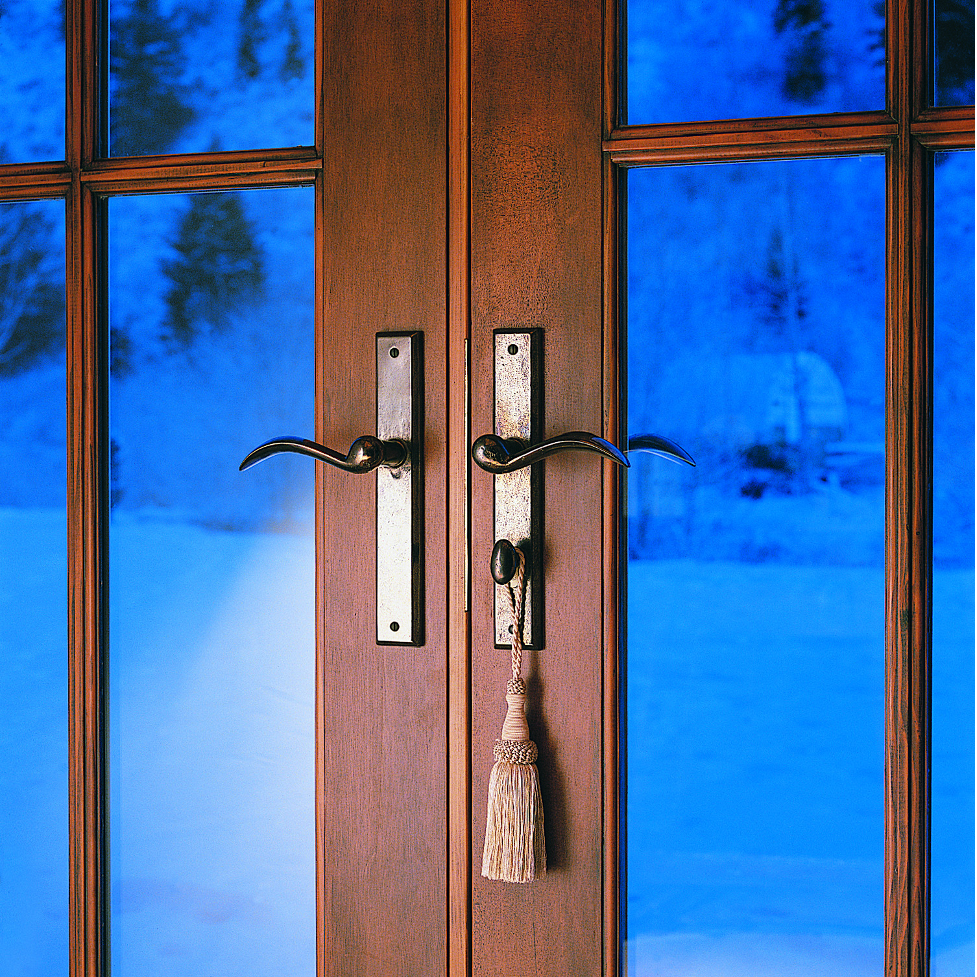
There is a moment, brief yet defining, when a space first reveals itself. Before the eye fully takes in form and composition, the hand makes contact. The act of opening a door becomes an introduction, shaped by texture, weight, and intention. In this subtle exchange, elements such as luxury door handles begin to tell a story, one that speaks to craftsmanship, material, and the experience that follows.
Entryways as Narrative Beginnings
In contemporary design, the entryway holds a quiet authority. It frames the transition from exterior to interior, setting expectations for what lies beyond. Designers treat this threshold as more than a point of access. It becomes a narrative beginning, where the tone of the space is established.
Proportion, material, and light all contribute to this first impression. A carefully composed entry invites movement while maintaining a sense of presence. The door itself, often a focal point, carries both visual and tactile significance.
Within this composition, hardware plays an integral role. It marks the point of interaction, guiding the hand and initiating the experience of the space.
The Language of Touch
Touch offers a direct connection between person and place. It bypasses analysis and moves into perception. The feel of a surface, the resistance of a mechanism, and the temperature of a material all contribute to an immediate understanding of quality.
Metal, when crafted with care, communicates weight and permanence. A well-formed handle sits comfortably in the hand, offering balance and control. These qualities do not announce themselves loudly. They are felt, often without conscious thought, yet they shape the overall impression.
In a refined entryway, this tactile language aligns with the visual narrative. Materials work together to create a cohesive sensory experience, one that begins the moment contact is made.
Material as Identity
Materials carry meaning. They reflect choices about durability, aesthetics, and intention. In high-end residential design, materials are selected not only for appearance but for how they age and evolve.
Bronze, with its depth and warmth, offers a distinctive presence. Its surface responds to time and touch, developing character that reflects use. This quality aligns with a broader appreciation for authenticity and craftsmanship.
When integrated into entryway design, such materials contribute to a sense of continuity. They connect the threshold to the interior, reinforcing a consistent language throughout the space.
Detail as Expression
The smallest details often hold the greatest expressive power. In the context of an entryway, hardware becomes a point of focus, even when it remains understated.
Designers consider scale, proportion, and finish when selecting these elements. The relationship between handle and door, between hardware and surrounding materials, influences how the space is perceived. A well-resolved detail feels intentional, supporting the overall composition without distraction.
This attention to detail reflects a broader design philosophy. It signals that every aspect of the space has been considered, from the largest gesture to the smallest interaction.
Creating a Lasting Impression
First impressions carry forward. The experience of entering a space shapes how it is remembered. A thoughtful entryway creates a sense of anticipation, inviting further exploration.
This effect is not achieved through a single element, but through the alignment of many. Form, material, and detail work together to create a cohesive experience. Hardware, though modest in scale, contributes to this harmony through its presence and function.
In lifestyle-driven design, where spaces are curated to reflect identity and taste, these moments of interaction become especially meaningful. They offer a tangible connection between design intent and lived experience.
The Intersection of Design and Experience
Modern luxury often resides in experience rather than excess. It is found in the way a space feels, in the quiet confidence of well-chosen materials, and in the precision of its details.
The entryway embodies this approach. It distills the essence of the space into a single moment of interaction. Through touch, it communicates values of quality, care, and craftsmanship.
For designers and homeowners alike, this perspective shifts the focus from surface to substance. It invites a deeper engagement with the elements that shape daily life.
A Subtle Signature
Every space carries a signature, a set of qualities that define its character. In many cases, this signature reveals itself gradually. In others, it is present from the very first touch.
By approaching entryway design with intention, it becomes possible to create a lasting impression that feels both immediate and enduring. Materials, details, and interactions come together to form a cohesive whole.
In this way, the simple act of opening a door becomes more than a gesture. It becomes an introduction to a space shaped by design, defined by experience, and remembered through the senses.