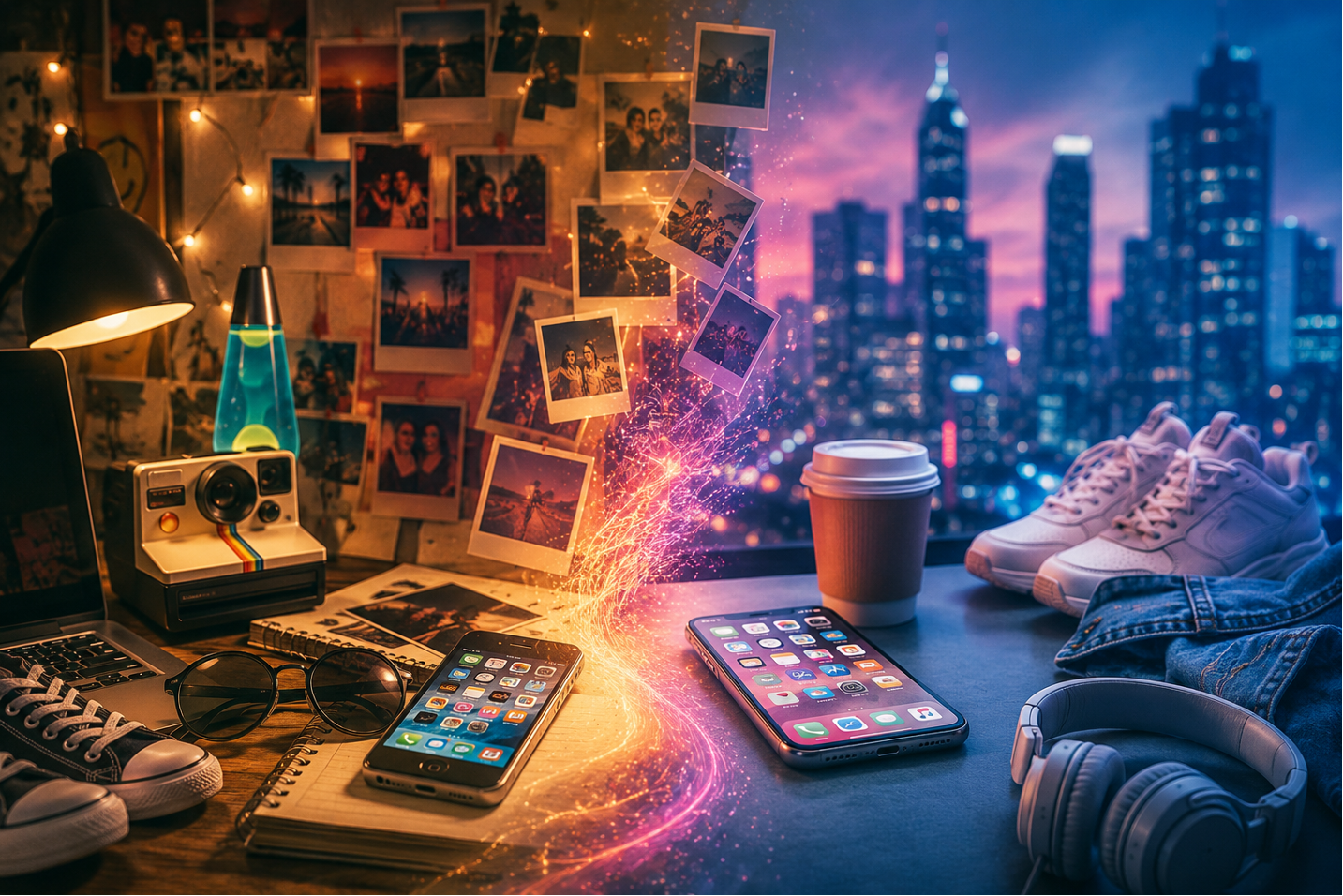
Cultural nostalgia rarely follows a strict schedule. People do not wake up one day and decide to revisit a specific year. Instead, old trends gradually return through music, fashion, entertainment, online communities, and everyday conversations. In 2026, one year attracts unusual attention: 2016. Ten years have passed since that period, yet many cultural habits, aesthetics, and attitudes from 2016 continue to shape current tastes.
This renewed interest appears across many corners of digital culture. Discussions about older internet trends often bring back references to online entertainment spaces, gaming forums, and even names such as spinmama that circulated through various corners of the web during that period. Such mentions do not reflect a single trend. They illustrate how people revisit fragments of the internet culture that defined daily online experiences a decade earlier.
The return of 2016 does not result from simple nostalgia alone. Several social, technological, and cultural factors explain why people increasingly look back at that specific moment. Understanding those factors helps explain broader changes in contemporary culture.
Why Ten-Year Cycles Matter
Cultural researchers have long observed that trends often return after roughly a decade. Younger audiences discover styles they never experienced firsthand, while older generations revisit memories connected to important periods of their lives.
In 2026, many adults who came of age during the mid-2010s now hold greater purchasing power and influence over media consumption. They choose what to watch, wear, listen to, and share online. Their preferences naturally bring elements of 2016 back into public attention.
At the same time, teenagers and young adults encounter 2016 as a historical cultural period rather than a recent memory. For them, it feels fresh rather than familiar.
Several factors strengthen this cycle:
- Growing interest in archived online content.
- Easy access to older music and videos.
- Social media trends that revive past aesthetics.
- Streaming libraries that preserve previous entertainment.
- Fashion industries revisiting earlier styles.
Unlike previous generations, modern audiences can instantly access enormous amounts of material from earlier years. This accessibility accelerates cultural returns.
The Digital Identity of 2016
The year 2016 occupied a unique position in internet history. Social media had already become central to daily life, but many platforms still felt less commercialized than they do today.
Users spent time creating memes, sharing short videos, participating in online challenges, and building niche communities. Many remember the period as a moment when digital culture felt more spontaneous.
Several characteristics defined online life in 2016:
| Cultural Element | Role in 2016 |
| Meme culture | Rapid global sharing of humor |
| Mobile apps | Expansion of daily digital habits |
| Streaming content | Shift away from traditional schedules |
| Online communities | Strong participation in niche interests |
| Viral challenges | Shared social experiences |
These elements remain familiar today, yet many users view their 2016 versions with particular affection.
Music from 2016 Still Shapes Listening Habits
Music offers one of the clearest examples of cultural nostalgia. Songs that dominated playlists in 2016 continue to attract listeners in 2026.
Streaming services contribute significantly to this trend. Older tracks remain available alongside new releases. As a result, music never truly disappears from public awareness.
Many listeners return to 2016 music because it reminds them of specific moments:
- School years.
- University experiences.
- Early careers.
- Friendships.
- Major life transitions.
Emotional connections often matter more than artistic trends. People revisit music because it helps them reconnect with earlier versions of themselves.
Younger audiences also contribute to renewed interest. Through recommendation algorithms, short-form videos, and community playlists, they discover songs released long before they became active listeners.
Fashion’s Return to Mid-2010s Style
Fashion constantly revisits previous decades. In 2026, designers and consumers increasingly draw inspiration from styles associated with the mid-2010s.
The return does not involve exact replication. Instead, people reinterpret familiar elements for contemporary tastes.
Several fashion characteristics linked to 2016 have regained visibility:
- Casual streetwear combinations.
- Oversized outerwear.
- Minimalist sneakers.
- Graphic clothing.
- Denim-focused outfits.
Social media accelerates these revivals. A photograph from ten years ago can circulate widely within hours and inspire new interest in an old style.
The speed of digital sharing allows trends to move between generations much faster than before.
Entertainment and the Power of Memory
Films, television programs, and online content from 2016 continue to attract attention because audiences associate them with a distinct cultural atmosphere.
People often remember entertainment not only for its content but also for the circumstances surrounding it. A television series may remind viewers of a particular apartment, friend group, or stage of life.
This emotional connection explains why older productions frequently return to public discussion.
Current creators also draw inspiration from the period. They revisit storytelling approaches, visual styles, and themes that audiences already recognize.
Rather than copying the past, many creators use familiar elements to create a sense of comfort and recognition.
The Internet Archives Everything
Previous generations experienced nostalgia differently because access to the past remained limited. Finding old recordings, magazines, or broadcasts often required significant effort.
In contrast, modern digital culture preserves enormous quantities of information.
People can easily find:
- Social media posts.
- Videos.
- News articles.
- Photographs.
- Online discussions.
- Music playlists.
This permanent archive changes the nature of nostalgia.
Instead of relying solely on memory, individuals can directly revisit cultural moments. They can compare past experiences with current realities and share those discoveries with others.
The internet transforms nostalgia from a private emotion into a collective activity.
Why 2016 Feels Different from Other Years
Many years produce memorable cultural moments, yet 2016 occupies a special position in public memory.
Several reasons explain this distinction.
First, it represented a period before major global disruptions that later affected daily life in profound ways. Many people remember it as a time with different social expectations and routines.
Second, digital culture had reached maturity without becoming completely dominated by commercial interests and algorithm-driven content.
Third, many current adults experienced important personal milestones during that period.
When cultural memory combines public events with private experiences, nostalgia becomes stronger.
People rarely miss a year itself. They miss how life felt during that year.
The Role of Social Media in Nostalgia
Social media platforms constantly encourage reflection on previous content.
Features that highlight older photographs, memories, and posts regularly expose users to material from earlier periods.
This process reinforces nostalgic feelings.
A simple image can trigger memories connected to:
- Family gatherings.
- Travel experiences.
- Academic achievements.
- Friendships.
- Hobbies.
As users share these memories, others engage with them and contribute their own recollections.
The result creates a cycle of collective remembrance that keeps specific years visible long after they end.
In 2026, many of those shared memories point directly toward 2016.
Nostalgia as a Response to Uncertainty
Researchers often observe stronger nostalgic behavior during periods of rapid change.
Technological development continues to reshape communication, work, entertainment, and social interaction. As new systems emerge, many people seek familiar cultural references.
Looking back at 2016 offers a sense of continuity.
This reaction does not mean people reject current developments. Instead, they use cultural memory to maintain a connection with earlier experiences.
Nostalgia can help people organize personal identity across different stages of life.
It reminds them where they came from and how their environment has changed.
What 2026 Learns from 2016
The renewed interest in 2016 reveals broader truths about culture.
It shows that cultural influence rarely disappears completely. Music, fashion, internet habits, and entertainment continue to shape future generations long after their original moment passes.
The return of 2016 also highlights the growing importance of digital preservation. Modern societies document daily life at an unprecedented scale. Future generations will likely revisit today’s culture in similar ways.
Several lessons emerge from this trend:
- Digital memories remain accessible for long periods.
- Cultural cycles move faster than before.
- Online communities preserve shared experiences.
- Younger audiences regularly rediscover older content.
- Personal memories influence broader cultural movements.
These patterns will likely continue throughout the coming decade.
Conclusion
The influence of 2016 on 2026 extends far beyond simple nostalgia. Music, fashion, entertainment, internet culture, and social habits from that period continue to shape contemporary tastes because digital technology preserves them so effectively.
People revisit 2016 for different reasons. Some seek personal memories. Others discover the era for the first time. Many simply enjoy cultural styles that feel familiar yet fresh.
The return of cultural nostalgia demonstrates how modern societies interact with the past. Digital archives, social media, streaming platforms, and online communities keep earlier moments within easy reach. As a result, cultural influence lasts longer and spreads more widely than ever before.
In 2026, the renewed fascination with 2016 reflects more than affection for a previous era. It reveals how memory, technology, and culture now work together to keep the recent past active in everyday life.