Will the Oscars ever add a vertical drama award? One expert has thoughts.
Especially since we are seeing the landscape of cinematic consumption shift from the silver screen to the 9:16 palm of our hand, a provocative question has begun to circulate within the hallowed halls of Hollywood: Will the Academy of Motion Picture Arts and Sciences ever recognize a “Best Vertical Drama”?
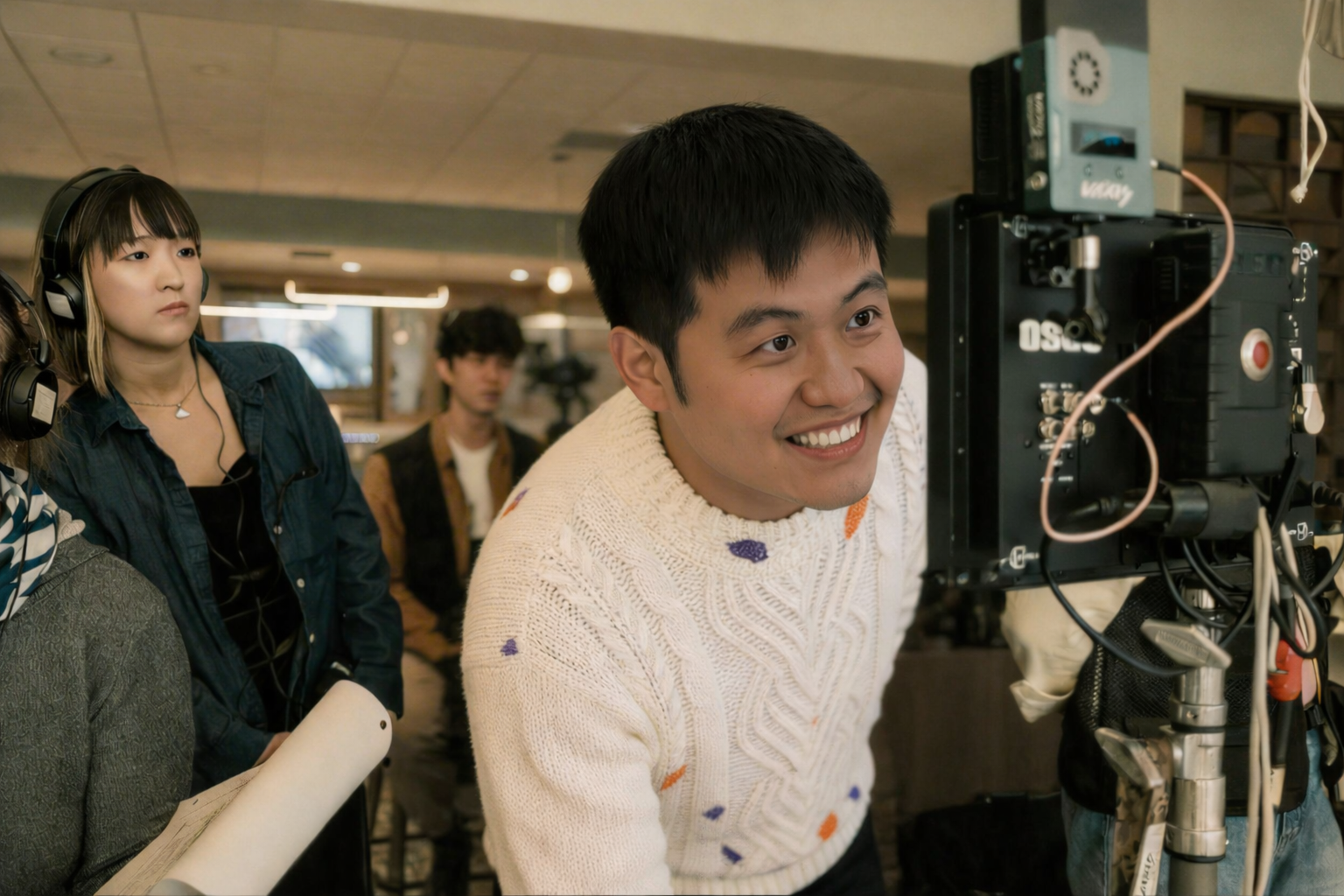
While the idea might have seemed revolutionary—or even sacrilegious—a decade ago, the rapid institutionalization of digital media suggests the tide is turning. This year, the Golden Globes signaled a paradigm shift by introducing a Best Podcast category, with the inaugural 2026 award for “Good Hang with Amy Poehler.” According to industry veteran Hao Chen, Executive Producer at the rapidly ascending platform GoodShort, vertical dramas are on a similar trajectory toward prestige recognition. Chen’s perspective comes from more than a decade working across production, post-production, digital media and, most recently, the international expansion of mobile-first scripted entertainment.
“That moment is really telling,” says Chen, who oversees GoodShort’s English-language content. “Major institutions are starting to recognize that storytelling formats evolve with audience behavior. Podcasts weren’t added overnight because they were popular; they were added once they became culturally influential and impossible to ignore. Vertical drama is currently on that same trajectory.”
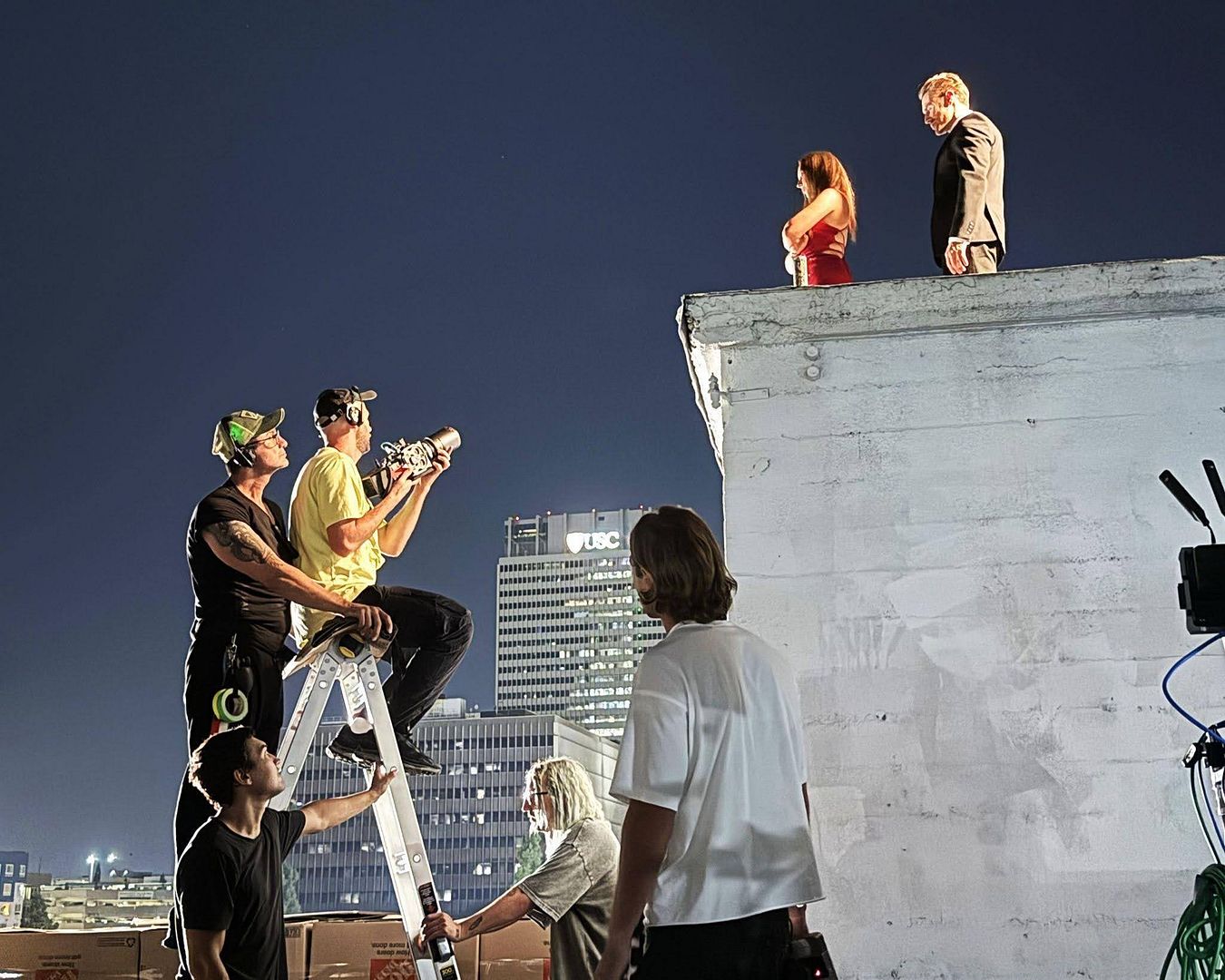
The numbers supporting Chen’s outlook are staggering. The short-form drama market has experienced a 221% year-over-year surge in engagement. GoodShort, which launched in June 2023, has become a cornerstone of this movement, generating approximately $220 million in annual revenue and seeing roughly one million app downloads per month on Apple devices alone.
The format, characterized by high-quality, one-minute episodes designed for binging, is moving away from its “quick-content” roots toward something more substantial. Many of GoodShort’s productions now boast IMDb ratings exceeding 8.0/10, challenging the stigma that mobile-first content lacks narrative depth.
Chen’s perspective is rooted in historical context. He witnessed the microdrama industry in China explode from a $500 million niche in 2021 to a $7 billion powerhouse by 2024—surpassing the country’s domestic box office. “As mobile-native narrative continues to grow globally—and especially as it matures creatively beyond pure volume—it becomes harder to classify it as just ‘digital content,’” Chen notes.
Which awards will catch on first? While the “Best Picture” Oscar remains the industry’s most traditionalist prize, Chen predicts that other major bodies could embrace the format in the coming years.
“The most likely first movers would probably be the Golden Globes, the Emmys, or the Telly Awards,” Chen says. “The Golden Globes have historically been more flexible in adapting to evolving formats. While the Academy is film-focused, vertical dramas align more closely with television in terms of format and consumption.”
However, he doesn’t rule out the Oscars entirely. As episodic vertical structures evolve into cumulative narratives that mirror feature-length films, the line between a “series” and a “movie” continues to blur.
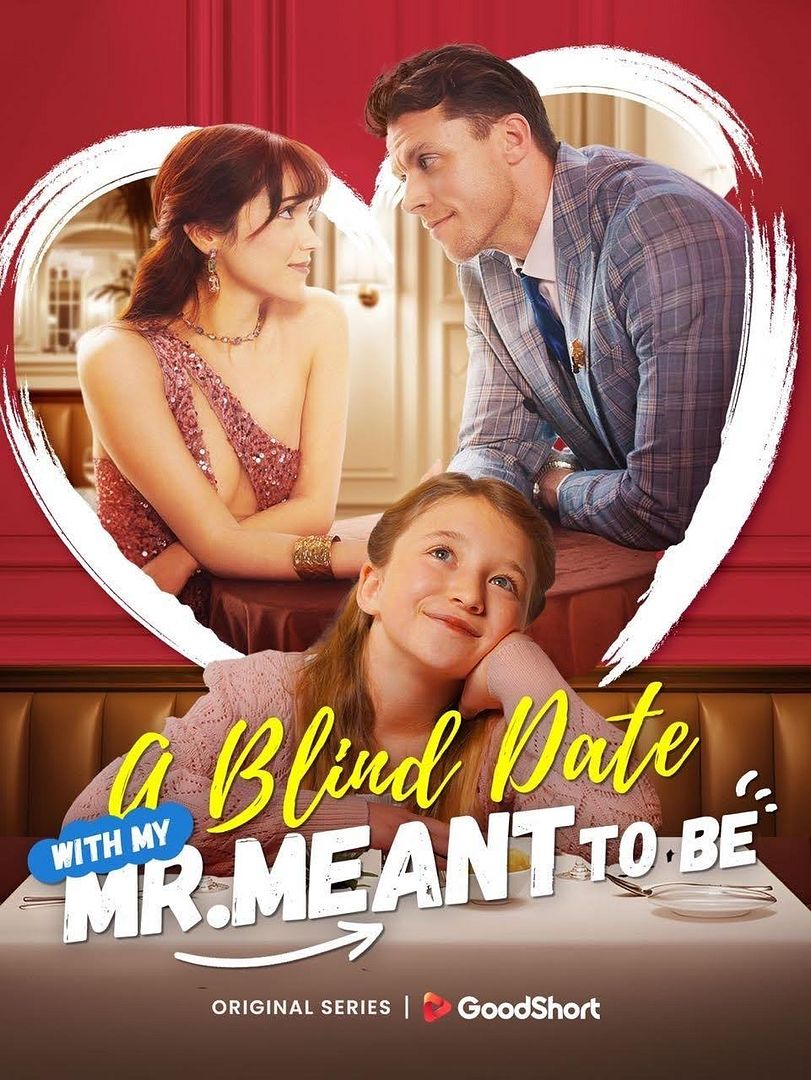
But what about traditional streaming services? The industry is also watching to see if streaming giants like Netflix or Amazon Prime Video will integrate vertical silos into their platforms. Chen views this as an inevitability, though one fraught with technical hurdles.
“It is less a question of if, and more a question of how—and when,” Chen explains. “The challenge is that vertical content doesn’t naturally fit into traditional browsing interfaces built for long-form viewing.”
Despite these UI challenges, legacy studios are already dipping their toes into the water. Chen points to Fox Entertainment’s vertical video collaboration with Dhar Mann and Disney’s Accelerator program as evidence that the “big six” are preparing for a mobile-first future.
The growth of GoodShort serves as a case study for the medium’s legitimacy. What began in 2023 as a four-person team in a single Los Angeles office has expanded into a global operation of nearly 100 employees with hubs in Beijing, New York, and L.A.
While the United States remains the largest market for vertical drama outside of China, the format is seeing massive growth in the United Kingdom, Canada, Turkey, and Ukraine. Chen attributes this global appeal to the “emotionally affirming structure” of the stories—narratives where justice prevails and love triumphs, providing a sense of catharsis that transcends borders.
As Chen continues to oversee a slate of over 100 vertical series, his focus remains on bridging the gap between performance-driven digital content and the narrative discipline of traditional filmmaking.
“What matters isn’t format, but storytelling impact,” Chen concludes. “Vertical drama is still evolving—but the precedent for institutional recognition now exists.”
Words: Nadja Sayej
Images: Courtesy of Hao Chen