What Makes a Streetwear Brand Actually Worth Your Money
Streetwear is everywhere, and most of it honestly isn’t good. Thin cotton, shaky prints, and sizing that’s just wrong you’ve been there. So before spending real money on a hoodie or a jacket, it’s worth understanding what actually separates the brands people keep buying from the ones that disappear after one wash. The answer is usually three things: fabric weight, design identity, and whether the piece still looks right six months after you bought it. None of these are complicated ideas, but a lot of brands skip at least one of them. The brands covered in this guide don’t. Each one has built a clear visual identity, uses decent construction, and has found a loyal following not through ads, but because people actually liked wearing the clothes. That matters more than anything on a product page. Whether you’re building your first proper wardrobe or you’ve been buying streetwear for years, this breakdown gives you something concrete to work with not just a list of names, but a reason to care about each one.
Why Trapstar Remains the Most Recognisable Name in UK Streetwear
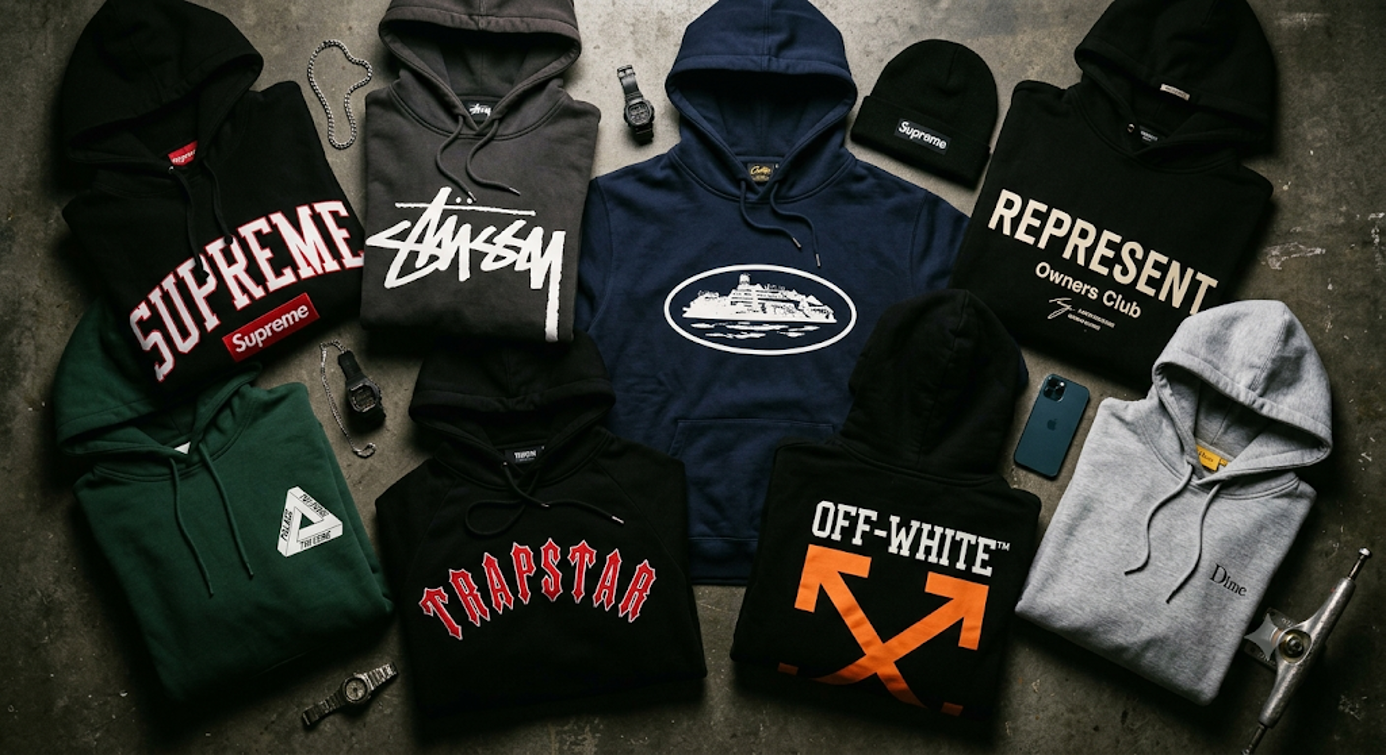
Trapstar started in West London in 2005. That’s not just a fun fact it explains everything about the brand. The founders were selling screen-printed tees from car boots and train stations before they ever had a website, which means the brand grew on word of mouth and genuine street credibility rather than a marketing budget. That origin still lives in the design language today: bold Irongate logos, high-contrast prints, heavyweight cotton that doesn’t apologise for its weight, and silhouettes that lean relaxed without looking lazy. The trapstar jacket collection is probably the clearest expression of what the brand does well structured shell pieces, puffer silhouettes that drape properly, and details like ribbed cuffs and reinforced zip lines that you notice when you hold the garment, not just when you look at a photo. One thing I’ve noticed from handling these pieces: the inner lining on a genuine Trapstar puffer has a slightly coated feel before the first wash, almost like a light finishing treatment on the fill compartments. Knock-offs skip that step, so they feel immediately cheap. After the first wash on a real piece, that coating softens and the whole jacket settles into something noticeably more comfortable. If you want the full range across hoodies, tracksuits, and outerwear, the Trapstar UK homepage is the easiest starting point for browsing everything at once.
The Six Brands That Define Modern Streetwear Right Now
Not every brand deserves space in your wardrobe, but these six have genuinely earned it. Here’s the short version on each, ranked loosely from the most established to the most cult-level:
- Trapstar West London born, built on scarcity and real street trust. Heavyweight hoodies, tracksuits, and outerwear that hold their shape across seasons. The Irongate branding is one of the most recognisable logos in UK fashion.
- None Of Us (NOFS) A newer voice with a sharper social media presence. The nofs brand runs hoodies, jeans, jackets, and tracksuits with a tone-in-tone aesthetic that looks cleaner than most brands at the price point.
- Cole Buxton London menswear that sits somewhere between premium streetwear and athletic basics. Heavyweight cotton, minimal branding, and a focus on construction quality that you feel rather than see.
- Hellstar US-rooted, graphic-heavy, and built around bold prints that actually hold up. Stars, skeleton motifs, high-contrast typography every piece has something to say.
- Travis Scott (Cactus Jack) Merch that crossed into fashion. The Astroworld-era pieces and the Cactus Jack collab drops, especially the Jordan 1 sneakers, are the kind of items people keep for years.
- Geedup An Australian brand still building its international presence, but with a genuine community behind it and a product range that punches above its visibility level.
None Of Us: The Brand That Grew Up on Instagram
Not every brand needs twenty years behind it to earn respect, and noneofus proves that. The brand built its following through consistent social media presence and drops that looked genuinely different from what most competitors were releasing. The result is a hoodie lineup that runs from the classic black-on-black OG styles all the way through star-print and tone-in-tone cream pieces that feel more considered than most brands at a similar price. One honest thing worth knowing: the NOFS sizing runs slightly true to European sizing, so if you typically buy UK large and order based on that assumption, you might find the fit a touch slimmer than expected worth checking the measurement chart on each product page before ordering. Beyond hoodies, the brand covers tracksuits, jackets including windbreaker and puffer silhouettes, jeans, and a collab collection done alongside Trapstar that produced some of the most talked-about pieces from either brand. The NOFS x Trapstar camo tracksuit is a good example of two visual identities working together rather than fighting each other. For someone building a wardrobe right now, I’d personally start with a basic NOFS hoodie in black or cream, then layer into the tracksuit category once you’ve figured out which silhouette you prefer. That approach gives you flexibility without committing to an entire look before you know how the pieces actually fit.
Cole Buxton: The Case for Buying Less and Buying Better
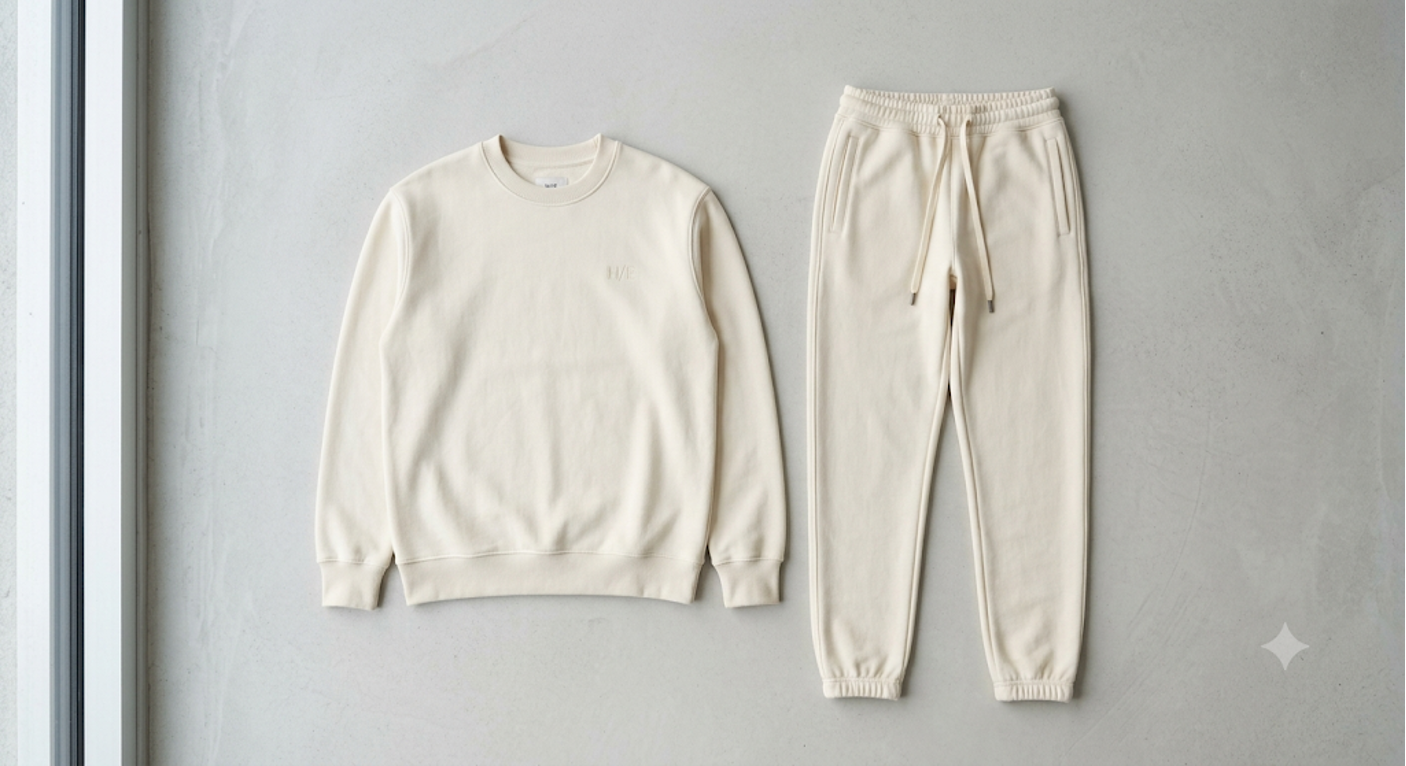
Cole Buxton occupies a space that not many streetwear brands manage to hold consistently: genuinely premium construction without the Supreme-style hype cycle attached. The brand was shaped by its founder’s background in boxing and training, which explains why the pieces feel like they were built to move in as well as look good standing still. The heavyweight brushed fleece used in the cole buxton tracksuit range, for example, sits noticeably denser than most mid-market competitors. You feel it the moment you hold a piece, before you even put it on. Here’s what makes Cole Buxton worth knowing across different categories:
- Hoodies: Heavyweight cotton, structured hood that sits properly in wind, double-stitched at stress points. The Balearic Hoodie in navy and the cropped zip variation are both consistently popular.
- Tracksuits: Matching sets in colour options like forest green, brown, and black with a 4-star logo that’s woven rather than printed. Wash-resistant detail.
- Sweatpants: Logo knit construction in cream, black, and blue. The knit is softer than standard fleece and drapes differently more relaxed but more considered.
- Jackets: Down jackets in brown and khaki that sit at the higher end of the range, priced accordingly. Built for longevity rather than seasonal disposal.
- T-Shirts: Heavyweight cotton base tees that hold their shape after repeated washing the foundation piece the brand built its original reputation on.
Hellstar: Bold Graphics and the Brand That Refuses to Be Quiet
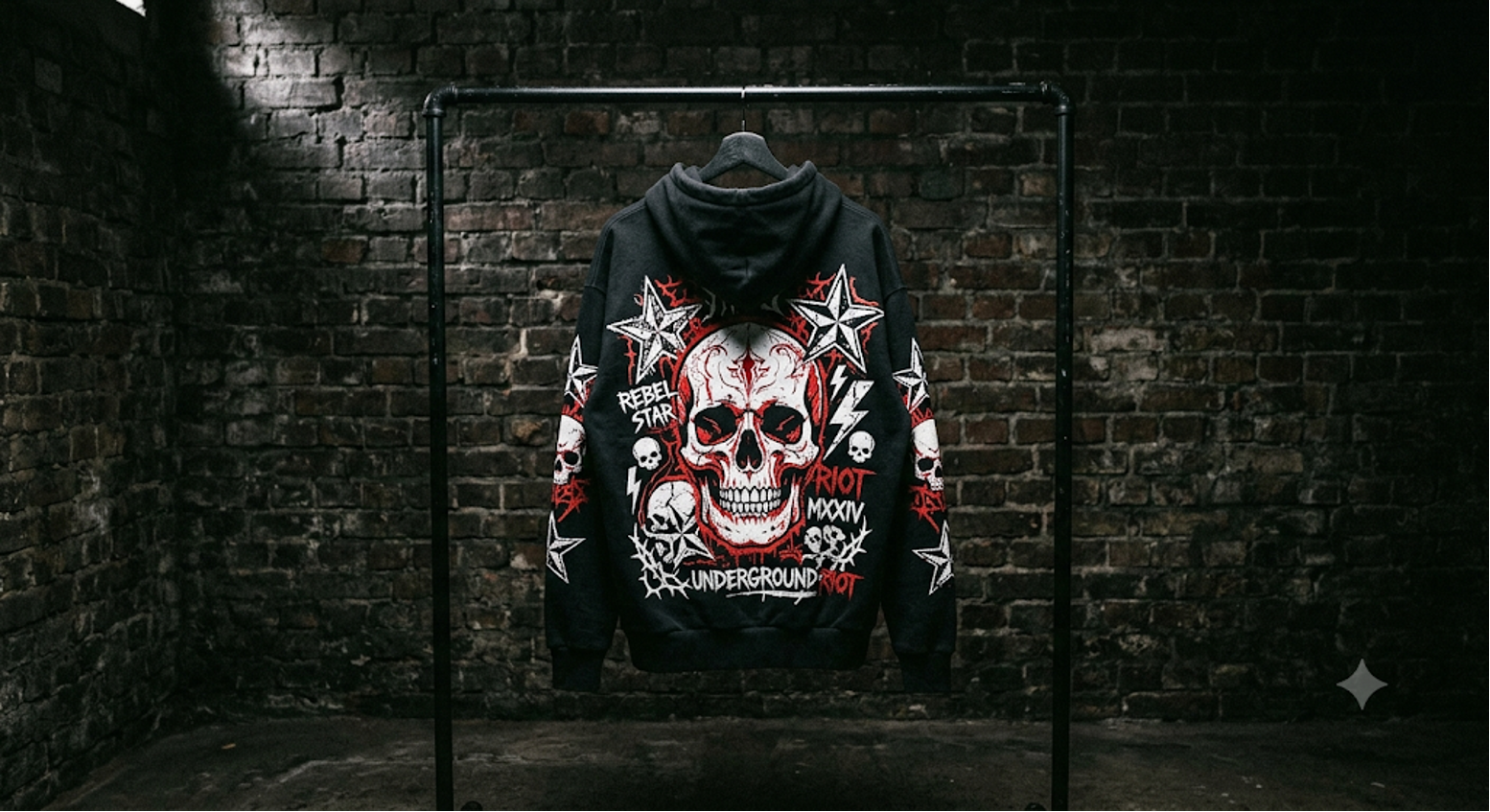
Hellstar doesn’t do subtle, and that’s entirely the point. Every piece in the range from the pullover hoodies to the graphic cotton shirts to the tracksuits leads with a visual statement. Skeleton motifs, star typography, high-contrast black-on-white or red-on-black prints, and slogans that read better on the street than they do as descriptions on a product page. The hellstar hoodie lineup is where most people start, and reasonably so. The cotton runs heavy, the prints are applied with enough ink density that they don’t look faded after the first wash, and the structured hood sits upright rather than collapsing flat against your neck. That last detail is genuinely rarer than it should be. Styling Hellstar is straightforward if you follow one rule: let the piece lead and keep everything else simple. A graphic hoodie works best over plain black cargos and clean sneakers. A bold tee works better tucked into neutral joggers than layered under something equally loud. The tracksuits, which run at a higher price point than the separates, are worth considering if you want the complete look without mixing from two different categories. And if you want to push the layering a bit further, the long sleeve shirts work well under an open jacket you get the graphic visible at the chest and cuffs without the full hoodie weight. Personally, I think the black-and-white colourways hit the hardest across the whole range. The contrast does more work than any printed colour could.
Travis Scott Shoes and Merch: When Music Crossed Into Fashion for Real
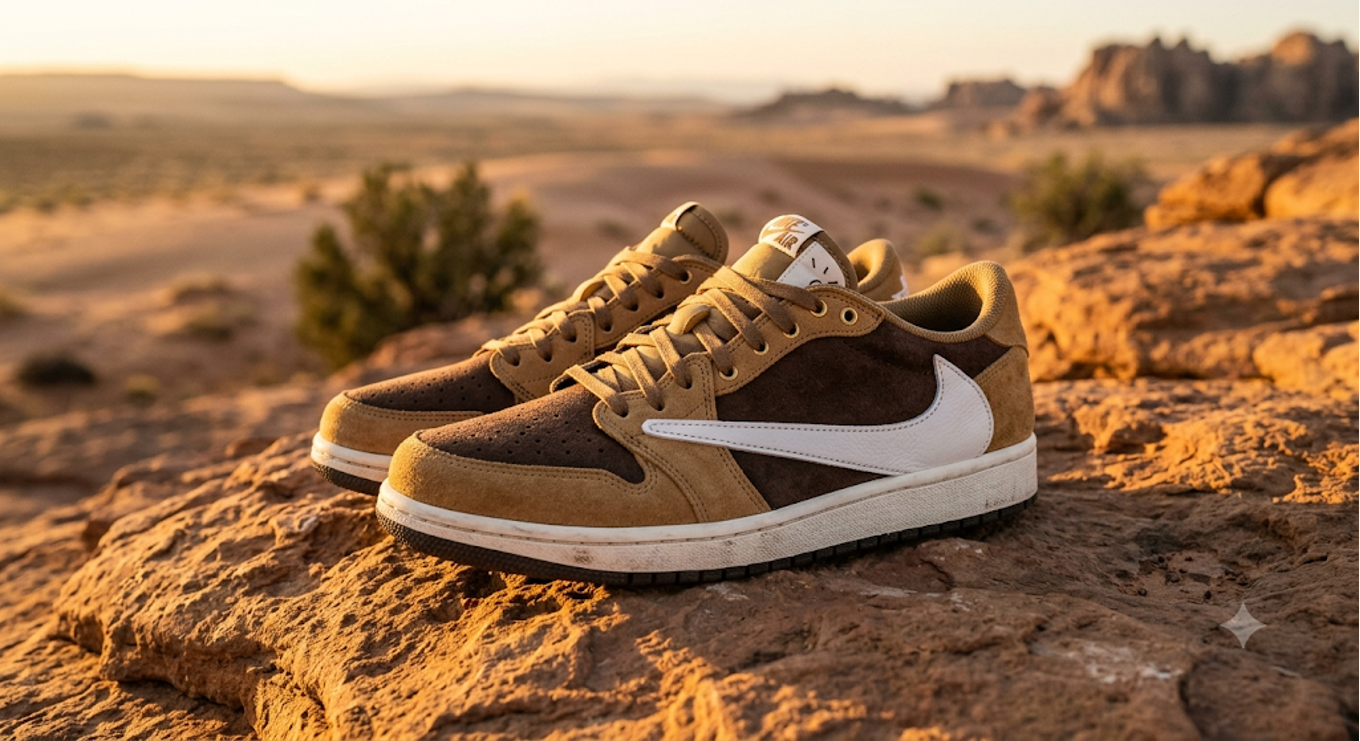
Most artist merch is forgettable. You buy a tour tee, wear it twice, and it ends up folded at the back of a drawer. The Travis Scott approach has always been different, partly because the Cactus Jack creative direction treats each drop as a design object rather than a promotional product. The result is a merch catalog that people actually build outfits around. The Astroworld era hoodies, the McDonald’s Cactus Jack collab pieces, and especially the travis scott shoes particularly the Jordan 1 Retro with the reverse swoosh are pieces that have held cultural and resale value years after the original drop. What makes the footwear specifically interesting is the construction detail: the reverse swoosh on the Air Jordan 1 collab wasn’t a stylistic accident it was a deliberate decision to reframe a recognisable silhouette, which is harder to execute well than it sounds, and it works because the rest of the shoe’s colourway supports it rather than competing with it. For clothing, the best starting points in the catalog are the Cactus Jack graphic tees, the sweatpants that pair directly with the hoodie drops, and the collab pieces from the WWE and McDonald’s eras that remain some of the most distinctive artist-branded clothing released in the last five years. Sizing runs slightly oversized across the hoodie range, so if you prefer a closer fit, size down once.
Geedup The Brand Building Its Name One Drop at a Time
Geedup is the least immediately recognisable name on this list for most people outside Australia, and that’s actually part of what makes it interesting. The brand has built a genuine community around its drops rather than chasing global visibility through paid placement, which means the people wearing it tend to care about it more than average. The geedup shop is still in its early build phase internationally, but the foundation is already there: a clear design identity, a community that shows up for drops, and a product range that’s expanding without losing focus. For anyone already deep into streetwear, keeping an eye on Geedup makes sense now rather than later. Brands that grow this way through community trust rather than hype cycles tend to build the kind of staying power that the bigger names on this list took years to establish. The honest limitation here is accessibility: international shipping and product availability are still more limited than the other brands in this guide. That’s worth knowing before you plan your purchase. It’s not a reason to skip it, but it is a reason to check availability before you get too attached to a specific piece.
How to Build a Wardrobe Across Multiple Brands Without It Looking Messy
Mixing brands is where most people go wrong, not because brand mixing is bad but because they ignore colour and silhouette consistency while doing it. Here’s the short version on how to do it well. Start with a neutral base black, grey, or cream and let one statement piece lead the outfit. So if you’re wearing a Hellstar graphic hoodie, pair it with plain black tracksuits from any brand rather than layered prints. If you’re building around a Trapstar windbreaker, keep the layer underneath simple so the shell piece does the talking. Cole Buxton’s heavyweight basics work as foundation pieces alongside almost any other brand on this list because the minimal branding doesn’t compete for attention. Travis Scott’s Jordan 1s in brown suede sit naturally under denim, cream sweats, or black cargos three completely different outfit directions from one pair of shoes. NOFS pieces, especially the tone-in-tone cream or grey hoodies, work as transitional layers that carry the fit without announcing themselves. Geedup fits best alongside Australian-influenced silhouettes and broader streetwear fits rather than fitted, tailored approaches. The key is that contrast should be intentional, not accidental. One piece bold, everything else honest. That’s it.
Final Words
Building a wardrobe you actually want to wear every day doesn’t require buying everything at once. It requires picking the right brands and the right pieces within those brands. The names in this guide Trapstar, NOFS, Cole Buxton, Hellstar, Travis Scott, and Geedup each offer something distinct, and the best results usually come from starting with one anchor piece from a brand you already connect with, then expanding from there. Don’t buy for the logo. Buy for the fit, the fabric, and the way you feel putting it on. The logo matters less than you think once you’ve actually worn something that’s made well.
FAQs
Q1: Which streetwear brand is best for someone who’s just starting out?
A: Trapstar or NOFS are the most accessible starting points. Both offer clear brand identity, solid quality, and a wide enough range that you can find one anchor piece without committing to a complete look immediately.
Q2: Are Cole Buxton pieces worth the higher price?
A: For the construction quality, yes. The heavyweight cotton, woven logos, and structured silhouettes hold up across years of wear rather than months. The value is in longevity, not just brand cachet.
Q3: Do Travis Scott shoes hold their resale value?
A: The collab Jordan 1 sneakers, particularly the reverse swoosh versions, have consistently held and often increased in resale value since their original drops. Size availability affects this, but the demand has remained strong.
Q4: Is Hellstar clothing true to size?
A: The hoodie range runs slightly oversized by design. If you prefer a closer fit, sizing down once is the right call. The size guide on each product page lists exact measurements.
Q5: Can I mix pieces from different brands in one outfit?
A: Absolutely, and the results are often better than single-brand head-to-toe looks. The key is keeping the colour palette simple and letting one piece usually the most graphic or structured one lead the outfit while everything else supports it.