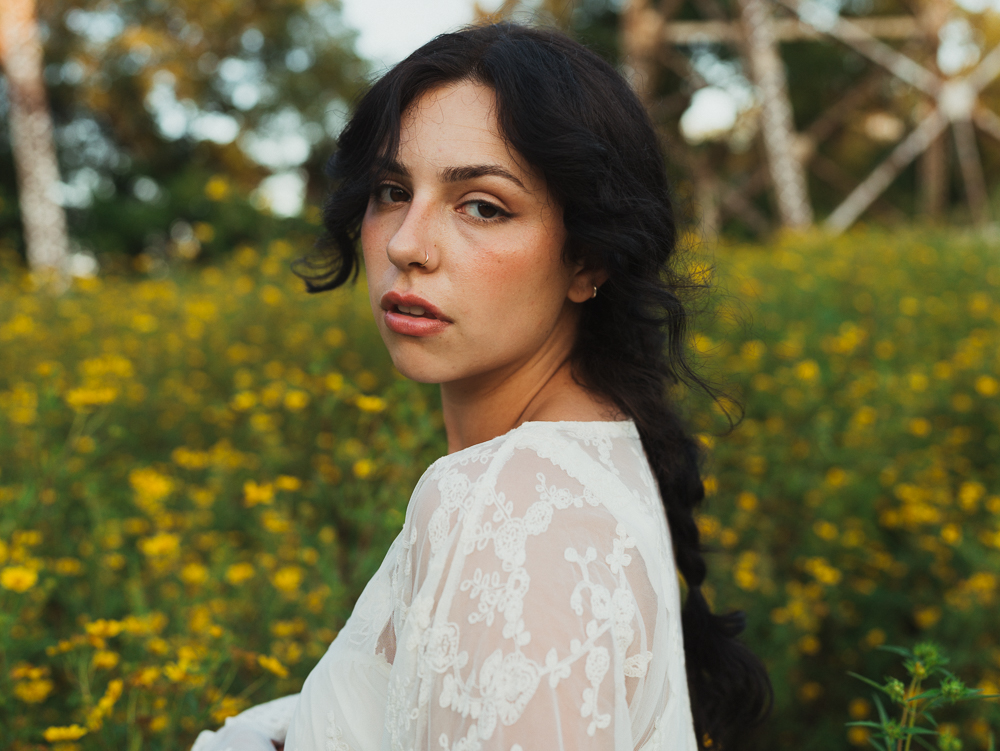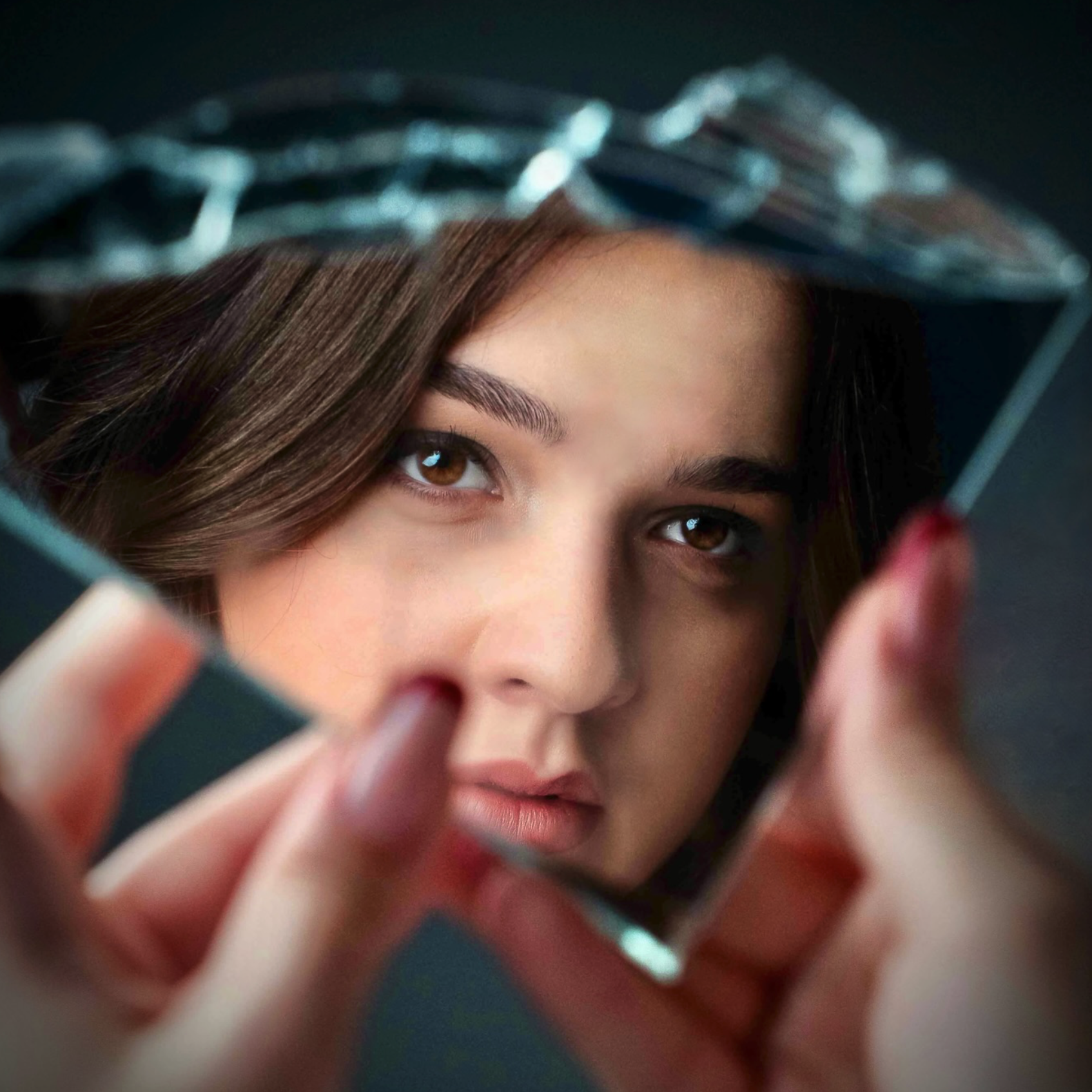
At just 18, Prague-born pop artist THERA is turning bedroom confessions into arena-sized catharsis. Fresh off supporting Jason Derulo across Europe, and closing the run with a career-defining hometown show at Prague’s O2 Arena, she opens up about the pseudonym that “felt like home”, writing songs in stolen moments between school and soundchecks, and building a fanbase of “angels” who prove vulnerability can be loud, communal, and freeing.
There’s an unmistakable tension at the heart of THERA’s world: the everyday reality of being Christina, finishing school, blending into classrooms, trying to stay on top of the demands of daily life, and the other life that begins the second the lights go down. It’s a duality she’s learned to hold with surprising clarity, carving out a stage persona that isn’t a mask so much as a container, a way to be deeply honest without giving away every last piece of herself.
In this conversation, the Czech singer-songwriter talks through the way her songs arrive uninvited, late-night ideas that won’t let her rest until they’re recorded, and how her sound is evolving beyond “sad pop” into something that can make you dance and cry in the same breath.
From writing about PTSD in “rain” and online expectation in “do you see?” to leaning into storytelling that’s hers alone, THERA is stepping into a new era with intention, adrenaline, and a growing sense of purpose. Not just to perform, but to create a safe space where her “angels” can feel seen.
1883 catches up with THERA to discuss it all.
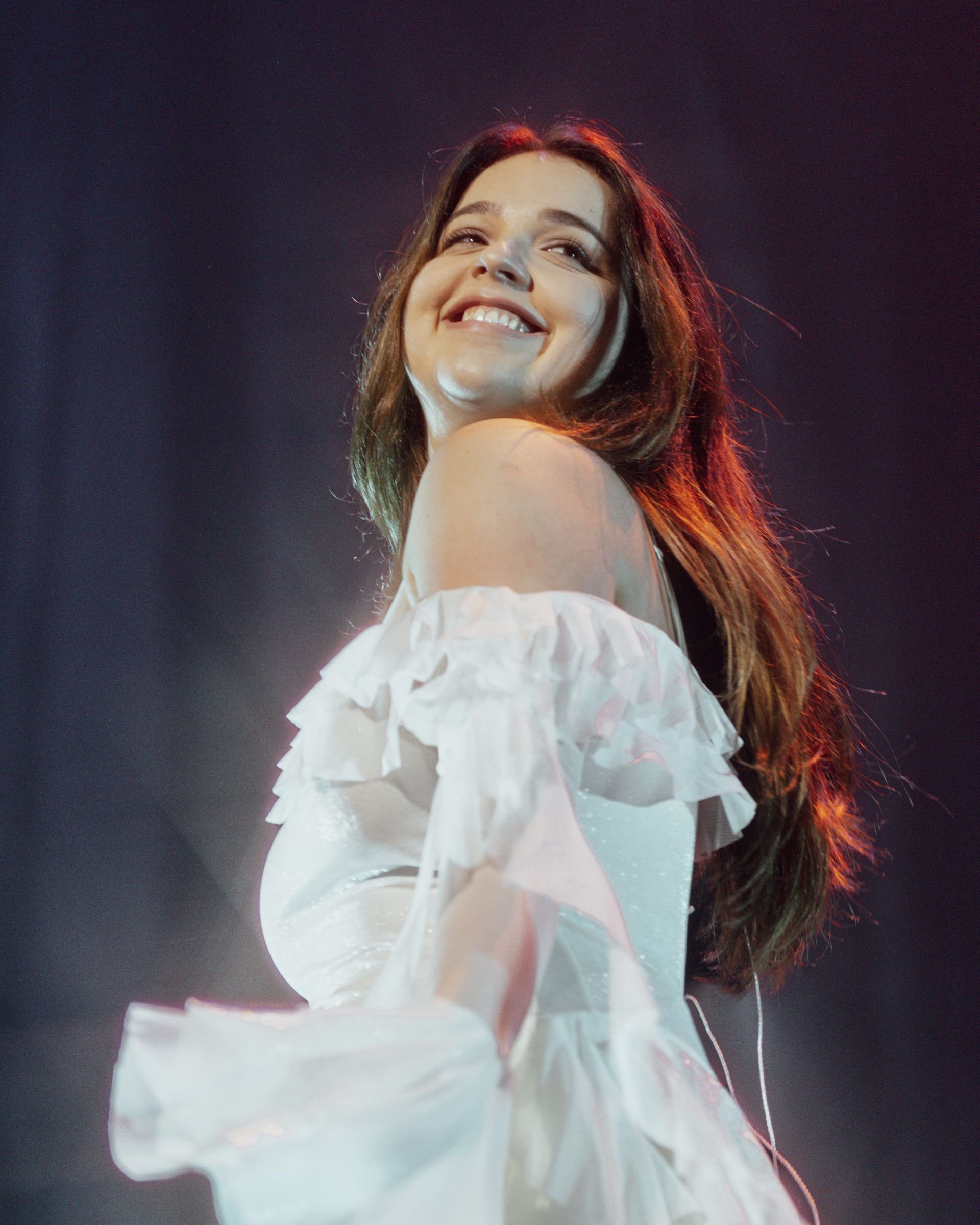
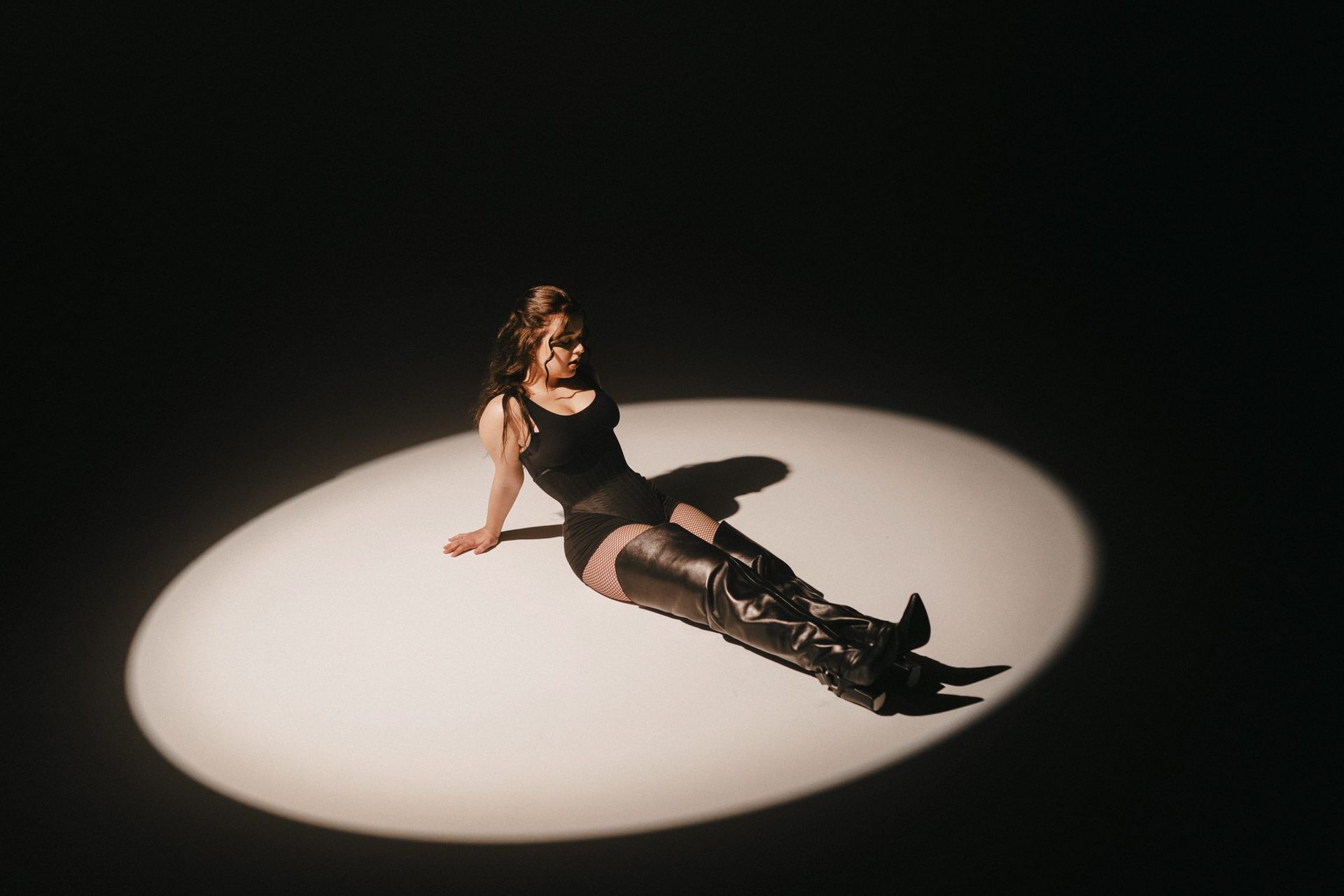
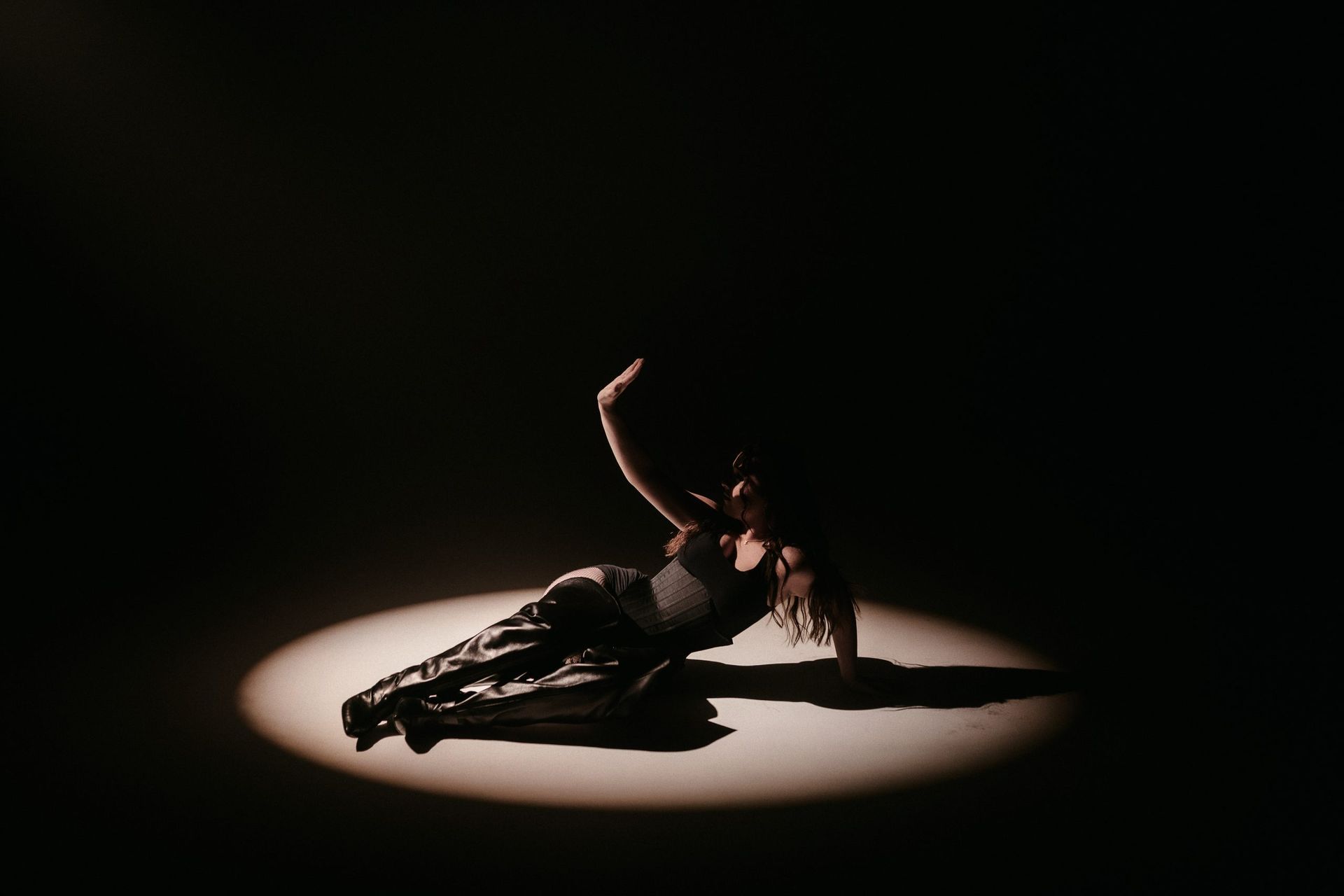
How do you construct your songs? Do you think it’s like you’re going through your day and you actually feel or see, or is it your personal experience?
Yeah, most of them are personal experiences. It’s stuff that I’ve gone through, but it’s kind of very random. For example, with more of the recent music, it’s always been an idea that just creeps up during tour. My guitarist is also my producer, so I always go to him and I’m like, “Where’s your guitar?” and he’s like, “Over there,” and I’m like, “We’re gonna go over here for a second,” and then we write a bit.
If we’re not on tour, I’ll send him a voice note and be like, “I don’t know what this is, but I think it’s something. What do you think?” And then he’ll either say no, or, “Wait, I think so,” and send me a demo. I write a lot.
I think my problem is I’ll be trying to go to sleep because I have to wake up in five hours for school or something, and suddenly there’s an idea in my head. It won’t let me fall asleep until I write it down somewhere. Sometimes I never hear it again, but it all just happens naturally. I hate having to force a song. That’s my worst fear.
Before the first tour, I really wanted to write something more upbeat and energetic because a lot of my music is sad pop, which I love. But I wanted something for the tour where people could really move. “do you see?” was nice because I wrote it for the previous tour, and it’s developed so much since then.
Grown with you…
Yeah, exactly. It started as a silly little idea and now it feels like the song that represents this new era the most. So I’m really happy with how it turned out.
Okay, we totally have to discuss the next era, but before we get into that: how did you know this is your path? And why the pseudonym THERA?
I honestly realised not that long ago, maybe four months ago. It was during the last show of our previous tour. I was about to apply for colleges and universities, and I had to decide if I was going to give this everything or keep a backup plan.
But something just switched during that performance. The audience had started chanting my name before we even went on stage. It was such a weird feeling, like, what do you mean people are here for me? For music I wrote in my bedroom?
After the show, we were bowing and I was looking into the crowd thinking, no, I need to do this. I want to live my dream, but also knowing the music resonates with people, that it helps them, it made me feel like maybe everything I went through had a reason.
That’s also where the name came from. Music was always my therapy. Someone on my team suggested something like “therapia”, and then we landed on THERA. I was like, “That’s it.” People tried to change my mind, but I knew it had to be that. It just felt right.
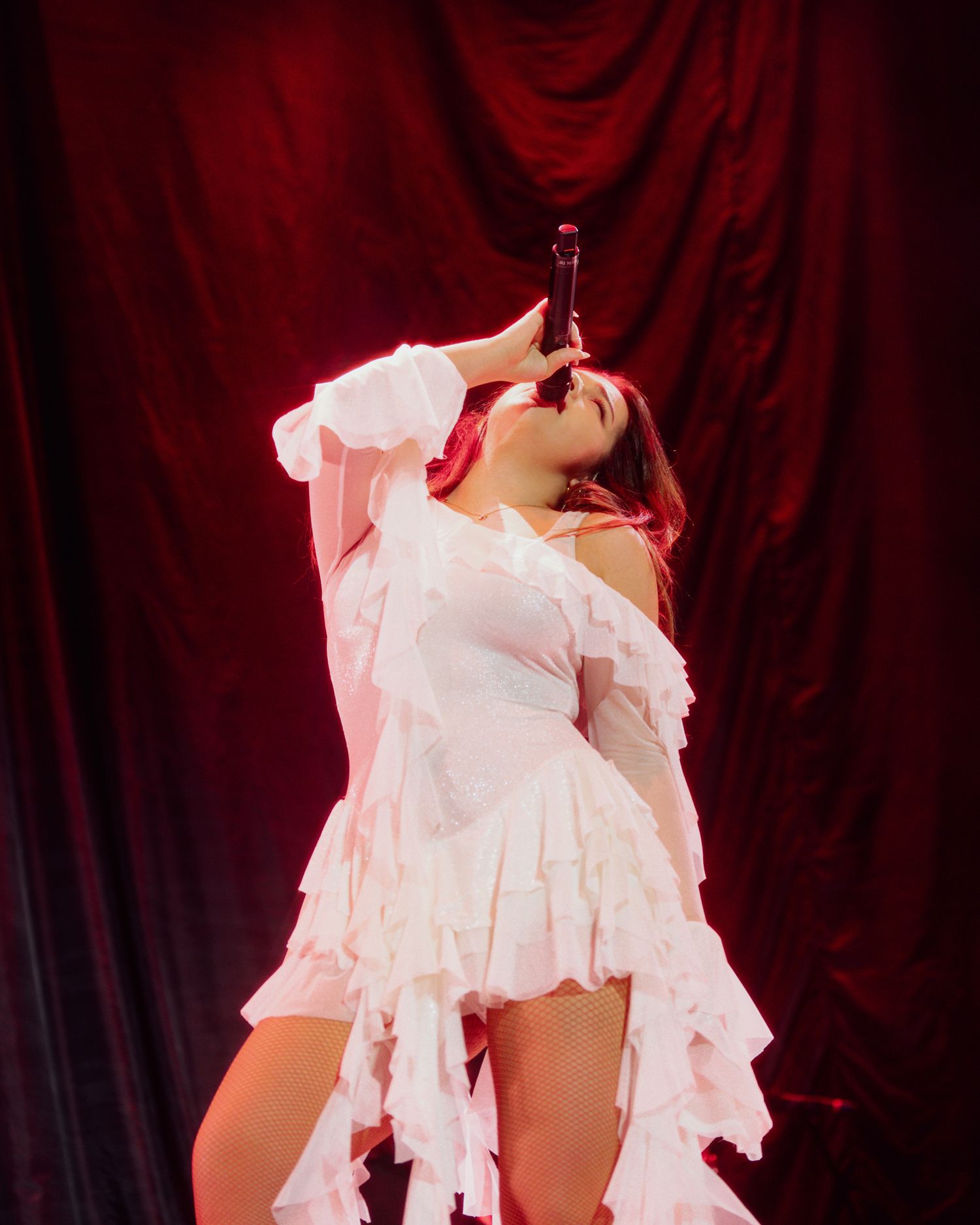
I also heard you say “THERA has a life of her own”. What’s the difference between you and THERA?
They’re basically the same person. But when I’m THERA, it’s like I’m doing this for the fans. People come to shows for different reasons, to cry, to have fun, to just exist. I think it’s important to step into that and give them something.
It’s not a different person, just a way of separating my personal life. I still share a lot, I get very vulnerable, but it helps create a boundary. Especially now with school. When I’m there, I’m Christina. I need to focus, graduate. When I’m on stage, it’s something else.
It’s like how people have different versions of themselves depending on who they’re with. That’s probably the closest way to explain it.
How do you balance being so vulnerable in your music while still living a normal life, like being in school?
My friends are really supportive. They care about how I’m doing, but they don’t need to know everything. It’s comforting to have that group.
Of course, some people have opinions or make fun of it, but I remind myself that there are people it’s helping. That matters more than a joke from someone I won’t even see in a few months.
When I’m THERA, it’s like I put all my confidence into one place. It’s empowering. I know what I’m doing, and I just want to have fun.
A lot of your music explores themes beyond love and heartbreak. Why is that important to you?
Because there’s so much more we go through. I don’t like that music sometimes feels like it’s only about love and heartbreak.
I wrote “rain” about PTSD because I was diagnosed really young and didn’t know how to cope. “do you see?” is about the internet and expectations. I try to write about real situations that people experience.
At the same time, I love making songs you can dance to. Like “rewind”, which is about toxic relationships. It’s about that cycle of going back, but it still has energy. I love that contrast, something emotional but still fun.
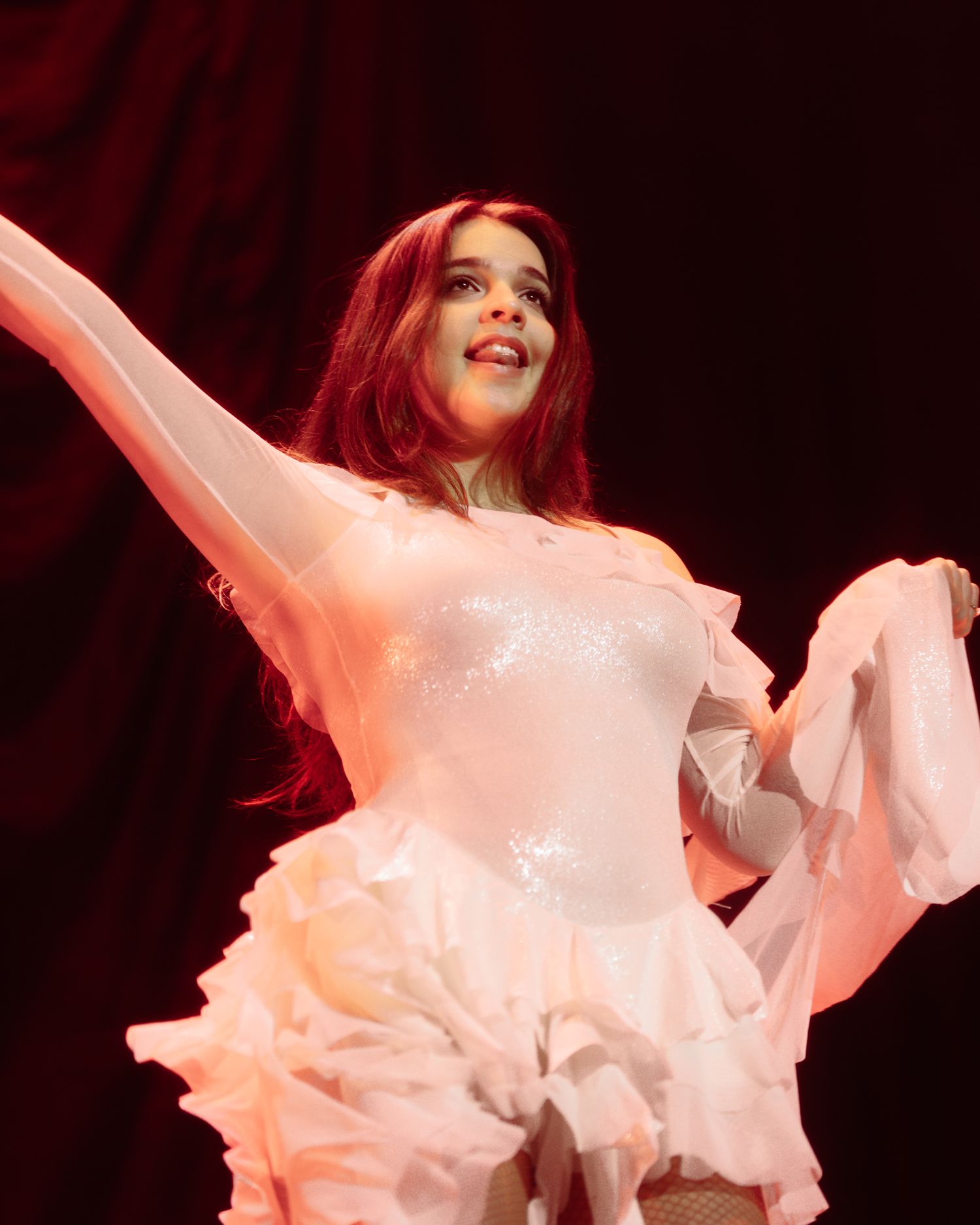
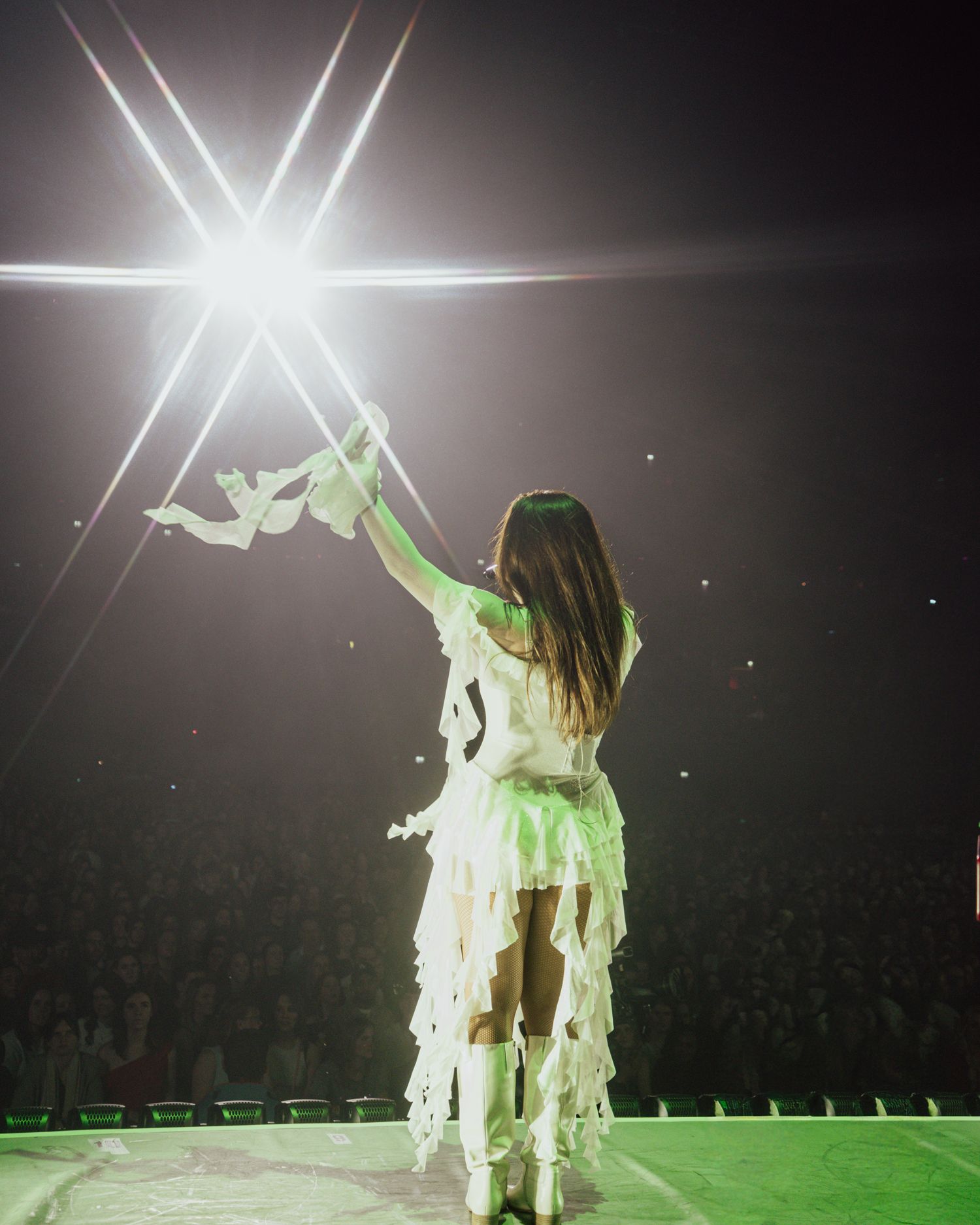
You’ve been compared to artists like Billie Eilish and cited influences like SZA and Tate McRae. How do you stay original?
It’s taken time. My first album was basically a diary. Since then, I’ve written a lot that hasn’t come out, exploring different styles.
The biggest thing for me is songwriting. I could never release something I didn’t write. That would defeat the whole purpose. I want songs to have meaning, even if people don’t catch it on the first listen.
I’m more influenced by performance than sound. Watching artists on stage, the energy, the theatrics. But I always do what feels right. If it doesn’t feel right, I won’t release it.
You’ve gone from being bullied to performing in arenas at 18. What’s that journey been like?
It wasn’t easy. I went through a lot when I was younger, especially between 10 and 13. That’s what made music so important to me.
Now that people connect with it, it’s like I’ve found my voice. I let myself feel everything, and I trust myself more. I don’t know everything, but if something doesn’t feel right, I won’t go there.
How do you deal with social media and negative comments?
It hasn’t really gotten to me. I’ve seen more negativity during this tour, people making assumptions about how I got here.
It just feels absurd. If you can say it to my face, that’s different. But comments online, anyone can write anything. You can’t control that.
If people don’t resonate with my music, that’s fine. But going out of your way to be negative, that says more about them.
You’re closing the tour at home in Prague. Does that feel different?
Yeah, it feels weird. I’m home, but I still have a job to do. Usually, when I come home, everything’s finished. Now it’s like, we’re home, but tomorrow we’re back at the arena.
It’s exciting, but also nerve-wracking. I can’t believe it’s happening before I graduate, especially at the O2 Arena.
What have you learned from performing in arenas so young?
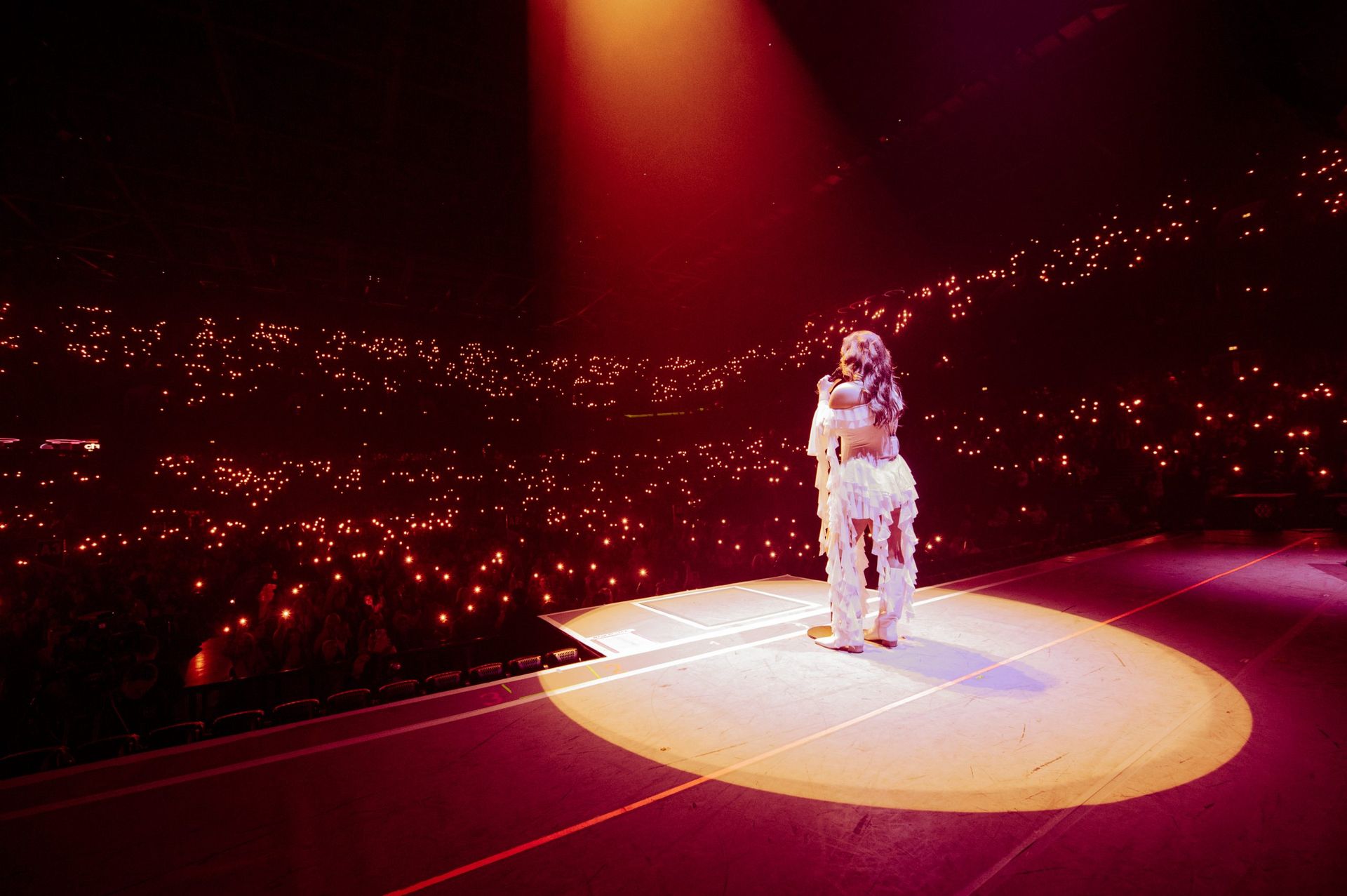
I love it. I love performing anywhere, but arenas are special. There’s so much space, I just run everywhere.
The best part is the interaction, when fans put their lights up or move with the music. It’s unreal seeing that many people connect with you.
If you weren’t doing music, what would you be doing?
I can’t imagine not having music. Even just listening to it.
I love painting. And career-wise, I’d probably go into psychology or criminology. My family has a history with trauma, so I’ve always been interested in understanding that.
What does the next year look like for you?
I want to make as much music as possible and create the best album I can. I want to keep exploring that mix of emotional and upbeat songs.
And I just want to tour. Travel, see new places, keep building everything.
What’s at the top of your bucket list?
A headline tour. I don’t care if it’s ten people. I just want that experience of people singing my songs back to me.
Which country has embraced THERA the most so far?
Probably the UK, because I’ve been there the most. But Germany and the Czech Republic have strong audiences too.
If you had to describe your fanbase in three words?
“Angels”, “vulnerable”, and “caring”.
“do you see?” is out now follow via @thetheraofficial
Interview Beril Naz Hassan