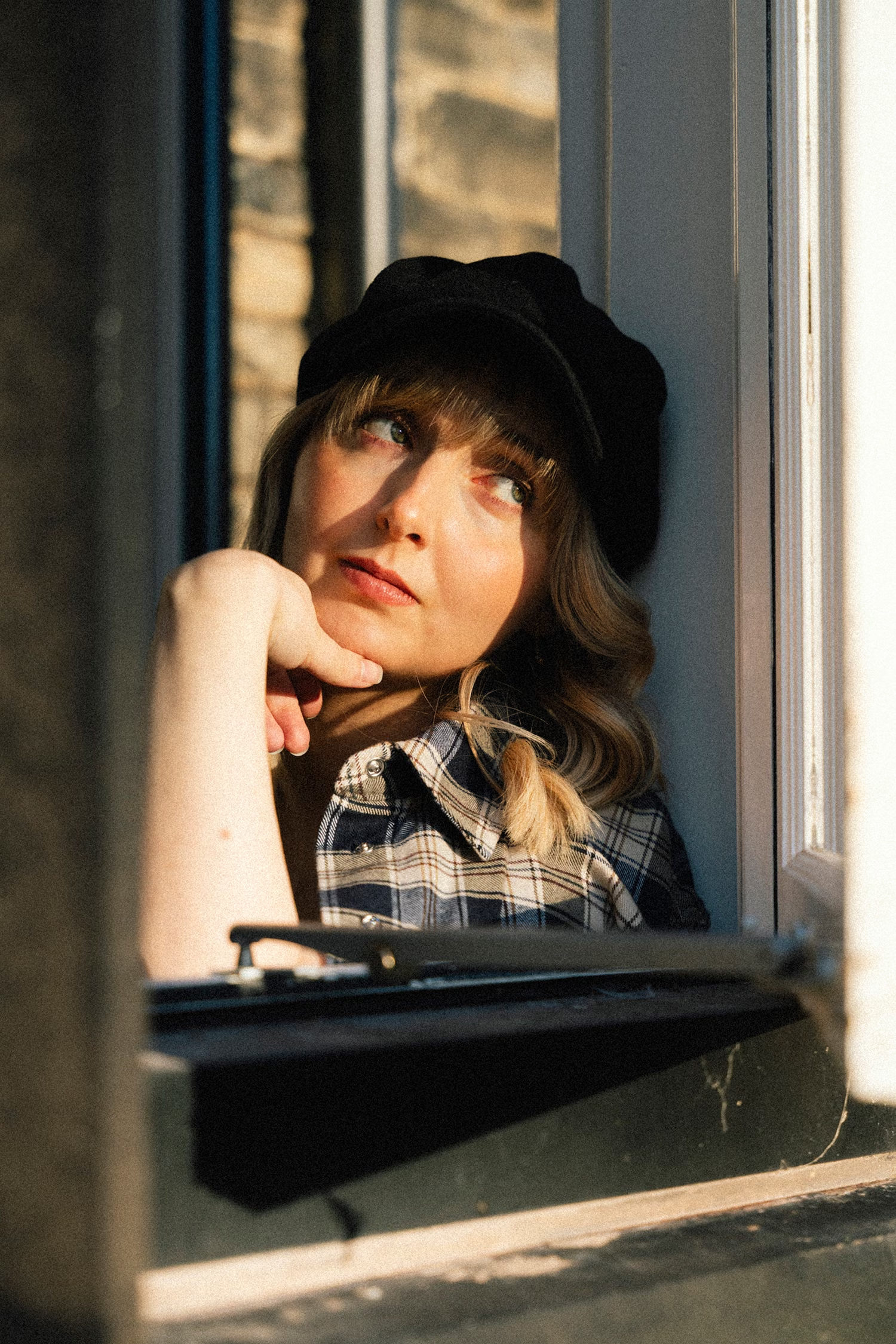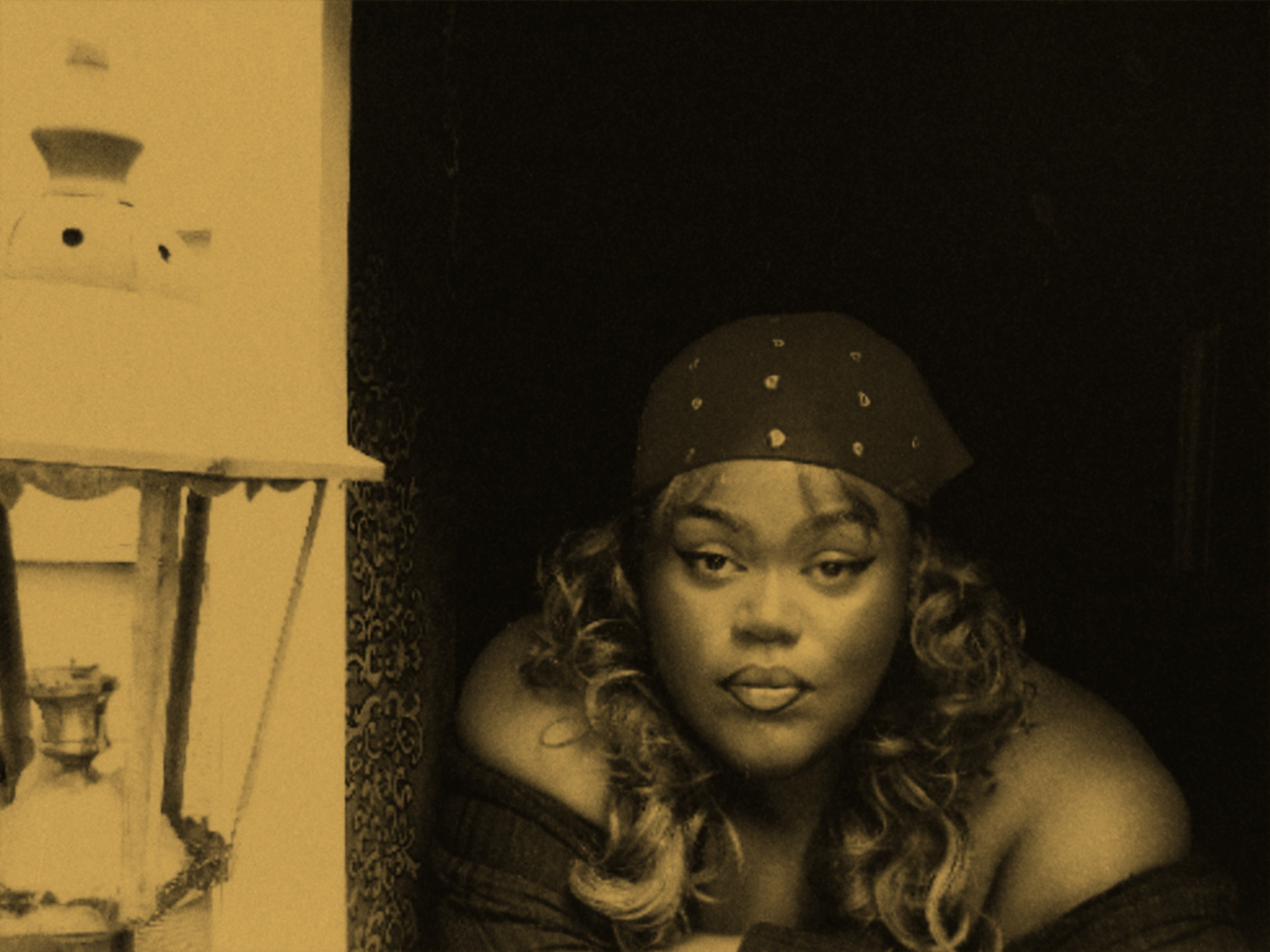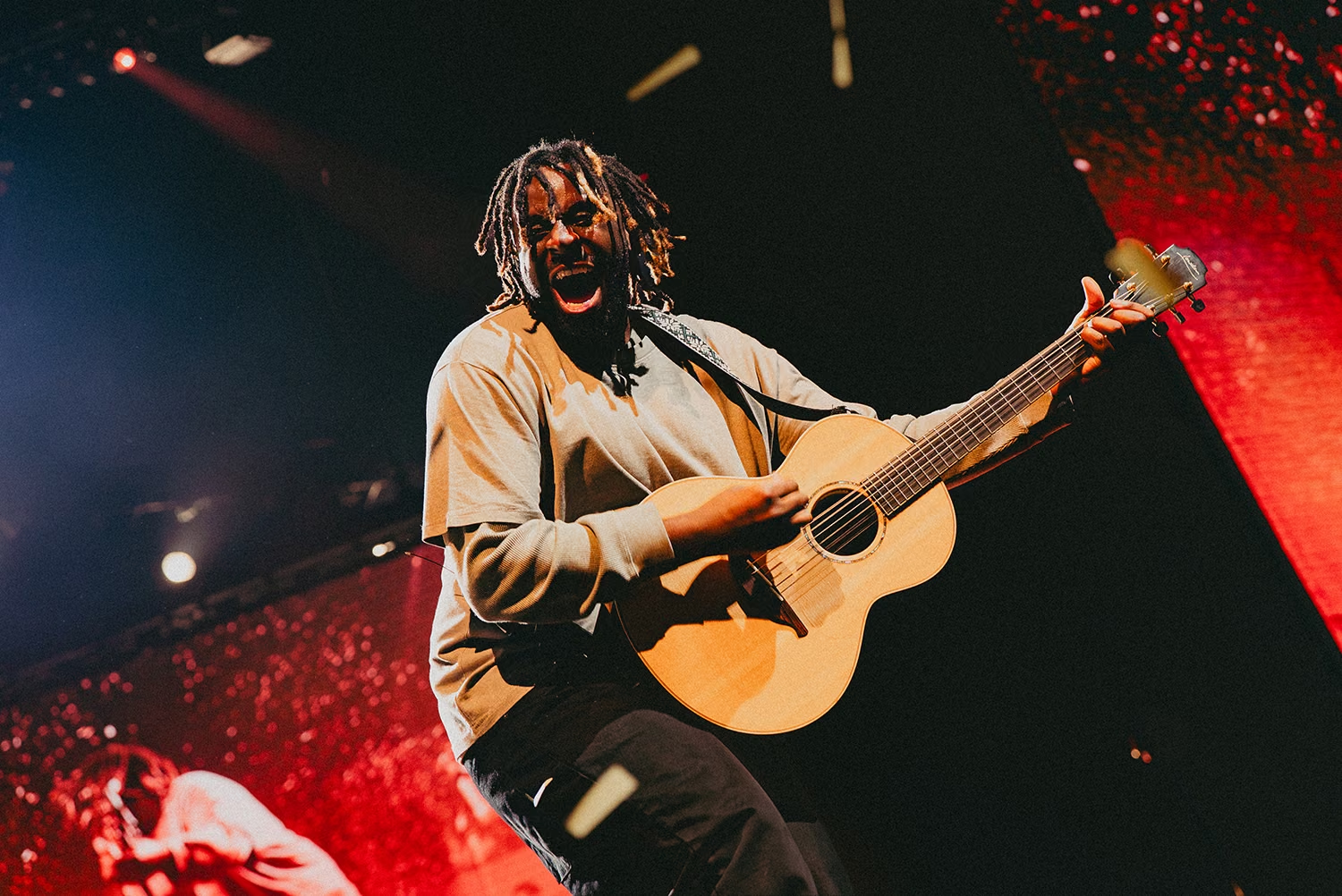
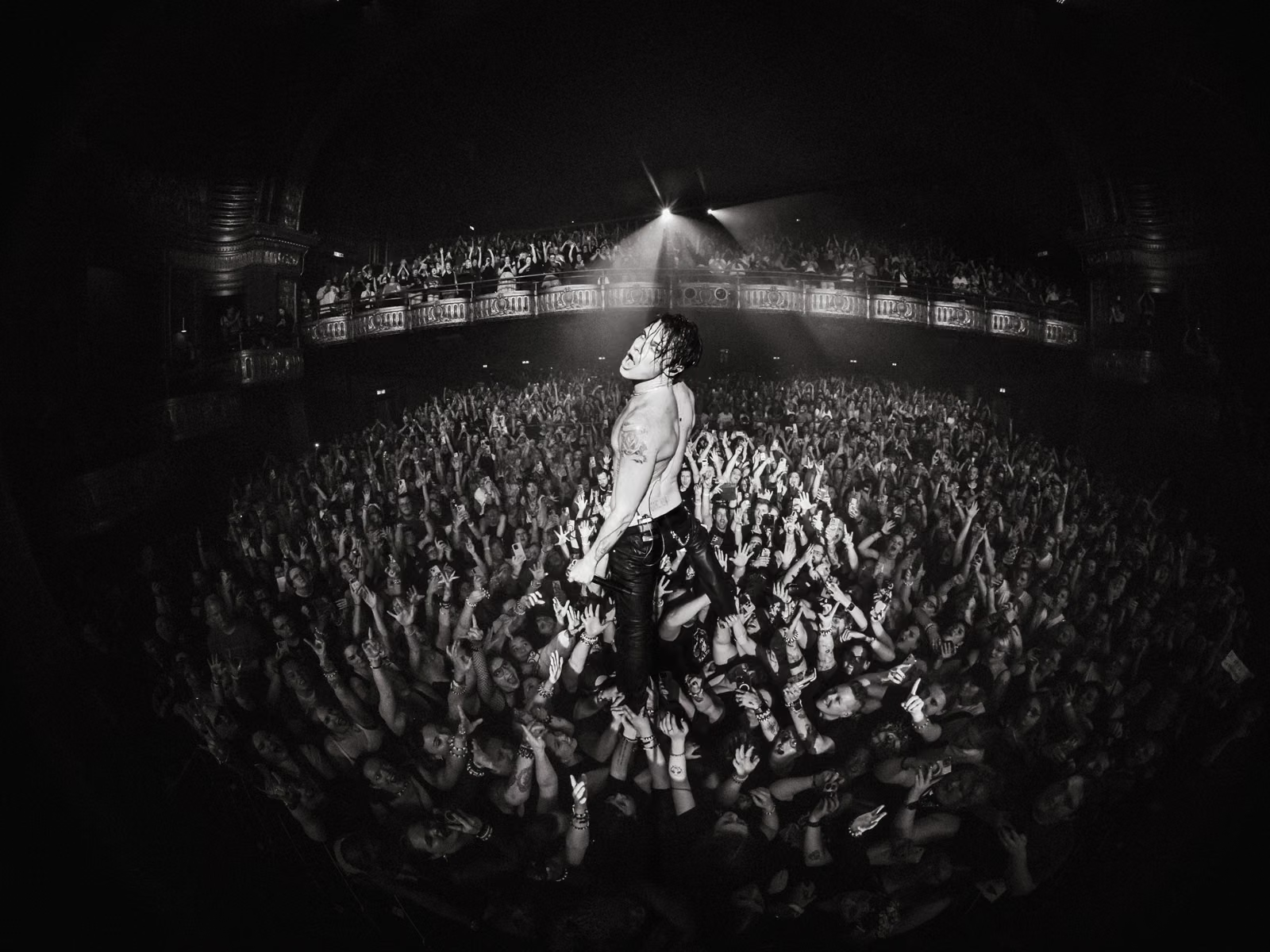
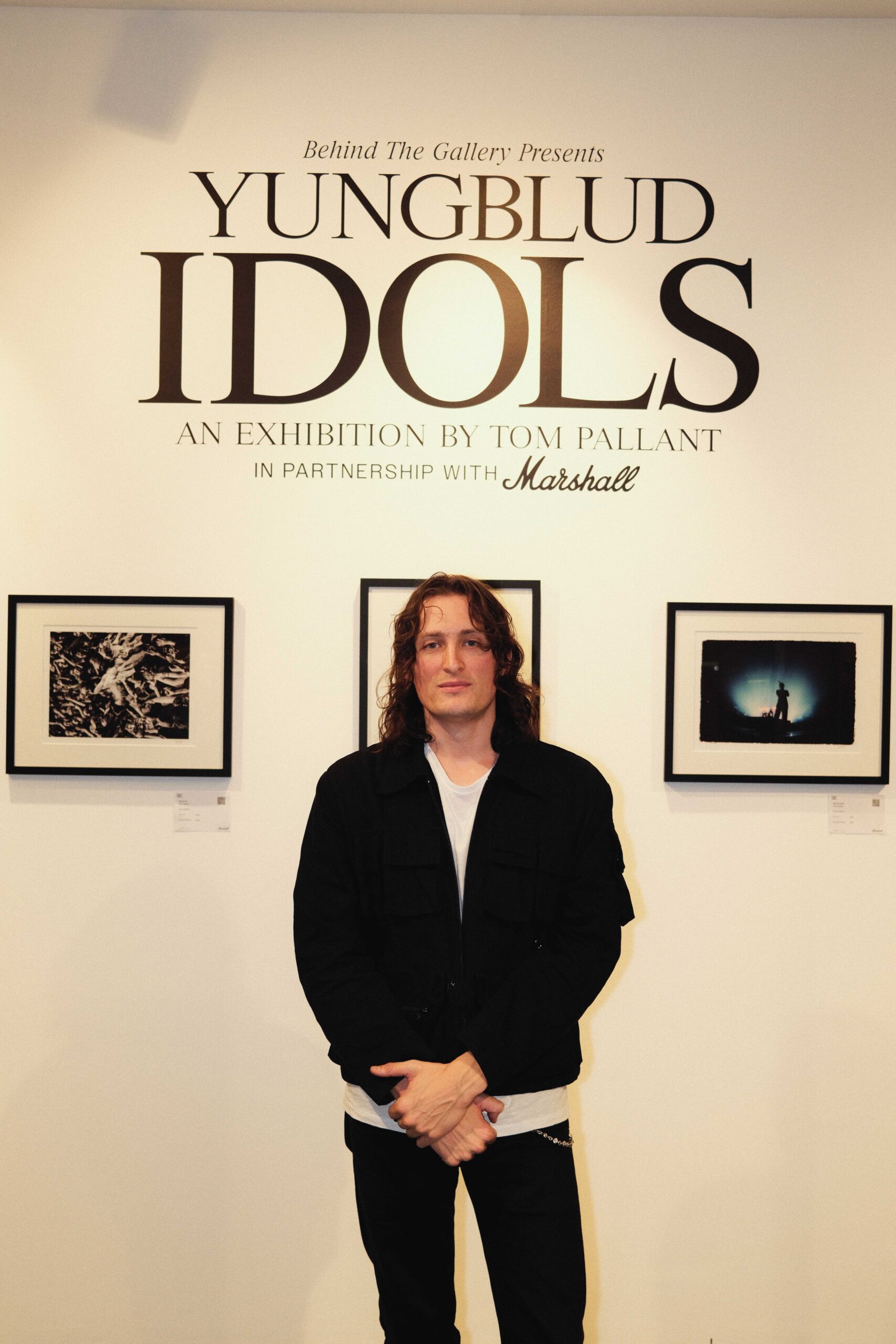
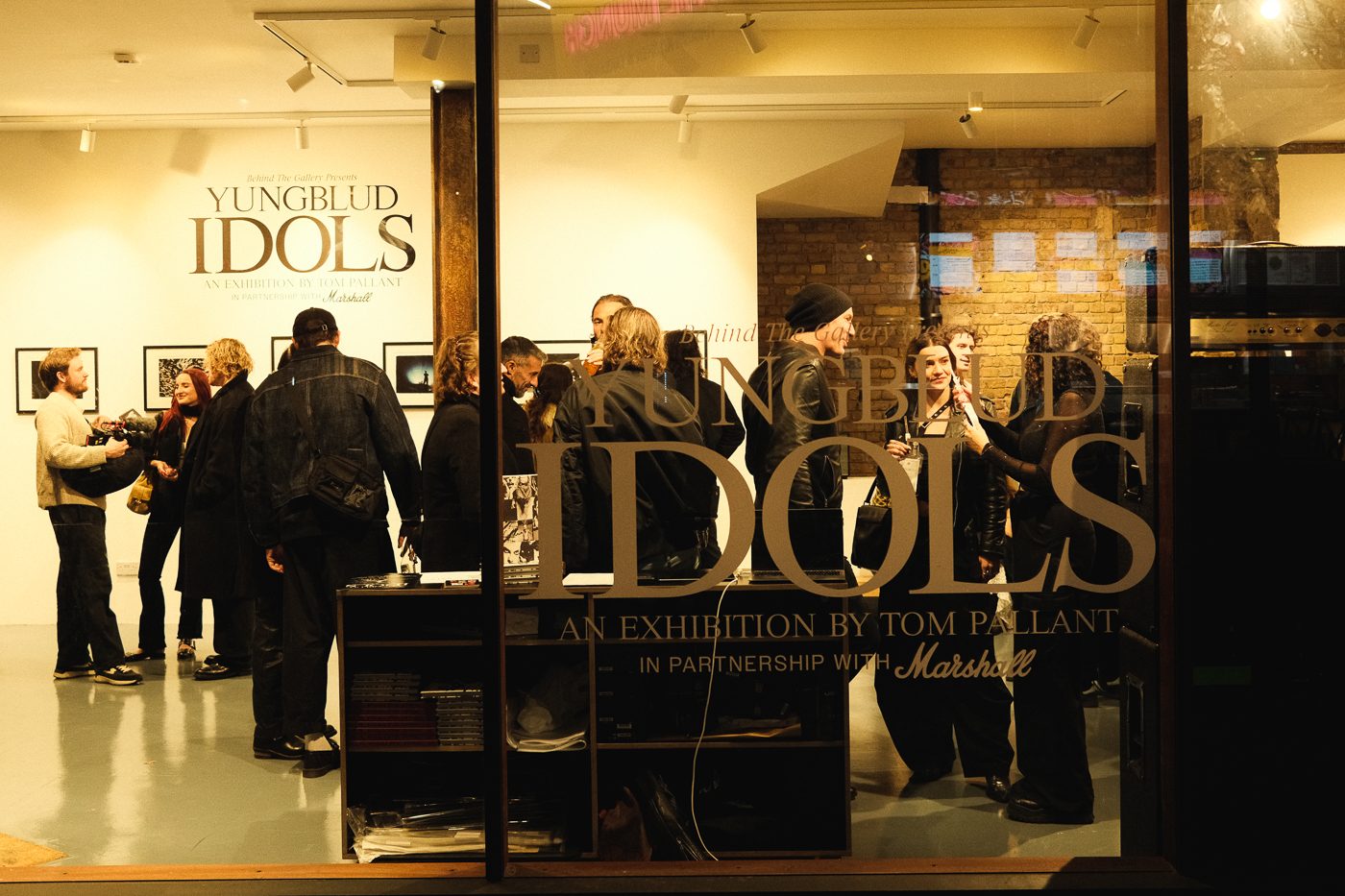
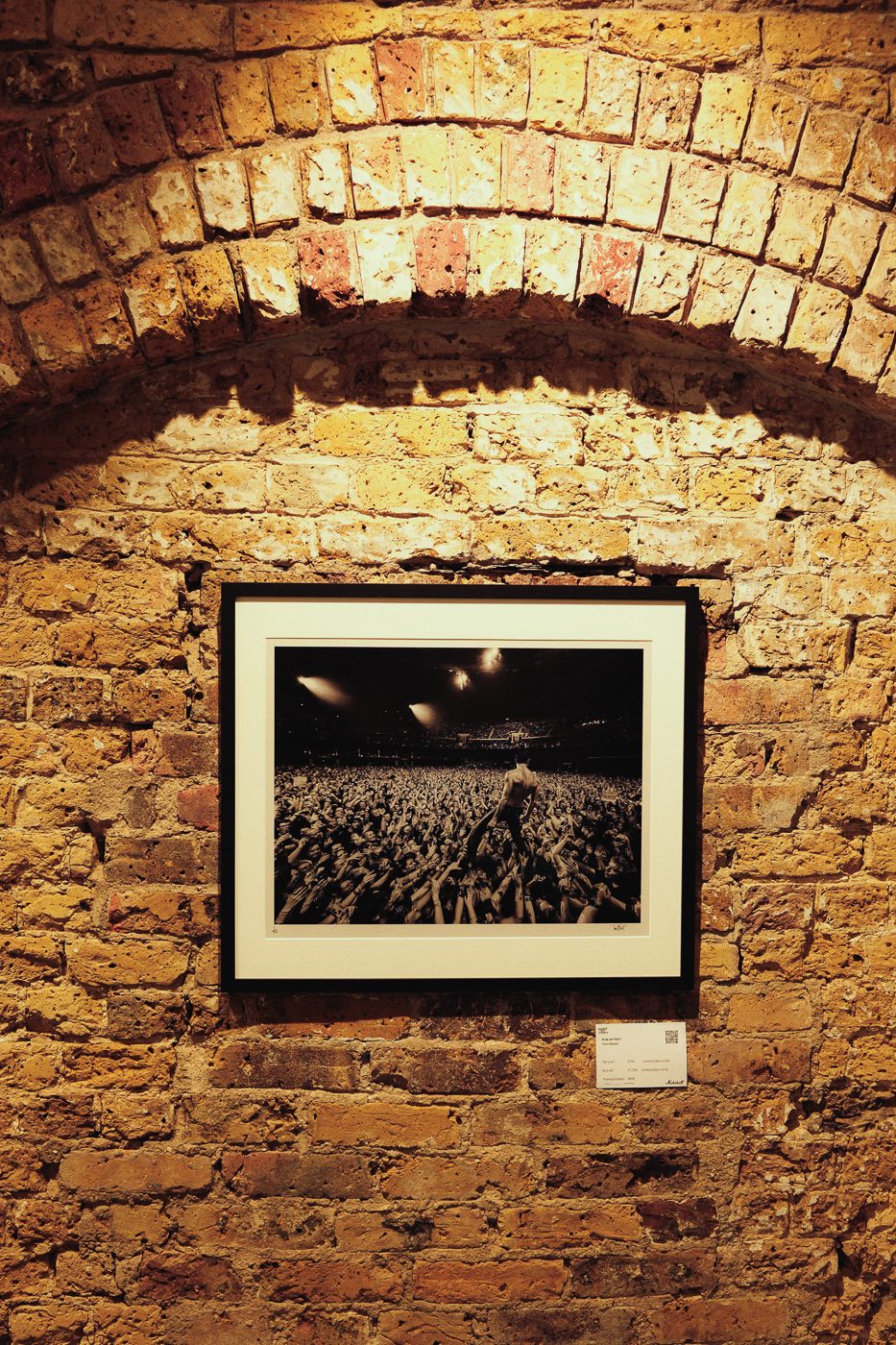
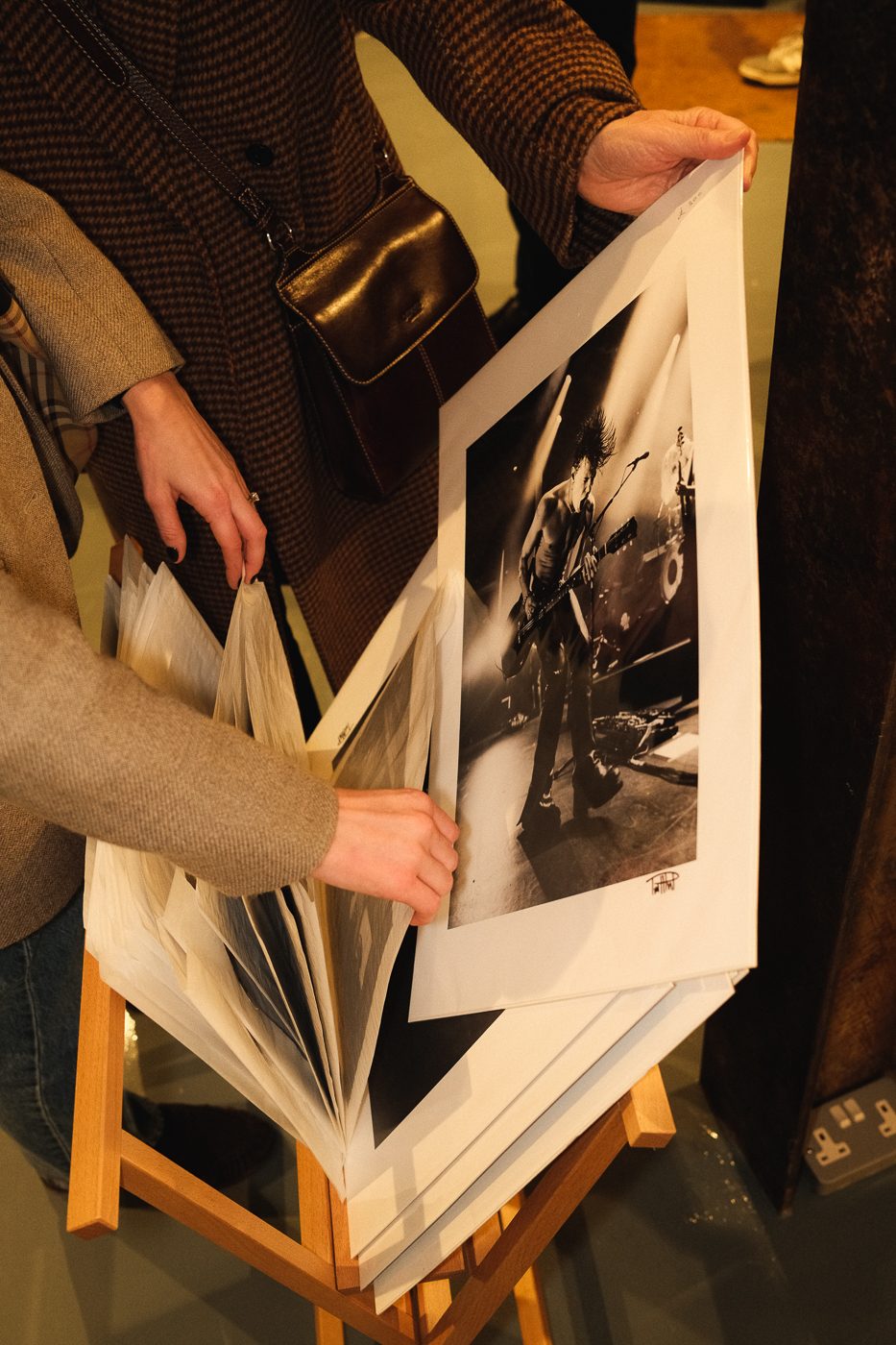
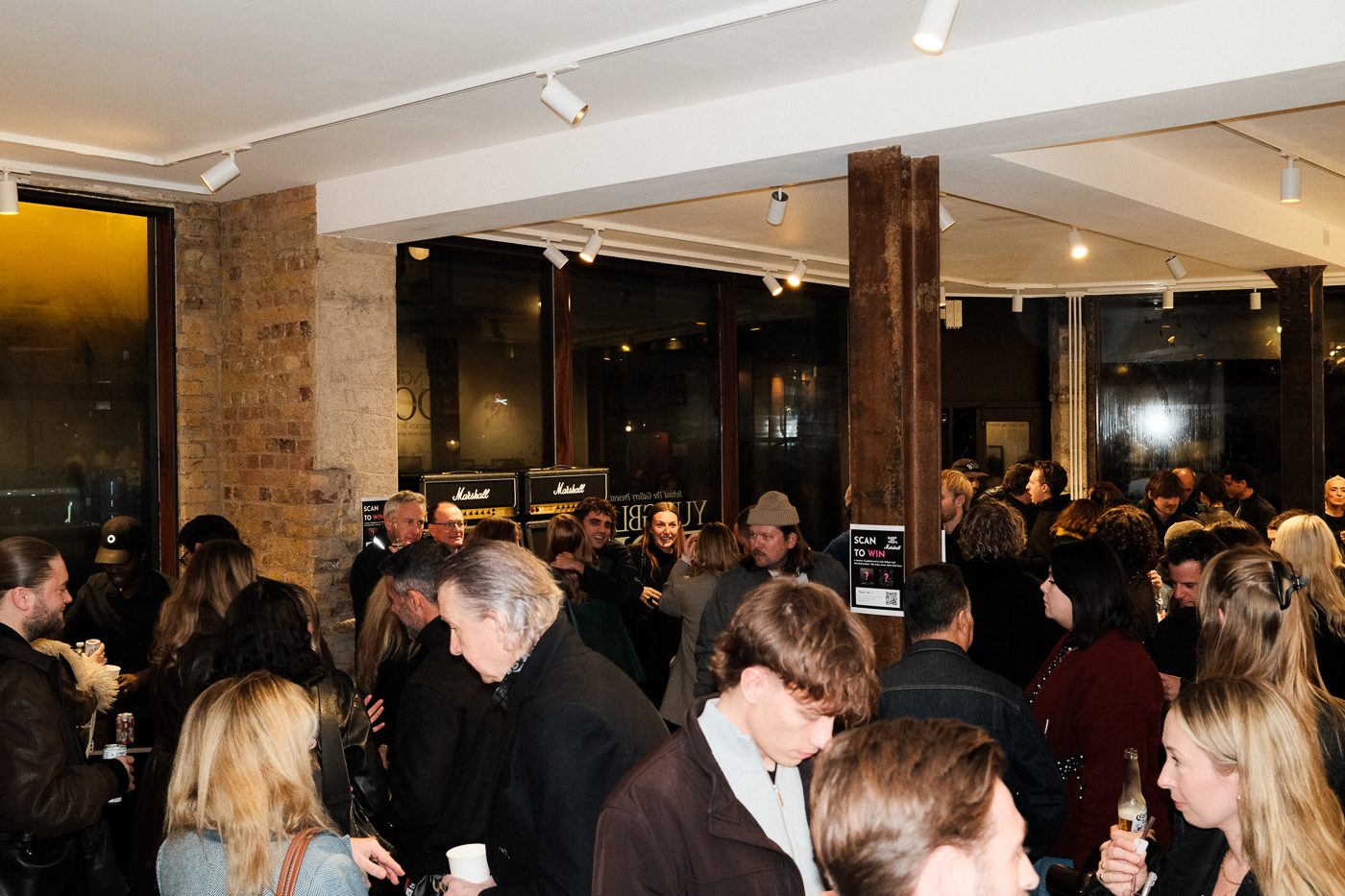
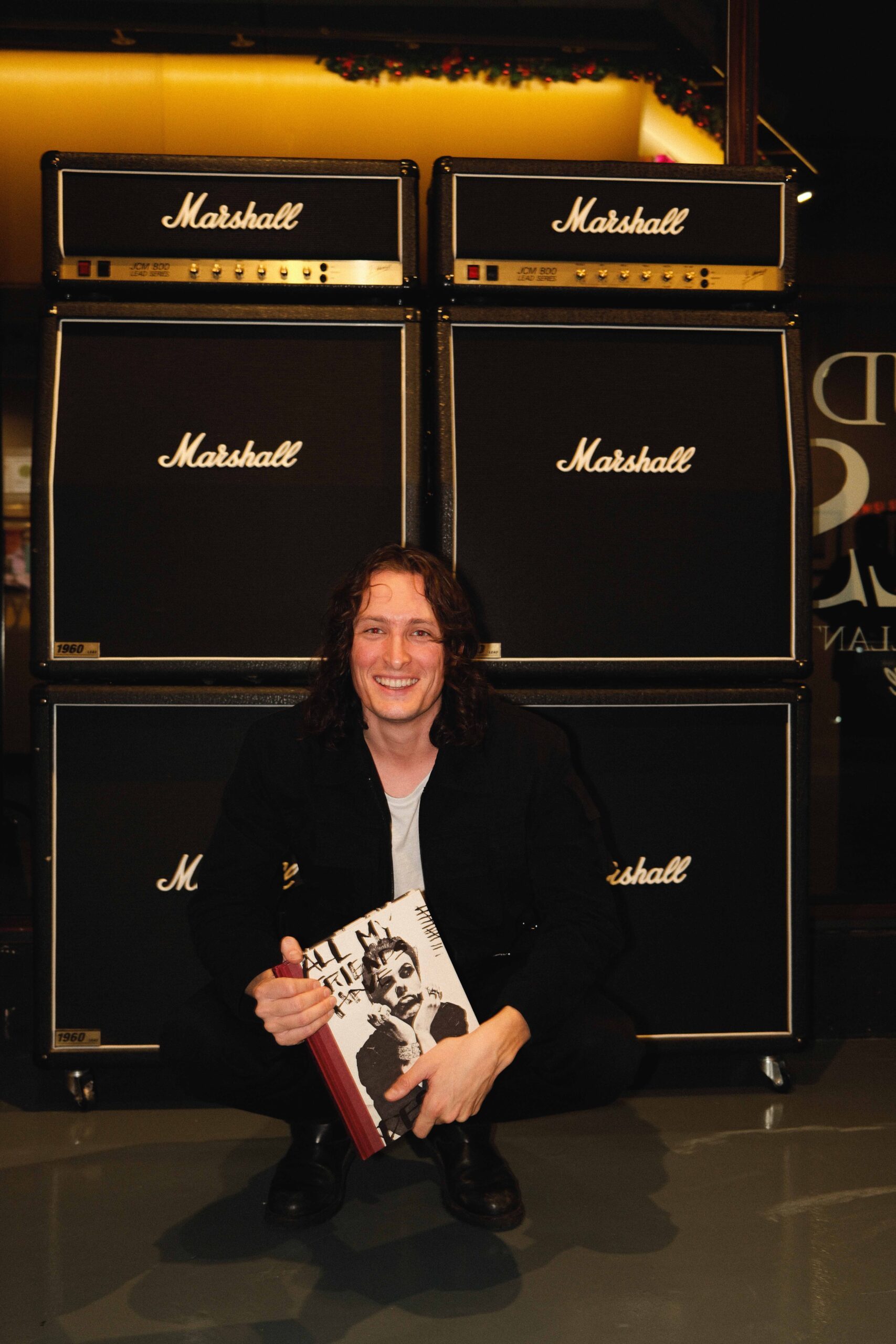
YUNGBLUD: IDOLS, a photography exhibition by Tom Pallant, took over the heart of London this past weekend. Presented by Behind The Gallery in partnership with Marshall, the exhibition brought together a collection of images documenting YUNGBLUD’s IDOLS era, from the recording and writing process to the live performances that followed.
As YUNGBLUD’s long-time photographer and creative director, Pallant has documented the artist’s journey through sold-out global tours, three Grammy nominations and four number-one albums. Through his lens, he has captured the many sides of the artist, offering an insight into the world behind the music. First meeting in 2019 while travelling to Dublin for Pallant’s first show with him, the photographer recalls: “I definitely knew he had something special; and then over the years we went on to create a few special things together.”
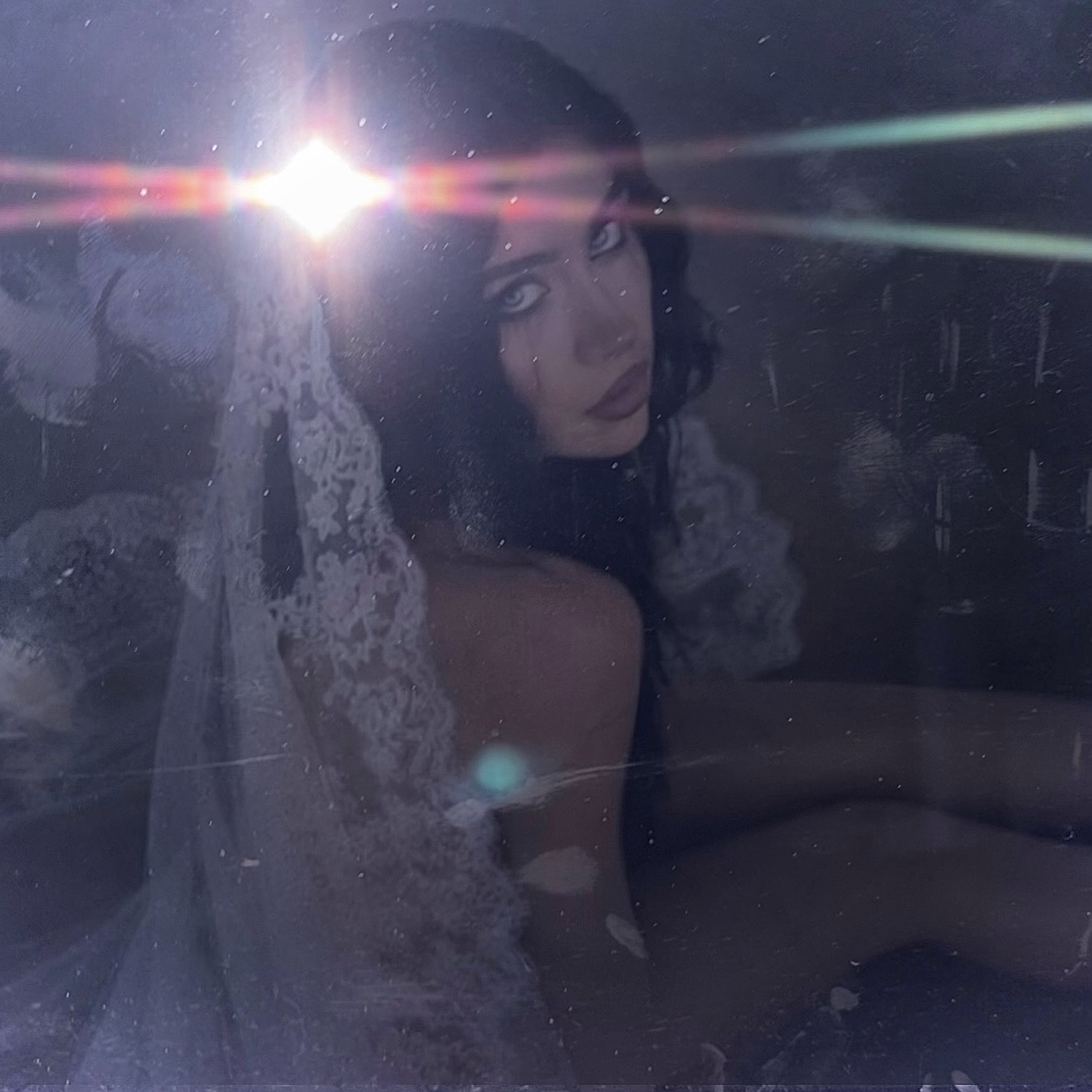
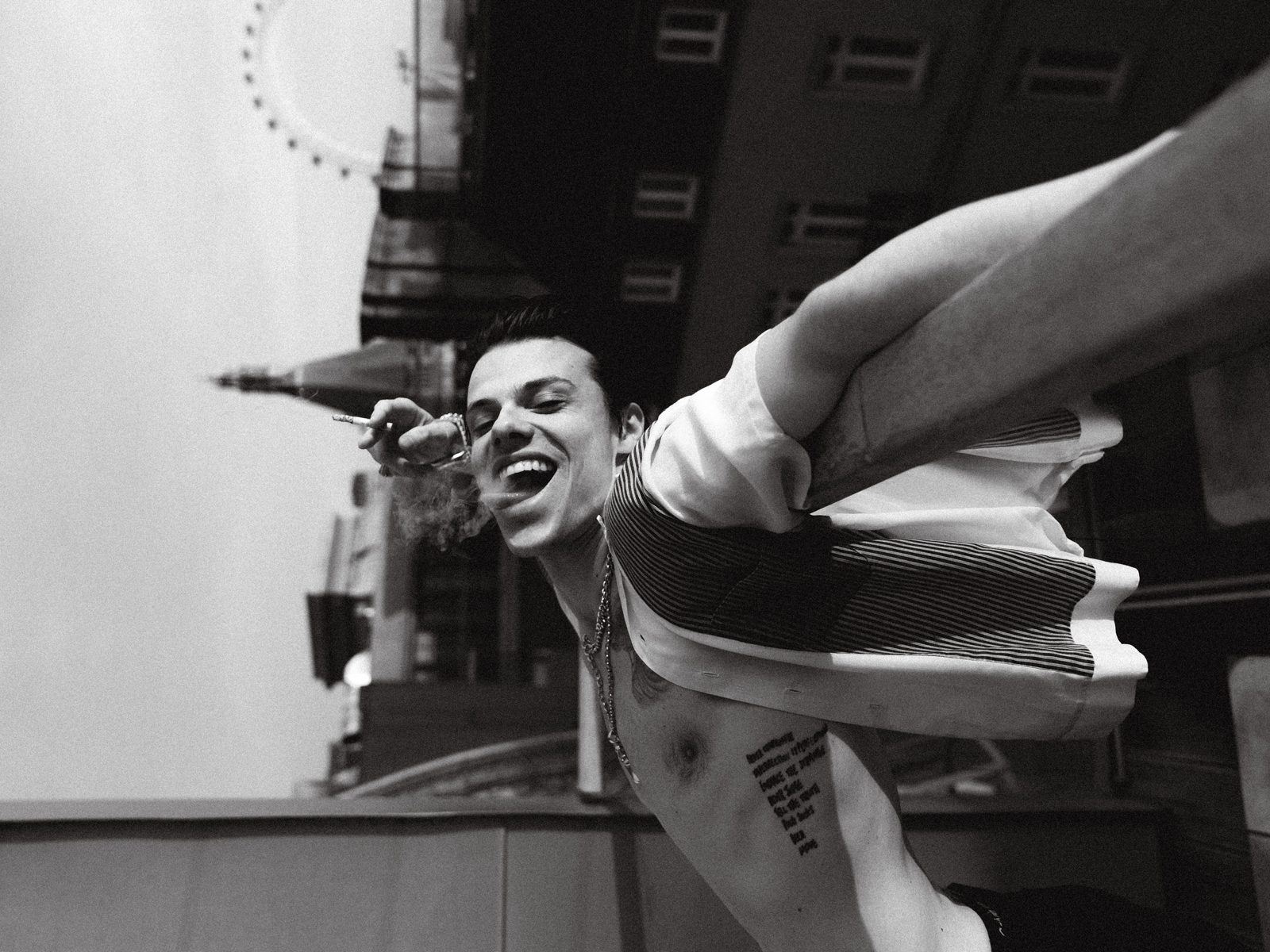
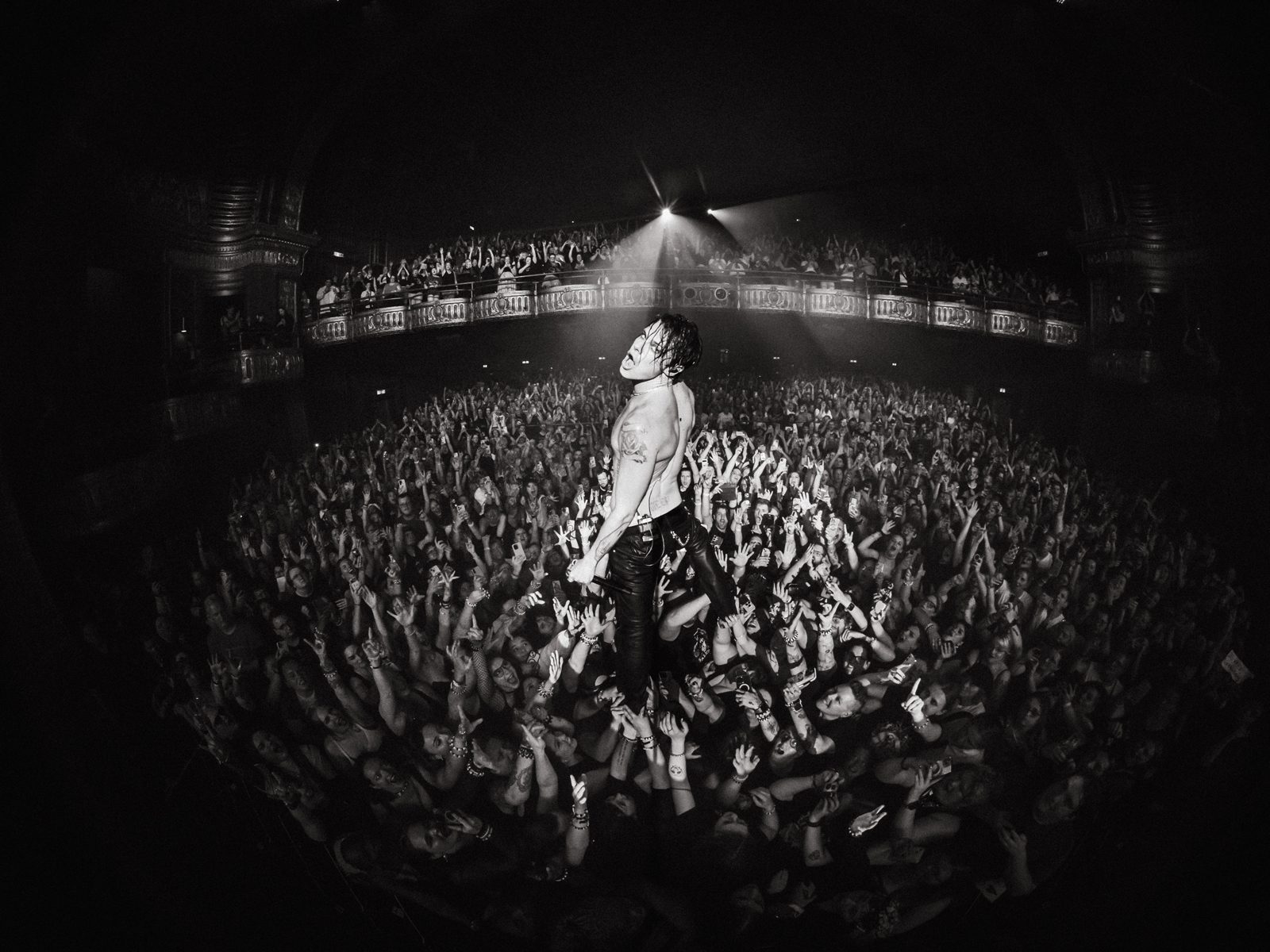
Years later, the predominantly black-and-white photographs have taken on a timeless quality, drawing inspiration from an era when colour photography in rock music was less prevalent. The collection moves between different sides of YUNGBLUD, from quieter moments, such as enjoying a cigarette on a London balcony, to the chaos and scale of his live performances. However, one image that particularly caught my attention was IDOLS I. At first glance, YUNGBLUD appears to be looking at his reflection, but a closer look reveals a different character staring back at him. Part of a seven-piece series created for the vinyl packaging, the image draws on mythology and fantasy to explore the artist’s darker side. It’s an example of Pallant’s creative eye, capturing real moments while incorporating layers of symbolism and storytelling.
In conversation with 1883, Pallant discusses translating YUNGBLUD’s vision over the years, the creative process behind the IDOLS imagery, his favourite photograph from the collection and the challenge of finding new moments to capture on tour.
You’ve worked closely with YUNGBLUD for several years, documenting some pretty significant moments in his career. When you’re photographing someone over such an extended period, how do you maintain your own creative perspective while also understanding and translating their vision?
There’s something I like to call the ‘money shot’, which I try to capture at least once in every show. Sometimes it’s more, sometimes it’s none, but I think there are certain aspects of the show that I haven’t fully captured, as it were. There are always elements that I don’t feel I’ve shot quite right, whether it’s the makeup of the venue, being in the wrong place, the lighting not being right, or his positioning not being where I expected it to be. I think there’s always something to strive for. I always try to find a way of nailing every part of the show. Sometimes the colour palette can also be difficult to shoot, and venues are always so different, especially when travelling across America, where there’s a wider variation in the geography of the venues. There’s always something to work on, and I think trying to find those special little moments, particularly over such a long run, is really important to me. It helps keep things fresh, even when it feels like you’re shooting the same thing over and over again.
Thinking about it, the shows might feel similar in format, but the audiences are obviously quite different. I’m curious about how you approach each one and find distinct moments or experiences within what are essentially back-to-back shows. How do you make each feel unique?
I think, to your point, the audience is different every time. Even from city to city and country to country, people are so different. The demographic of fans has also changed significantly since his earlier days, with a much wider range of ages and ethnicities. There are always interesting people coming to the shows, and the fans dress so sick, and I think they’re such a huge part of the experience and the show itself. There’s always something different to capture from that perspective, and I think that’s a really important element for him. He’s built such a strong culture and community around his music, and there’s always something special in how that continues to evolve and change every day.
One of the things that immediately stands out about this exhibition is the predominantly black-and-white photography. What drew you towards that particular aesthetic when documenting the IDOLS era, and what do you think it allows you to communicate that colour might not?
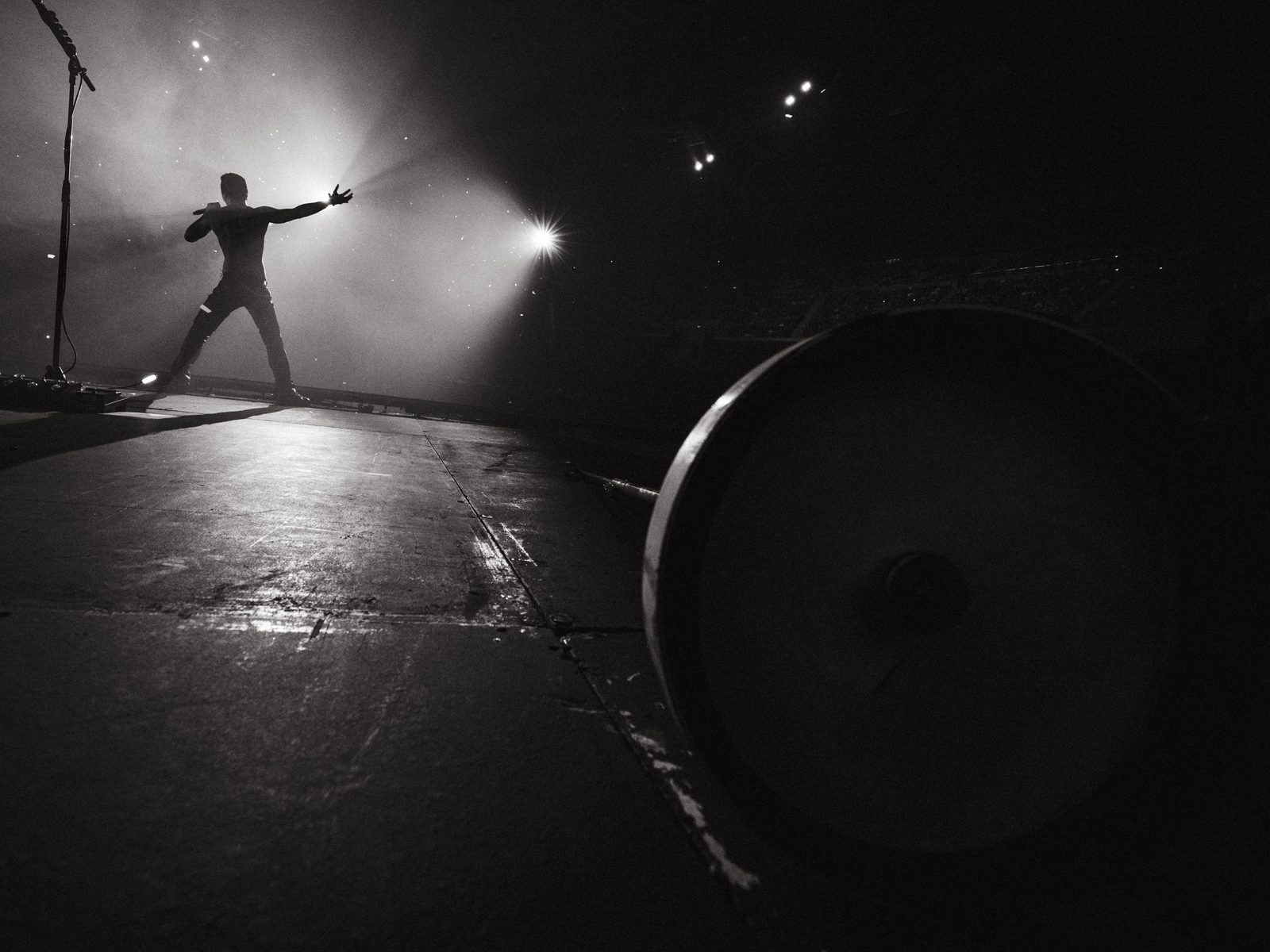
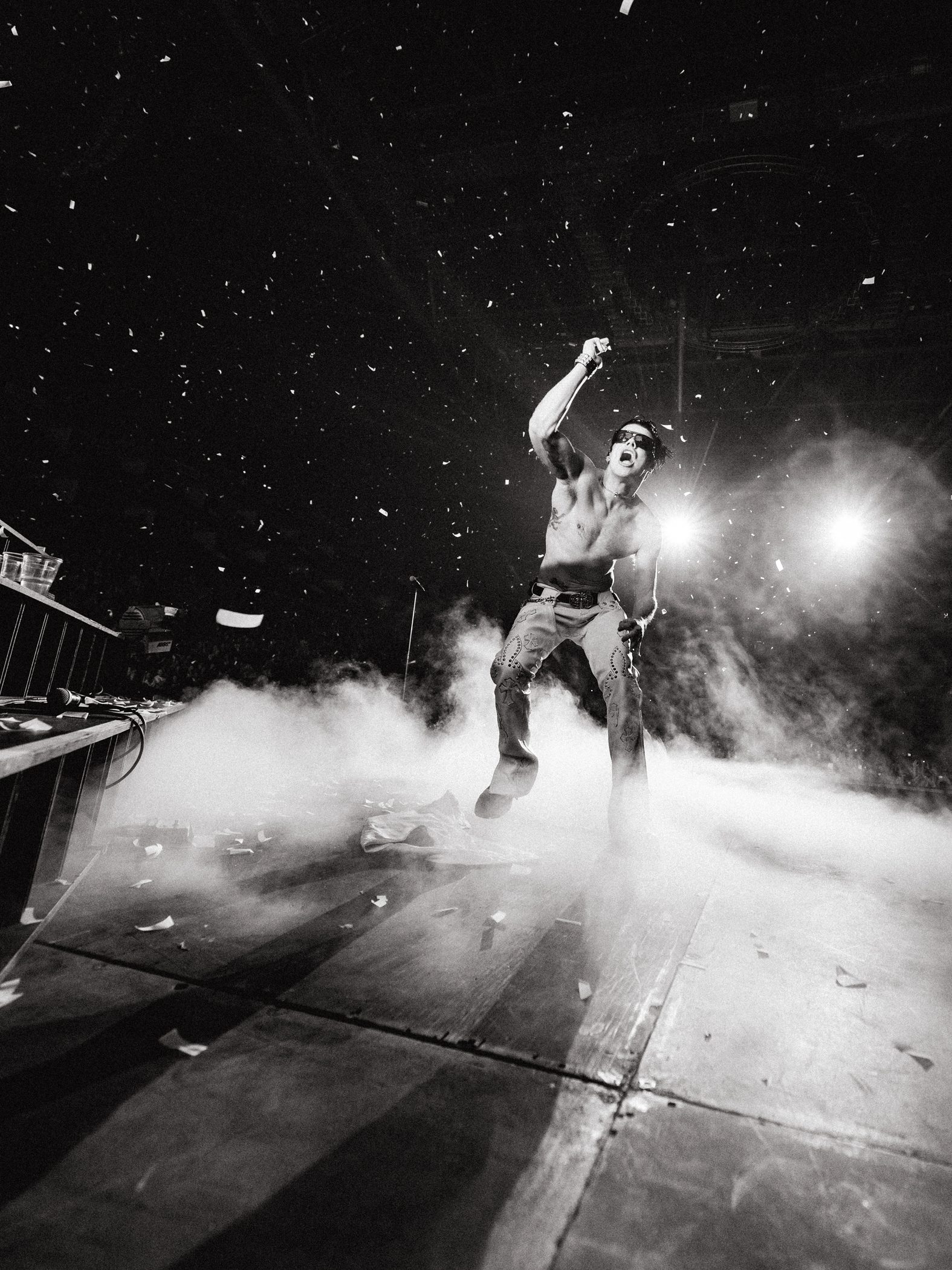
I think a lot of the imagery that inspired us from the outset came from an era when colour photography, particularly in rock music, was less prevalent. We always wanted this era to feel timeless, as though it could have been shot in 2025 or 2026, just as easily as it could have been shot in 1989. Much of the inspiration we drew from was in black and white. We also shot a lot of material on film, and the way I like to process the film stock gives the black and white imagery real punch and high contrast, which is harder to achieve in colour. It gradually became part of our workflow. It wasn’t necessarily the intention from the beginning to work exclusively in black and white. Colour has its place and purpose, and there are certain things we need it for. But we found a rhythm, particularly with the live shots, where we were mainly using black and white imagery. That’s also how he wanted his social channels to look. We settled into that visual direction, even though it wasn’t originally intended for everything to be entirely black and white. It really started to resonate with people.
There’s one photograph that you took called IDOLS I, and I really wanted to know, what was the story behind that image?
This was part of a seven-piece series we created for the vinyl packaging. Dom wanted to create seven different scenarios, drawing on various influences, including mythology and references from the 1960s and 1970s. The character in the mirror was intended to represent Dom’s darker side. It’s about looking at himself in the mirror and seeing this other character, almost as though it’s drawing him into another, more otherworldly dimension. There are a couple of other pieces in the series where he’s standing in front of suspended wings. Some of the imagery draws on fantasy, while other elements are more grounded in reality. Together, they offer glimpses into some of the inspirations behind the meaning of IDOLS as a whole.
Looking around the exhibition, some photographs capture different sides of Dom, from the intensity of performing to the quieter, more vulnerable moments. Is there one particular image in this collection that holds a special significance for you, and what makes it stand out?
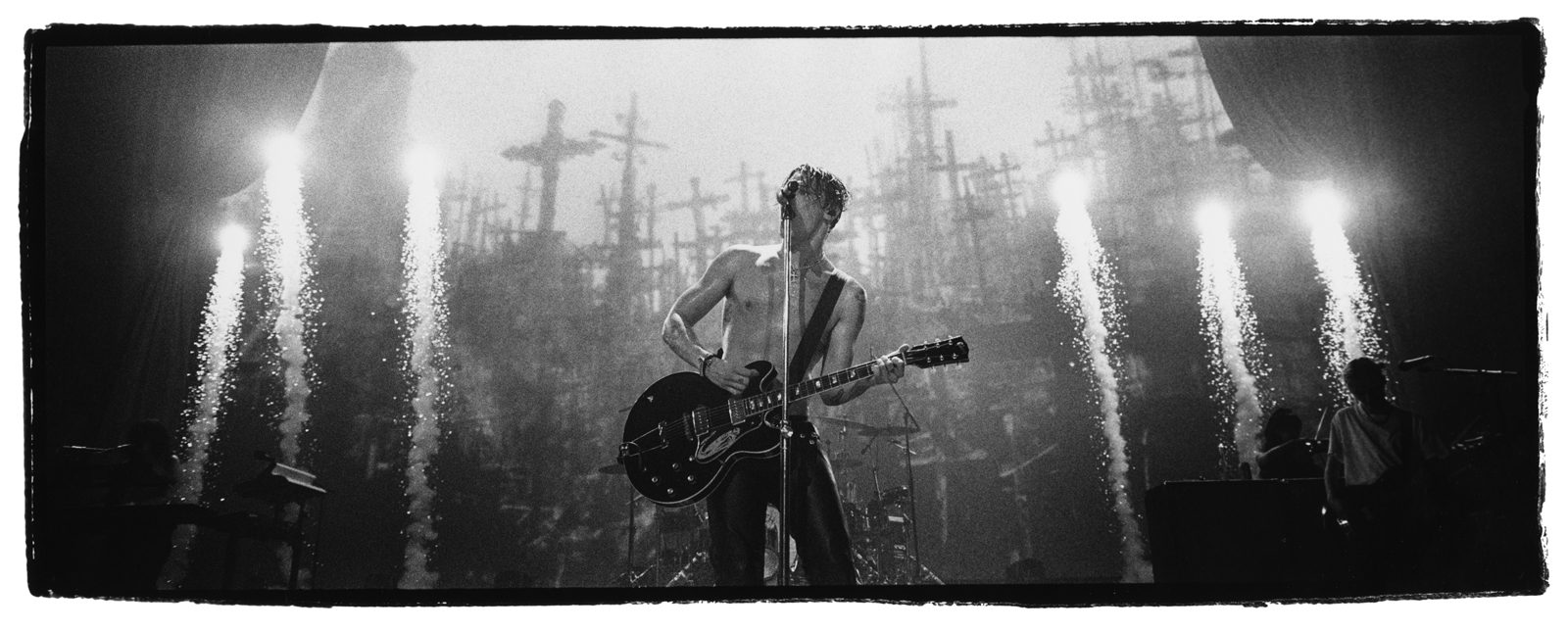
There are a couple. One of the new additions is a photograph that hasn’t been seen before. It’s a super-wide, narrow-format image called ZOMBIE, taken during a live show, with fireworks going off in the background. It was captured over the summer while we were in America. I’d just bought a new camera from a friend that shoots in a slightly different format from the usual, and I got the film roll back. Dom really loved the format, so I had the photograph printed for him as a birthday present this year. It’s now up in his house, and he was really pleased with it. That one holds a special sentiment for both of us.
You’ve documented YUNGBLUD through a significant period in his career, and this exhibition brings together images from across that journey. Now that the IDOLS chapter is coming to a close, how do you look back on this body of work, and has it changed the way you approach photographing artists?
I think I’ve definitely learned a lot throughout this whole process. It’s developed the relationship between Dom and me, and how we shoot and create together. There’s a lot of trust that’s been built over the seven and a half years we’ve worked together, but especially on this campaign. I feel like we’d reached a point where we’d really met creatively, and I was ready to shoot him how he wanted to be shot for this era. I think patience has been a huge part of it as well. With the artwork for this record, we took a different approach. We set up four shoots: one at his house, a couple in studios and another somewhere else. We just started shooting without any particular intention, really, doing it for the love of it and hoping the artwork would eventually reveal itself to us. In the end, it did.
That was different from having one day to shoot specific artwork, knowing exactly what we needed for press, packaging and everything else. I don’t think that’s always the best approach. Of course, sometimes it has to be that way, and it works for a lot of people, but we wanted to try something different because we had more control over the process this time. I think shooting without a set intention at the beginning helped a lot of different ideas develop. Eventually, the direction revealed itself, and that’s where we landed, rather than sitting down and planning everything out in detail beforehand, which we’d done in the past. We just wanted to approach it differently.
Taking photographs is no easy feat and takes a lot of work and precision to really see the moment. Were there ever moments in the beginning or towards the end, when you wanted to put the camera down and take the moment in?
Totally. There are definitely moments where I’ve had to take stuff in a little bit. I think it’s really important. I’m also quite driven and understand what I need to do to get my job done. That’s why most of the time, I’ll always have a camera on me, at the very least. There has to come a point where you’ve got to sit down and edit; otherwise, none of the work actually gets done. When we played Red Rocks in the summer in Colorado, which is a bucket list venue for anyone, really – I don’t think there’s anyone that doesn’t really want to either go, or visit, or see a show, or play there, or work there, or whatever. So there are moments like that where you have to be like, okay, wow, this is actually really cool. But then, normally, I do get back to doing my job.
For more info on the collection and to purchase prints visit www.behindthegallery.com.au
Follow Tom via @tmpllnt
Interview Nancy Anekwe
Private View Photography Nicholas Donnell