
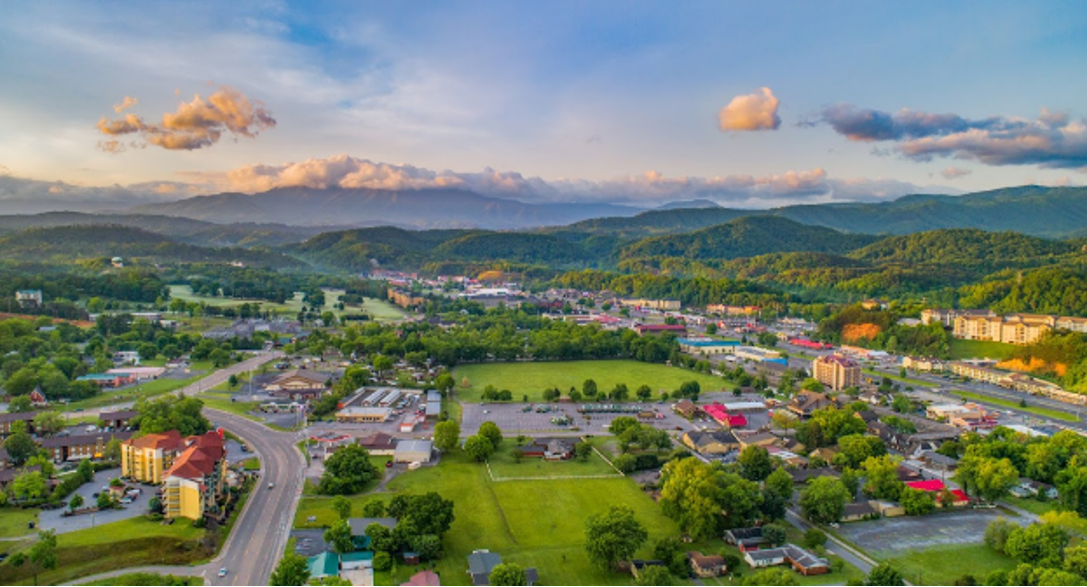
Have you ever gone on a trip, checked off all the must-do spots, but still felt like something was missing? The photos looked great, the schedule ran on time, but somehow, it didn’t feel as fun as it should have. It happens. Pigeon Forge has the views, the attractions, the shows—but enjoying a place fully often comes down to how you travel, not just where. In this blog, we will share the travel habits that actually make trips more fun.
Build Room for the Unexpected
The most underrated part of a great trip is space—open time, not filled with lists or reservations. Travelers often pack their schedules full, thinking more activity equals more fun. In reality, that overload crowds out the good stuff: the detours, the surprise conversations, the slow meals that stretch longer than expected. Travel works better when you stop trying to control every part of it.
Creating space in your itinerary doesn’t mean being lazy or vague. It just means leaving room to follow a mood or a moment. Say you finish something early or hear about a hidden spot from a local. If your entire day is back-to-back bookings, there’s no room to follow the fun when it shows up unannounced.
You can keep your structure—just don’t overdo it. Anchor your day with one or two key plans, then leave the rest open. The flexibility helps, and the freedom to pivot mid-trip often leads to the stories people actually remember.
Plan Experiences That Actually Engage You
Travel gets more fun when it connects. Watching something happen, not just seeing it. Laughing with people, not just walking past them. One way to lock in that kind of engagement is to look for immersive experiences—especially the ones with character.
There are can’t-miss shows in Pigeon Forge TN that know how to pull people in, not just entertain from a distance. One minute, you’re clapping along with live music, and the next, you’re caught up in the antics of the longest-running family feud in history. The Hatfield & McCoy Dinner Feud pulls you straight into the chaos. It’s not just a performance—it’s a brawl full of singing, dancing, slapstick stunts, and straight-shot comedy that hits whether you’re eight or eighty. Whether you’re coming from city streets or small towns, the fun lands the same way.
That blend of energy, performance, and interaction makes a difference. It breaks routine. You’re not passively observing—you’re in it. And those are the kinds of moments that stay sharp long after the trip fades.
Pack Like You’ve Done This Before
People joke about overpacking, but it’s not funny when it ruins your day. Being overdressed, underdressed, or walking five miles in shoes that looked better than they felt—these things eat away at the trip’s energy. You don’t need to bring everything. You need to bring smart.
Packing for fun means choosing items that serve multiple purposes and keep you comfortable in motion. Versatile layers, shoes that hold up across terrains, and at least one outfit you feel confident in, even if you’re just grabbing coffee. Packing also means anticipating small stressors: weather shifts, lost chargers, surprise sunburns. None of it is dramatic, but each fix avoids a spiral.
You don’t need to be the hyper-prepared traveler with a separate bag for every occasion. You just need to be the one who doesn’t lose a day because they forgot something obvious. Travel fun increases when logistics don’t trip you up.
Use Your Phone Better—or Not At All
The phone can help or hurt. It’s your navigator, translator, planner, and emergency contact system. But it’s also a black hole for attention. You look up from a “quick scroll” and an hour’s gone. Meanwhile, the view, the food, the moment—it all kept moving.
To make trips more fun, travel with some digital boundaries. Use your phone to support the experience, not replace it. Look up where to go next, but then put it away. Take the photo, then enjoy the scene without checking how it came out five times. Track your route if you need to—but stop watching the dot move more than the scenery.
You don’t need a full digital detox. You just need balance. Moments hit harder when you’re not watching them through a screen.
Eat Like You Mean It
Fast food has its place. But if every meal on your trip is rushed, cold, or eaten out of a bag, you’re missing a huge part of the experience. Food is one of the easiest ways to connect with a place, slow down, and feel rooted—if you let it be more than just fuel.
Pick one meal a day to sit with. Not just physically, but mentally. Order something you wouldn’t normally try. Share plates if you’re traveling with others. Ask questions about the menu. Linger. It doesn’t have to be fancy. It just has to be intentional.
You’ll remember meals that gave you time to breathe. You’ll forget the ones that got inhaled between checkpoints.
Take Fewer Photos, But Take Better Ones
You don’t need 500 photos of the same mountain range from slightly different angles. Or ten versions of the same meal. Or videos you’ll never rewatch. What you do need is a few images that really bring you back—ones that have emotion, motion, and memory in them.
Take the photo after you’ve actually looked at what you’re photographing. Let yourself experience it first. That way, when you do snap the picture, it holds something more than pixels.
Trips feel more fun when you’re not stuck trying to document them like a court reporter. Capture moments, not proof.
Treat Rest Like Part of the Plan
People burn themselves out on vacation all the time. They go hard every day, thinking rest equals wasted time. Then they come home more tired than when they left. That’s not fun. That’s a checklist.
Build rest into the schedule on purpose. Let yourself sleep in once. Don’t panic if you miss one thing. Hang back one afternoon just because your legs asked you to. Travel is a break—let it feel like one.
Fun lives in energy. And energy comes back faster when you stop draining it on principle.
Trips don’t become more fun because you added more stuff. They become more fun because you left space for connection, for surprises, for actual feeling. The habits that create that space are simple. What matters is doing them on purpose.



