Starting over is never easy. Whether it’s rebuilding a career, reinventing yourself after failure, or adapting to unexpected change, the process often feels daunting. But if there’s one story that proves transformation is possible, it’s the story of the dinosaurs.
For over 160 million years, these creatures dominated the planet. From the swift Velociraptor to the biggest carnivorous dinosaur, Spinosaurus aegyptiacus, they thrived in environments far more volatile than our own. When their age ended, it didn’t mean life was over—it simply changed form.
Today, that same story of extinction and renewal offers valuable lessons on how to let go, adapt, and evolve when the world around us shifts dramatically.
When Comfort Becomes Risk
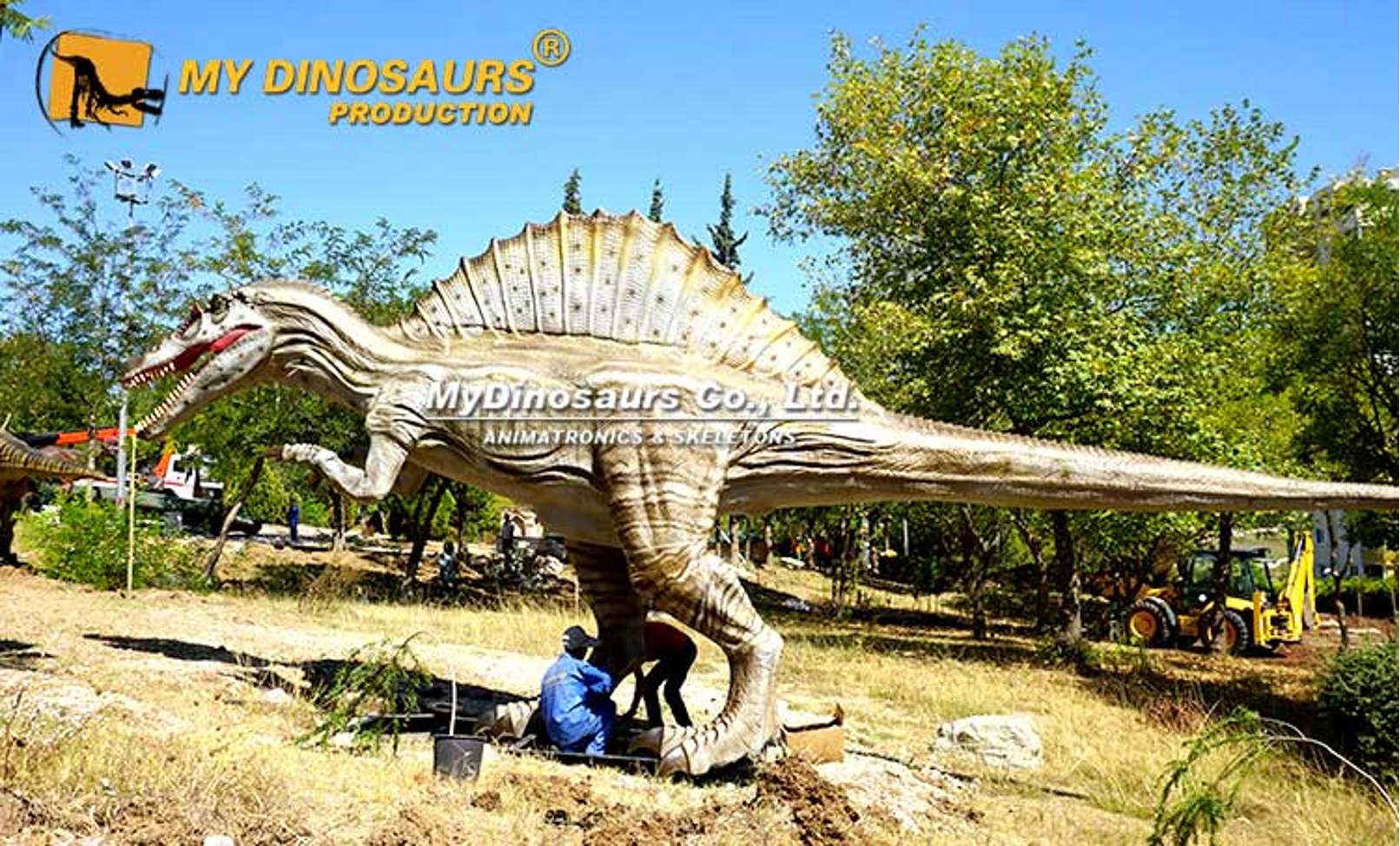
Dinosaurs once ruled every corner of Earth. Their reign stretched across continents and climates, from lush tropical forests to vast deserts. The biggest carnivorous dinosaur, towering over 50 feet long, hunted in ancient swamps, while smaller species scurried beneath its shadow.
This dominance, however, masked a quiet danger — the illusion of permanence. When a species, a business, or a person becomes too comfortable, they risk missing the subtle signs of change.
Key takeaway: Comfort breeds complacency. The moment we stop adapting to new conditions, we begin to lose relevance.
Just as dinosaurs thrived by adjusting to shifting climates and food sources, humans, too, must remain open to evolution. Success today doesn’t guarantee survival tomorrow.
When Everything Changes Overnight
Around 66 million years ago, an asteroid struck Earth with the force of billions of atomic bombs. Forests ignited. Oceans acidified. The skies darkened for years. Within a geological blink, three-quarters of all life vanished — including most dinosaurs.
The biggest carnivorous dinosaur, despite its strength, couldn’t withstand a world where sunlight vanished and ecosystems collapsed. The planet transformed faster than these magnificent creatures could adapt.
Lessons in Sudden Change
- Control is an illusion. No matter how powerful we are, the world can shift in ways beyond our influence.
- Adaptation outlasts dominance. Being strong is less important than being flexible.
- Endings are beginnings in disguise. Every collapse clears the ground for something new to grow.
Change, no matter how painful, often serves as the necessary catalyst for renewal. The asteroid was catastrophic, but it also made room for mammals—and eventually, humans—to rise.
Tip: When facing unexpected change, stop asking “Why me?” and start asking “What next?” It shifts the focus from loss to opportunity.
The Rise of Birds
Despite the destruction, not all dinosaurs perished. Some survived by changing — shrinking in size, developing feathers, and eventually taking flight. Birds are their living descendants, proof that reinvention is evolution’s greatest survival strategy.
While the biggest carnivorous dinosaur couldn’t adapt quickly enough, its smaller relatives did. This evolution reminds us that survival isn’t about being the most powerful — it’s about being the most adaptable.
What We Can Learn
- Be small, be agile. Flexibility allows faster reactions to change.
- Innovate continuously. Don’t wait for crisis to evolve — experiment before you must.
- Embrace transformation. Reinvention is uncomfortable, but essential for growth.
For example, businesses that embraced remote work early thrived during global lockdowns, while those resistant to change struggled. The same applies to individuals: those who see reinvention as a skill, not a setback, navigate life’s upheavals more gracefully.
How Life Rebuilds Itself
After the mass extinction, Earth went quiet — but not for long. Over time, life reemerged. Plants regrew, animals evolved, and a new age began. From ashes and dust, the blueprint of renewal took shape again.
Nature doesn’t rebuild what was lost; it creates something new. Evolution isn’t about returning to the past but moving toward possibility. The extinction of the dinosaurs made way for mammals, primates, and ultimately humans.
The Modern Parallel
The same principle applies to human experience. Whether recovering from a personal failure or professional setback, the goal isn’t to replicate the past — it’s to build something better informed by it.
Every challenge reveals weaknesses and opportunities. By analyzing what failed, we develop stronger systems, strategies, and identities. That’s not just recovery — it’s evolution.
Practical Exercise:
- Identify one major “extinction event” in your life (a lost job, failed relationship, or project).
- Write down what conditions caused it.
- Then note how those lessons could shape your next version.
When we adopt nature’s perspective, starting over becomes not an act of desperation, but of design.
Applying Evolution’s Blueprint
Dinosaurs teach us that survival isn’t about strength—it’s about readiness to evolve. Every end contains the seed of a beginning, and every disruption offers insight into what comes next.
Here’s how we can apply these lessons today:
1. Accept Endings as Evolution
Endings are natural. The biggest carnivorous dinosaur didn’t “fail”; it simply reached the end of its evolutionary cycle. Likewise, personal or professional endings aren’t tragedies — they’re transitions. Accepting this truth frees us from guilt and prepares us for growth.
2. Adapt Before You’re Forced To
The most successful species — and people — don’t wait for a crisis to evolve. They anticipate change and adjust early. Pay attention to subtle shifts: market trends, relationships, or even your own habits. Early adaptation is easier than emergency transformation.
3. Build the Next Era with Intention
After extinction, nature didn’t rebuild dinosaurs; it designed entirely new life forms. Similarly, when we start over, we should focus on innovation, not imitation. Don’t rebuild the old version of yourself — reimagine who you can become.
Tip: Treat every setback as a prototype. Each iteration makes you more resilient, creative, and self-aware.
What Dinosaurs Teach Us About Starting Over
| Lesson | Dinosaur Example | Human Application |
| Adaptability | Feathered dinosaurs evolved into birds | Stay open to learning and change |
| Resilience | Life rebounded after mass extinction | Bounce back from personal or professional loss |
| Reinvention | New species emerged post-extinction | Redesign yourself instead of rebuilding the past |
Overcoming the Barriers to a Fresh Start
- Fear of change: Many people resist transformation due to uncertainty or comfort with the familiar.
- Difficulty letting go: People often cling to old identities, habits, or methods that no longer work.
- Lack of direction: After disruption, individuals struggle to see the next step forward.
By drawing inspiration from nature’s greatest survivors, readers can approach change not as chaos, but as creation.
Conclusion
The story of the dinosaurs is a story of transformation. Their reign, extinction, and rebirth through evolution reveal that starting over is part of life’s natural rhythm.
The biggest carnivorous dinosaur may have vanished, but its descendants still soar above us — proof that endings are not failures, but pathways to new forms of existence.
Every challenge we face — whether personal or professional — carries that same opportunity for reinvention. Like nature itself, we are built not just to endure change, but to evolve because of it.