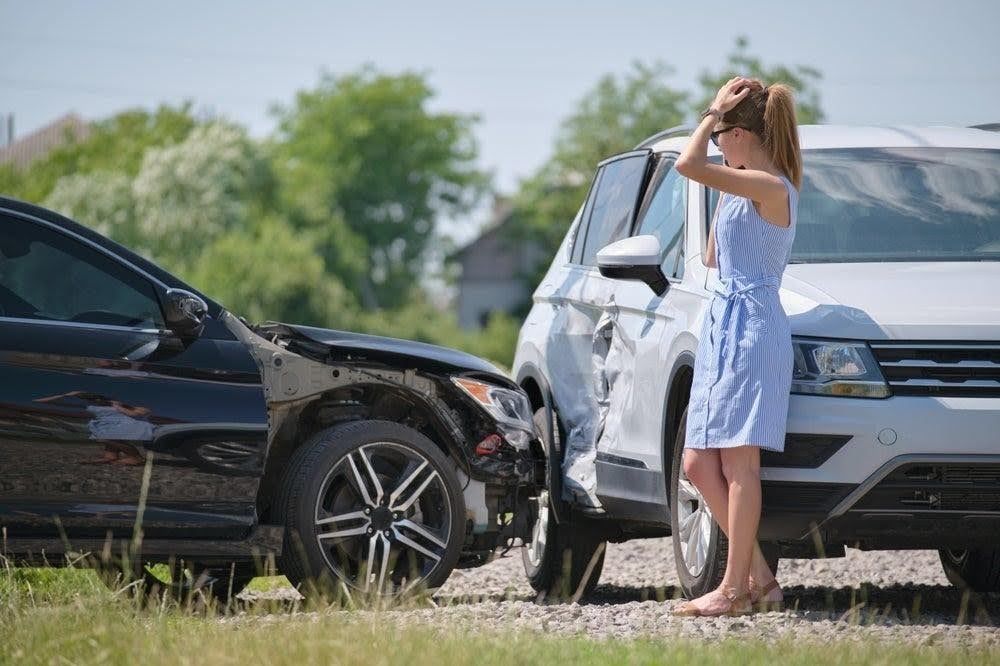
When both drivers share fault in a T-bone accident, each driver’s percentage of responsibility can affect who pays for the resulting damages and how much compensation an injured person may receive. T-bone crashes happen when the front of one vehicle strikes the side of another, often at an intersection. They can result in serious injuries because the side of a vehicle provides less protection than the front or rear.
Determining responsibility therefore requires looking closely at what each driver did before the collision, including speeding, failing to yield, distracted driving, or ignoring a traffic signal. Evidence involving T-bone accident injuries can become especially important when both sides blame each other.
How Shared Fault Is Determined
Fault is not always as simple as deciding which vehicle struck the other. Investigators, insurance companies, and courts may examine traffic signals, right-of-way rules, vehicle positions, witness statements, photographs, surveillance footage, and damage patterns.
For example, one driver may have entered an intersection against a red light, while the other driver may have been traveling well above the speed limit. Both actions could have contributed to the crash. In another situation, a driver may have had the right of way but been distracted and failed to react when there was enough time to avoid the collision.
Comparative Fault Can Affect Compensation
Many states use comparative fault rules when more than one person contributed to an accident. Under these rules, an injured person’s compensation may be reduced according to their percentage of responsibility.
For example, imagine that a driver’s total damages are $100,000, but that driver is found 20% responsible for the crash. Under a system that allows recovery with that percentage of fault, the person’s award could be reduced by 20%.
The exact rule depends on the state where the accident occurred. In Georgia, for example, O.C.G.A. § 51-12-33 addresses apportionment of damages based on the fault of the parties. Georgia’s modified comparative fault system generally prevents recovery when the injured party is 50% or more responsible.
Evidence Becomes Very Important
When both drivers claim the other caused the crash, evidence can make a major difference. Photos from the accident scene may show the positions of the vehicles, traffic signs, lane markings, and visible damage.
Witnesses can also provide information about which vehicle entered the intersection first or whether a driver appeared to be speeding. Traffic cameras and nearby business security systems may provide even stronger evidence when available.
Medical records are important as well. They can help connect injuries to the accident and document the treatment required afterward.
Insurance Companies May Dispute Fault
Insurance companies have an obvious financial interest in determining how much their policyholder should pay. If an insurer believes its driver was only partly responsible, it may try to assign a percentage of blame to the other driver.
That is why injured people should be careful about giving recorded statements or accepting an early settlement before understanding the full extent of their injuries and the evidence surrounding the crash.
A settlement offered shortly after an accident may not account for future medical treatment, lost income, rehabilitation, or other damages.
Serious Injuries Can Complicate the Case
T-bone collisions can cause injuries involving the head, neck, back, chest, and limbs. The severity of the injuries can make the financial consequences significant, especially when someone needs ongoing treatment or cannot return to work.
If both drivers share responsibility, the amount ultimately recovered may depend on the applicable comparative fault rules and the evidence establishing each person’s role.
What Should You Do After a Shared-Fault Crash?
After a T-bone accident, seek medical attention even if your symptoms initially seem minor. Some injuries may not become obvious until hours or days later.
Report the accident, collect photographs if it is safe to do so, obtain witness information, and preserve relevant records. Avoid making statements that unnecessarily accept blame before the facts are clear.
When fault is disputed, reviewing the circumstances with a qualified attorney can help clarify how the state’s laws may apply.
Key Takeaways
- Both drivers can share responsibility for a T-bone accident.
- Fault may be divided according to each driver’s contribution to the crash.
- Traffic footage, photographs, witnesses, and vehicle damage can help establish what happened.
- Comparative fault rules vary by state.
- Shared responsibility can reduce an injured person’s compensation.
- Medical records can help document accident-related injuries and losses.
- Do not assume the driver who struck the other vehicle is automatically entirely responsible.