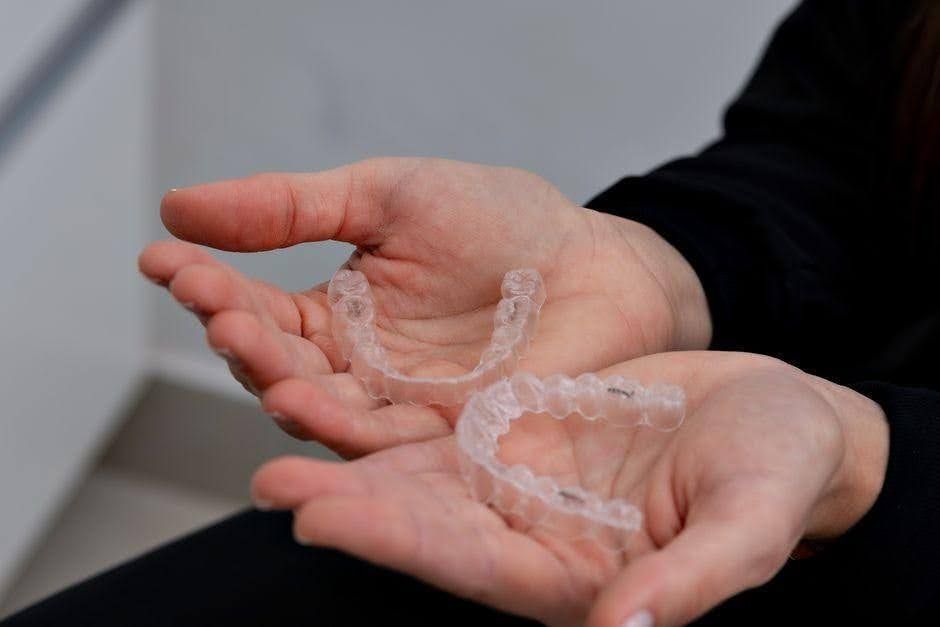
If you’re thinking about straightening your teeth, you’re not alone. Plenty of people put it off for years, then realize a better bite can affect more than photos. In Corpus Christi, TX, that conversation often starts with practical concerns: cost, comfort, timing, and finding care that fits your routine. Orthodontic treatment isn’t just a cosmetic move. It can change how you chew, clean your teeth, and feel when you smile.
Straight teeth are only part of the story
A lot of people think orthodontics begins and ends with appearance. Nice bonus, sure, but your bite is doing serious work every day. When teeth are crowded, spaced oddly, or don’t meet correctly, you can end up with uneven wear, jaw strain, and spots that are annoyingly hard to clean.
That can set the stage for cavities and gum inflammation, even if you brush like a responsible adult-in-training. Orthodontic treatment focuses on alignment and function together. A good treatment plan looks at how your upper and lower teeth fit, how your jaw moves, and whether small problems now could become expensive ones later. Straightening your teeth isn’t vanity with a retainer. It’s part of long-term oral health.
Your consultation should feel specific, not scripted
A useful orthodontic consultation goes beyond “you need braces” and a price quote. You should expect an exam, imaging, and a conversation about what’s happening in your mouth. That includes crowding, bite relationship, jaw position, and how long treatment may take. If your concerns involve speech, headaches, or chewing discomfort, bring them up. Those details belong in the plan.
If you’re looking for an orthodontist In Corpus Christi, TX, it helps to pay attention to how clearly treatment options are explained. You want specifics, not vague promises about a “perfect smile.” Ask what type of correction you need, what alternatives exist, and what your day-to-day routine will involve. Good orthodontic care is part science, part logistics, and zero mind-reading.
Timing matters more than most people expect
There’s no single perfect age for orthodontic treatment, but timing can make the process simpler. Kids may be evaluated early to catch jaw growth issues or severe crowding before they become more complicated. Teen years are common for treatment because the mouth is still developing, and that can work in your favor.
Adults, though, are very much in the mix. More people now start treatment in college, during work life, or long after both. Maybe you finally have the budget. Maybe video calls made you notice your smile from angles nobody asked for. Whatever the reason, adult treatment is normal. The main difference is that treatment planning may need to consider crowns, gum health, missing teeth, or past dental work. Orthodontics isn’t late unless you never wanted it in the first place.
Cost is real, but so is the value equation
Orthodontic treatment can feel expensive because it isn’t a one-time purchase. You’re paying for diagnostics, custom planning, appliances, regular adjustments, and supervision over months or years. Prices vary depending on complexity, treatment type, and length. That’s exactly why the cheapest option online should raise an eyebrow.
Mail-order shortcuts and bargain deals may sound appealing until something shifts the wrong way or a hidden issue gets missed. Teeth don’t always follow neat little software predictions. In-person monitoring matters because mouths are messy, biological systems, not flat-pack furniture. If cost is a concern, ask about payment plans, insurance coverage, and what’s included in the quoted fee. Retainers, follow-up visits, and replacement aligners can affect the real total more than people expect.
Daily habits can make or break your results
Orthodontic treatment works best when you treat it like a routine, not a background app running quietly on its own. With braces, that means careful brushing around brackets and wires, using floss tools, and avoiding foods that bend hardware into modern art. Sticky candy and ice chewing are not character-building activities here.
With aligners, consistency is everything. If they’re supposed to be in for 20 to 22 hours a day, that’s the assignment. Skipping wear time can lead to poor tracking, extra refinement trays, and longer treatment. Retainers matter too, both during and after treatment. Teeth have a habit of trying to drift back home. The people who keep their results usually aren’t lucky. They just follow instructions when the exciting part is over.
The confidence boost is real, but function still leads
People often talk about orthodontics as a confidence move, and fair enough. Feeling better about your smile can affect photos, interviews, dating, and the way you carry yourself in everyday life. That psychological shift has value. It’s not shallow to care how you look when you speak or laugh.
Still, the strongest orthodontic outcomes tend to combine aesthetics with function. A smile that looks balanced but leaves you with bite problems isn’t much of a win. The goal is stability, comfort, and healthy alignment that supports the rest of your dental care for years. If you’re considering treatment, ask yourself a practical question: do you want something that only looks straighter, or something that also works better? The second option usually ages much more gracefully.
Choosing treatment means thinking beyond the finish line
The end of active treatment isn’t the end of orthodontics. It’s the start of maintenance, and that part deserves more respect than it gets. Teeth can shift gradually from normal chewing forces, grinding, aging, and skipped retainer wear. Nobody loves hearing “wear this every night,” but relapse is a frustrating sequel.
A smart decision includes asking what happens after braces come off or aligners end. What kind of retainer will you need? How often should it be checked? What should you do if it cracks or stops fitting? Long-term success depends on those details. Orthodontic treatment can absolutely improve your smile and oral health, but the best results come when you treat it as a process, not a quick glow-up with dental accessories. A little patience and consistency go a long way.