Menopause is an unavoidable phase of every woman’s life. This is a stage when significant hormonal changes start impacting a woman’s body. Even though there’s significant research to support the common symptoms of menopause like:
- Sleep disturbances
- Weight gain &
- Hot flashes
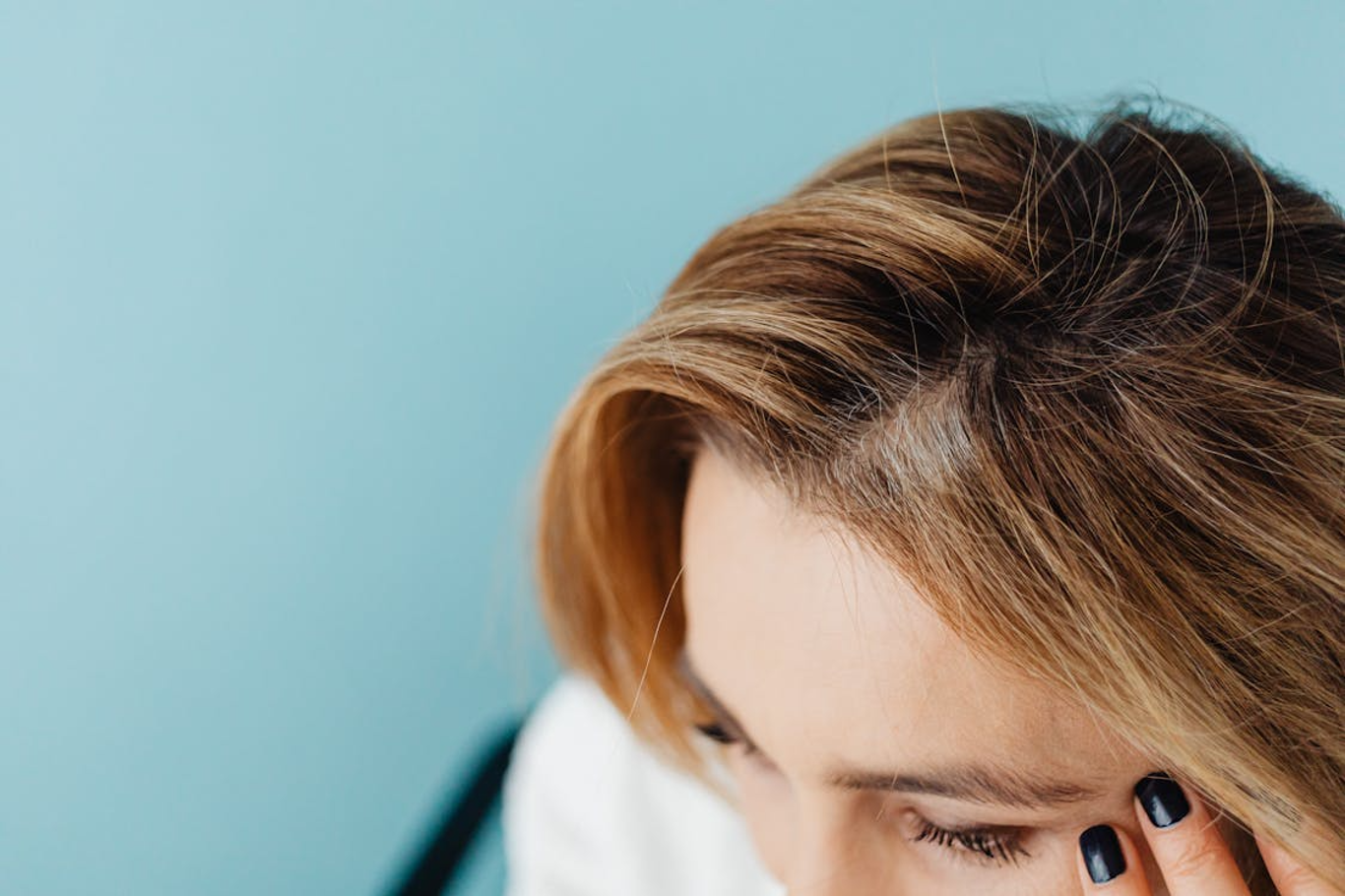
Little is known about how menopause has an impact on hair health. These changes impact a lot of women. Menopause causes a decrease in female hormones like estrogen that cause many of these changes. As a result, thinning hair, a dry scalp, and altered texture become common problems. These changes also have an impact on a person’s self-esteem which is why it is imperative to act early and limit these changes.
But first, let’s answer a broader question.
What is Menopause?
Menopause causes a significant physiological change in a woman’s life, which brings a permanent end to consistent menstrual cycles. This usually occurs between the ages of 40 and 55. That said, perimenopause (which precedes menopause) can start earlier in the ages between 40 and 45 and may last for several years.
On a hormonal level, menopause causes a gradual reduction in the production of progesterone and estrogen which are vital hormones produced by the ovaries. These changes have a noticeable impact on several bodily functions which affect your bones and skin and several other parts of the body. Menopause is also associated with various recurring symptoms like mood swings, hot flashes and vaginal dryness but some of the more often neglected symptoms are hair loss & thinning, and dry hair.
Hair Loss
If you’ve started noticing an increasing amount of hair strands in the shower drain, you’re not alone. Around 40% of women experience noticeable hair thinning by age 50, according to the American Academy of Dermatology (AAD)[HL1] . Low estrogen levels have an impact on your hair’s growth cycle. It shortens the growth phase and delays when your hair starts to regrow. This also reduces the size of your hair follicles as you begin to age, which makes your hair strands finer. For a problem as crucial as hair thinning and loss doctors often recommend oral minoxidil for women. It promotes hair growth, is safe for people who have a history of breast cancer and has also proven to be very effective. It allows more oxygen-rich blood to reach your hair follicles which increases their size and lets you get stronger hair in 3 to 6 months.
Dry Hair
Just like dry skin, dry hair and scalp are common menopause symptoms, too. When your estrogen levels decline your body produces less sebum. This results in you having a flaky scalp and dry skin. When there’s a reduced amount of sebum on your scalp, less of it is infused into your hair, which makes it more brittle, drier and duller. This also means it’s more prone to breakage. A moisturizing shampoo is a common solution for this problem. Doctors also recommend washing your hair less frequently.
Another solution for this problem is lightweight scalp serums. They work by providing moisture for your scalp to stop roots from feeling greasy. Look for ones that contain niacinamide since it can stimulate the production of collagen.
Changes in Hair Texture
When you get more gray hair you may notice that your hair is getting curly in some places and is also feeling wirier. A hormonal imbalance changes the shape of your hair follicles. From having circular-shaped follicles that yield straight hair, you may get oval-shaped follicles that yield curly hair. That wiry and coarse feel comes from having low sebum levels. Because of acidity, your hair cuticle cells stay tightly against each other. Lower sebum levels change the pH balance of your hair which makes it become more acidic. This pulls apart the cuticle cells, making your hair feel rougher and drier.
To combat this problem you may use conditioners that contain nourishing oils like avocado and coconut. This helps tame frizz and also softens brittle and coarse hair. Hydration makes a difference, too. Our bodies need to stay hydrated throughout the day to function properly. Load up on water and try to reduce the consumption of sugary drinks like juices and sodas that give your body more sugar than it needs. The amount of water your body needs can vary from person to person and depends on a lot of factors like physical activity and age. As a general rule, try to drink 8-ounce glasses of water daily.
Also, try to limit the usage of heated styling tools like:
- Hair straighteners
- Curling irons
- Hair dryers
They reduce the moisture level in your hair and give them wiry feel.
Even though going through these changes can be frustrating for every person, early intervention can slow down hair loss. Topical treatments, oral medications and changing the way you care for your hair can help you have healthy hair while you go through menopause.
[HL1]https://www.jaad.org/article/S0190-9622%2815%2901878-2/fulltext