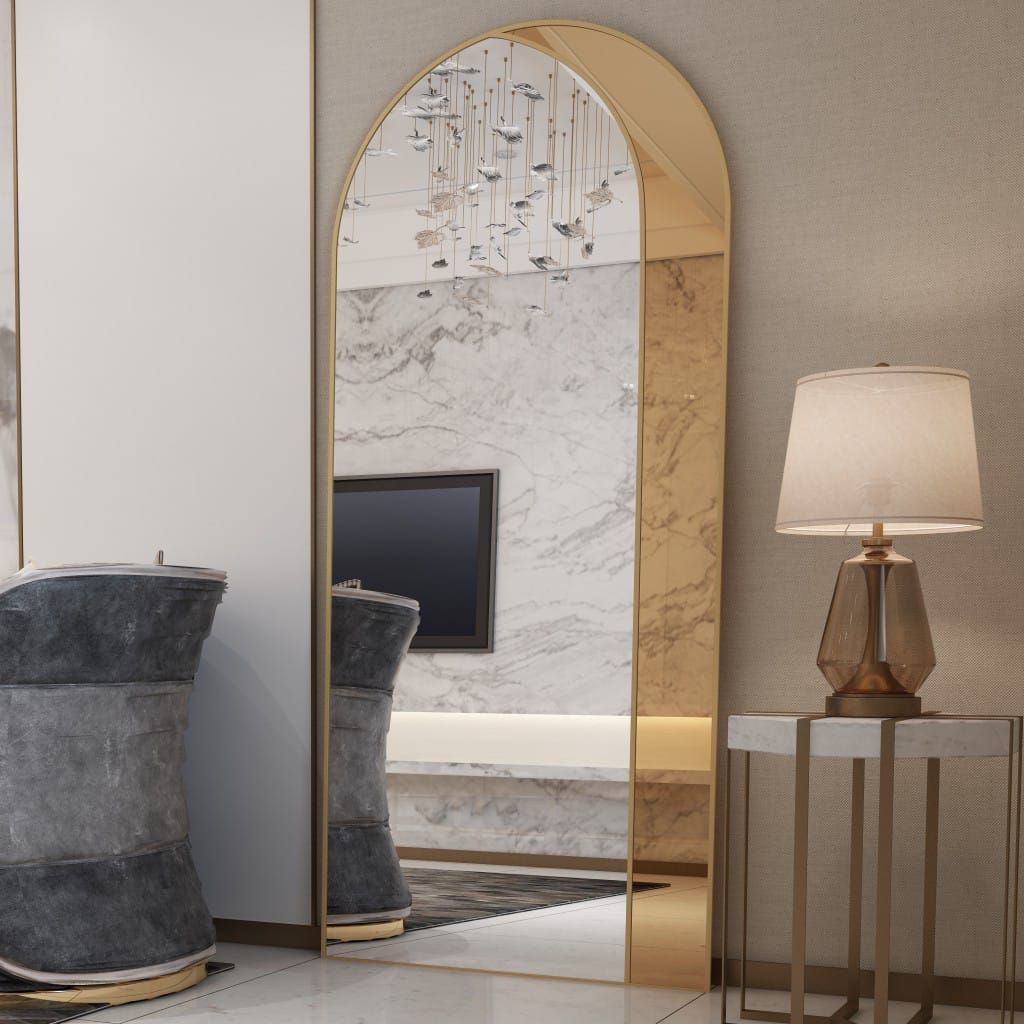
Interior design trends often reflect a desire for balance between form and function, tradition and modernity. One design element that perfectly captures this balance is the arch mirror. Inspired by classical architecture yet embraced by contemporary interiors, arched mirrors are increasingly becoming a defining feature in stylish homes.
The appeal of the arch lies in its softness. Unlike sharp rectangular lines, curved shapes introduce a sense of flow and calm into a space. This is particularly valuable in modern interiors, where clean lines and minimalism can sometimes feel stark. An arch mirror gently offsets this rigidity, adding warmth without disrupting simplicity.
Historically, arches have symbolised elegance and strength, appearing in windows, doorways, and architectural structures across Europe and beyond. Today, that same influence is being reinterpreted in interior décor. Mirrors with arched tops echo these classical forms while remaining perfectly suited to contemporary living.
One of the key reasons homeowners and designers are choosing an arch mirror is its versatility. In living rooms, it can serve as a striking focal point above a console table or fireplace. In hallways, it creates an inviting first impression while reflecting light into often narrow or darker spaces. Bedrooms benefit from arched mirrors too, where they soften the room’s atmosphere and add visual height.
Light plays a crucial role in interior design, and mirrors are among the most effective tools for enhancing it. Arched mirrors, in particular, help distribute light more naturally due to their curved shape. When positioned opposite windows or light sources, they amplify brightness and create a sense of openness an especially valuable quality in urban homes and apartments.
Material and craftsmanship are essential considerations when selecting an arched mirror. High-quality glass ensures a clear, undistorted reflection, while well-finished frames contribute to longevity and safety. Handmade mirrors often stand out for their attention to detail, offering refined proportions and superior finishes that mass-produced alternatives can lack.
Design-led brands such as MeritHome have embraced this architectural trend by creating handcrafted arched mirrors that blend elegance with practicality. Their collections highlight how thoughtful design can transform a mirror from a simple functional object into a statement piece that enhances the entire room.
Arched mirrors also adapt effortlessly to different interior styles. In minimalist spaces, a slim-framed or frameless design keeps the look understated and refined. In more expressive interiors, bolder frames whether metallic, wooden, or painted allow the mirror to act as an artistic feature. This adaptability makes arched mirrors a long-term investment rather than a passing trend.
Beyond aesthetics, mirrors contribute to how a space feels emotionally. Curved shapes are known to create a sense of comfort and ease, making arched mirrors particularly suitable for areas intended for relaxation and social interaction. They encourage visual flow, connecting different elements of a room harmoniously.
As interiors continue to move toward timeless design rather than fast trends, arched mirrors stand out as a piece that bridges history and modern living. Elegant, versatile, and visually impactful, they are more than a decorative accessory they are an architectural statement for the contemporary home.