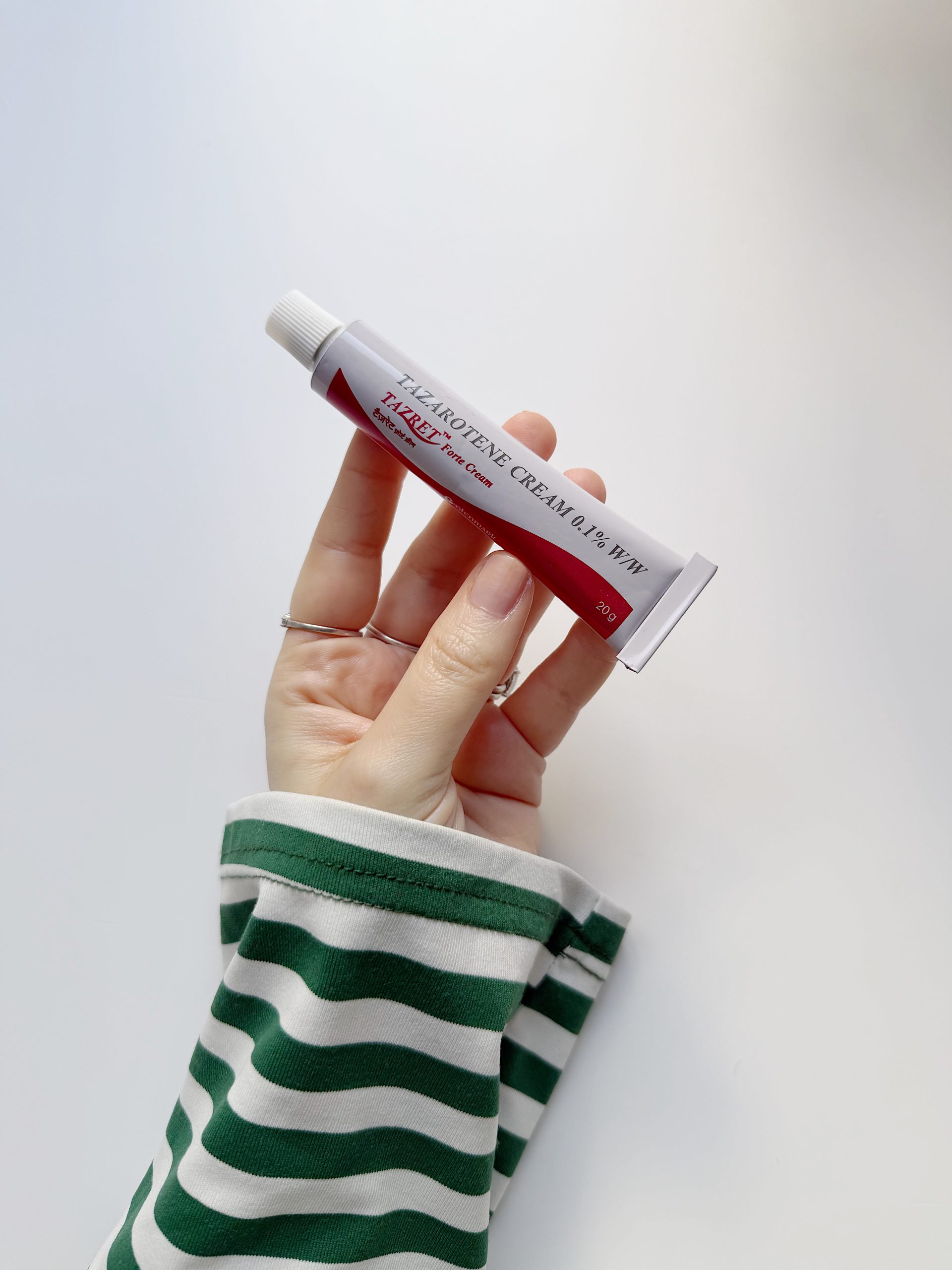
A beauty shelf can look impressive and still be hard to shop. Twenty near-identical serums blur together. A wall of viral products dates quickly. Too many unfamiliar labels make customers hesitate, while an assortment built only around household names gives them little reason to browse.
The strongest multi-brand stores solve a more practical problem: they give each product a job.
Start with the shelf, not the brand wish list
Retailers often begin with brands they like, then try to fit the products into a store concept afterward. That order creates overlap. Three prestige shampoos may compete for the same customer while an everyday repair option is missing completely.
A cleaner approach is to map the shelf first. What is the dependable entry-price cleanser? Which item brings a customer in because she has already seen it online? Where is the giftable fragrance that feels special without requiring a long explanation? Once those roles are clear, brand selection gets easier.
This is also where a broad supplier catalogue can be useful. Buyers can browse the available brands and compare possible additions against gaps in their current assortment, rather than ordering another version of something they already stock.
The distinction sounds small. It is not. A product should earn its space by serving a customer need, a price point or a shopping occasion.
Familiar products reduce the risk of discovery
Recognisable brands do valuable work in a mixed assortment. They reassure a first-time shopper that the retailer understands the category. They also create reference prices. A customer who knows the usual price of a well-known moisturiser can judge the rest of the shelf more confidently.
But familiarity is most useful as an anchor, not the whole story. Place an established product beside a lesser-known option with a clear reason to exist: a different texture, format, scent profile or use case. The known item lowers the mental cost of considering the new one.
That pairing works online too. Search demand may bring a shopper to a recognised brand page, but thoughtful recommendations can move her toward adjacent products. The connection has to be specific. “Customers also bought” says very little. “A lighter option for humid weather” gives the shopper a reason to click.
Trend products need an exit plan
Viral beauty can produce a rush of attention, followed by an awkward pile of stock. The problem is rarely the trend itself. It is the size and timing of the commitment.
For a new format or social-media favourite, a retailer can treat the first order as a test. Put it in one clear part of the store, track weekly sales and decide in advance what would justify a reorder. If demand cools, the remaining units need a sensible home in bundles, gifts or a seasonal edit. Random discounting trains customers to wait.
Trends are best used as punctuation. They make a dependable assortment feel current, but they should not rewrite the whole sentence every month.
Different channels need different evidence
The same brand mix will not perform equally everywhere. A physical beauty shop can let customers compare shades, packaging and scent in person. An ecommerce store has to replace that experience with accurate product details, good photography and clear comparisons. Live-selling and social resale depend even more on quick recognition and an easy story.
That changes the buying decision. A striking bottle may deserve shelf space in a boutique but create fulfilment problems online. A large shade range can be a strength when customers can test it and a cash trap when most colours move slowly. Compact, recognisable products may work well in live selling because the host can explain them in seconds.
Before adding a brand, retailers should ask where it will actually be sold and what proof a customer will need in that channel. There is no universal perfect assortment.
Reorders reveal more than launch-day excitement
Opening-week sales are flattering. Reorders are honest.
A new product can move because it is discounted, prominently displayed or featured in a burst of content. None of that proves it deserves permanent space. The better signals arrive later: customers return for the same item, staff recommend it without prompting, and sales continue after the launch display comes down.
This is why disciplined retailers keep notes by product role rather than brand alone. If two items solve the same problem, compare their sell-through, return rate and repeat demand. The weaker one may still be beautiful. It simply has not earned the shelf.
The goal is not the largest possible brand list. It is an assortment with enough trust to make customers comfortable, enough surprise to keep them curious, and very little dead weight hiding behind attractive packaging.