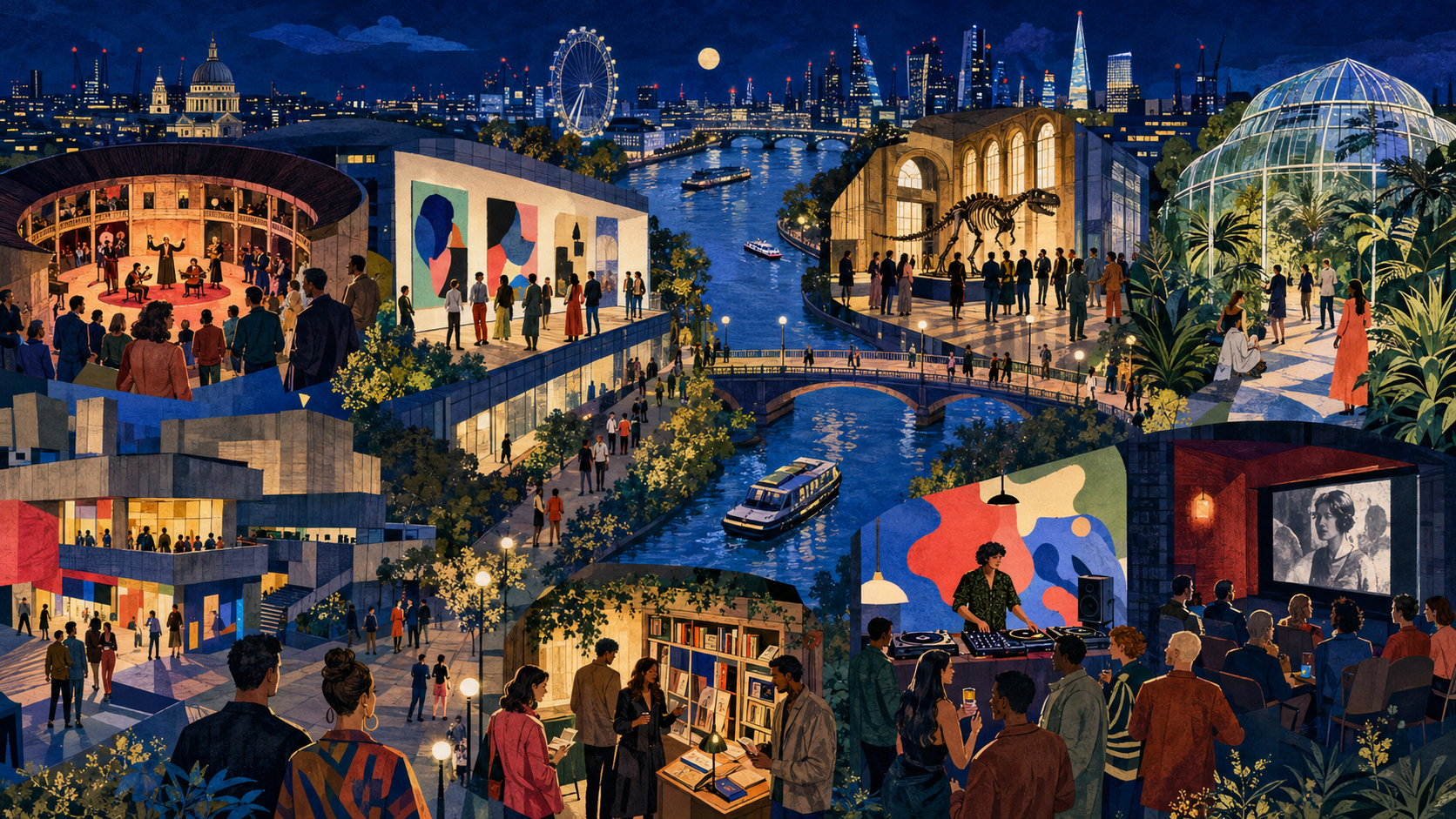
London’s cultural calendar extends far beyond expensive West End seats and blockbuster exhibitions. Major institutions use free evening programmes, standing tickets and last-minute releases to attract new audiences. Theatre, art, film and late-night events remain available even when the budget stops at £10.
1. Shakespeare’s Globe Groundling Tickets
A standing place in the Globe yard puts the audience close to every aside, sword clash and raised eyebrow. The theatre sells Groundling tickets for £5 or £10, depending on the performance.
Its £5 Rush scheme releases additional tickets at 11am each Friday for productions playing the following week. The 2026 summer programme includes Love’s Labour’s Lost and Much Ado About Nothing. The standing area is uncovered, making a light waterproof useful.
2. National Theatre Friday Rush
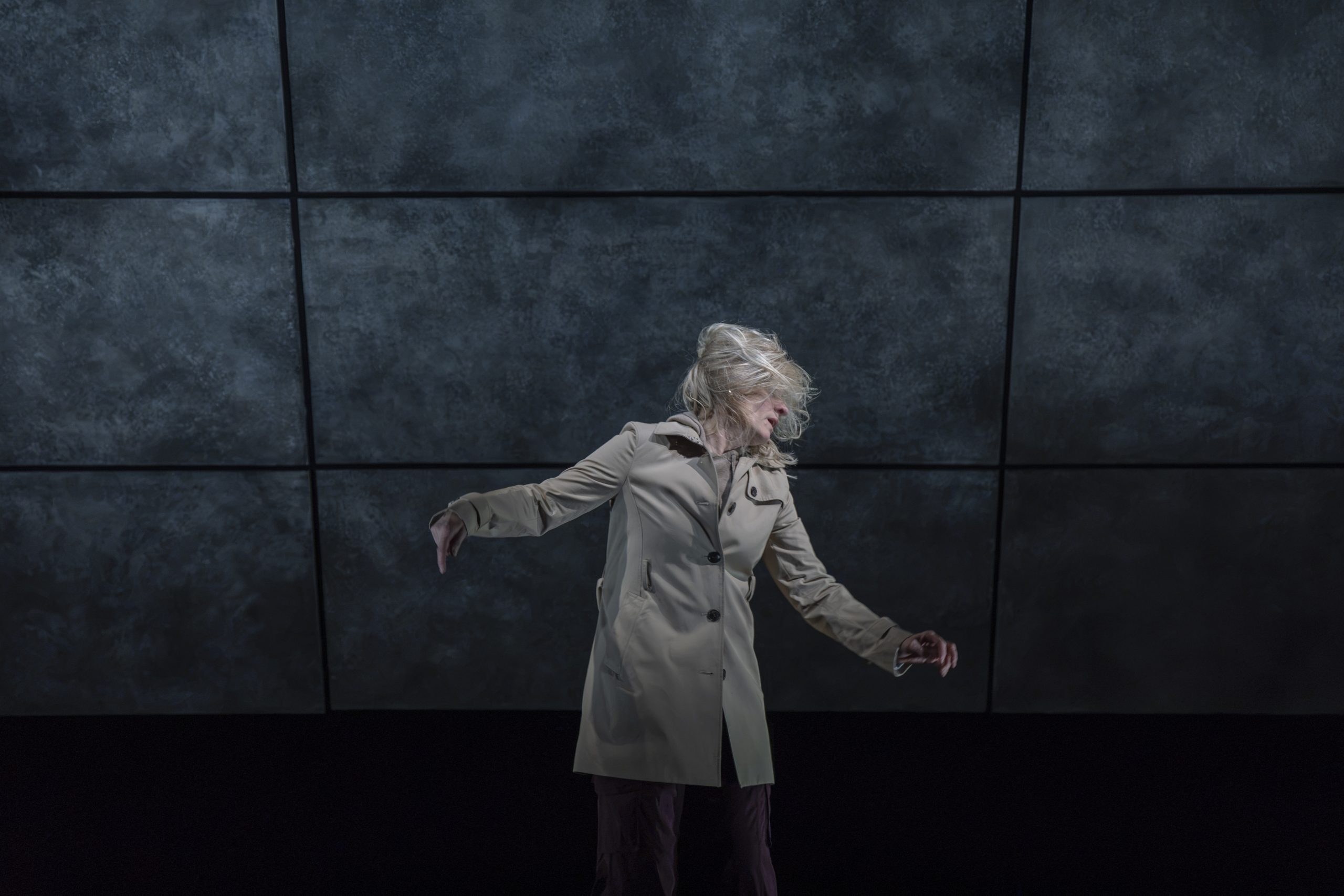
The National Theatre releases £10 Friday Rush seats at 1pm for selected productions. Current 2026 examples include Electra/Persona, Pride, Some Woman and Catarina and the Beauty of Killing Fascists.
Friday Rush reduces the commitment involved in choosing an unfamiliar production. A £4 per-order booking fee may apply, although members and certain ticket categories are exempt. Two tickets bought together therefore cost £12 each when the fee is charged.
The deposit required at a $10 minimum deposit casino Australia may seem small, but it can be enough for several dozen low-value spins. Any winnings could then cover transport to one of London’s free cultural events or another inexpensive experience on this list.
3. V&A Friday Late
On the final Friday of most months, the V&A Friday Late programme keeps the South Kensington museum open for an evening of contemporary design and visual culture. Entry is free and normally does not require advance booking.
Friday Late combines installations, film, talks, live performance and DJ sets. The July 2026 edition, Body as a Vessel, marked the 15th anniversary of Shubbak Festival and explored contemporary Arab and SWANA cultures. The series skips January, May and December.
4. National Gallery Friday Lates
The National Gallery remains open until 9pm every Friday. Its evening programme adds talks, workshops and performances to the permanent collection, creating a relaxed cultural option after office hours.
The 2026 Friday Lates season runs between July and September. Paintings by Artemisia Gentileschi, Van Gogh, Turner and Velázquez can be seen without a ticket, while the later closing time avoids the busiest afternoon crowds.
5. Science Museum Lates
Science Museum Lates turn the South Kensington building into an adults-only evening venue. Entry to the main event is free, although a ticket must be reserved and individual activities may carry a charge.
Each edition centres on a specific subject. The February 2026 programme examined the future of food through demonstrations, discussions and practical experiments. Bars, performances and specialist speakers give the familiar galleries a markedly different atmosphere.
6. Tate Modern After Dark
Tate Modern extends its opening hours until 9pm on Fridays and Saturdays. The permanent collection is free, making the former Bankside Power Station a dependable evening stop.
The collection includes work by Mark Rothko, Louise Bourgeois, Pablo Picasso and Yayoi Kusama. Tate Lates add music, workshops and artist-led events on selected dates. Temporary exhibitions require tickets, but the Turbine Hall and collection displays can fill an entire evening.
7. The Wallace Collection
Manchester Square hides one of London’s most elaborate free museums. The Wallace Collection occupies Hertford House, where paintings, porcelain, furniture, sculpture and armour retain the atmosphere of a private collection.
Frans Hals’s The Laughing Cavalier shares the building with works by Canaletto, Rembrandt, Rubens and Velázquez. The museum opens daily between 10am and 5pm. Its 2026 programme includes The Wallace Collection at War, a free display running until 25 October.
8. Barbican Conservatory
The Barbican’s concrete walkways conceal London’s second-largest conservatory, containing more than 1,000 plant species. Tropical foliage surrounds balconies, koi move through indoor pools and the glass roof complements the complex’s Brutalist architecture.
Entry is free, but timed booking is generally required. The 2026 public season runs on selected dates between 2 August and 27 September. The Barbican foyers also host free installations, including Concrete and Clay: Archiving the Barbican.
9. Backyard Biennial East
Whitechapel Gallery celebrates its 125th anniversary with Backyard Biennial: East, an eight-week festival involving more than 40 local partners. The programme runs between 15 July and 6 September 2026.
Exhibitions, films, open studios, performances and walks spread across Whitechapel and neighbouring East London spaces. East End Voices examines local communities through archive film, while a John Smith programme presents work created across five decades. General admission is free.
10. Bank of England Museum Lates
The Bank of England Museum offers occasional after-hours events inside its Threadneedle Street home. On 20 August 2026, The Power of Honey runs between 5.15pm and 8pm, combining finance, food history and questions about fraud.
Created with Bompas & Parr and the British Museum of Food, the main installation includes a live observation hive exploring how bees communicate and respond to threats. The late is free, while a separate mead-making workshop requires a ticket.
Affordable culture in London is rarely a reduced version of the expensive programme. A £5 Globe ticket still places the audience beside the stage, while free late openings add performances and workshops unavailable during ordinary hours. Capacity is the main limitation, so popular releases reward quick booking rather than a large budget.