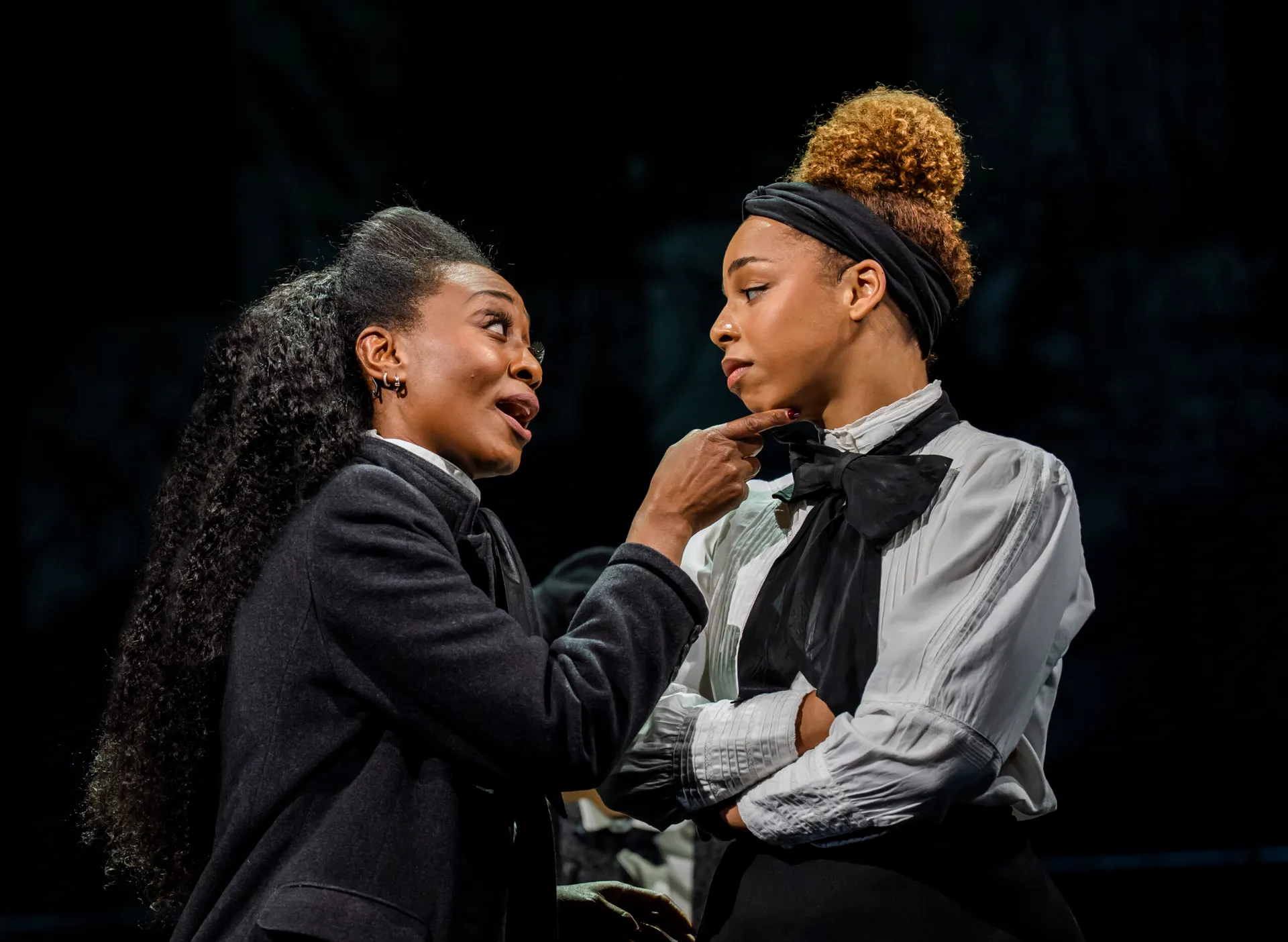
On Friday night, me and my 12-year-old daughter Charlotte went to the Royal Albert Hall to see Sylvia: A Musical Revolution. Directed and choreographed by Kate Prince, it’s a hip-hop, funk, and soul musical about the suffragettes, starring Naomi Katiyo as Sylvia Pankhurst and Beverley Knight as her mother, Emmeline.
Right from the very first song, the women of this Black-led cast are rapping about British political history and dancing their socks off. I loved it. My feet were tapping, my shoulders were going, and of course I thought of one of my favourite hip-hop musicals, Hamilton. You can hear the influence of Lin-Manuel Miranda’s musical about American politics throughout. It felt like the writers were trying to catch that same lightning in a bottle. Could they pull it off?
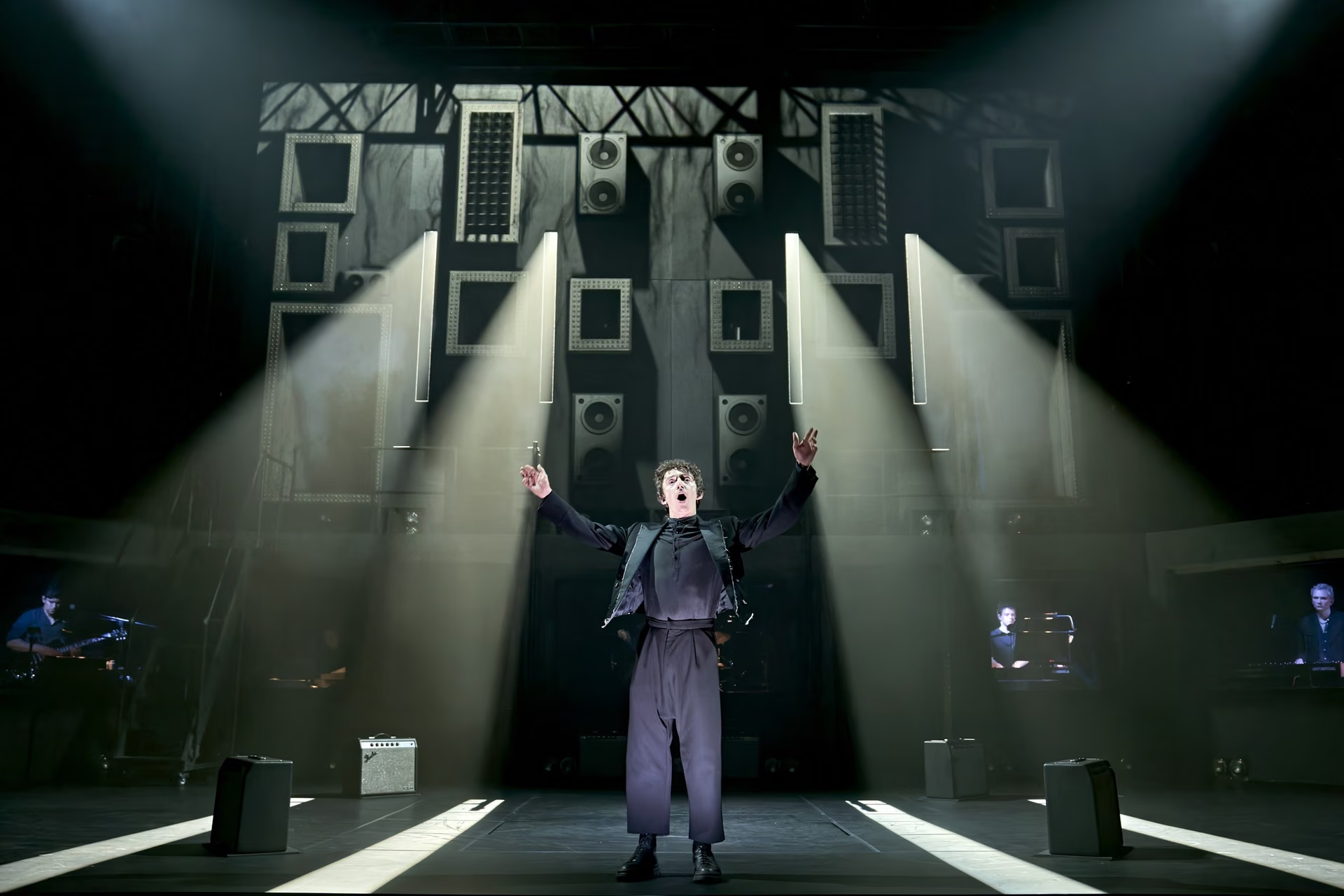
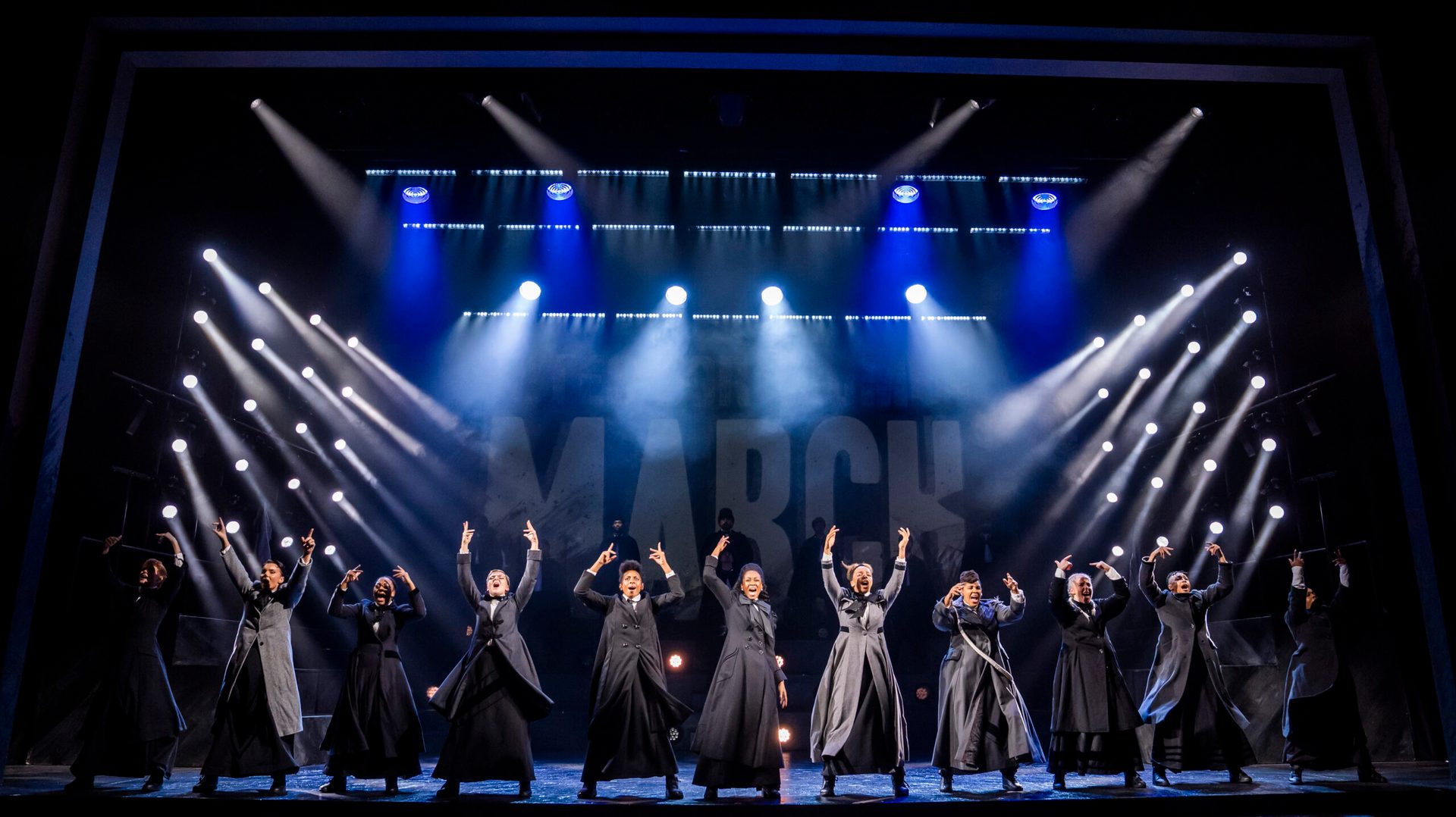
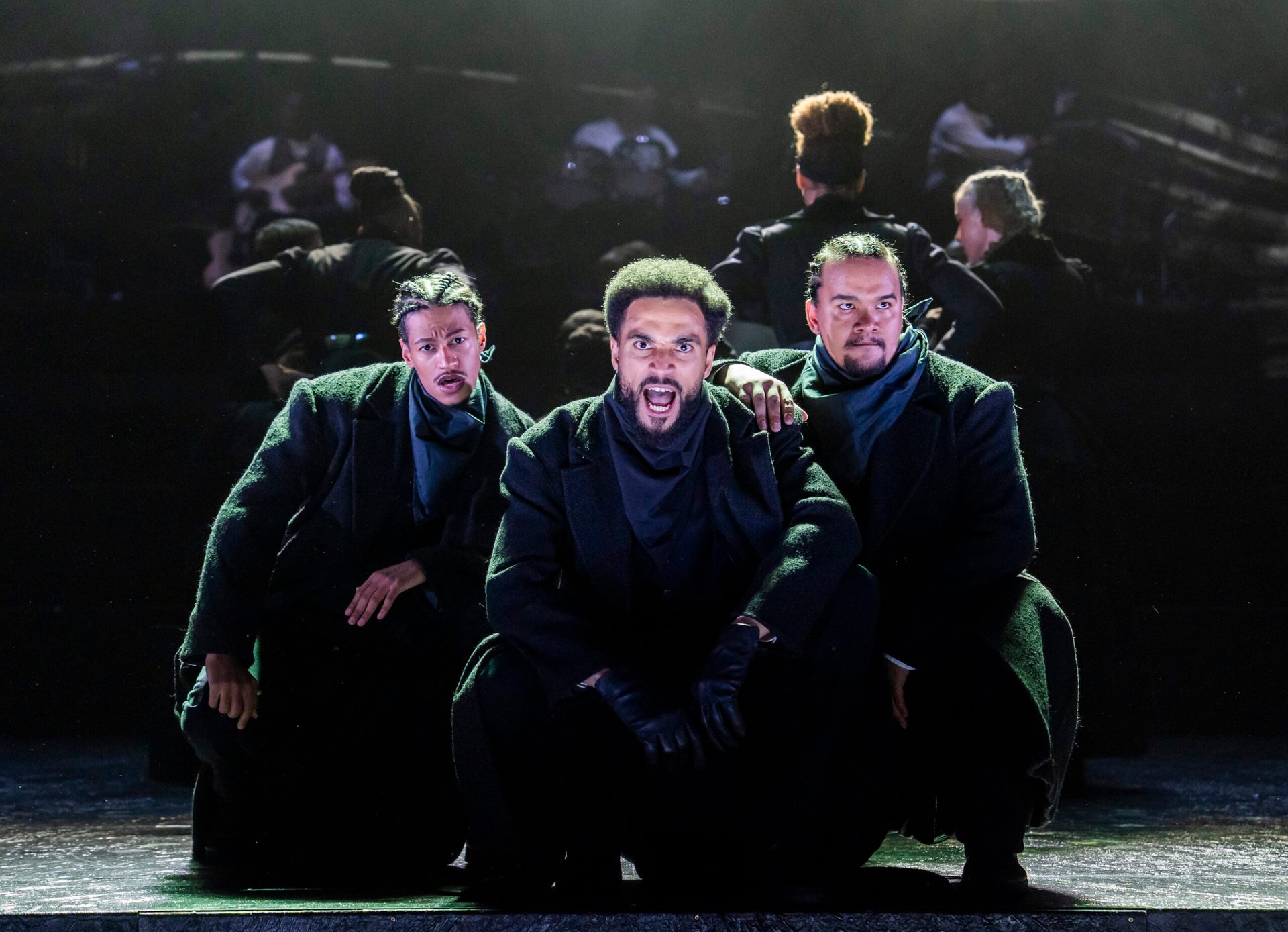
There’s a nod to Sister Sledge’s ‘We Are Family’ in that first number, and soon Eloise Davies’s Annie Kenney, Ebony Clarke’s Emily Davison, and Kelly Agbowu’s Flora ‘The General’ Drummond are being introduced like rock stars. The band appears behind the screen, the lights go up, and for stretches it feels like you’re at a highly political hip hop concert. The ensemble are fabulous. I kept spotting the same actors in completely different roles, and I particularly enjoyed the three men who turn up to rap about why giving women equal rights would somehow mean giving them superiority. They are like a misogynistic boy band. Their ridiculous argument, depressingly, hasn’t aged a day.
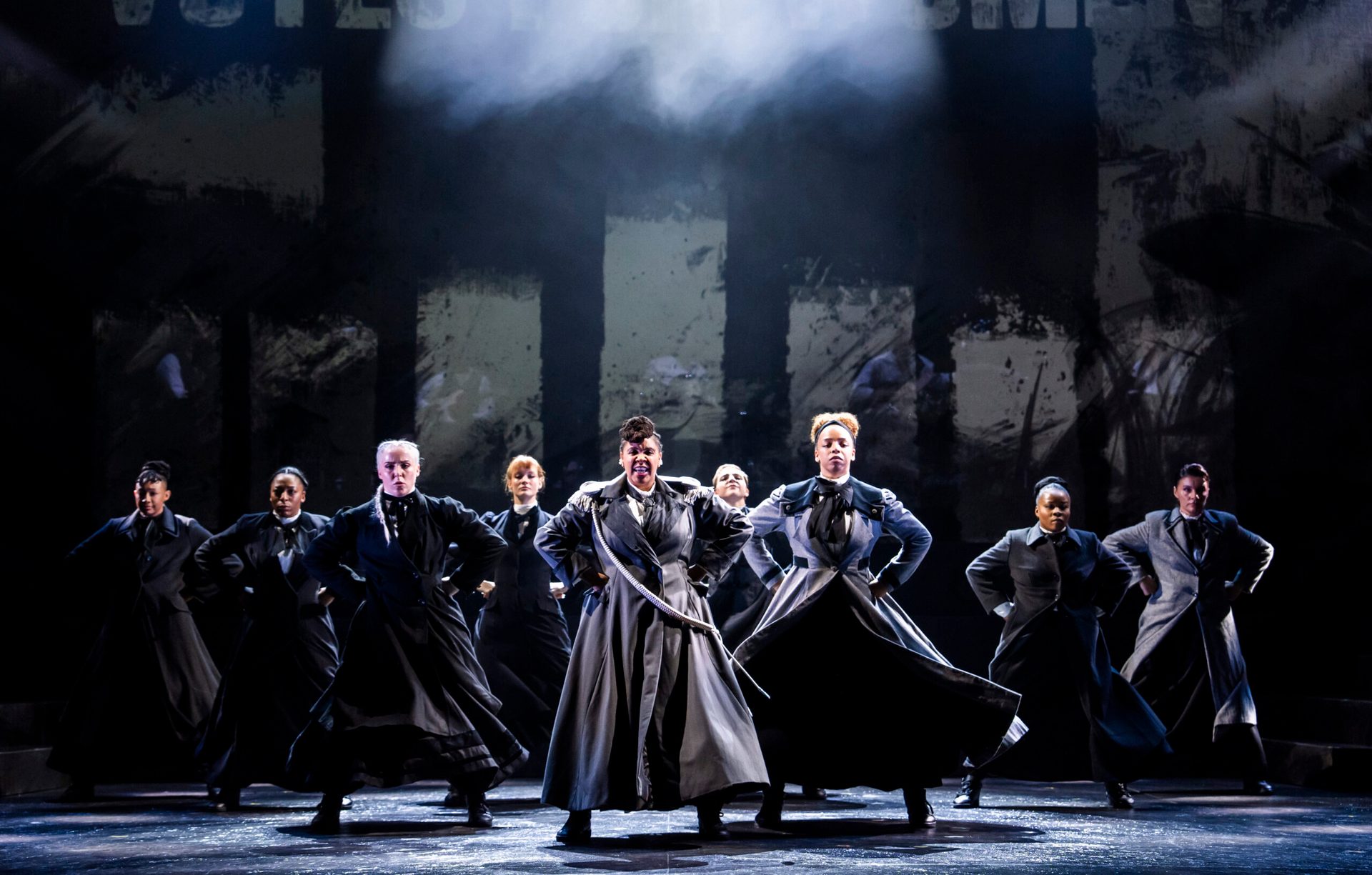
Early on, Sylvia wants to sit in when Labour MP Keir Hardie, played by Tachia Newall, comes to see her mother. Emmeline thinks she has a lot to learn, and Sylvia quite reasonably asks how she’s supposed to learn if she’s sent out of the room (‘where it happens…’ OK, maybe I was thinking of Hamilton too much). It’s a good introduction to Katiyo’s Sylvia, who keeps asking questions everyone else would rather she drop. Katiyo has an incredible voice and the stage presence to match. She’s a hell of a rapper, too.
Hardie is an old friend of Sylvia’s late father, much older than her, and married with a family of his own. We get an early sense of how Sylvia feels about him in ‘Did You See Me?’, and the show hints at an affair that goes on for years. I was surprised by how little physical affection we see between them. I never saw them kiss. I believed how much Sylvia loved him, and there’s a warmth in the way Newall plays those scenes with Katiyo that makes it clear Hardie cares for her too.
Over in Parliament, Cleve September’s David Lloyd George and Castell Parker’s Winston Churchill sit opposite one another and trade bars with the politeness of two men having a very British disagreement. Lloyd George is presented as an ally in Parliament, someone the women can look to for support. Churchill is openly hostile to their cause, and Parker plays him as a man liable to throw his toys out of the pram. It’s funny at times, especially when Kenedy Small turns up as his (very West Indian) mother and gets a whole number about her ‘Winstun’. I could have done with a little less of the petulant panto villain, though. The gag about him getting his words muddled because he fancies Clementine got a big laugh – ‘It’s nice to pleasure you.’ – but it felt cheap to me.
Collette Guitart’s Clementine reminded me a bit of Mrs Banks in Mary Poppins. She’s wonderfully prim and proper, the picture of a supportive wife while quietly undermining her husband’s position. In ‘One of the Doomed’, Sir Almroth Wright’s theories about why women are supposedly inferior become the subject of a very polite letter to The Times. Guitart is very funny playing it straight. Clementine takes his argument to its absurd conclusion and leaves you wondering how Britain would ever manage without the women he thinks so little of.
I also liked the few moments we get with Ellena Vincent’s Christabel and Eloise Davies’s Annie. The show imagines them as lovers, and there’s a tenderness to the way Vincent and Davies play them together. I was glad to see a bit of queer love in the middle of all this. I also liked that the Pankhurst sister most inclined to toe her mother’s line had the least conservative haircut onstage.
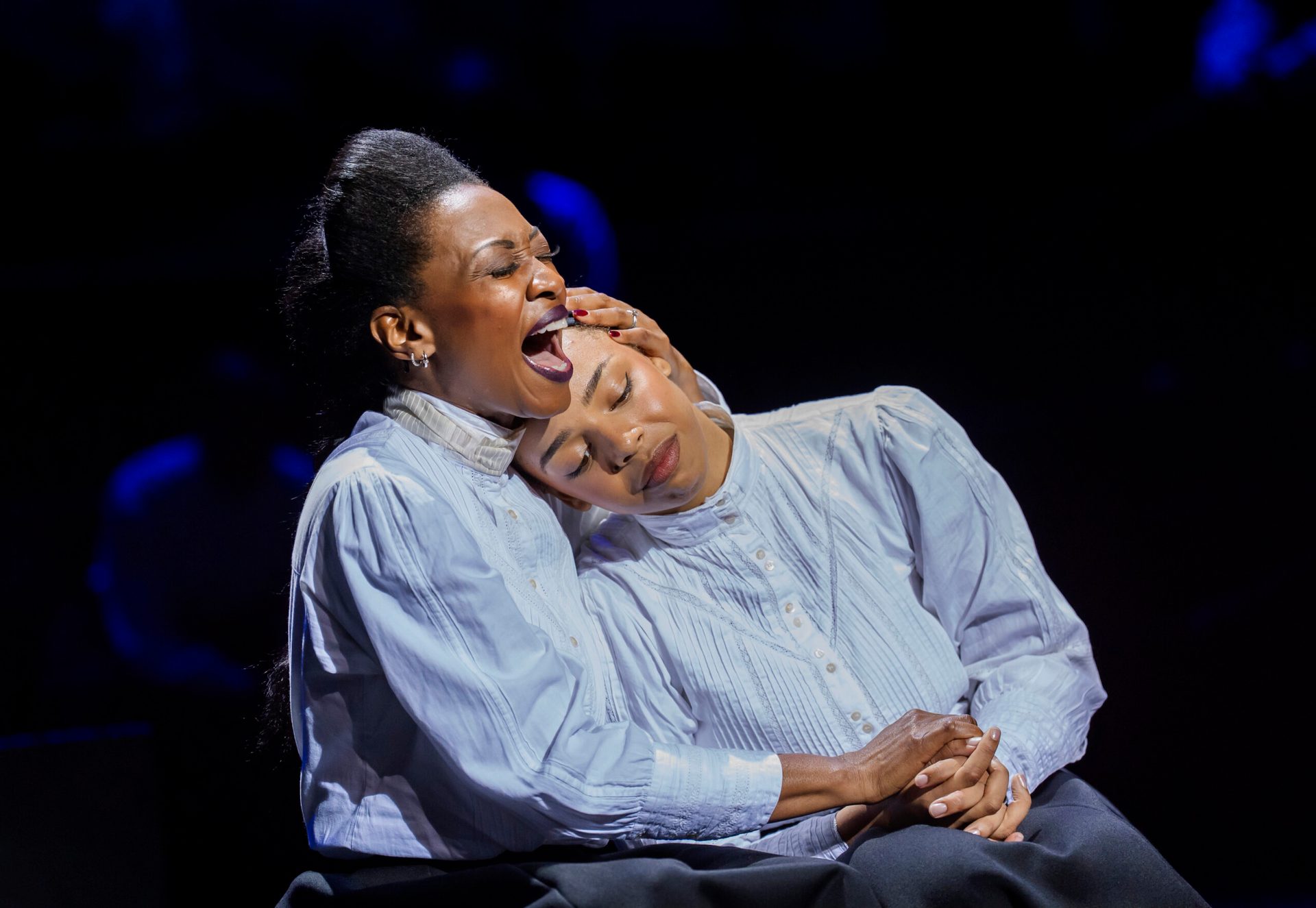
I usually think of Emmeline Pankhurst as the great leader of the suffragettes. Here we get to see her as somebody’s mother. Sylvia wrote her own account of the campaign in The Suffragette Movement, and it’s her side of the story we get here. Beverley Knight’s Emmeline is domineering, single-minded, and absolutely committed to her cause. The trouble is how many people that cause leaves out. She wants women to vote on the same terms as men, when plenty of working-class men can’t vote either. Sylvia wants the vote for everyone. That difference keeps bringing mother and daughter into conflict, and it’s heartbreaking to see Sylvia pushed out of the movement and rejected by her own mother.
Knight sounds fantastic. Her Emmeline can make you see why a room full of women would follow her and why her daughters might find her impossible. When she started singing ‘March Women March’, I just wanted to stand up and march. The suffragettes really did rally at the Royal Albert Hall, until Emmeline’s organisation was banned from meeting there in 1913. It’s quite something to hear Knight fill that same room with their cause.
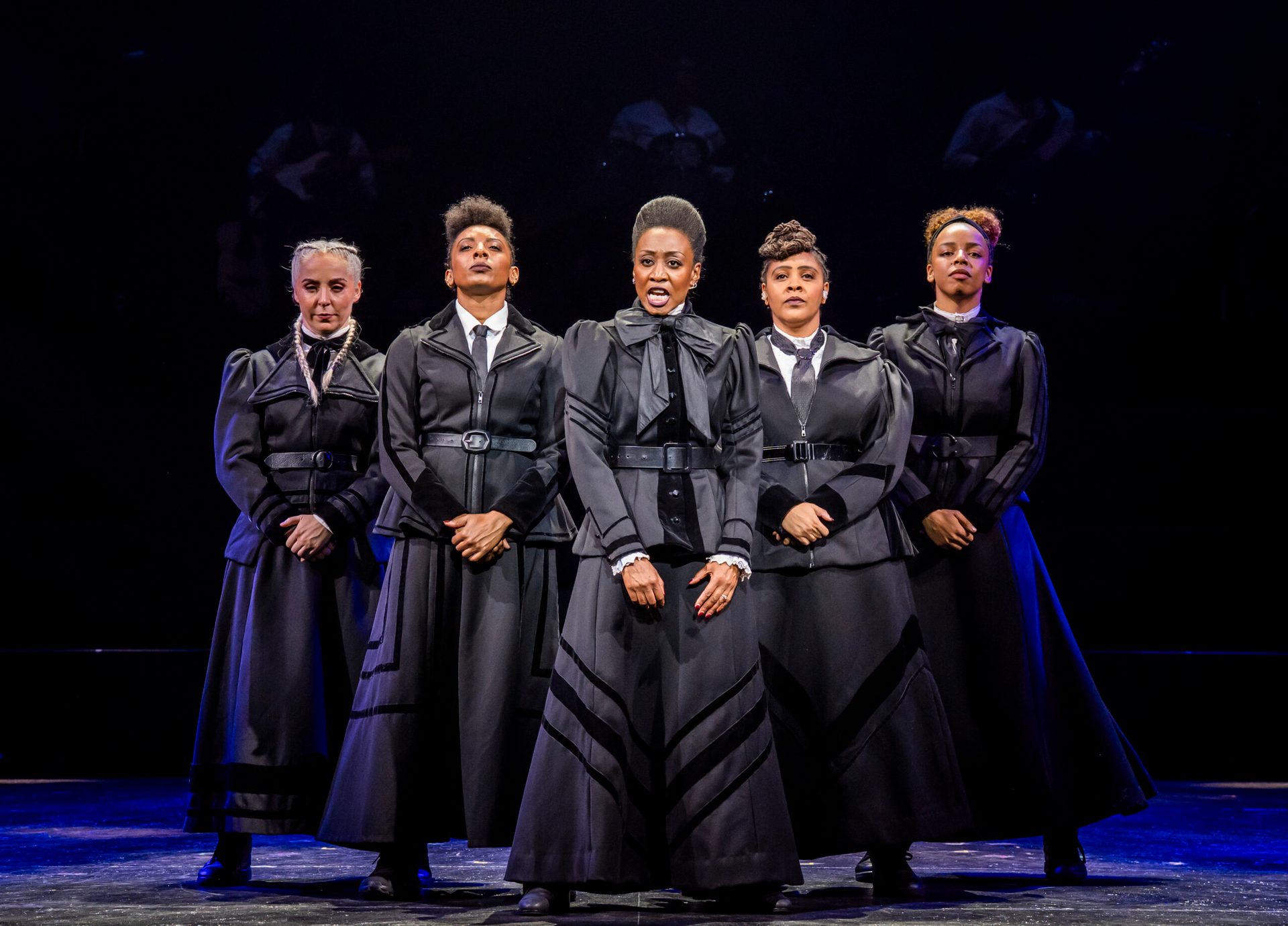
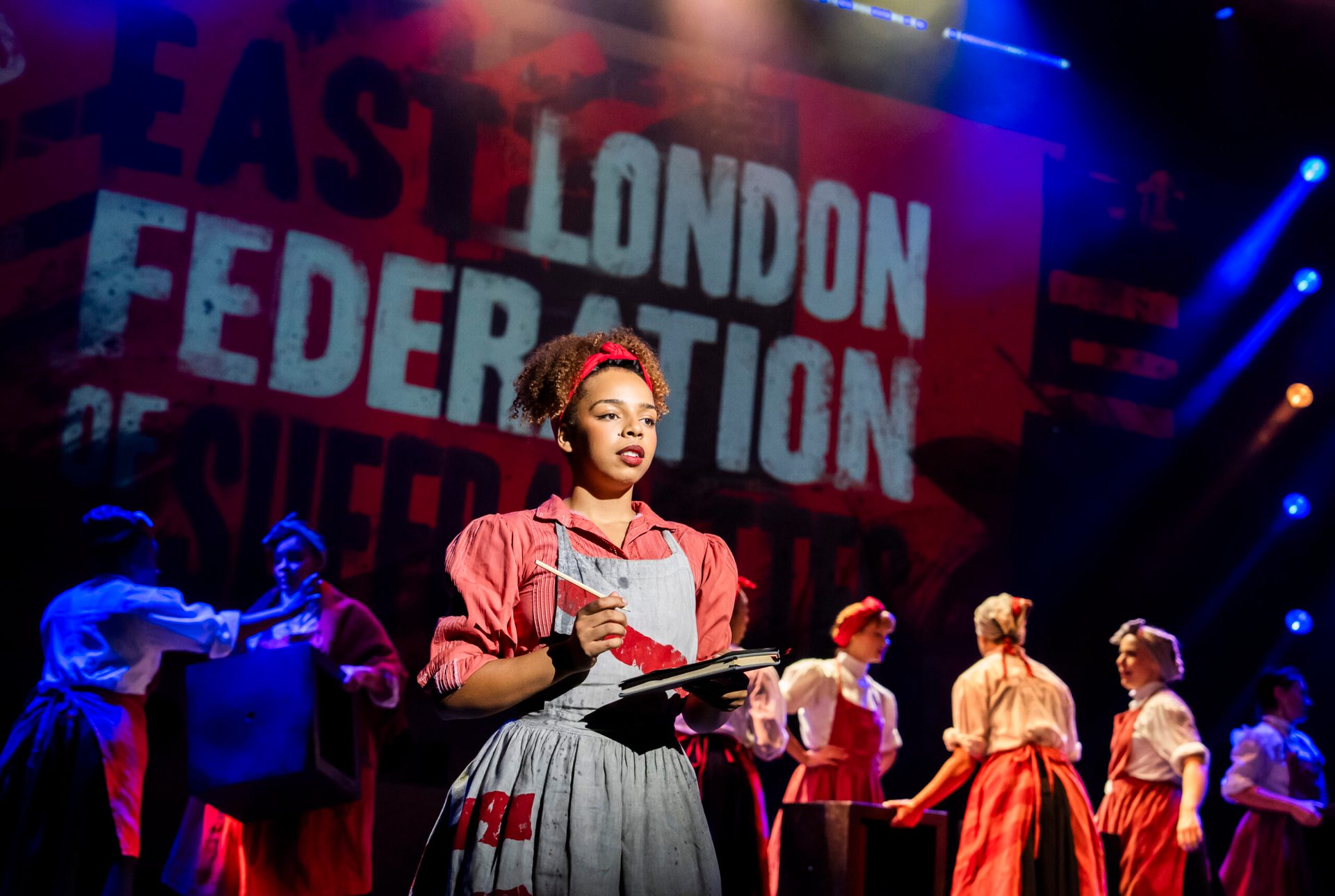
I loved the flashes of red in Ben Stones’s costumes. The workers wear red aprons, and Hardie wears a red scarf and red socks with his smart black-and-white suit. You can tell where he stands before he opens his mouth.
Director Kate Prince gets just as much out of three chairs as she does out of a stage full of dancers. In the prison force-feeding scene, three women are tied to chairs in a row. The guards go from one to the next, and the gaps between the chairs are enough to make you see three separate cells. There’s a chillingly ordinary list of what the prison needs, from rubber tubing to a steel gag. Then Katiyo sings about hearing the guards coming and wondering if she can hold her nerve. The whole thing is horrible to watch and brilliantly staged.
You hear exactly what’s at stake when the East End women go to see Asquith, a meeting that really took place in 1914. One mother tells him she ties her three-year-old to a table, leaves her a little food and water, and goes out to work. She has no other choice. The women in that scene are superb. That testimony was heart-wrenching.
A good way into the second half, Sylvia meets Silvio Corio, played by Ivano Turco. He went on to become her long-term partner, so clearly he’s an important part of her story but… by then I was completely caught up in the campaign, and suddenly there’s a love song. It felt wedged in to tick a box. It took me right out of the story, and another Hamilton lyric popped into my head: “Can we get back to politics, please?” Then, when we got to the bit I actually wanted the show to take its time over, winning the vote, it all wrapped up in about 2 minutes.
Somewhere along the way I stopped comparing Sylvia to Hamilton. I was too busy enjoying myself. It speaks volumes about this show that Charlotte, already exhausted when we got to the Hall at 7.30 on a Friday night in her first term at secondary school, was on her feet and dancing by the finale, full of energy. The music’s banging, it’s a great night out, and if you loved Hamilton and want to see powerful women with powerful voices telling the story of powerful women with powerful voices, this is the show you have to see.
★★★★
Sylvia: A Musical Revolution is playing at the Royal Albert Hall until Sunday 15 November.
Book your tickets at royalalberthall.com.
For information on the show and any future productions visit https://sylviamusicaluk.com
Words by Nick Barr
Production photography by Tristram Kenton