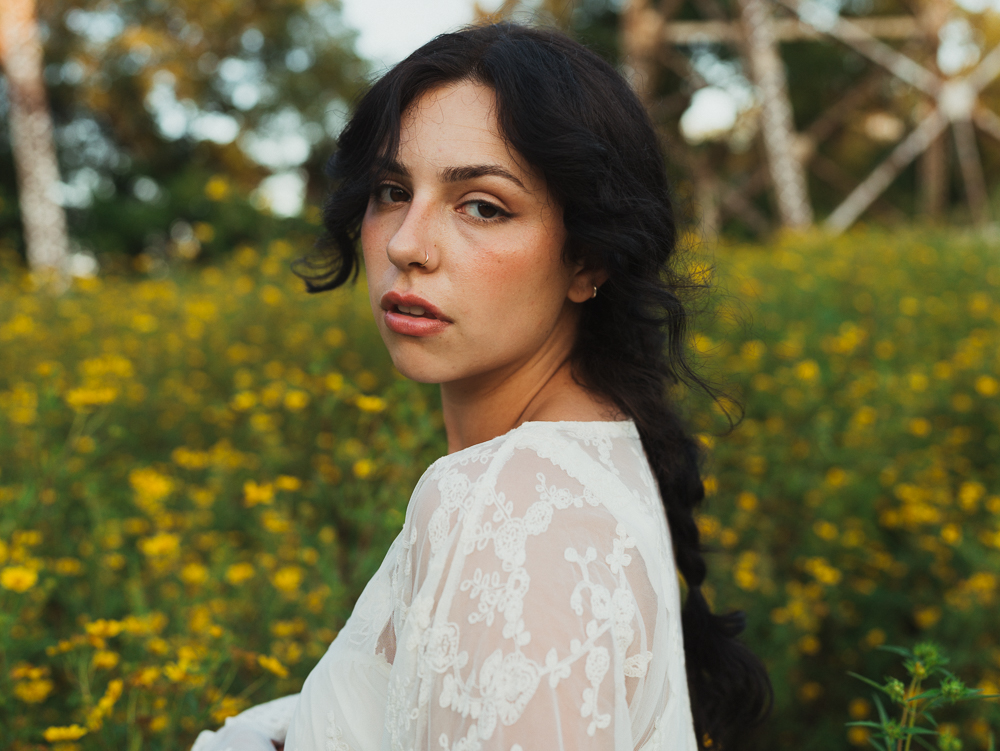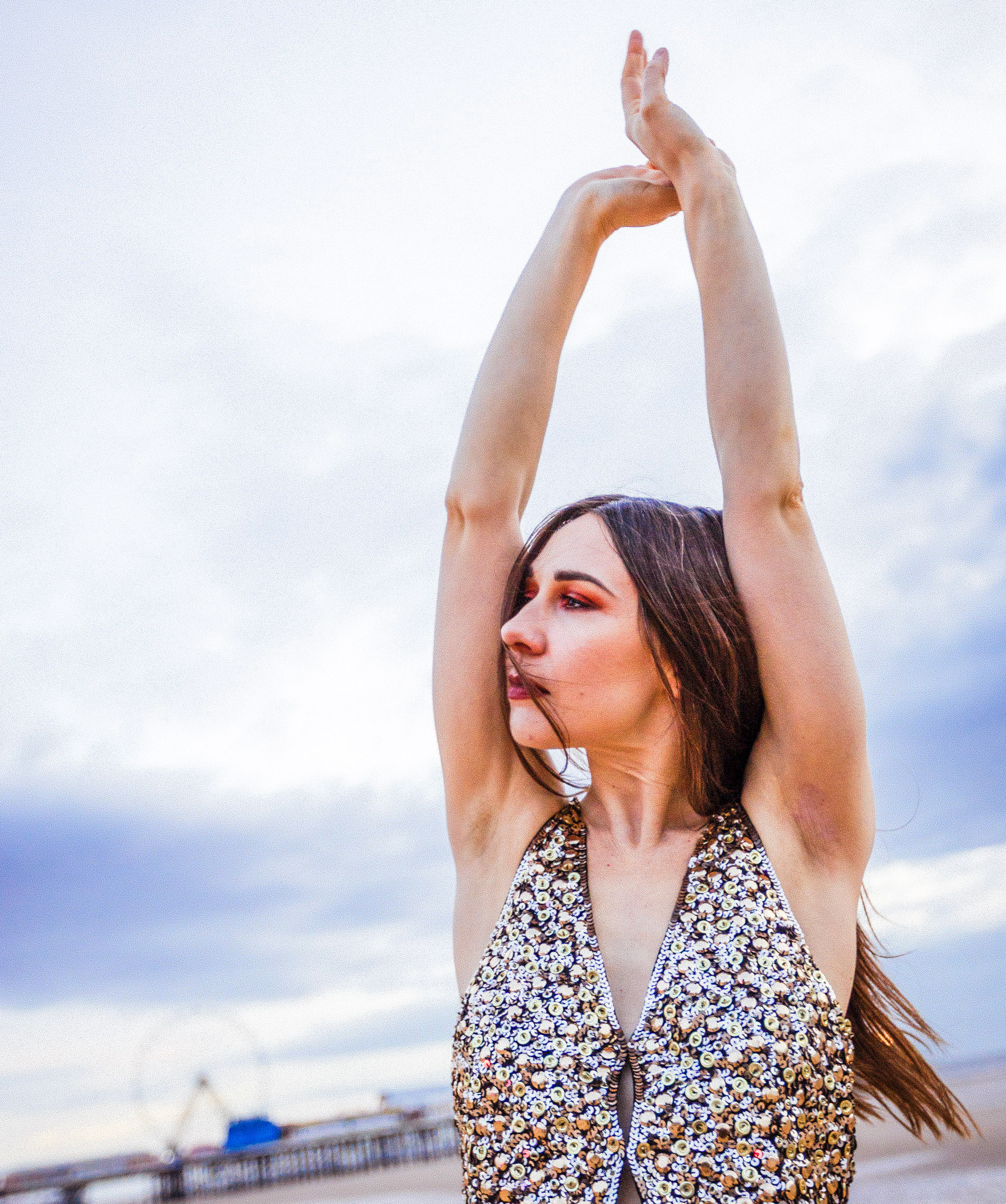
Natalie McCool has reached a point in her career where she’s stopped asking for permission.
The Liverpool singer-songwriter has always carved her own path through alternative pop, but Good For The Soul feels like a defining moment. Bolder, more adventurous and more confident than ever, the album moves from euphoric pop into darker, more cinematic territory while exploring the highs, lows and contradictions of adulthood.
Much of that confidence came from Welcome To Eurotopia, Liverpool’s ambitious Eurovision project, where McCool found herself thinking bigger than ever before. The experience opened the door to orchestral arrangements, new collaborations and a willingness to step beyond the creative boundaries she’d once placed on herself. As she tells us, it was the moment she truly began “stepping outside the box.”
That freedom runs throughout the record. Having taught herself to produce so she could bring the sounds in her head to life, McCool has made her most personal and fearless album yet, while carefully choosing collaborators who naturally belonged in her musical world.
In this edition of 18 Questions, we caught up with Natalie to talk about trusting her instincts, embracing collaboration, building real community, and why the best music often comes from breaking your own rules.
1. What’s the first thing you usually do when you wake up in the morning?
It sounds terrible but I check my phone! I need to get out of this habit but it’s a pretty gnarly one to try and break. On the plus side, sometimes I visualise what I need to do for the day, and go through it in my mind – that really helps me with the mental checklist and seeing tasks through.
2. What’s one thing you can’t live without right now?
Ice & Coke Zero. Cold beer. Because it’s so HOT! Also my acoustic guitar, I’ve been getting into playing acoustic again and it’s just so comforting.
3. What’s the best piece of advice you’ve ever been given?
I heard this recently and it’s actually changed my brain chemistry: “What would this look like if it were easy?” As a perfectionist and someone who puts a lot of pressure on themselves, sometimes I give myself way too much to do, when in reality only half of the things on the list will truly make a difference. Things are only as hard as you make them!
4. If you could have dinner with any musician, dead or alive, who would it be and why?
Jeff Buckley or PJ Harvey. Both! Ever since very early on in my creative journey, they were my biggest influences. I would just love to chat to them. Try and make them laugh!
5. What’s a song you wish you had written yourself?
So many songs. SO MANY. A recent one is “Good Luck, Babe!” by Chappell Roan. Totally aside from how popular it is, I just think it’s an incredible pop song. Everything about it is completely addictive.
6. When you’re not making music, what’s your favourite way to completely switch off?
I like to watch a really good series. My brain is so active these days I have to literally force it to consume someone else’s story to give it a rest from mine! I used to read a lot more, but I am a reading addict – once I get started you’d have to claw the book from my hands to get me to stop. Other than that, I also sing in London Contemporary Voices and its collective Kin Choir. It sounds counter-intuitive but singing unconventional arrangements is a great way to distract my brain.
7. What’s a place you’ve visited that completely changed your perspective?
I always remember visiting Park Güell near Barcelona when I was really young and actually getting lost there for a while away from my mum. The strange Gaudí sculptures made such an impression on me. I still remember it so vividly – it felt like I’d dropped into another world.
8. If you could go back and tell your younger self one thing before releasing your first record, what would it be?
Probably that you have to be your own biggest cheerleader and that your self-belief has to be pretty much indestructible. You almost have to be slightly delusional about what’s possible. After all, what’s life without dreaming big?

9. Good For The Soul feels like an album that’s constantly pushing against expectations, both musically and emotionally. Was there a moment where you consciously decided to stop worrying about fitting into a particular version of “Natalie McCool” and simply make the record you wanted to make?
Yes definitely. I think this was a result of the Welcome to Eurotopia show. It was such an expansive experience that it opened up creative avenues I hadn’t experienced before, like working with an orchestra, choreography and inviting other artists into my music. Personally I really felt that “stepping outside the box” moment. You do have an idea of who you are in your head and what you think you should be doing, but I also have a need to experiment and this album is the result of that.
10. You describe the album almost as two different journeys – a brighter, pop-driven first half before things become darker and more experimental. Did that structure emerge naturally, or were you always telling one story across two emotional worlds?
I think it emerged over the course of the songwriting. I literally wrote the record pretty much in the tracklist order, give or take a few! It started off quite bright, then definitely as the orchestral arrangements came in more, it delves a bit deeper. It was a pretty straightforward decision to present it as two halves because it really was written like that.
11. You’ve said Welcome to Eurotopia changed the way you think about collaboration, leading you to invite other artists into your world for the first time. What shifted in you creatively after that experience?
I am now just a lot more creatively open generally speaking. I still feel an incredible sense of ownership because I’m ultimately driving the project, but I also feel as though I’ve stepped into a project manager and producer role alongside writing and performing. Eurotopia was definitely the catalyst for that.
12. Before this record, you were happy carrying everything yourself. Was letting other people into the creative process exciting, or did it take a lot of trust to hand over part of your vision?
I invited artists who I could already hear on the songs. I could already imagine their voice on the track, so I trusted them because I knew it would work. I think the guest artists really suit the songs they’re on.
13. “So Lonely, Lonely” explores the disconnect of modern life and the idea that we’re becoming less connected despite being online all the time. Do you think we’ve forgotten how important real communities are?
I think we forgot for a time but we’re remembering because it’s been so cold out there in the wilderness! I think it’s really important to be plugged into your local community. People don’t even know their neighbours these days. When I get on the Tube everyone has headphones on and their heads stuck in their phones. I think we need a social reset.
14. You taught yourself to produce because you could already hear the finished songs in your head. Looking back, was learning those technical skills one of the most liberating creative decisions you’ve ever made?
Definitely – and oh so liberating! It was one of those things I never imagined I’d be able to do. But if you have the ideas and the vision, you have to match it with the practical and technical side. Otherwise you’re doing yourself a disservice.
15. One thing that stands out on this record is how fearless it feels. Whether it’s unexpected collaborators or songs that deliberately disorientate the listener, you seem much more willing to take risks. Has your relationship with failure changed as you’ve grown as an artist?
I don’t think you can really “fail” when you’re doing something creative. Art is just an expression of you at that moment in time. Some of it lands better than others, but that depends on who it reaches. I think more about reaching the right people now, and the collaborations have helped open the music up to new audiences.
16. From Trans Voices to She Drew The Gun, every collaboration feels carefully chosen rather than there for name value. What makes someone the right fit for a Natalie McCool song?
First of all, I have to be able to hear their voice or style on the track before I even ask them. Secondly, I need to think they’ll genuinely connect with the song. Fortunately, all of these collaborations hit both of those points.
17. This album celebrates joy, but it doesn’t ignore the difficult parts of adulthood either. Do you think optimism is something we find, or something we have to actively choose every day?
That’s a great question. I think you probably have to find it first within yourself before you can choose it. For me it’s about noticing the small things. Sometimes the world is so beautiful and it’s a miracle we’re here, so just enjoy it.
18. You’ve said one of the joys of being an artist is “breaking the cage.” Once Good For The Soul is out in the world, where do you still want to surprise people next?
I’ve been thinking a lot about how every track on an album deserves its own spotlight, rather than just a few singles. I’m still figuring out exactly what that looks like, but I also have ideas about taking these songs to completely different audiences. So… watch this space!
“We’re the Ones” is out now and is taken from the album Good For The Soul out September 9th, pre-order here. Follow via @nataliemccool