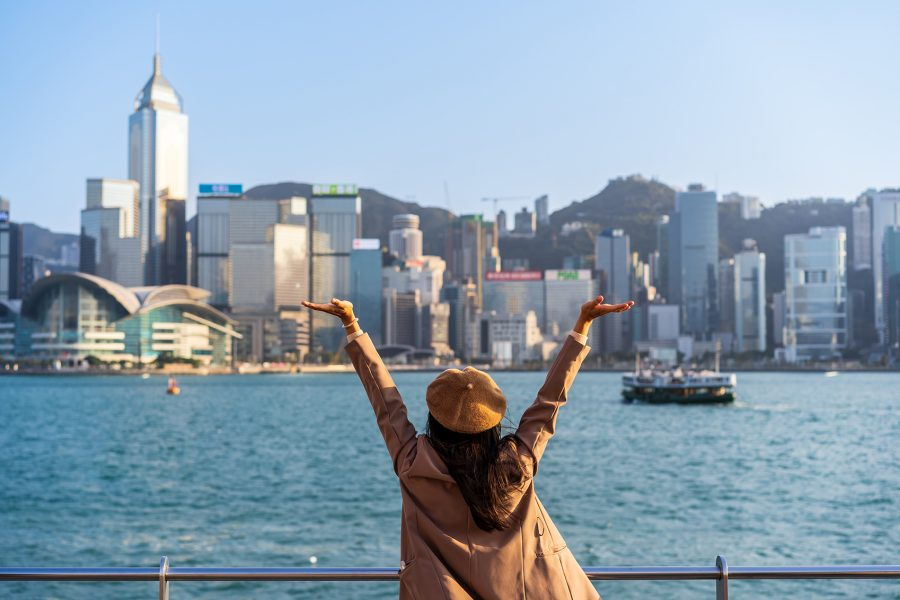
The Hong Kong tour that benefits most from planning according to neighborhoods and not individual attractions is Hong Kong. The purpose of visiting the city in two days is not to visit everything, but rather to get a few neighborhoods together without losing valuable hours by traveling through the city. Gother could be of assistance here.
The city is small, yet its topography, the port, its crowds, and streets make it difficult to fit a rushed itinerary. An itinerary for the weekend should incorporate well-known view points along with street experiences. Selecting the right base and organizing nearby sights is essential.
Where to Stay for a Short Hong Kong Visit
For a first-time visitor, Tsim Sha Tsui serves as a good location. This is because it is situated at the waterfront of Kowloon, near Victoria Harbour, the Star Ferry, shopping areas, and MTR stations. Visitors who are looking forward to evening views and fast access to both Kowloon and Hong Kong Island can consider this option.
Another good option for visitors is Central and Sheung Wan. Visitors who are more interested in dining areas, night scenes, historical streets, and trips to the Peak area can consider this option. Accommodation in this place may prove costly and some streets in this area may prove difficult.
Causeway Bay suits travelers who enjoy shopping and a busier local rhythm. Mong Kok offers a denser Kowloon experience with markets, casual food, and late-night energy. Before booking, use the exact map location to find a hotel in Hong Kong within a short walk of an MTR station. A property that looks central may still involve steep climbs or long pedestrian routes.
Plan Faster With Gother and Neighborhood Clusters
The most efficient two-day itinerary groups attractions into zones. Gother fits naturally into this approach because accommodation choices should support the places you plan to visit. Instead of chasing the lowest room price across the city, compare total convenience.
First, spend a day on Hong Kong Island and its port area. For the second day, concentrate on Kowloon and then add a last location for viewing. Public transport is convenient for that. The MTR handles long trips within the city, while trams give a slow tour of Hong Kong Island. There are also ferries crossing from one side to another of the Victoria Harbour.
Day One: Central, The Peak, and Victoria Harbour
Begin in Central, after having breakfast. Explore the area surrounding Central and Sheung Wan, which is a combination of modern skyscrapers closely found with old shops, temples, cafés, and alleys. Such a mix will provide a good start to the city without going far.
The late morning would be ideal to visit Victoria Peak. The Peak Tram seems to be the obvious choice if it is open; otherwise, use buses or taxis. It is important to check out the operating notices before leaving as the maintenance works might impact the service.
Go downhill to have lunch in Central or Sheung Wan. Eat wonton noodles, roasted meat, congee, rice meals or dim sum rather than visiting famous restaurants all the time. Small local places would be more suitable for a busy day as they would save both time and effort.
Spend the afternoon riding a tram to the east of the city or walking through Admiralty and Wan Chai, if there is enough energy. It is important not to overload the schedule. Leaving some free time for the harbor in the late hours of the day will make the first evening less hectic.
Take the Star Ferry across Victoria Harbor to Tsim Sha Tsui. Star Ferry connects Kowloon with Hong Kong Island and provides a view of the skyline from the ferry. Once arrived, explore the harborfront near the Avenue of Stars and watch the lights turn on. Other users who plan to spend their time at the harbor might consider this location convenient as many hotels are located in Kowloon.
What to Eat Without Losing Half the Day
Hong Kong is a city where food can shape the route rather than interrupt it. Match meals to the district you are already exploring instead of making three long restaurant detours. This keeps the schedule flexible and makes it easier to try different styles.
For breakfast, try a local cafe-style meal with toast, eggs, noodles, or milk tea. Lunch can be dim sum, noodles, roast goose, barbecue pork, or a rice plate. In the evening, Kowloon offers everything from casual Cantonese cooking to international restaurants.
Dessert and snacks are easy to add between stops. Egg tarts, pineapple buns, tofu pudding, mango desserts, and egg waffles are familiar local choices. Pick one or two instead of turning the day into a checklist.
Busy restaurants may use shared tables or quick service. If a popular place has a long line, keep a nearby backup choice rather than losing an hour during a short visit.
Day Two: Kowloon Markets and Local Streets
Start the second morning in Kowloon. If you’re staying in Tsim Sha Tsui, go north toward Jordan and Yau Ma Tei. These areas have a different feel from the sleek waterfront, featuring traditional shops, markets, residential buildings, and lively local streets.
After checking out the area, keep moving toward Mong Kok. Street markets shift their vibe throughout the day, so look up current hours for any particular market you plan to see. Walk at a relaxed speed because the real appeal here is observing details, not hurrying from one landmark to another.
Enjoy lunch in Mong Kok or Yau Ma Tei, then decide between spending more time in Kowloon or heading back to Hong Kong Island one last time. Those with a cultural interest might favor museums, art galleries, or restored heritage sites. For shopping enthusiasts, staying in Mong Kok, Tsim Sha Tsui, or Causeway Bay could be a good choice.
If your flight leaves late, finish near a district with simple airport access. Gother can be useful at this stage because the best final stop depends on your luggage location and chosen airport transfer.
Practical Tips That Make 48 Hours Easier
Travel Lightly in Day: Hong Kong is full of stairs, sidewalks, transfers and up-and-downs, so comfortable walking shoes can be a bigger priority than another sightseeing stop.
Check the Weather if You Want to Do Any Day Trips to Outside Lookouts/Views: Hong Kong is a Subtropical Climate, which means that the weather can be fickle and tropical at certain points of the year, which can interfere with outdoor excursions at a certain point. A hot day’s lunch break in an air-conditioned restaurant can go a long way for the rest of the day.
Leave Some Room in Your Wallet: While cards and mobile payments are becoming a dominant force in the region, Octopus cards still rule the roost for virtually any purchase you make, from transportation fares to groceries.
Hong Kong International Airport is a Snap to Get To/From, But Allow Plenty of Time: The Airport Express will get you to Hong Kong Island in about 24-25 minutes, while buses and taxis are also available. It really depends on where you’re staying and what transportation you have at your disposal.
Leave With a Clear Sense of the City
A short trip to Hong Kong can be most enjoyable if you leave behind the idea of visiting all the must-see attractions. In two days, you may experience the harbor, take a walk over a marvelous view, explore the old and new districts, get acquainted with local transportation, and have amazing meals in different places.
It is necessary to choose a hotel where you can spend two nights, which will be located near the desired transport hub, and provide an opportunity to get to the airport without any problems. It is also essential to plan a route through central districts and leave some free time to enjoy street life in Hong Kong.