Touring is a metabolic marathon that often leaves artists physically depleted and nutritionally unanchored. There are over 20,000 live music events globally every single day, and for the performers behind them, the “road diet” of gas station snacks and late-night riders is a recipe for burnout. Maintaining steady energy isn’t about perfection; it is about biological management.
When you are living out of a suitcase, your body loses the routine cues it uses to regulate hunger and wakefulness. This leads to a cycle of caffeine-fueled mornings and sugar-crashing nights. By implementing a few evidence-based habits, you can protect your vocal cords, your mood, and your waistline while moving between time zones.
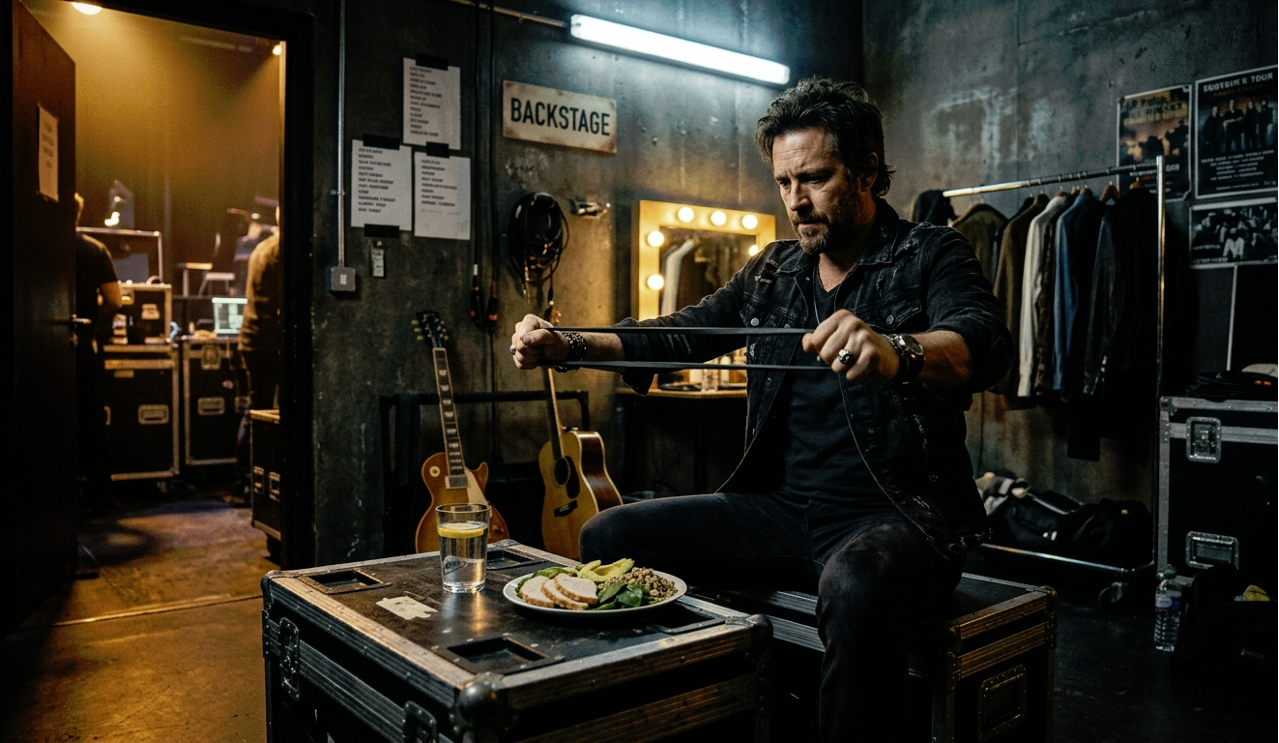
Image Source: Google Gemini
Prioritize Front-Loaded Protein Intake
The most effective way to dampen mid-show cravings is to hit your protein targets as soon as you wake up. Research into appetite regulation shows that consuming high-quality protein at your first meal stabilizes blood glucose and helps manage hunger hormones like ghrelin for the rest of the day. This prevents the “insulin roller coaster” that leads to post-performance binging.
For touring professionals, this means skipping the hotel cereal and opting for eggs, Greek yogurt, or high-quality protein snacks before the first soundcheck. A protein-heavy start creates a metabolic foundation that makes you more resilient to the inevitable stress of travel delays and erratic schedules.
Master the Art of Sleep Banking
While the “rockstar” lifestyle suggests late nights and early flights, the most successful long-term performers treat sleep like a bank account. Irregular nutrition is a source of fatigue, but this is often exacerbated by sleep debt. Sleep banking involves getting extra rest in the days leading up to a heavy travel block.
By intentionally over-sleeping by one or two hours before a tour leg begins, you build a buffer for the nights when a 4:00 AM lobby call is unavoidable. This extra rest helps maintain leptin levels, the hormone that tells your brain you are full, which prevents the mindless snacking often triggered by exhaustion.
Strategic Fiber and Hydration Timing
Before you reach for a heavy meal at a rest stop, implement a “fiber-first” sequence by eating a handful of carrots or a small apple. Fiber creates a physical buffer in the stomach, slowing the absorption of glucose and keeping your energy levels linear rather than erratic. This is especially crucial when the only available food options are processed or high-carb.
Hydration is equally vital for appetite control. Often, the brain confuses thirst signals with hunger, leading performers to eat when they actually just need fluids.
- Drink 500ml of water before every meal to signal gastric fullness
- Pack non-perishable seeds to maintain fiber intake between stops
- Use electrolyte powders to prevent the sodium deficiencies that trigger salty cravings
Utilize Telehealth for Continuity of Care
Touring often interrupts long-term health goals because it is difficult to find a consistent doctor while on the move. However, the rise of telehealth has made it possible to maintain clinical oversight for weight management and metabolic health regardless of your zip code. For many artists, this includes modern medical support, such as a Tirzepatide program.
It’s worth taking time to read Tirzepatide program insights into how GLP-1 medications can help regulate appetite by mimicking natural hormones. When used under professional supervision, these tools offer a way to manage chronic weight challenges even when your environment is working against you.
Align Light Exposure and Circadian Rhythms
Your body’s internal clock is heavily influenced by when you see the sun. When crossing time zones, timed light exposure is the strongest signal for resetting your rhythm and ensuring your metabolism stays active.
If you are traveling east, seek out bright morning sunlight to advance your clock. Conversely, westward travelers should stay in the light during the late afternoon to delay it. Aligning your largest meals with these daylight hours supports insulin sensitivity and ensures your body is actually prepared to digest the fuel you are giving it.
Implement Resistance Band Strength Work
You do not need a gym to maintain the muscle mass that keeps your metabolic rate high. Carrying a set of resistance bands allows for a full-body workout in a green room or a hotel room in under twenty minutes. This short burst of activity increases glucose uptake in the muscles, which helps keep your blood sugar stable after eating.
Physical activity also serves as a mental reset. The release of endorphins from a quick set of rows or squats can combat the “tour blues” and provide a natural energy boost that lasts longer than a third cup of coffee.
Audit Your Backstage Rider
The final habit of the high-energy performer is the proactive management of the rider. Instead of letting a venue decide your nutrition, request specific “power foods” that support your energy goals. Asking for deli turkey, pre-cut vegetables, and seltzer water ensures that you have healthy options immediately available when you come off stage.
Managing your appetite on the road is a series of small, intentional decisions. By focusing on protein, light, and clinical consistency, you can ensure that your final show of the tour has the same high-octane energy as your first. To learn more about life as a touring musician, take a look at the other posts on our site.