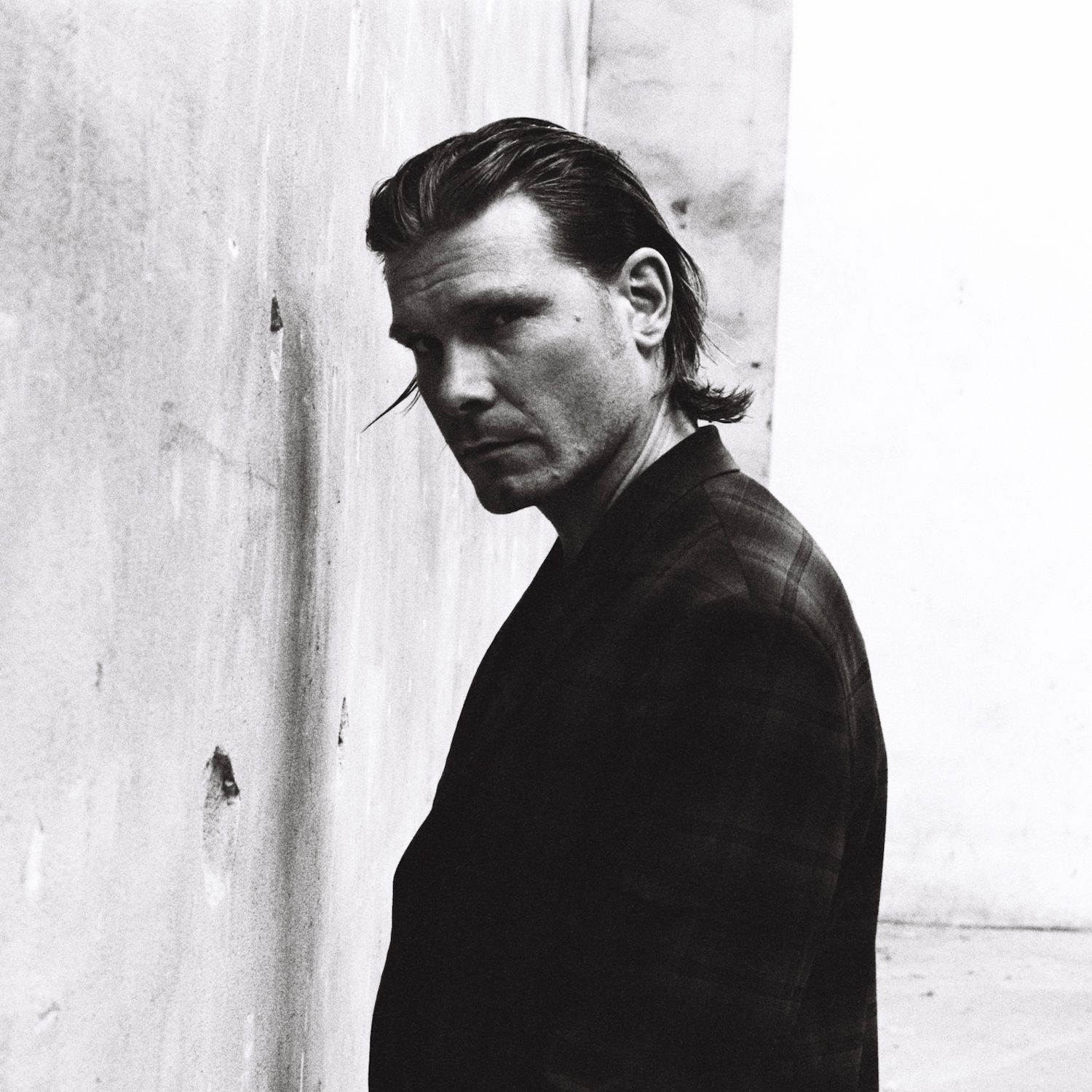
Marcel Dettmann has spent decades at the forefront of electronic music, helping shape the sound and culture of techno from Berlin’s underground to dancefloors across the world. Known for his deep, hypnotic sets and uncompromising approach to music, he remains one of the scene’s most respected and influential figures.
This summer, Dettmann heads to Turin for Kappa FuturFestival, where he’ll join longtime friend and collaborator Ben Klock for one of the weekend’s most anticipated back-to-back sets. Set against the striking industrial backdrop of Parco Dora, the festival has become one of Europe’s premier destinations for electronic music, bringing together global icons, underground favourites and fans from more than 150 countries.
Ahead of his return to Kappa FuturFestival, we put 18 Questions to Marcel Dettmann to discuss creativity, inspiration, Berlin, life away from the dancefloor and the memories he hopes people take home from his sets.
1. What’s the first thing you usually do when you wake up on a festival day?
Usually a coffee and a quiet moment before the day starts. Festival days can be quite intense, so I try to keep things relaxed for as long as possible.
2. Where do you feel most at peace creatively?
In the studio when there are no distractions. Just listening, experimenting and letting ideas develop naturally.
3. What’s something people often misunderstand about you?
Maybe that I’m more serious than I actually am.
4. Do you find inspiration more in music itself or in everyday life around you?
Both. Music is always there, but a lot of inspiration comes from everyday observations, conversations, films, photography or simply walking through a city.
5. What’s one record you always seem to come back to no matter how much time passes?
There isn’t just one. The records that stay with you are usually the ones that reveal something new every time you hear them.
6. Outside of clubs and festivals, what helps you disconnect properly?
Spending time with my family, photography and getting away from screens and schedules for a while.
7. You grew up in East Germany before becoming part of Berlin’s electronic scene. Looking back now, how much do you think your environment shaped your creative identity?
Quite a lot. You don’t always realise it at the time, but your surroundings shape the way you see the world and how you approach creativity.
8. After so many years in music, what still gives you the same excitement you felt when you first started DJing?
Discovering music. That feeling hasn’t changed.
9. Kappa FuturFestival takes place in one of the most visually distinctive festival settings in Europe. Does the atmosphere or architecture of a space affect the way you approach a set?
Definitely. Every space has its own character. Architecture, light and atmosphere all influence how music is experienced.
10. You’re returning to Kappa FuturFestival this summer for a b2b with Ben Klock. What makes that connection work so naturally after all these years?
We trust each other. That allows things to happen naturally.
11. When you and Ben play together, how much is instinct in the moment versus preparation beforehand?
Very little preparation, to be honest. It’s mostly instinct and reacting to each other and the crowd.
12. Your sound has always balanced intensity with restraint. What do you think people misunderstand most about minimalism in techno?
People often associate minimalism with having fewer elements. What interests me more is how those elements interact over time.
13. You’ve spoken before about being influenced by post-punk, industrial and new wave music before techno entered your life. Do those influences still shape the way you hear music today?
Absolutely. Not necessarily in a direct musical way, but definitely in terms of mood, attitude and aesthetics.
14. Berlin club culture has changed massively over the last two decades. What do you think has been gained, and what do you think has been lost?
A lot more people have access to this culture now, which is great. At the same time, some of the sense of discovery that existed before social media has inevitably changed.
15. Techno has become far more mainstream globally in recent years. Has that shift changed the energy of dancefloors from your perspective?
In some places yes, in others not at all. Ultimately it still depends on the people in the room and their connection to the music.
16. You’ve always seemed more focused on longevity than hype. What’s the key to staying creatively driven after decades in the scene?
Remaining curious and continuing to search for new ideas, music and perspectives.
17. Kappa FuturFestival brings together huge international crowds every summer. What kind of energy are you hoping to create in Torino this year?
Something intense, emotional and unpredictable. The best moments are usually the ones you can’t plan.
18. When people leave one of your sets, what do you hope stays with them afterwards?
I hope people leave with a memory that stays with them. Not because they captured it on a phone, but because they experienced it in their own way.
Kappa FuturFestival takes place in Turin from July 3–5. For more information, visit www.kappafuturfestival.it.
Follow via @marceldettmann
Photography Sven Marquardt