Modeling agencies have changed. They used to just be gatekeepers, traditional talent bookers, and administrative powerhouses aiming to get their models the best trajectory possible. In the past, it was all about the brand and how a model could fit into a brand’s narrative.
Things have changed. Model agents are more than just the guiding light for a model’s career, they have evolved into digital brand managers that partly rely on social followings to help boost a talent’s gigs. They also help a model’s own personal nature, authenticity and cultural background shine in campaigns, making them more than just a booking to a brand.
According to a recent report, 63% of agents go to social media to discover new talent, mainly TikTok. Modeling agents in 2026 are looking for diverse body types, ages, and ethnic backgrounds to meet the Gen Z consumer demand for identifying with a brand. Models represent the audience, after all.
In an ever-evolving industry like fashion, the shift toward genuine representation requires more than just passive acceptance; it demands deliberate advocacy and strategic foresight.
Over the past six years, internationally-recognized British fashion model agent Yasmin Thompson-Lamont has become part of this evolution of digital creators turned runway models. Every day, she shapes model careers through a methodology centered on individuality, long-term career planning and authentic alignment between brands and talent, highlighting talent and who they really are.
Being an agent requires technical skill to identify raw potential, build trust and secure high-impact bookings across editorial, runway and commercial markets (often under a tight deadline for London Fashion Week). Thompson-Lamont’s portfolio includes the strategic placement of non-traditional talent within globally recognised campaigns for Nike, Coach, Jil Sander and Paolina Russo, among many others.
The conversation surrounding diversity in fashion often centers on the visibility of non-traditional models, but the backend mechanics of scouting, development, and career placement remain crucial to lasting change.
“I was fortunate to be a part of a generation of agents helping move the industry forward in 2020; I have also learned the ropes surrounded by people who continue to challenge and reshape it today,” said Thompson-Lamont. “As part of that team, and now as an individual voice continuing to advocate for the same movement, I have learned to identify a model’s potential, develop them professionally and champion them with clients who may not have initially considered them.”
The mainstream reaction to unconventional talent has surged, leading traditional agencies to expand their rosters. However, Thompson-Lamont is quick to distinguish between surface-level trend adoption and meaningful institutional reform. “Some agencies promote authentic characters while still applying strict height requirements, prioritising established social-media reach or favouring people who already have industry access,” she notes. “Real change means recognising potential before someone has visibility, connections or conventional credentials, and giving them the support to build a career on their own merit.”
For Thompson-Lamont, effective representation also means auditing briefs to ensure that styling, narrative and brand ethos align with a talent’s core values rather than treating casting as a transactional exchange.
“A brief is never just about producing one successful image,” said Thompson-Lamont, who, before confirming a job, considers whether the concept, styling and message of a brand genuinely aligns with the model’s identity, values, and long-term direction. “A model shouldn’t have to perform a false version of themselves simply to fit a campaign. When the casting is thoughtful, and the model can bring their real personality to the shoot, the result is usually much more compelling.”
Through the careers of models, here are three examples of Thompson-Lamont’s methodology and how it is best understood through her key placements, where long-term strategy takes precedence over quick wins.
Sheerah Ravindren
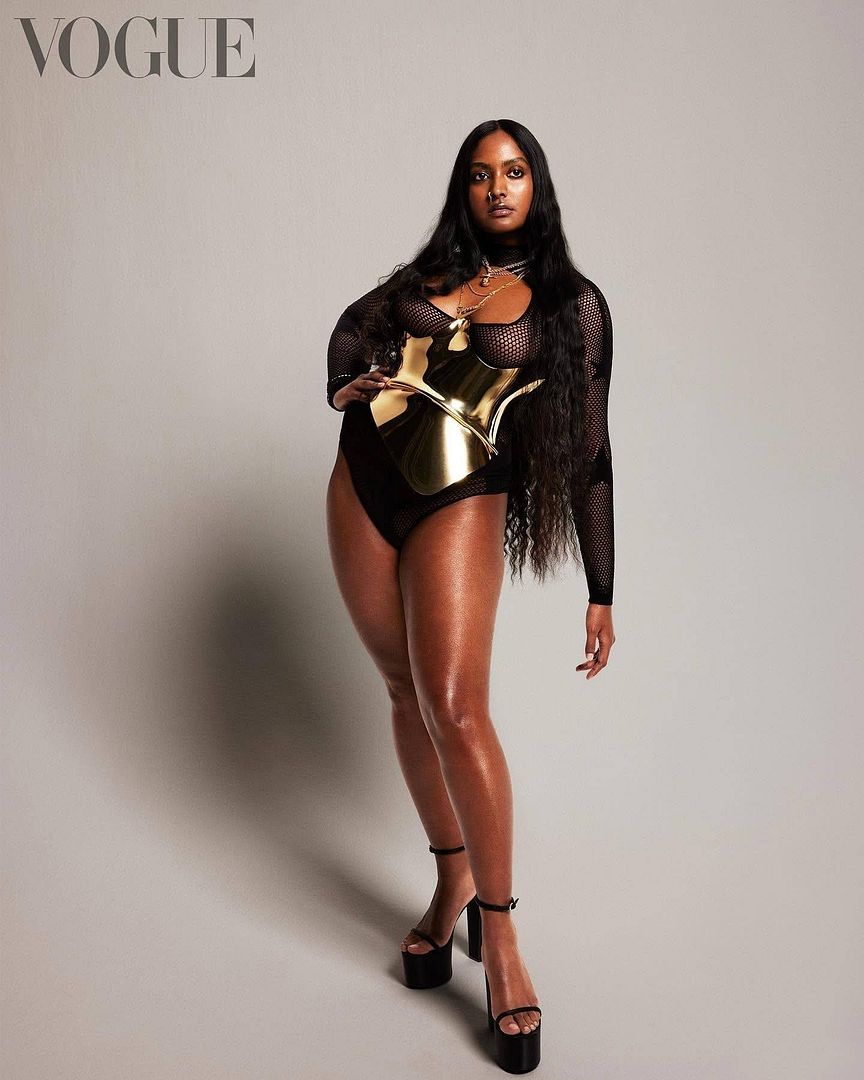
After scouting Sheerah Ravindren and recognising their distinct presence and involvement in the LGBTQIA+ community, Thompson-Lamont personally pitched them to British Vogue.
The result was Ravindren’s professional modeling debut on the cover of the August 2022 Pride issue alongside 11 other LGBTQIA+ models, photographed by Mert Alas and Marcus Piggott, the renowned fashion photography duo who have shot everyone from Kylie Jenner to Madonna, Lady Gaga and Taylor Swift. The shoot had a significant industry impact; in short, it went viral. It was written about in PAPER magazine, Vogue India, dscene and Daily Front Row, among others.
“The British Vogue cover was especially significant because it was Sheerah’s first professional modelling job,” she said. “The cover didn’t create their identity or influence, but it gave them a global platform and positioned them alongside established LGBTQIA+ creatives and trailblazers.”

Tommy Blue (Tommi Kumbi)
Already established within high-fashion and runway circles, including work with Balenciaga, Tommy Blue had built a strong editorial identity. Thompson-Lamont, however, saw that his appeal could extend beyond the catwalk and into a broader commercial market without losing the individuality that made him distinctive.
“Tommy already had serious high-fashion credibility, but I could see that his presence would translate far beyond runway,” she says. “When the Adidas Originals opportunity came up, I advocated for him as someone who could bridge those two worlds.”
The 2025 campaign gave clients the opportunity to see Tommy through a different lens, strengthening his commercial positioning while preserving the qualities that had already made him compelling within fashion.
“For me, that is what strategic representation should do,” Thompson-Lamont explains. “It is about recognising where a model is already respected, identifying the next space they can credibly move into and creating opportunities that expand their career rather than flatten what makes them unique.”
Paloma Sandoval
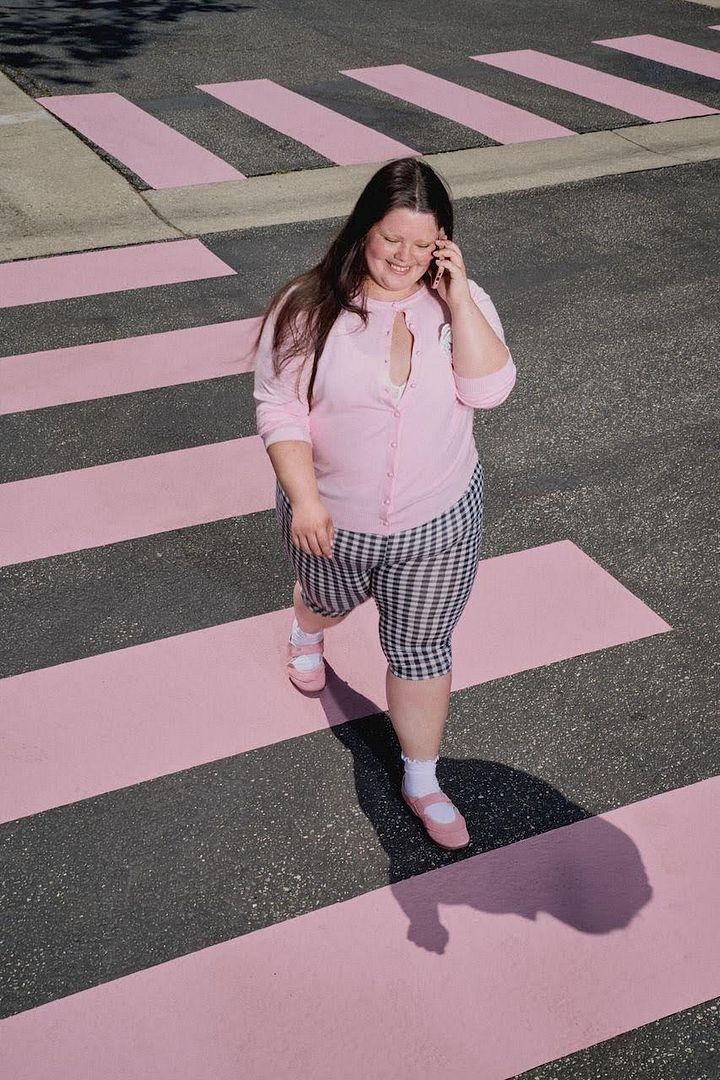
Discovered by Thompson-Lamont via TikTok based purely on her charisma, Paloma Sandoval was signed before her public profile exploded. Sandoval is a plus-size model with over 180,000 followers on Instagram and over 470,000 followers on TikTok.
As a modeling agent, Thompson-Lamont carefully navigated Sandoval’s trajectory to ensure she was established on her own artistic merits, rather than her connections, as Sandoval is the childhood best friend of pop star Sabrina Carpenter. Thompson-Lamont secured Sandoval’s first major modeling job in a Target campaign before helping position her for campaigns and features involving Sephora, UGG, Cosmopolitan and Dazed.
“I first came across Paloma through a TikTok she had posted,” said Thompson-Lamont. “I didn’t know how many followers she had or who she was connected to; I simply saw someone beautiful, charismatic and completely memorable. Cosmopolitan became an important turning point, followed by opportunities with Sephora, UGG and Dazed. My original instinct was always about Paloma herself—her personality, presence and potential.”
As fashion continues to evolve, the role of the agent goes far beyond coordinating administrative logistics. Thompson-Lamont’s work demonstrates how deliberate advocacy and strategic representation can expand opportunities for talent who may previously have been overlooked. “For me, I want to show the full impact an agent can have: identifying potential before the wider industry sees it, advocating for that talent and connecting them with an opportunity that can change the direction of their career,” she said. Her work shows what a great agent can do behind the scenes: recognise possibility early, fight for the right opportunities and turn a single introduction into the beginning of a lasting career.
Words Nadja Sayej