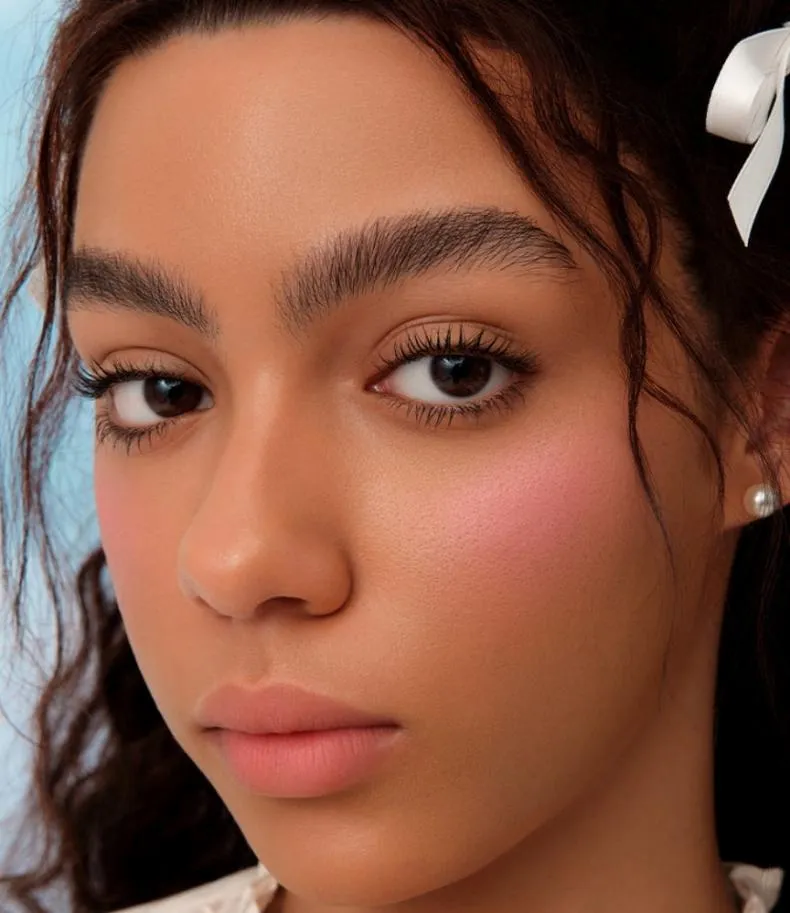
A soft-focus blush makeup look makes the cheeks appear smooth, diffused, and naturally fresh instead of sharply defined. The effect comes from choosing the right shade, controlling pigment, and blending with care so color melts into the skin. Rather than placing one heavy stripe of blush, you build a light veil that brightens the face and softens features. This approach works especially well for everyday makeup because it looks polished without feeling overdone. With a few practical techniques, you can create a blurred cheek effect that feels balanced, flattering, and easy to wear.

Choose the Right Blush Shades and Textures for a Blurred Effect
Select Soft Pink and Peach Tones for a Fresh Appearance
Soft pink and peach blush shades create the most natural blurred effect because they mimic a gentle flush instead of adding harsh contrast. Light-to-medium pinks brighten the complexion, while peach-based tones add warmth and softness that help cheeks look healthy and awake. FlowerKnows Bunny Garden Embossed Blush offers two useful examples for this look: S01 Pink Doll, a juicy guava pink that can be worn sheer or built up for a vivid finish, and 03 Ballet Tutu, a peachy pink designed for a fresh, youthful daytime result. For a soft-focus blush makeup effect, choose tones that lift the face subtly and blend easily into your natural undertone without appearing too stark.
Use Buildable Blush Formulas for Better Color Control
Buildable blush formulas make it easier to create a soft-focus finish because they let you control intensity without overloading the skin. A formula that applies lightly at first gives you room to add color in thin layers, which helps the final result look smoother and more realistic. This matters because a blurred cheek effect depends on transparency around the edges and slightly deeper color at the center of placement. Powders with a refined texture and creams that spread evenly both work well when they do not grab in one spot. Choose a blush that blends without patchiness so you can refine placement gradually and maintain a soft, diffused appearance.
Blending Techniques to Achieve a Smooth Soft-Focus Blush Look
Apply Small Amounts and Layer Gradually for Even Coverage
To create a smooth soft-focus blush look, start with less product than you think you need. Pick up a small amount on your brush or tap a light dot of cream onto the cheeks, then build slowly. This method prevents uneven color blocks and allows the blush to sit more naturally on the skin. Begin at the high point of the cheek, then move outward and slightly upward using light pressure. Add another thin layer only after the first one is blended. Gradual layering creates depth without obvious edges, which is essential for a blurred effect. Controlled application also helps both cheeks stay balanced and symmetrical throughout the routine.
Blend Edges Carefully to Create a Diffused Cheek Effect
The soft-focus effect depends less on strong color and more on how well you blur the edges. After placing blush, use clean circular or sweeping motions to soften the perimeter so it fades gently into the surrounding skin. Keep the center of color slightly richer, then thin it out as you move toward the temples or under-eye area. A fluffy brush works well for powder, while a sponge or fingertips can diffuse cream formulas without disturbing the base. Avoid stopping the product abruptly, because sharp borders make blush look obvious rather than airy. When the edges are fully blended, the cheeks appear smoother, fresher, and naturally lit from within.
Pair Soft-Focus Blush With Other Makeup Elements for Balance
Combine Blush With Lightweight Base Makeup for a Seamless Finish
Soft-focus blush looks best over lightweight base makeup because heavy layers of foundation can make cheek color appear flat or disconnected from the skin. A sheer foundation, skin tint, or lightly concealed base allows natural texture to show through, which helps blush blend more seamlessly. If the complexion products are too matte or thick, the blush may sit on top instead of melting in. Prep the skin with moisturizer, then apply base products in thin layers so the cheeks remain flexible for blending. You can also set only the areas that crease or become oily, leaving the cheek area slightly more natural. This creates a smoother, more unified finish overall.
Match Blush Intensity With Lip and Eye Makeup Styles
A soft-focus blush effect feels most polished when the rest of the makeup matches its softness. If you wear a fresh daytime eye look and a tinted lip, keep the blush airy and light so the face stays balanced. If the eyes are more defined, you can build the cheek color slightly while still preserving blurred edges. The goal is harmony, not competition. Very bold lips or dramatic eye makeup paired with heavy blush can make the face look crowded and reduce the gentle diffused effect. Choose lip and eye tones that support the blush shade family, such as rosy or peachy accents, to create a cohesive and flattering overall result.
Conclusion
Creating a soft-focus effect with blush makeup comes down to smart shade selection, controlled layering, and careful blending. Soft pink and peach tones help mimic a natural flush, while buildable formulas make it easier to keep the finish smooth and diffused. When you apply blush in light layers, blur the edges, and pair it with a lightweight base, the cheeks look fresh instead of overly made up. Keep the rest of the makeup balanced, and the final result will feel polished, flattering, and easy to wear for both casual days and more refined looks.