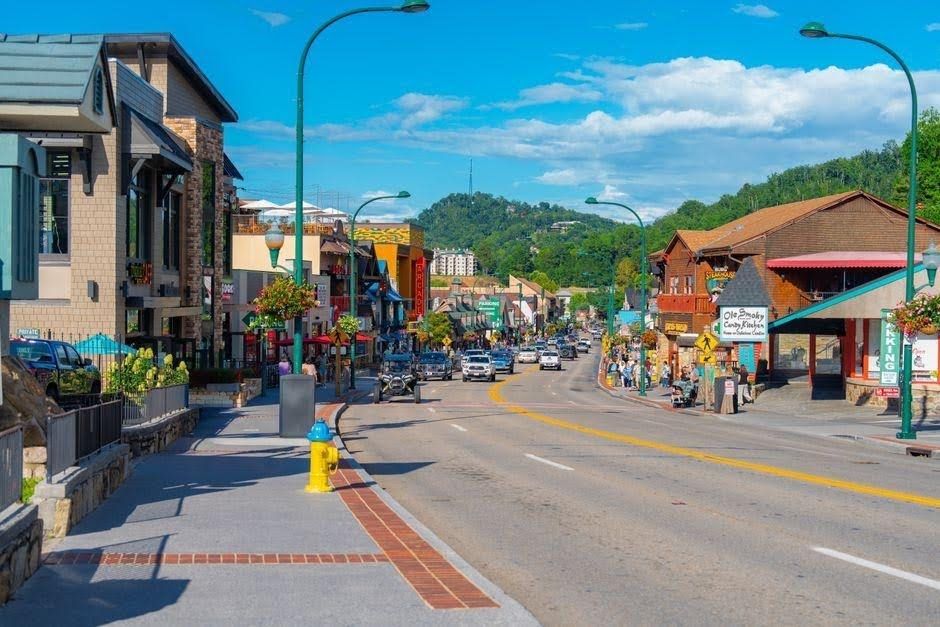
Families arriving in Gatlinburg, Tennessee, for the first time often assume they will need a detailed plan to make the week work. In practice, the opposite is true. The town is compact, the mountains sit at the edge of it, and most days come together on their own once you know the rhythm that suits your group.
What follows is less about scheduling and more about knowing which hours are worth getting up for and which ones are better left open.
Starting the Day Right
How a family day begins sets the tone for everything that follows, and a good sit-down meal early on does more for the group than an extra hour of sleep. Finding the best breakfast in Gatlinburg, Tennessee matters because a proper start means nobody is hungry and irritable an hour into the first outing.
What families want is somewhere generous, unhurried, and easy with children. Log Cabin Pancake House serves the best breakfast in Gatlinburg Tennessee daily from seven in the morning until two, with pancakes, waffles, crepes, French toast, omelets, and much more.
Before the Rest of the Town Wakes Up
There is a window here between roughly seven and ten when the place belongs to whoever bothered to get up. Paths that fill later are empty, the air has not warmed yet, and small children are running on the only reliable energy they will produce all day.
Getting into the mountains at that hour takes minutes rather than planning. A walk along water, a short climb, a slow drive with the windows down. None of it demands a full commitment, and all of it is finished in time for an unhurried lunch. Families who habitually start early find their weeks contain roughly a third more than families who do not, without ever feeling rushed about it.
The Hours Nobody Should Schedule
Between lunch and late afternoon, a family day quietly decides what kind of evening everyone is going to have. Keep pushing, and dinner turns into four tired people not speaking. Stop for a while and the day gets a second half.
This does not require an activity. An hour with nowhere to be, time in water, or children left to occupy themselves while nobody supervises anything. The households that treat this stretch as untouchable rather than dead time are the ones that come home saying the trip went well. The whole adjustment costs nothing except the discipline to sit still.
After Dinner, on Foot
Once the evening arrives, the compact part of town is the reason to have come. Storefronts stay lit, the pace drops, and covering the whole stretch takes nothing more than the willingness to wander.
Not needing a car changes the shape of a night considerably. Where to eat becomes a decision made ten minutes beforehand instead of an hour. Older children can be let off the leash within a small area while everyone else moves at whatever speed suits them, and nobody is negotiating over a parking space at nine in the evening.
When It Rains
Weather in the mountains arrives fast and leaves the same way. A shower that looks like it has ruined the morning is frequently gone before anyone has finished deciding what to do instead.
The trick is simply not committing to a fixed schedule. Sit out an hour over a long meal, go back and read something, let the children watch it come down from a window. Keep two indoor possibilities loosely in mind, and a wet stretch turns into a pause rather than a loss. Rigid plans are what turn ordinary weather into a problem.
Where the Money Actually Goes
Costs multiply with every person in the group, so the useful discipline is deciding in advance which few things earn a ticket. Two outings chosen deliberately land better than six chosen because they were nearby.
An enormous amount here asks for nothing. Water to wade in, ground to cover on foot, drives with a view at the end of them. When children describe the week afterward, the free hours come up at least as often as the paid ones, which is worth remembering at the moment somebody suggests buying more tickets.
Three Generations, One Afternoon
Any group containing a seven-year-old, a teenager, and a grandparent will always have somebody who would rather be elsewhere. That is arithmetic, not a planning failure, and treating it as one produces a miserable week.
The saving grace here is proximity. Peeling off for two hours involves no real logistics and no long drive punishing whoever went the other way. Each person gets a portion of the day that belonged to them, and the time everyone does spend together stops carrying the weight of obligation.
Picking Which Week
For most households, the school calendar makes this decision, leaving a choice between two or three viable stretches rather than the whole year.
Whichever one you land on, reserve it as soon as it is settled. Places that genuinely suit families are a small share of the total and disappear first, especially near holidays. Coming in midweek usually costs less and unfolds more gently, which counts for more with young children than the price difference alone would suggest.
Small Things That Rescue a Day
Keep a bag in the car holding water, something to eat, sunscreen, and a clean shirt for every child. That single habit prevents most of the minor disasters that otherwise end an outing two hours early.
Pull up directions and any tickets before heading up, because signal vanishes without notice. Have some cash on you for the smaller places. And make sure nobody is wearing new shoes, since a week here puts far more distance underfoot than anyone estimates while packing.
What It Turns Into
Something shifts after a household has done this two or three times. The urge to cover ground disappears, and the week narrows down to the specific things everyone already knows they enjoy.
Children begin asking about particular parts of it months in advance, which changes how the whole spring feels. Adults stop organizing and start looking forward. By the fourth visit most families are booking the same week without any discussion at all, which is a better result than any amount of planning could produce.