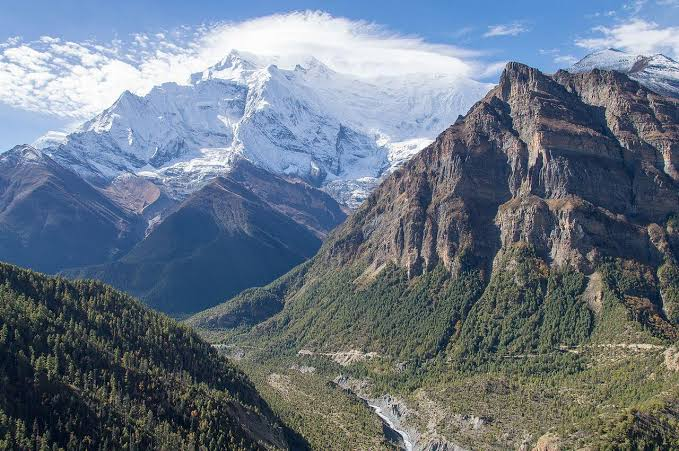
If you’re weighing your options for a Himalayan trip and keep landing on the same question — which Nepal trek actually gives you more than just one type of view — the Annapurna Circuit Trekking route tends to come up again and again, and for good reason. A lot of treks in Nepal are built around a single destination: you walk toward a base camp, take in the view, and walk back the way you came. The Annapurna Circuit works differently. It moves through valleys, forests, high desert terrain, and one serious mountain pass, all within a single continuous journey. So why choose the Annapurna Circuit specifically? In short, it’s the combination — changing landscapes, real cultural contact with mountain communities, and the physical challenge of crossing Thorong La — that makes this route stand apart from a lot of the other trekking options in the region.
What Makes the Annapurna Circuit Different From Other Nepal Treks?
One Trek, Several Himalayan Environments
Most trekkers who’ve done more than one route in Nepal will tell you the same thing: after a few days, the scenery on many trails starts to blend together. That’s not really the case here. You start in lower hills with terraced farmland and river valleys, move through pine and rhododendron forest, and by the time you’re approaching Manang, the terrain has thinned out into something closer to high-altitude desert. Keep going and you’re in alpine country, crossing a pass above 5,000 metres, then dropping into the drier, wind-carved landscape near Mustang. It’s genuinely a different-feeling trek every couple of days.
The Route Is More Than a Mountain View
What also sets the circuit apart is that the mountains aren’t the only thing you’re walking through. You’re passing through villages where the architecture, the language, and even the food shift as you gain altitude — from Hindu-influenced lower villages to Buddhist communities higher up, with monasteries, prayer flags, and mani walls becoming a regular part of the walk rather than an occasional detour. It’s Himalayan trekking, yes, but it’s also a slow-moving cultural crossing, and that combination is part of what people mean when they talk about mountain hospitality on this route.
Why Choose Annapurna Circuit Trekking for a Complete Himalayan Experience?
Landscape Changes Almost Every Day
This is probably the single biggest reason people pick this trek over others. On a lot of Himalayan routes, you get one dominant landscape type for the entire trip. Here, the geography keeps shifting under your boots — and that variation does a lot to keep long trekking days from feeling repetitive, even when your legs are tired and you’re seven or eight days in.
Thorong La Gives the Trek a Real High-Altitude Challenge
Thorong La Pass sits at roughly 5,416 metres, and it’s not something you casually stroll over. It’s the psychological and physical high point of the trek — literally and otherwise. Getting there safely means taking acclimatization seriously in the days before, starting early on crossing day (weather tends to turn by early afternoon), and pacing yourself rather than rushing to keep up with a faster group. People who’ve crossed it usually describe it less as a scenic highlight and more as something they had to earn, which is a different kind of satisfaction than just snapping a photo at a viewpoint.
Culture Is Part of the Trek, Not a Side Attraction
So, why choose Annapurna Circuit trekking over a route that’s purely about mountain scenery? Because here, culture isn’t a bonus feature tacked onto the itinerary — it’s part of the walk itself. Farming terraces, monasteries, changing local dialects, and the rhythms of mountain life show up daily, not as scheduled “cultural stops” but simply as what’s around you.
The Annapurna Circuit Is a Journey Through Changing Landscapes
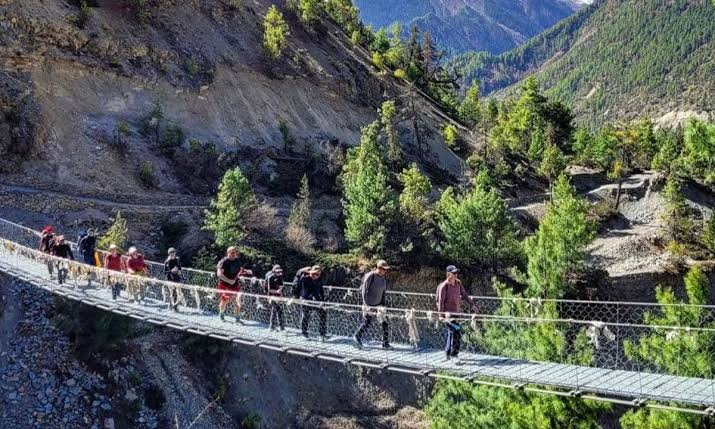
The progression on this trek is worth understanding on its own terms. You move from lower hills and river valleys, through forested sections along the Marsyangdi Valley, into the more open, arid stretches near Manang, then up and over Thorong La before descending into the Kali Gandaki Valley toward the Mustang side. Vegetation thins as you climb. Homes get sturdier and more compact, built for wind and cold rather than monsoon rain. Even the light feels different once you’re above the tree line. None of this is dramatic in a single-photo way — it’s something you notice gradually, day by day, which is arguably more memorable than one big reveal.
The Cultural Side of Annapurna Circuit Trekking
Walking through village after village on the Annapurna region gives you a much closer look at mountain life than most people expect going in. You’ll pass working farms, small teahouses run by families who’ve hosted trekkers for generations, monasteries tucked into hillsides, and communities where Buddhist and Hindu traditions sit side by side. A little courtesy goes a long way here — ask before photographing someone, dress modestly around religious sites, and remember that these are people’s homes and workplaces, not a backdrop. Most locals are genuinely welcoming to trekkers who show basic respect, and that goodwill shapes the whole experience.
How Difficult Is the Annapurna Circuit Trek?
It’s fair to say this trek sits somewhere between “achievable” and “genuinely demanding,” depending on how you approach it. You’re looking at long walking days, steady elevation gain, uneven and sometimes rocky terrain, and unpredictable mountain weather — plus the physical toll of the Thorong La crossing itself, including a long descent afterward that tends to catch people off guard. It’s not something to call “easy,” but it’s also not reserved for elite mountaineers.
Altitude Matters More Than Speed
Here’s the thing most first-timers underestimate: fitness alone doesn’t get you over Thorong La comfortably — pacing does. Walking slowly at altitude is completely normal, not a sign of weakness. Drink more water than you think you need, build in rest, and don’t ignore symptoms like persistent headache, unusual fatigue, or nausea. If something feels off, say something and get guidance rather than pushing through it.
Who Is the Annapurna Circuit Trek Actually Suitable For?
This trek tends to suit people with reasonable fitness who are comfortable walking for several hours a day over multiple days in a row — not necessarily marathon runners, just people who move regularly. It also works well for travelers who want culture alongside scenery rather than scenery alone, and for experienced hikers looking for a real high-altitude test. First-timers to the Himalayas can absolutely manage it too, provided they prepare properly and don’t try to compress the itinerary into fewer days than it needs. If you have little hiking background, aren’t familiar with altitude, have relevant health concerns, or you’re trying to squeeze the whole circuit into an unrealistically short window, it’s worth putting extra thought — and probably extra planning support — into how you approach it.
What Does the Trek Feel Like Day After Day?
There’s a rhythm to it that’s hard to describe until you’ve lived it: an early morning start, a few hours of walking through shifting scenery, a stop in a village for tea or lunch, more walking in the afternoon, then arriving at a teahouse as the light starts to fade. What sticks with people afterward usually isn’t one single viewpoint — it’s the accumulation of small things. A conversation with a lodge owner. The quiet of an early morning before anyone else is on the trail. The way the air changes as you gain altitude. It adds up to something bigger than any individual day.
Practical Reasons to Choose the Annapurna Circuit
On the logistics side, this is a teahouse-based trek, so you’re not carrying full camping gear — lodges along the way provide beds and meals. Local guides and porters are widely available and genuinely useful, both for safety and for making the cultural side of the trek easier to navigate. The route has decent transport access at several points, which gives you flexibility to adjust your itinerary, build in acclimatization days, or shorten certain sections if weather or trail conditions call for it.
How to Get More From the Annapurna Circuit Experience
A few things tend to separate a good trip from a mediocre one here. Don’t rush the altitude sections — give yourself the acclimatization days the route is built around. Treat villages as part of the journey, not just overnight stops to tick off. Keep some flexibility in your schedule for weather and trail conditions. Walk at a pace your body can actually sustain, not the pace of whoever’s fastest in your group. It also helps to learn a little about local customs before you arrive, and to trust your guide’s judgment once you’re above 4,000 metres — that’s not the place to improvise.
Is Annapurna Circuit Trekking Worth Choosing?
It comes down to what kind of trek you’re actually looking for. If you want varied Himalayan scenery, a genuine high-altitude challenge at Thorong La, contact with mountain communities, and a route that keeps changing rather than repeating itself, the Annapurna Circuit delivers all of that in one trip. Travelers who want help shaping the itinerary or arranging trekking support can also consult an experienced local operator such as Nepal Eco Adventure for planning guidance.
Frequently Asked Questions About Annapurna Circuit Trekking
Why is the Annapurna Circuit Trek so popular?
Mostly because it combines changing landscapes, genuine cultural contact with mountain villages, and a real high-altitude challenge at Thorong La — few other routes offer all three in one continuous trek.
Is the Annapurna Circuit Trek difficult?
It involves long walking days, steady elevation gain, and the demanding Thorong La crossing, so it’s moderately to genuinely challenging rather than easy, especially for anyone unprepared for altitude.
What is the highest point of the Annapurna Circuit?
Thorong La Pass, at approximately 5,416 metres (17,769 feet). Proper acclimatization beforehand matters far more than physical speed on the day you cross it.
How many days do you need for the Annapurna Circuit Trek?
It varies depending on your starting and ending points, acclimatization needs, transport choices, and any side trips, so there’s no single “correct” duration that fits everyone.
Is Annapurna Circuit Trekking suitable for beginners?
It can work for reasonably fit beginners who prepare properly and build a realistic itinerary. Altitude makes acclimatization essential, and leaning on local guide support is genuinely useful for less experienced trekkers.