Tour merch used to mean a shirt, a poster and maybe a tote bag. Now the merch table sometimes holds a tin of gummies or a tub of greens powder. Musicians, designers and online creators are putting their names on wellness products. The US supplement market reached $68.74 billion in 2025, according to Grand View Research, so the pull is easy to see.
What fans rarely see is the factory. Almost no artist owns a production line for capsules or powders. Sawgrass Nutra Labs manufactures capsules, powders and liquids for brands like these from a cGMP facility in Jacksonville, Florida. The creator brings the audience and the look. The manufacturer brings the formula work, the machines and the paperwork.
Why Are Artists and Creators Moving Into Supplements?
The simple answer is margin and ritual. A shirt gets worn a few times a month. A daily supplement gets picked up every morning, and a refill brings the fan back. That repeat habit is worth more to a brand than a one-off purchase.
The market is still growing. Grand View Research projects US supplement sales of $74.06 billion in 2026 and $131.08 billion by 2033. That works out to a compound annual growth rate of 8.5%. Online sales are forecast to grow at 9.6% a year, which suits creators who already sell through their own channels.
Shelves still matter, though. Offline channels held about 77.1% of the market in 2025, per the same report. A creator line that wants retail space needs the same quality documents as any established label. Fame opens the conversation with a buyer, but it does not replace a certificate of analysis.
Most creator lines start from an audience, not a formula. The pitch often looks a lot like the brand deals artists already sign. The difference is that the creator now owns the product and carries its risk.
How Does a Creator Brand Work With a Contract Manufacturer?
A contract manufacturer does the physical work under the brand’s name. The usual path runs in a fairly fixed order.
- Brief. The brand sets the format, the target customer, the flavour and a price point.
- Formulation. Chemists build a formula and make benchtop samples for tasting and review.
- Testing. Stability work checks that the product holds up on a shelf over time.
- Packaging. The team picks bottles, pouches, stick packs or cartons. Sawgrass lists bottles from 75cc to 500cc in HDPE, PET, glass or recycled plastic.
- Production. Ingredients are weighed, blended, filled and sealed in a regulated facility.
- Release. Each batch ships with a certificate of analysis from an accredited lab.
Timing matters for anyone planning around a tour or album cycle. Sawgrass quotes 6 to 8 weeks for a first order and 4 to 6 weeks for repeat orders. That means the drop date should be set backward from the factory calendar, not the other way round.
What Can a Supplement Label Actually Say?
This is where many creator brands get into trouble. Supplements are regulated as a category of food, not as drugs. A label can describe how a nutrient supports normal body function, such as “calcium supports strong bones.” It cannot claim to treat, cure or prevent a disease.
Any structure or function claim needs a standard disclaimer. The text says the FDA has not evaluated the statement and the product is not meant to diagnose or treat disease. The company must also notify the FDA of the claim within 30 days of first sale.
Compliance gaps are common. A federal review found problems across a sample of 127 weight-loss and immune supplements. The HHS Office of Inspector General reported that 7% lacked the required disclaimer. Another 20% carried prohibited disease claims.
Two more rule sets apply to creators:
- Manufacturing. Factories must follow the current good manufacturing practice rules in 21 CFR Part 111.
- Promotion. The FTC expects creators to disclose a financial link to any product they post about, including their own brand.
None of this is medical advice. It is the frame every label has to fit inside.
How Do Designers Turn a Bottle Into a Design Object?
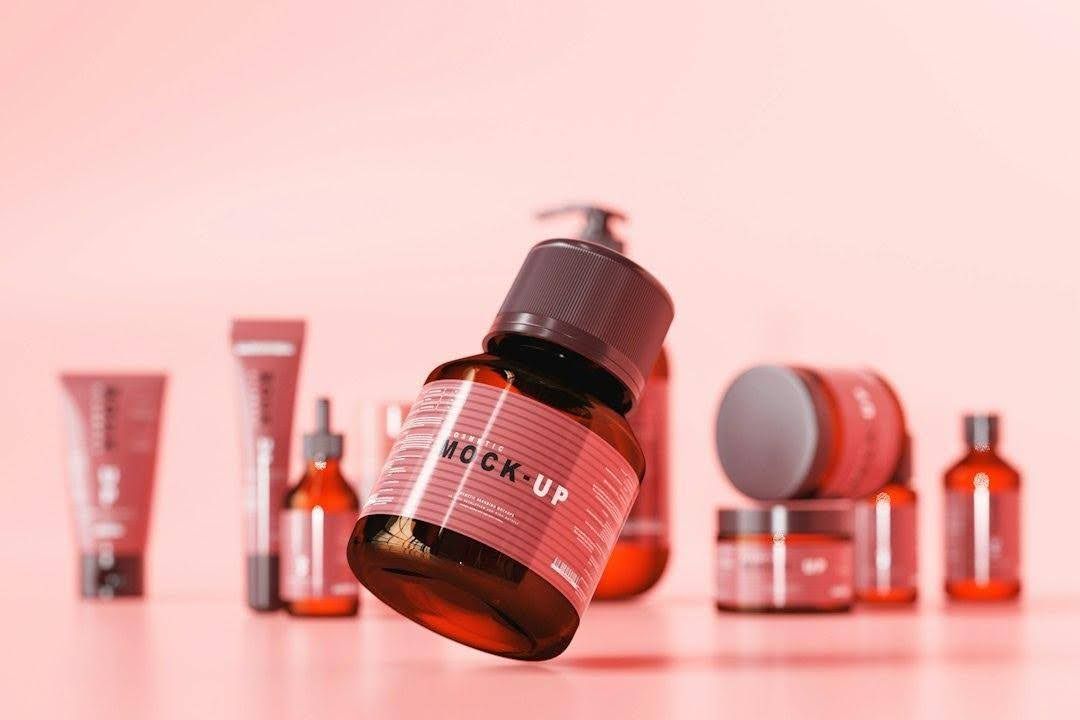
Supplement packaging has quietly become part of merch culture. Fans display tins and amber jars the way they keep vinyl sleeves. The design brief, however, comes with fixed parts.
| Element | Creative freedom | Fixed by regulation or production |
| Front panel | Colour, type, illustration, artist name | Product identity and net quantity |
| Side panel | Story copy and brand voice | Supplement Facts panel and full ingredients |
| Claims area | Tone and layout | Approved wording and the FDA disclaimer |
| Container | Glass, tin, pouch or stick pack | Seal, fill size and machine fit |
Good designers treat the required panels as part of the grid. The strongest work borrows from album art and keeps the facts panel clean and legible. It also leans on the emotional branding fans already feel toward the artist.
A few choices tend to separate a keepsake from clutter:
- One bold colour story across every flavour or formula.
- A refill pouch that keeps the original jar on display.
- Recyclable or reusable containers that match the artist’s values.
What to Remember Before the Drop
- Creator supplements are made by contract manufacturers, not by the artist.
- The US market reached $68.74 billion in 2025 and is still growing.
- Labels may describe body function but never claim to treat disease.
- Plan the release around a 6 to 8 week first production run.
- Design inside the required panels, not around them.
Good Merch Starts at the Factory
A creator supplement can be a smart extension of an artist brand. It can also go wrong fast if the formula, label or claims are rushed. The lines that last pair a strong visual identity with a careful manufacturing partner. For fans, the useful habit is simple. Look past the cover art, read the Supplement Facts panel and check who made it.
Frequently Asked Questions
Do Artists Make Their Own Supplements?
Almost never. Most artist and creator lines are produced by contract manufacturers that handle formulation, production and packaging. The artist usually owns the brand, the design and the marketing.
Is a Celebrity Supplement Checked by Regulators First?
Not before it reaches the shelf. Regulators step in after launch, while the brand and its manufacturer carry responsibility for safety and labels from day one. Factory inspections and complaint reports are the main checks.
How Long Does It Take to Launch a Creator Supplement?
It depends on the formula and the factory schedule. Sawgrass Nutra Labs quotes 6 to 8 weeks for a first production order. Formulation and packaging design usually add time before that.
Should Creators Tell Followers They Own the Brand?
Yes. FTC guidance expects anyone posting about a product to disclose a financial interest in it. Owning the brand is the clearest example, so a short note in the caption does the job.