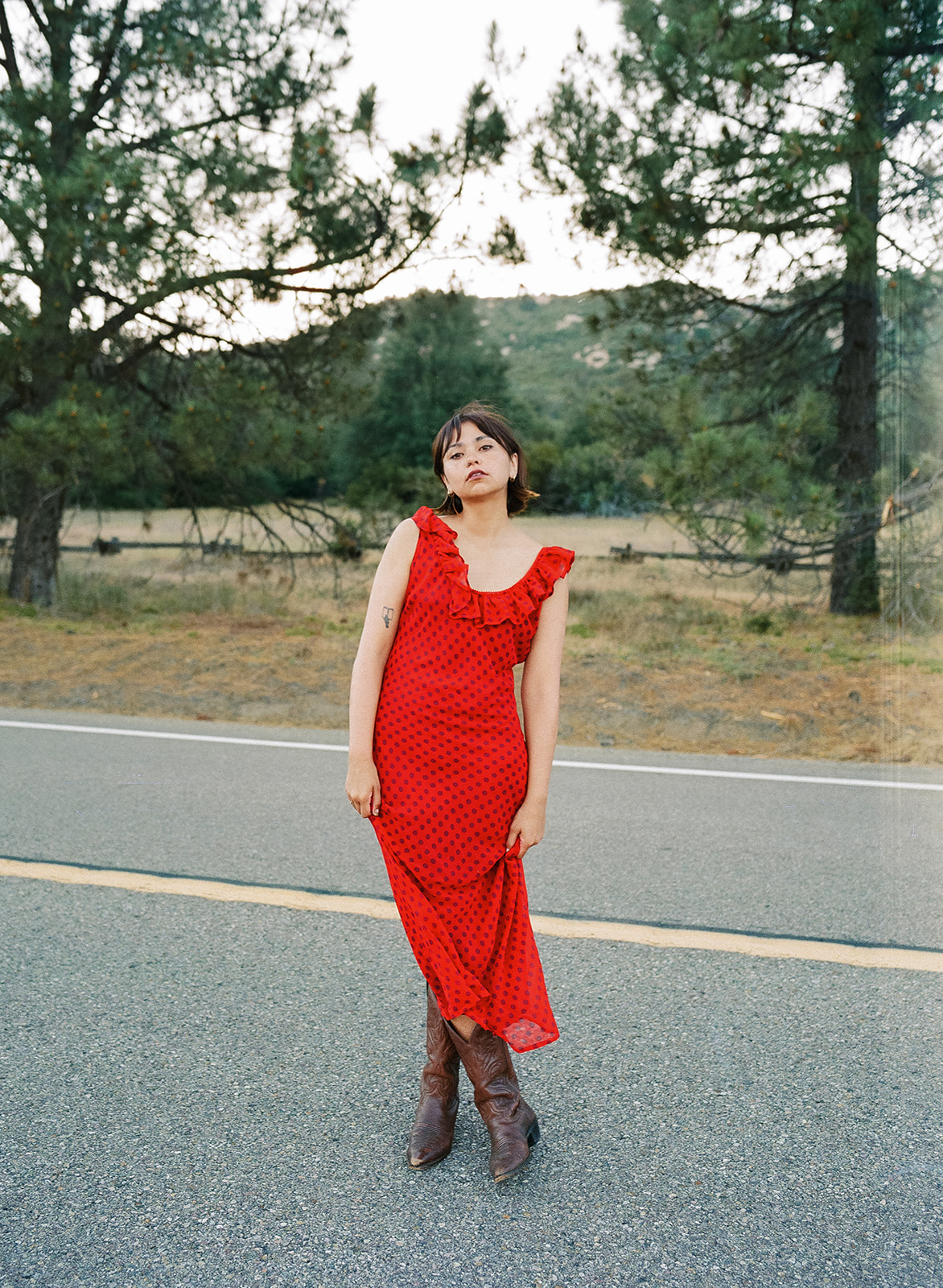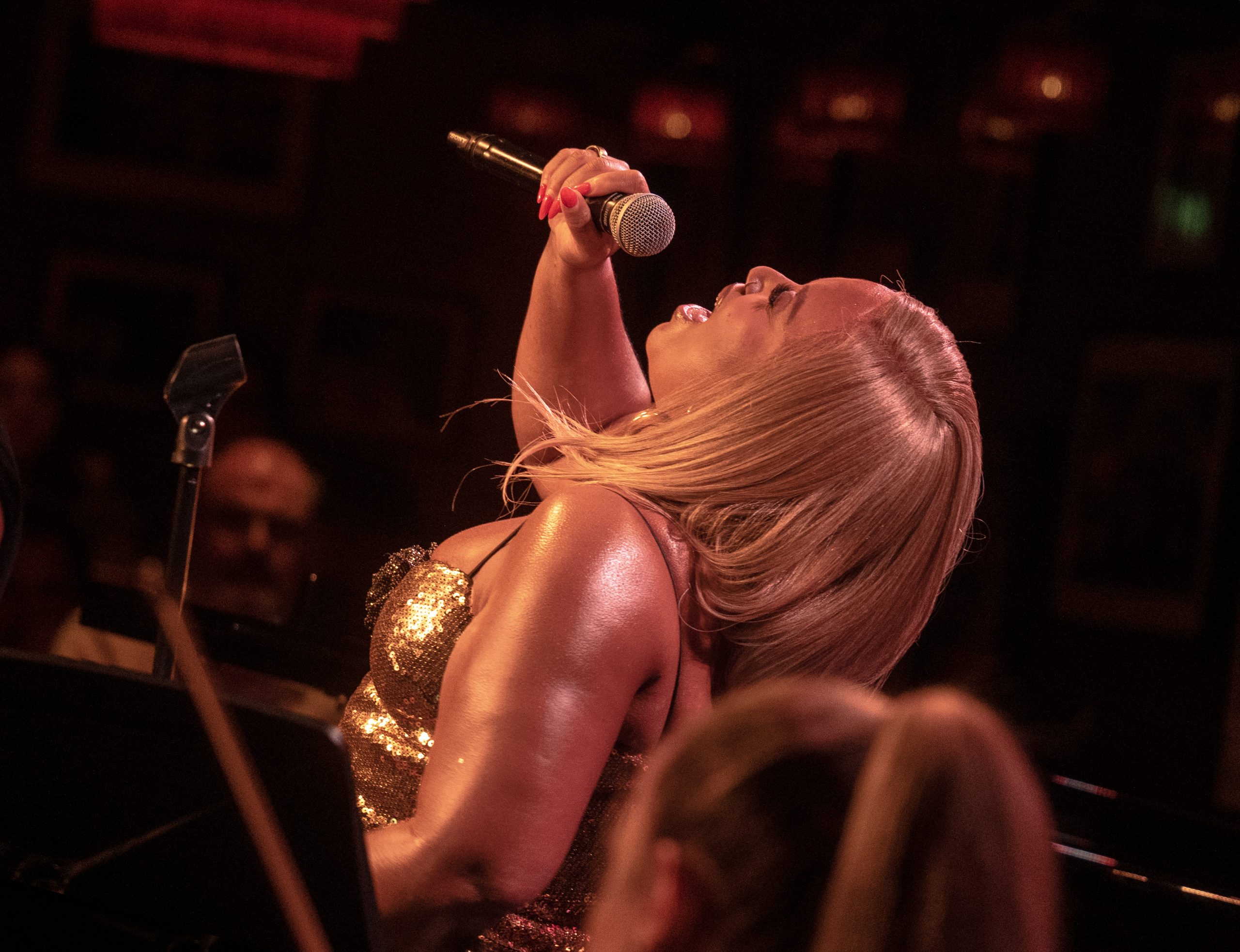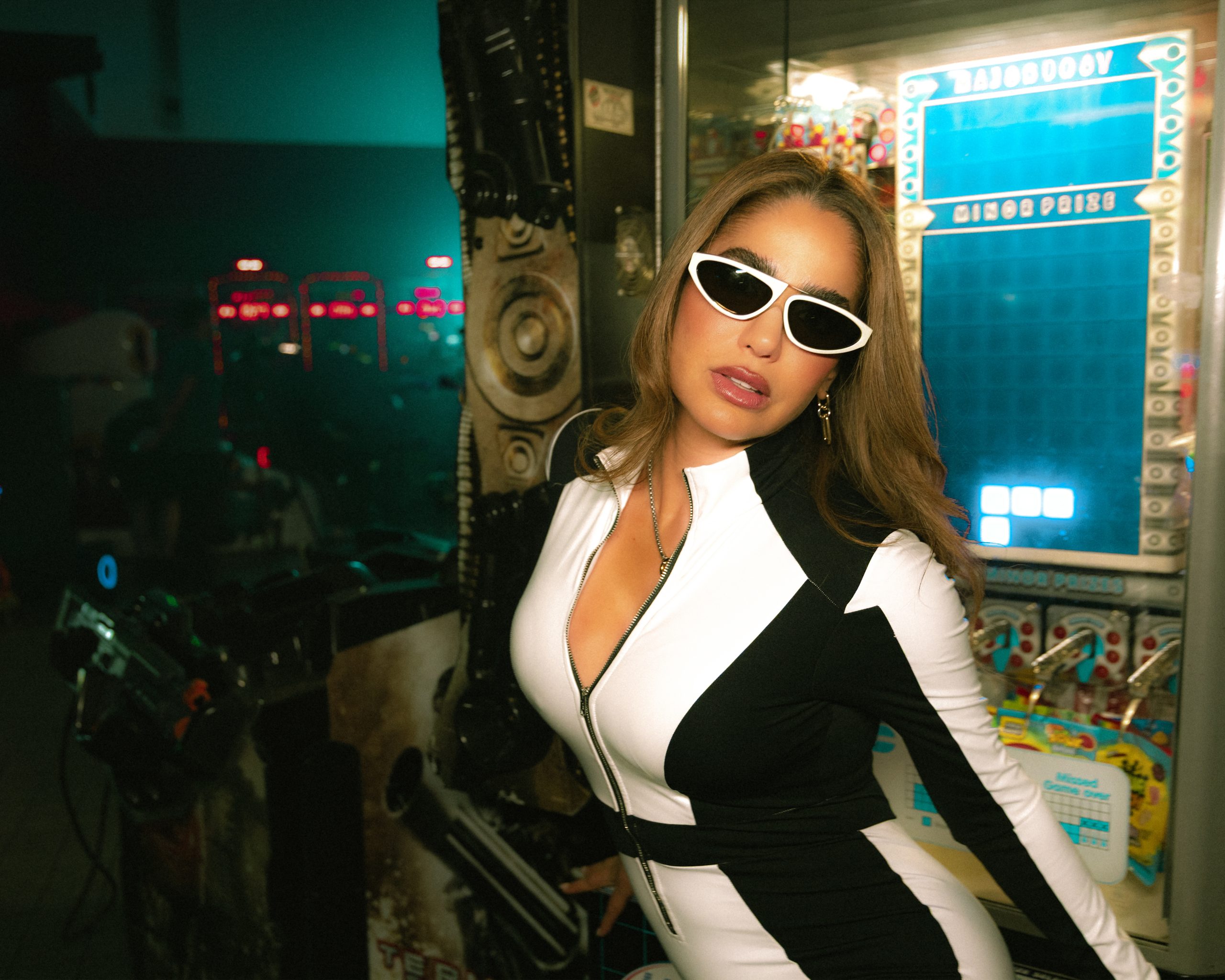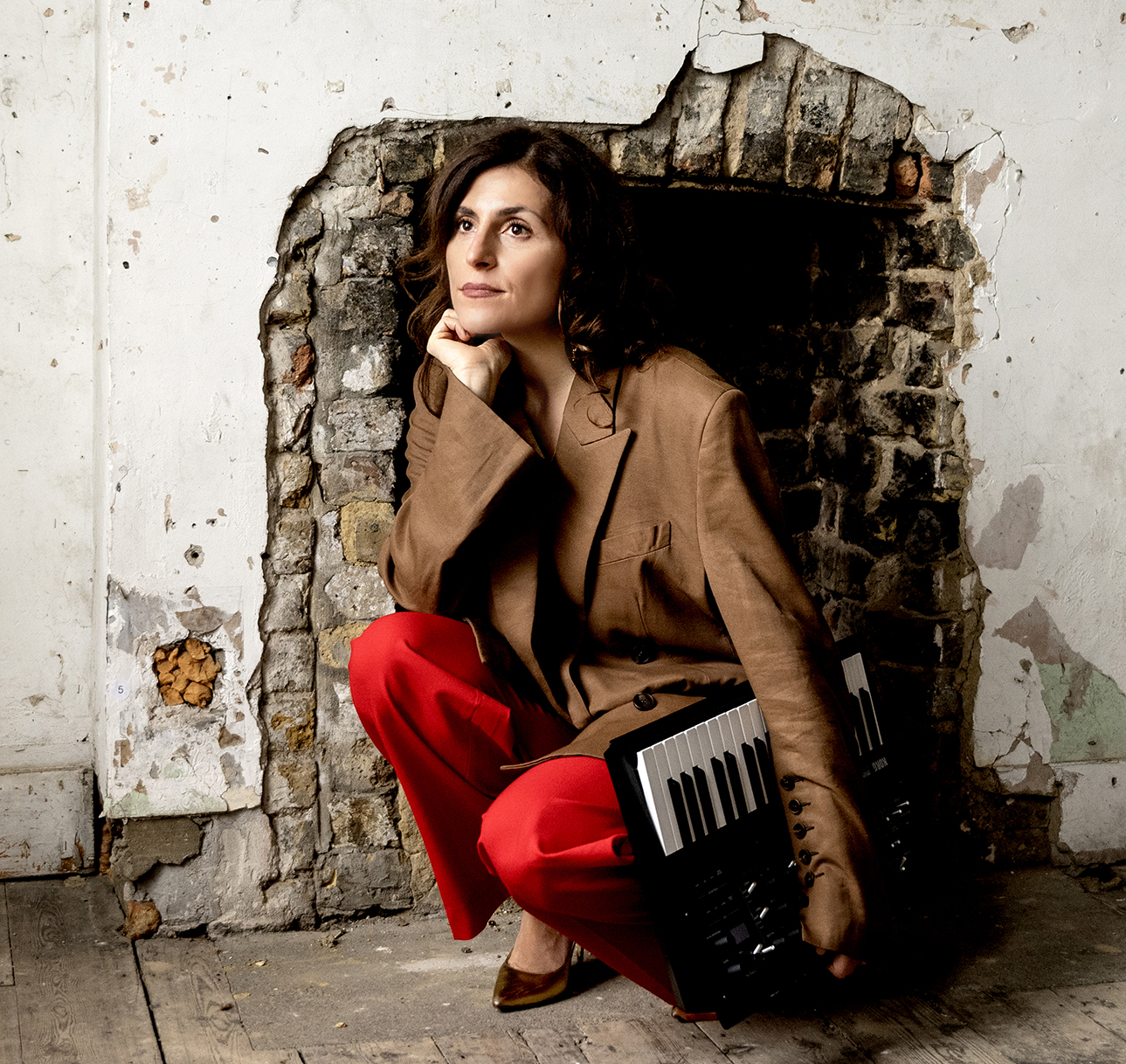
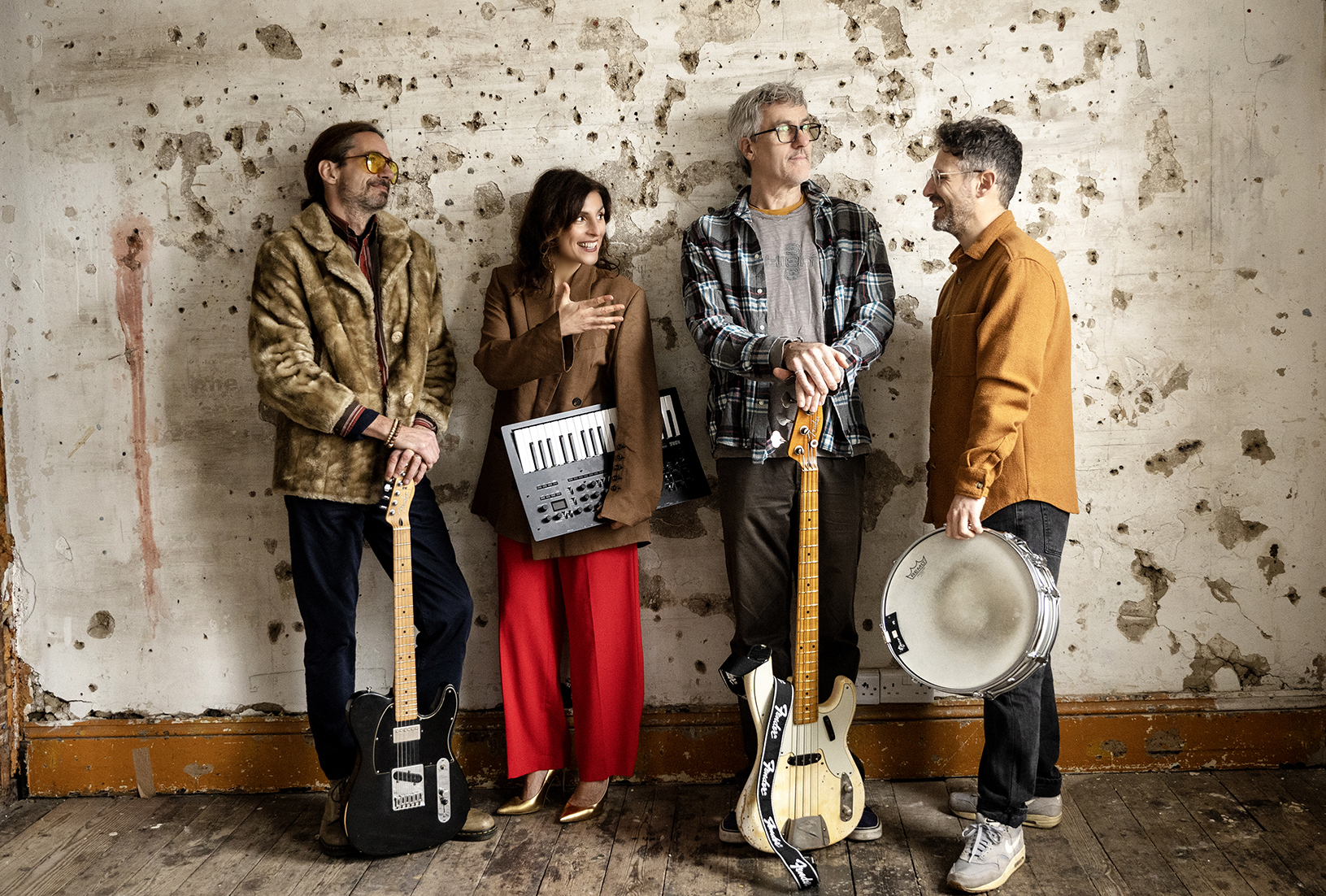
Born in Milan, raised in Copenhagen and now based in London, Irene Serra has been performing for over 20 years, with great success as an independent artist. The album is preceded by four singles: “Animal,” “On the Shoulders of Giants,” “Faded” and “Angela.” Irene’s earlier works include the albums Too (2012), Requiem for the Faithful (2019) and Requiem for the Faithful 2.0: The Remixes (2021), which found their audience in jazz circles. Now, Serra is exploring alternative territory without losing the soul that originally anchored her music.
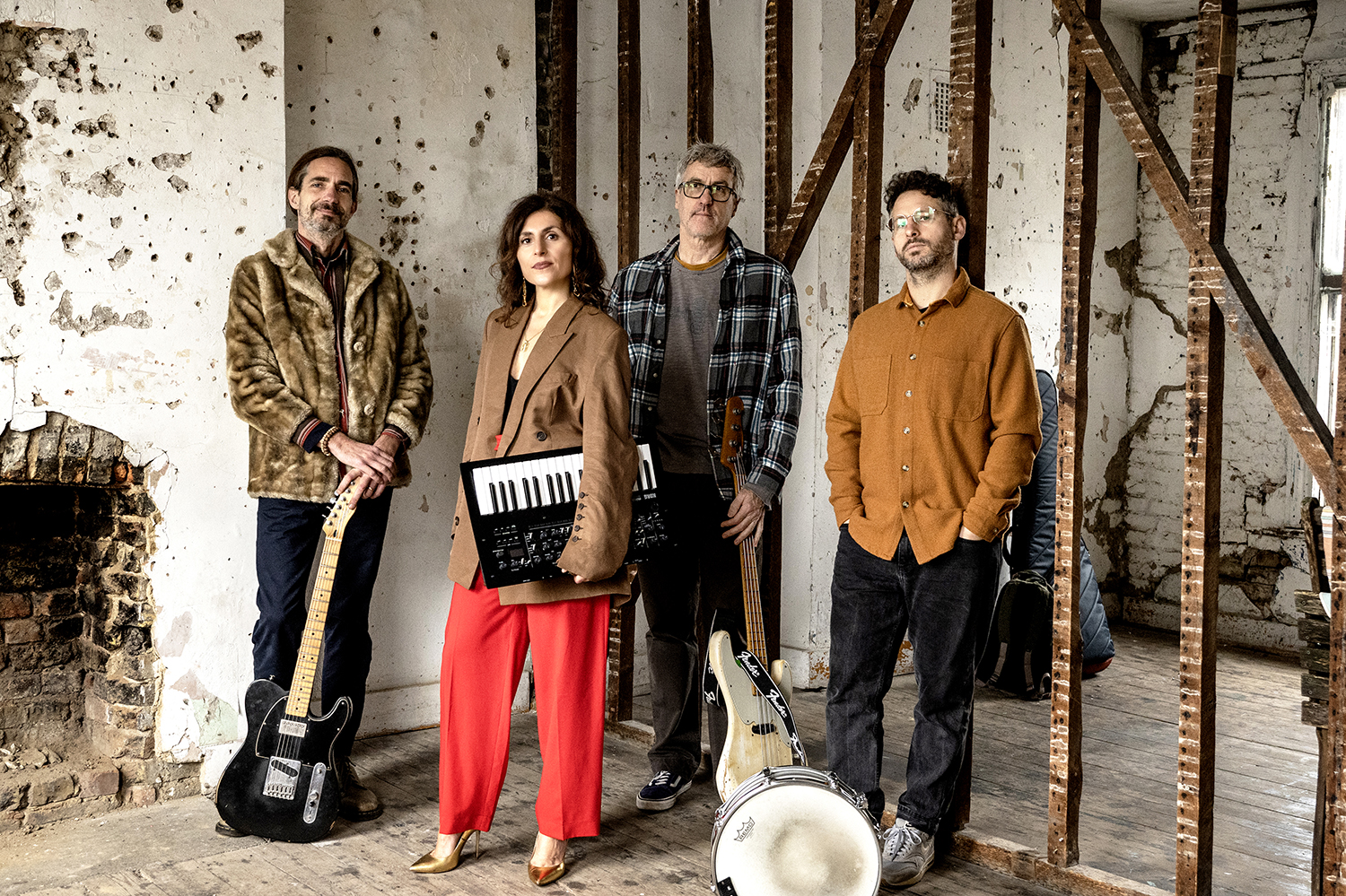
Only recently introduced to her music, I was caught off guard by how the lyrics on this album are not only steeped in poetry but also delivered with real conviction, while her vocal harmonies carry a sense of romanticism. The lyric “For there’s a whole other life out there / Out there where people care / And say hello as they pass by / To ask how neighbours fare,” from the single “On the Shoulders of Giants,” echoes both generational heritage and her connection to the environment. This body of work will be appreciated by both old and new listeners, as Irene taps into and introduces elements of cinematic alternative and electronic textures. Alongside her longstanding band, featuring Richard Sadler (bass), Chris Nickolls (drums/electronics) and Luca Boscagin (guitar), she has kept one thing consistent: every track she approaches is that of a storyteller with the heart of a jazz musician.
Our interview felt less like an interview and more like a simpatico conversation from the start, filled with laughter, much of it over our shared love of films and cats. As fellow third culture kids, we reminisced about how hard it can be to grow up between several cultures and countries that were not our own, how we carry our family struggles within us, and what it takes to adapt to and belong in more than one place.
The questions we put to Irene covered everything from heritage to staying connected to nature, and how, in this industry, the most important thing you can do is stay true to yourself and make music on your own terms.
What’s the first thing you usually do when you wake up in the morning?
“The first thing I usually do is go downstairs and make myself a cup of tea, or, if my cat and husband are still in bed, I kiss them both. Sometimes they wake up earlier than me, and the cat wakes us up at 5 am!” [When asked about not picking up her phone to check for messages…] “No, I leave my phone downstairs. It doesn’t enter the space where I create music, because it’s our time. The phone is a massive distraction, so I’ve tried to mitigate the negative effects and even use my mother’s old alarm clock.”
Where do you feel most connected to yourself creatively?
“I would probably say in nature. I grew up in Copenhagen, so there is something about wet woodland with its smells and life. Particularly in autumn, when you see all the leaves, it is a moment of rebirth. We go hiking and ski touring, and I like to spend a lot of my time doing that when I’m not in London. I’m half Sicilian and half Sardinian, and now based in the UK. The sea also means a lot to me and I have a huge respect for it, but I do not feel it as my home compared to land, with its incredible ecosystem.”
What’s something people often misunderstand about you?
“There is definitely a part of me that’s really shy, but I don’t let that hold me back. What you see is what you get, so I am very confident and very open. But there are parts of me that are private.” [After sharing with her that many people often mistake having boundaries for being shy…] “Maybe I am reserved then! I was never one to update my social media status on Facebook about who I was dating. So there’s that whole side that you do not need to share.”
Are you someone who likes to be in control, or do you work better when you embrace the unexpected?
“There’s always been a part of me that has searched for the unexpected. I’m a jazz musician, and that’s what I do as a jazz vocalist, so improvisation, even in songwriting and the way I live my life, is really at the basis of everything I do. The unknowns come with the territory of being a musician, and that’s how I like it, especially creatively. However, in my day-to-day life, where I also teach at a university, I am quite organised, so I can just concentrate on the performance. In that respect, I’m very methodical.”
What’s one film, television series or piece of theatre you’ve returned to throughout your life?
“I’m gonna say Schitt’s Creek, just for laughs. Sometimes when I’m a little bit sadder, I will put it on from beginning to end, because it’s the most hilarious thing, and no matter what deep rabbit hole I’ve made for myself as a musician, I will laugh. The whole premise is just brilliant, and it’s a short series as well. They didn’t milk it for all they could have, so it’s perfect. The other one would be The Wizard of Oz, because it had such a profound effect on me when I saw it as a little girl. I keep discovering the rest of the score, and it’s just Judy Garland at 16. Who could sing like that? It also reminds you that you can be in any mood, and even in the most desperate situations, people will still find laughter. It does that for me in whatever terrible mood I might be in.”
When do you feel most free?
“I would probably say when I’m singing. If I’m doing a gig, we prepare ahead so that we can wait for that magic moment. It usually never happens at the gigs we want it to happen at. But when it does, everybody is in sync, from the musicians on stage to the audience themselves. That is what’s really particular and wonderful about music, especially jazz: the audience are genuinely part of it and of what we do, because there’s improvisation and the unexpected. The other place is when I’m at home just playing and singing on my piano.”
If you could relive one moment from your career simply to experience it again, what would it be?
“That’s such a tricky one. I think it was when I took part in a vocal jazz competition at the Montreux Jazz Festival in Switzerland many years ago. Patrice Rushen was the pianist in the band, and meeting one of my idols, who was playing my set, was something spectacular. Something magical happened on stage, especially as I also got into the final. The stage was a place where everything made sense. I can’t describe it in any other way. When you’re younger and in a competition, you feel like you have things to prove, but when I really got into it with the other artists, it truly was just about the creation. It’s usually when the ego starts to go away that I find the moments that have defined me, and that’s when creation really occurs and when art really happens.
When you’re just stripped back, I think art is a really spiritual experience. I think in Sufism, singing is seen as coming through God, and there’s a connection. It’s when you strip away all the expectations and human things such as our ego. That’s what the great jazz artists have, which is why it’s a shame that ageism is so prevalent in music. If you hear the great jazz artists, like Ella (Fitzgerald) at 60 or at 20, her words are very pure. When analysing jazz, you just get rid of more and more until there’s just that gold nugget left.”
What’s something you’ve learned about yourself over the last few years that genuinely surprised you?
“That I can change my mind at any time. With age comes nuance and wisdom, especially for women. And I can’t wait to enter my crone era, man!”
How did the current line-up of ISQ (Richard Sadler, Chris Nickolls and Luca Boscagin) shape the record, and how much of the arrangement came out of playing together in a room?
“Richard Sadler (bass) and Chris Nickolls (drums/electronics) have been with the band from the beginning. Luca Boscagin (guitar) came on board with this album. He is not only a great friend of mine but a fantastic guitarist. I wrote the songs, and only two of them were co-writes. The first was “No More Time,” and the second was “Faded,” which I co-wrote with our bass player, Richard. I charted the arrangements and brought them to rehearsals. We discussed what sounds we were going to use, and whether it was going to be electronic or with a pad. Which pedal was Luca going to use? The minute a soundscape happened, it changed the song. I knew what I wanted, and we’d try a few things. Sometimes they’d be doodling different sounds, trying things, and I’d say, ‘Oh, yeah, that’s it. That’s what I need for the bridge!’”
You describe the album as darker, guitar-driven and somewhat cinematic, which is quite a shift from your jazz-rooted earlier work. Was that a conscious decision at the start, or did the songs pull you in that direction as you wrote them?
“I think everything kind of changed. The pianist I was working with on the third album left, so I had to find another. My writing was also developing, while the things and sounds I was interested in were changing. When I started, I was writing at the piano and I wasn’t really writing for an album. I just always write. Eventually, I thought the piano was a natural progression and that I should have a pianist. But then the songs were just missing something. I was already using the synth, so I thought maybe I could add some of that element. And then, why don’t I get a guitar? I love working with guitar. It’s probably my favourite duo formation.
I’m a very rhythmical and harmonic singer, and the guitar tends to leave me more space than the piano does. I was just hearing bigger sounds with this album. I was hearing pedals and soundscapes. The piano can be an incredible instrument, but unfortunately, if we were using an acoustic piano, we would need a whole other keyboard for the sounds. So I thought, why don’t we flip it around and see what happens? We rehearsed with Luca (Boscagin), using the new tunes along with the older ones that had the piano arrangements, and it all sounded amazing. Different, but amazing!”
You’ve said your music reveals itself best in intimate venues. How did you approach capturing that feeling in the studio?
“I approach it in the same way, as a storyteller. Whoever is in the studio, even if it’s just me, I always tell my students this: you should practise as though you’re in a performance, as though you are sharing something, because that is fundamentally what we’re doing. Whether it’s with ourselves or with a bigger crowd, you are always conveying the message of the song. That’s why I think it works well in intimate places, because it feels like a listening room. Some subject matters can be quite intense, and there is beauty in the audience hearing and experiencing a genuine story.”
You call the record a tribute to your mother’s resilience. What was it about her story that you felt you needed to tell now?
“My mother passed away in 2018. There was also the thought that this Sicilian woman, who had three children who all left and don’t live with her in Italy, would be something unheard of for women of that generation. Not her sisters, but the generation before. My mother grew up with all her aunts and cousins in one building. So it was that, and also that she went from Sicily to Milan, and then from Milan to Copenhagen in the 1980s, when things were very different. You couldn’t even find your food. We got there and people were eating cold herring for breakfast, which for a Sicilian woman would have been a lot to take.
Everything that she knew was gone. She didn’t speak Danish, and spoke very broken English before she became fluent. We were foreigners, so it was difficult. I never really considered it, because I’d grown up the way I knew, in international environments, moving here and there, so I never understood everything she’d given up or the difficulties she’d gone through. I wanted to tell that story because I wanted to say, I understand now how difficult it must have been for you, and I just didn’t process that at all. With wisdom, in retrospect, I would now think, leaving your home is a big thing. Copenhagen was so cold. We got to minus 15 in those winters. I always thought my mum and I were so similar, character-wise, but so different, because we had different thoughts on lots of issues, of course.
Now I understand that you are just the product of where you grew up, the people who surrounded you and the experiences you had, which is basically a misunderstanding I feel among the youth. Women 20 or 30 years ago had far fewer opportunities than we have now. I read in magazines, or even hear in the jazz sector, the younger generation saying how difficult it is, when they have yet to experience life. I knew female instrumentalists from when I started gigging 26 years ago who are now 60 or 70 years old and whom they do not let speak. I guess previously it was an era where people just got on with it, whereas now there’s very much awareness of everything, of where we are, which is great. We need that awareness.
“Shoulders of Giants” was the first song of the album. It was about everything that has been achieved before us and set the scene for times to change. You can be a pivotal person in that movement, but trust me, there are 30 or 40 years of work that have gone before, by people who maybe have been murdered, or who you don’t even know, who got no glory at all. Let’s have some humility and some respect for that, because that change happens extremely slowly.”
You were born in Denmark?
“I was born in Milan, but I only lived there until I was two, so I don’t have many memories. For the rest of my formative years, until I was 14, I grew up in Copenhagen, which was a very liberal Copenhagen, quite different to now. It was so different, coming back to Sicily and Sardinia during our summer holidays and thinking, what world is this? I then went to Milan for four years, where we went to international schools, but it was obviously the Berlusconi years, so there was a lot happening there politically. The role of women was very different back then, as I’d come from a much more equal and feminist country. I then came to the UK at 18 to study at university.
I’m Italian, and that’s what was happening at home, and then you’re in Denmark and you’re international, so you have to hold all these really different realities in place in your head, and identities as well. Then when my mother passed, it was like, well, obviously, Mama was home. Home was wherever she was. I was too Italian to be Danish, and then when I came back to Italy, I was too Danish to be Italian. And then I came to London and thought, okay, I’m a Londoner, because London is everything, and then Brexit happened.
In the end, of course, we’re all human, but there are some differences between being Danish and being Italian, especially Southern Italian, and those are wonderful things to celebrate. I love living in the UK because I love the British things. I think we need to really try to tap into that, to be able to be really proud of where we’re from.”
The album is described, and sounds, as if it is about women’s lives, both the ones lived loudly and the ones lived in careful silence. How did that idea take shape, and did the title The Silence Is Deafening come before or after the songs?
“No, it came to me during the writing process. In the silences, there were many things happening, which included a bit of grief. There was a silence that was so pervasive after my mother passed, but it was compounded by everything that was going on politically, and I just felt that the things that were happening were kind of like the elephant in the room. I’m sure we are all seeing the same thing, and so the fact that people were just silent on it, not having an opinion, not being able to have an opinion, being castigated for having an opinion, being cancelled, whatever it is, I thought the silence can be the loudest thing in the room.
A little bit it was that, and it was also that I heard a conversation. It was a group of people who must have been about 60 or 70, going to a party somewhere on a train ride, and they were talking about how their daughters or their nieces were so confident. Then they were all saying, ‘Oh, we weren’t like that when we were younger.’ And I was just thinking, of course you weren’t like that. Like my mother. I would never have been like I was had I grown up in the 1950s and 1960s, so you had to learn how to break the cycle. But your opportunities and the experiences you gain break it for you as well. There are very few people like Harriet Tubman who went against that flow, because most people are too scared, especially when it means risking your life. It is important to acknowledge all the things that were left unsaid.
I remember my father said he came from a family of four sisters. His mother also came from a family of four sisters, and he had a lot of respect for her. My mother was also from a family of four sisters. My grandmother owned land in Sardinia. She was a brilliant woman, and my father was a brilliant man. I remember my father once said, ‘All that female talent wasted in my family,’ because in this era, she would have been a CEO. Silence can actually be so loud and overwhelming in everything that’s being left unsaid, which is why it is so important to keep pushing for equal opportunities. But I’m so blessed to have been born where I was and at the time I was. Voicing your opinions with no consequences is not brave. It’s just that women of my grandmother’s generation would never have been able to voice those opinions, because there were terrible consequences.
There are also some religious elements in this album, as I was brought up Catholic. I’m not particularly religious, but I do think there is a place for religion. I lived in two very secular countries, Denmark and now the UK, but I also come from southern Italy. There are some great things that religion does, which are now thrown away and haven’t been replaced with anything else: that sense of community, that sense of purpose, the kind of social laws that bind us all to be a good person and help your neighbour. I don’t think that’s working out for us either. So I always feel like it’s the middle ground, and I guess social media amplifies the extremes, not the middle ground. Most people just want to live their life, practise the religion they want and be the people they want to be.”
Nature appears throughout the album, from the mountains in the opening track to the witch in the closer. Why is it important to you, and what does it give you as a writer?
“We come from nature, and we are not separate from it. The thread of the album was all the things that connect and intertwine us. Unfortunately, I know that we’ve severed that bond, and a lot of us live lives that are far removed from nature. But nature is in everything that we are and in everything that we do, including how we survive. I think every single song has some kind of natural reference. We have done horrible things and are killing the planet on so many levels.
We have to really reclaim our connection to it. We have to take time out, and it’s something we have to search for. I don’t know how many hundreds of years ago, but that wouldn’t have been the case before. We would have just been in nature. We would have worked with nature, and it would have been a harmonious communion. Whereas now it’s not. There’s a severing, and we truly have to make space and time in our lives to spend in nature.”
The record moves from mountain walks to migrant crossings and from modern dating to survival. Do you see yourself as writing political music, or does it feel more like the personal and the political simply overlap in your own life?
“The personal and the political definitely overlap. The way I think about politics is just because of the way that I am and the way that I grew up. I never sit down with an aim for a song. I let the song just happen. I didn’t set out to write political songs. It just comes out of experiencing life and the things that I read. I never sit down and think, I’m going to write a song about this. I never aim to write a song about domestic abuse. The inspiration was just to write a song about a name, for instance a name like Angela.”
Looking back on a fifth album after so long, what would you say to the version of yourself who started out two decades ago?
“I’d just say keep going. That’s the most difficult thing to do, just to keep going. Don’t let someone decide when you should stop doing or writing music. I recently got a review, which I found hilarious. He said, ‘I suspect Miss Serra doesn’t give a toss about what anybody thinks, and she’s going to write the songs that she wants to write.’ I think that was the attitude I started out with, and it’s the attitude I have now. So I think it would just be to say keep going, which can be tough, since the music industry is not very linear and fair. I mean, nothing is really fair, but just keep going and don’t let anybody dictate how or why or when I should make music.
I am independent, and there are very few labels I would sign with. I initially wanted to pitch this album to PIAS, so maybe the next album. PIAS have the artists and roster that I love. You can tell their artists have sustainable careers and are going to keep being here and release when they release. There’s something incredibly artistic about that.”
What’s the idea behind the collages and the design of the album cover?
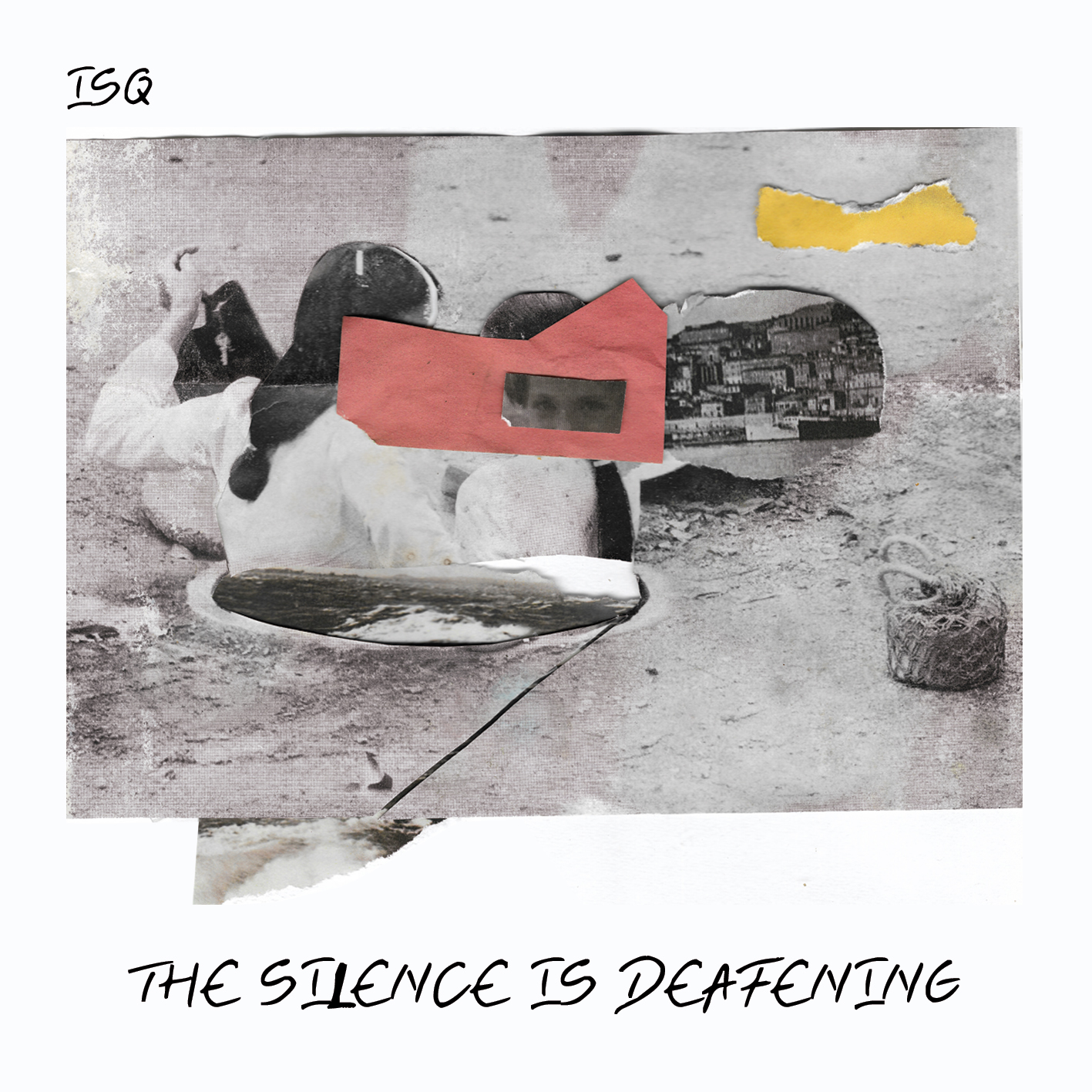
“The collages are by a wonderful Spanish artist named Tamara Ablameiko. She has done the CD covers and all the merch. There’s a running theme of eyes. On all the single covers and on the album cover is a little clip of my mother’s eyes as a child, interspersed with everything else on the album. You’ve got pictures of the sea and nature and the generational thread that followed. You can recognise family, ageing and lineage through the eyes, and that we are all just fragments. One person is made up of so many fragmented and broken parts, and I wanted to represent that through the collage, where the linear aspect that ties everything together includes your family, where you’re from, or where you feel you are from, and what keeps you grounded. Holding even opposing thoughts, which has become more difficult, requires empathy. It is important not to fight them, but to embrace them.
Besides the ageing thing, it is unfortunate that plastic surgery is so homogenised to this idea of beauty, especially in women. We are taking away the traits of our grandfathers and grandmothers and great-grandparents. I look at photographs of my paternal grandparents, who were born in 1895 and 1896, and it’s like we are replacing our features with patriarchy and racism. Think of everything that the previous generations went through, struggling to survive. Now, we are just altering our faces to fit into this mould where eventually we won’t recognise ourselves.”
Your earlier work found much of its audience in jazz circles, while this one leans towards alt-pop and a guitar-driven sound. How do you expect longtime listeners to respond, and what do you hope someone feels, for instance, in the first thirty seconds of this new album?
“I hope someone feels curious, especially if they want to hear the rest of it, either lyrically or musically. That for me is always a great response. We always attracted a very jazz-adjacent audience anyway. The people who have stayed with us through the albums, of course, love jazz like I do, but love all other genres of music. They’re not jazz purists, or they might even be jazz purists who just don’t consider my music jazz, and they love it anyway. That’s fine. We decided not to call it jazz anymore. I guess it is alternative, so that’s already been a swing in that direction.
We’ve also been trying to focus on live performances, because then people know what they get, and to change slightly the venues we play in. Folk Rooms in Brighton, for instance, is a folk venue, but it’s a multi-music venue that does lots of different types of music. It’s not easy, because it’s not easily definable music. What happens on social media is that if something is very easily definable, like a singer who sings swing standards in a shiny tight red dress, 1940s style, you’re going to find your fan base visually.
My music isn’t just one thing, and my audience is made up of people who just like a good song. It can be the songwriter, it can be the guitar nerd who loves Luca’s playing, or it can be the one who is crazy about lyrics. So it’s sometimes difficult to get to the place where you have a very open-minded audience. At the beginning, you’re always having to define where you are, because of the clubs you’re going to play at. Once you get to another level, it’s easier. I think we are going to find our people little by little.”
“She Walks Through Fire” reclaims the witch archetype and speaks about how society treats ageing women. Why did you choose to close the album with it?
“Witches were probably just women living in harmony with nature, by themselves with their cats. That’s kind of like me and lots of others, although now I have a husband. It’s the demonising of that. We need a lot more of that feminine energy to heal the world, and that healing energy from men as well, because of what’s happening environmentally. Nature is a benevolent mother figure, so we should not mess with her.
Since this track is the final statement in closing the album, I want my listeners to understand that we are in a massive ecological crisis. Everything else that I spoke about, from domestic abuse to wars, can unfortunately go on, and humans will still survive. But the ecological crisis is something we will not survive. There is something fundamentally broken, and you can see it breaking the social order. The hatred towards immigration, which is a ripple effect from climate change, is only going to exacerbate it. There’s always more wealth being generated and stored by the maladjusted 5-10 men in the world who didn’t have any friends when they were teenagers.
So for me it was that urgency. That’s why I wanted it, and it’s quite an epic outro as well. We are literally eradicating humans with the mindset that the world will regenerate. It will implode and then regenerate. The songs were not only about the feminine energy in women, but also the feminine energy in men. It’s a call to arms to all of us. We need that healing energy, the mothering, and men can have that as well. Men should have that.”
The Silence Is Deafening is out now, follow via @isqmusic @ireneserramusic
Irene Serra’s Upcoming Gigs:
- Thursday 29th October 2026, International Concert Series, Royal Holloway University
- Saturday 7th November 2026, The Folklore Rooms, Brighton (Matinee Show)
- Thursday 19th November 2026, Cadogan Hall (Culford Room), EFG London Jazz Festival 2026
Interview Hanane Zahrouni.
Photography Tatiana Gorilovsky & Karolina Amberville
Album Cover Designer Tamara Ablameiko