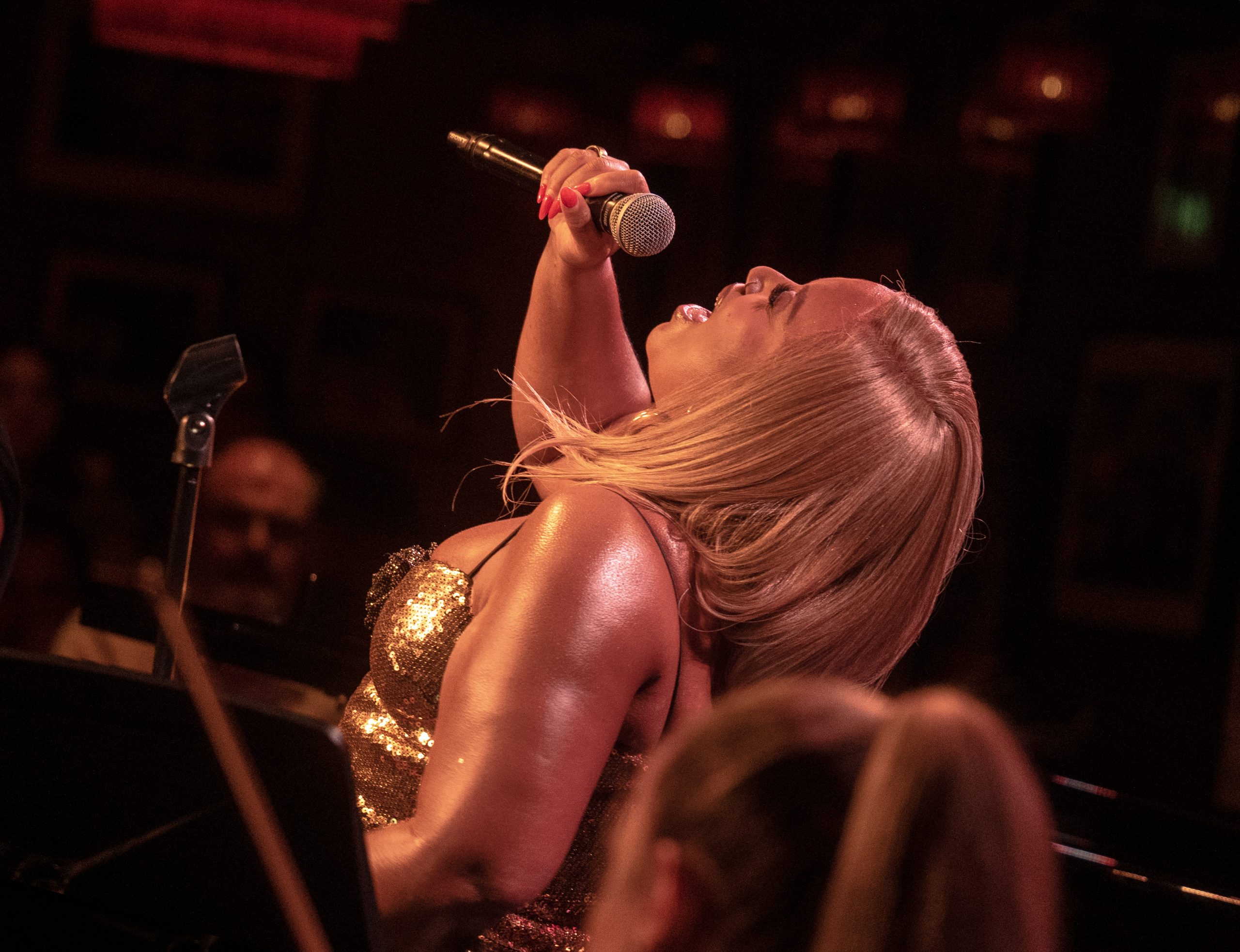
If you’ve been anywhere near British theatre over the past decade, chances are you’ll have heard the name Marisha Wallace. After appearing on Broadway in Aladdin and Something Rotten!, she arrived in London in late 2016 to play Effie White in Dreamgirls. Roles in Waitress, Hairspray, Oklahoma!, and Cabaret followed, but it was her Adelaide in Guys & Dolls that I saw firsthand. Funny, fierce, and completely in command of the room, she made it easy to see why she’s earned two Olivier Award nominations, with every reason to expect more.
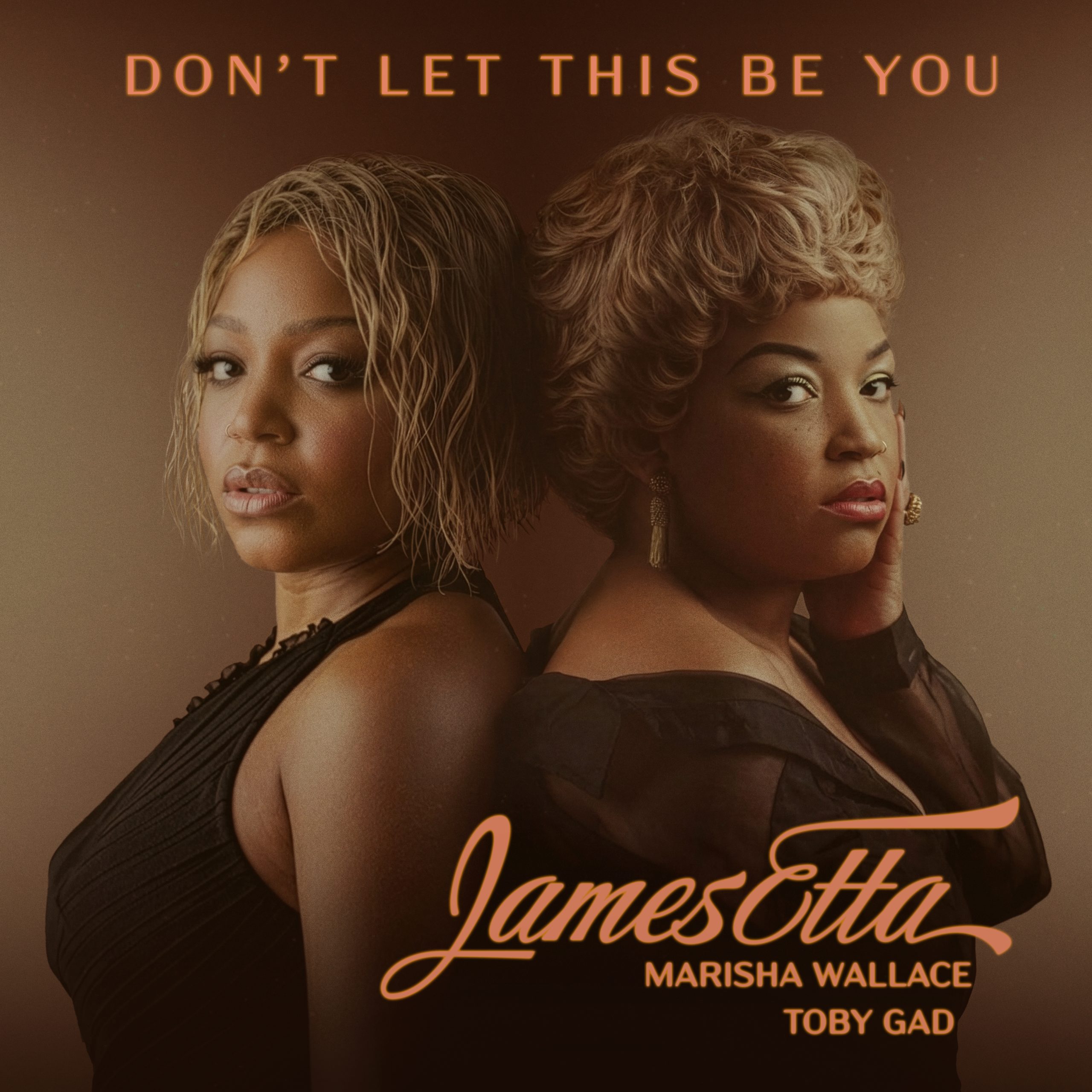
Now, Marisha is pushing herself in new directions. In Douglas Lyons’ Table 17, she’s making her straight-play debut, stepping onstage without the singing voice she describes as her superpower. Meanwhile, James Etta, her forthcoming music project written with Toby Gad, draws on Etta James’ life to explore the personal cost of performing. Envisaged as a three-record series, it begins with Don’t Let This Be You, a single carrying a warning she understands all too well: getting the life you dreamed of doesn’t mean everything else falls into place.
When our writer Helen Keegan reviewed Marisha Wallace in Concert and caught up with her afterwards, Marisha spoke about the freedom she’d found in London to become the artist she’d always wanted to be. This time, still buzzing from debuting her new material at Ronnie Scott’s, she gets into what that means: creating her own music, taking risks, and showing the vulnerability behind the performances. There’s plenty of laughter, too. She may be asking serious questions about the cost of performing, but she’s equally interested in the joy it can give back.
I saw you in Guys & Dolls, and you were fabulous. What did playing Adelaide bring out in you that you’ve carried into your work since?
I’ve always wanted to be the Beyoncé of Broadway. I’ve wanted to combine that concert showmanship with what we do: singing, acting, and dancing in a character. That was the first time I felt like I was that. When we did Take Back Your Mink and I had the girls with me, it was incredible.
To take a character who’s usually the dumb blonde and make her this fierce woman who knows what she’s doing, knows what’s going on, and uses her womanly wiles to get what she needs was game-changing. To be a Black woman taking on that role and getting to reinvent it was amazing.
That’s when I really felt my career changed. They let me do what I did with that role, and I became the artist I wanted to be. I learnt so much from Arlene Phillips and Nicholas Hytner. He saw it in me before I saw it in myself.
Now you’re making your straight-play debut in Table 17. What made this the right piece for you?
I always try to push myself. I like to gag people! I like to do something you don’t think I can do, or will do. I want to keep growing as an artist and trying new things.
I knew I was a good actor in the musical theatre world. What I’m doing between songs is scene work, so why wouldn’t I be good at a play? But it was still daunting. I needed the right piece to showcase what I do best in a musical and stretch me as an actor.
I love immersive musicals, and this is like an immersive play. I speak to the audience, and the audience speaks back. I ask, ‘What do you think of this dress? Do you think I’m making the right decision?’ People are screaming, ‘No, girl, don’t do that! Jada, no!’ After Guys & Dolls, this felt like the next level of immersion.
What’s it been like working with Jamael Westman and Michael Rishawn?
How crazy is it to see Hamilton and Sally Bowles going head-to-head in a play? Jamael is incredible. It’s a very American play set in Atlanta, so he had a big task because Michael has been in it since the beginning, and he’s American too.
Our chemistry as a trio is amazing. I get with both of them at some point in the show, so it’s nice to get to kiss these two hot men every day!
People might consider it a Black play, but it’s so universal. That heartbreak, that pining for love, having an ex you can’t shake, giving someone your heart and having it crushed: those things will always be universal themes. The audience feels safe to comment because it’s not happening to them. We’ve said panto rules apply, and some people have taken that really far.
Alongside the play, you’re releasing new music. What connects those choices at this point in your career?
It’s all new, original work. Obviously, I love a revival, but I’ve been trying to champion new work.
The writer of Table 17 is a good friend I was in the ensemble of The Book of Mormon with. He sent me the script in 2023, when I was doing Guys & Dolls, and asked, ‘Can you help me get this to London?’ I met producers and investors, connected the US producers with the UK ones, and we got it.
I’ve been working on James Etta for five years. It’s a concept album based on Etta James’ life. I was reading her book and writing original songs with Toby Gad. He taught me everything I know about songwriting and how to trust what I brought to it as an artist.
We started writing in the pandemic, in 2020, and didn’t meet each other for a whole year. This year, we decided we needed to finish it. I went to Mexico with him, we wrote there, and started putting the album together.
I was really inspired by West End Girl by Lily Allen, how she created a song cycle that felt like a story all the way through, with speaking during the songs. It’s something RAYE has done a little bit as well. I thought, ‘This is my medium, musical theatre. This is how we tell stories. Why don’t I try that?’
We’ve now added more songs than we have on the first record, so it’s going to be three records that come out.
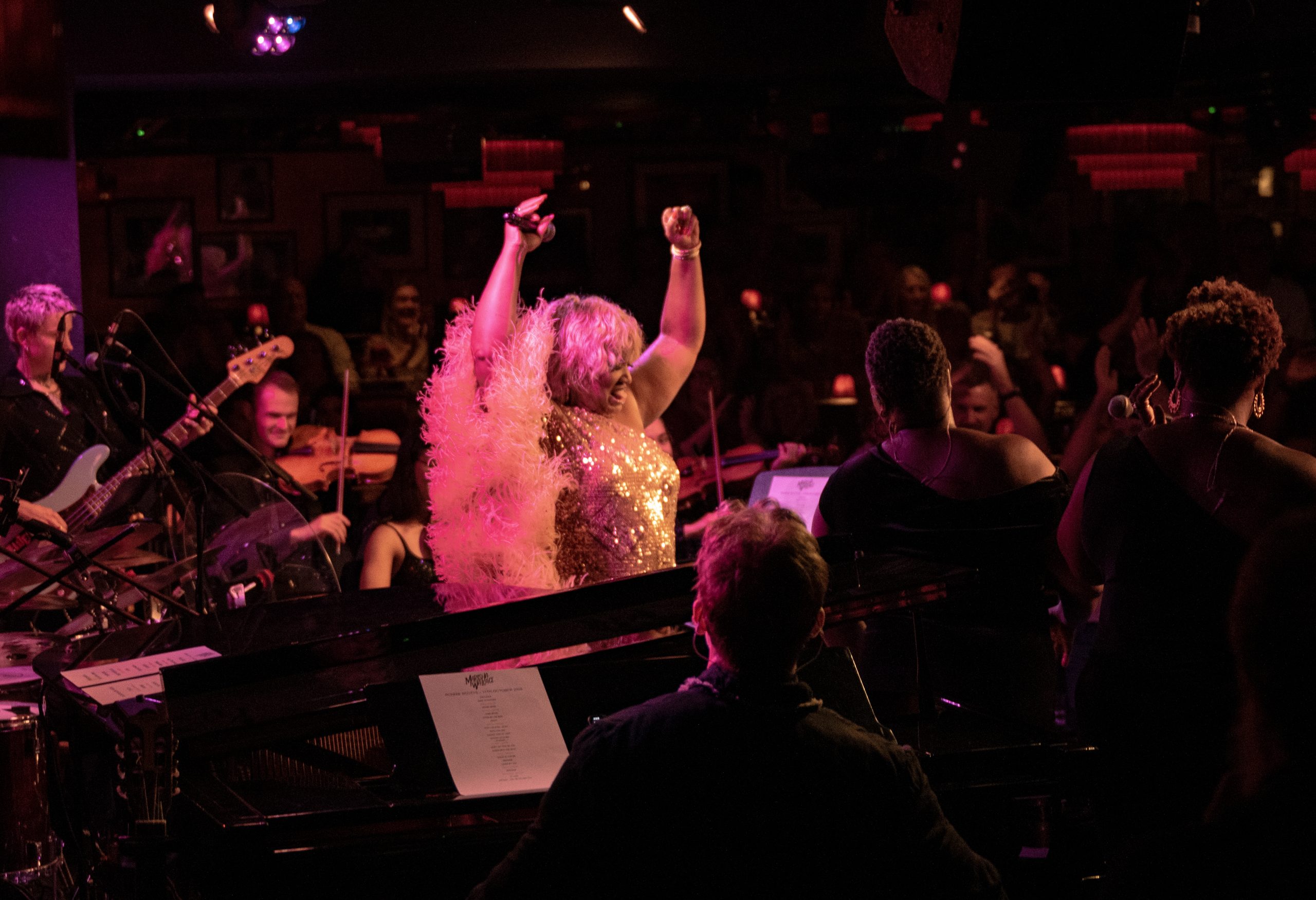
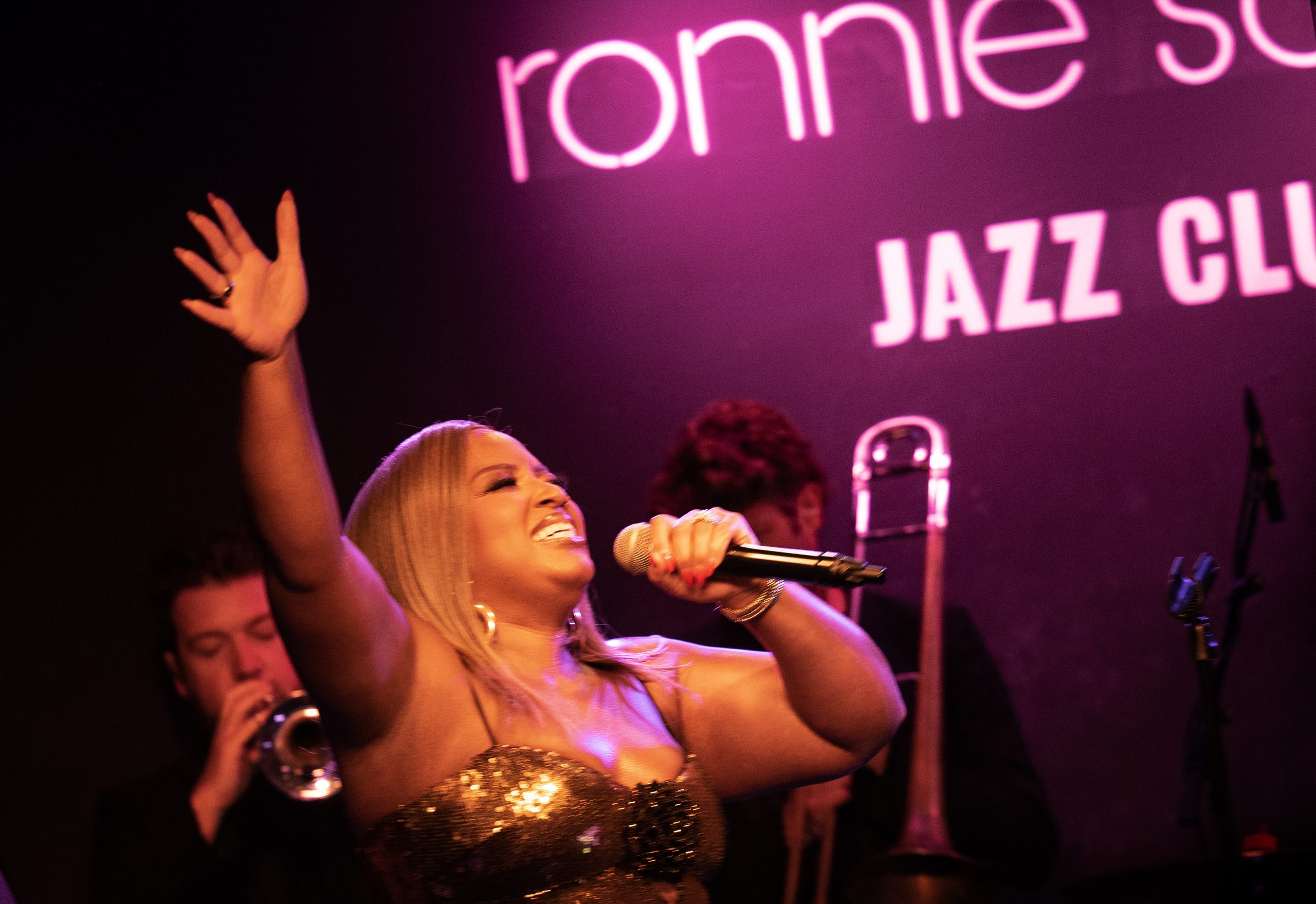
What was it like finally putting those songs in front of an audience at Ronnie Scott’s?
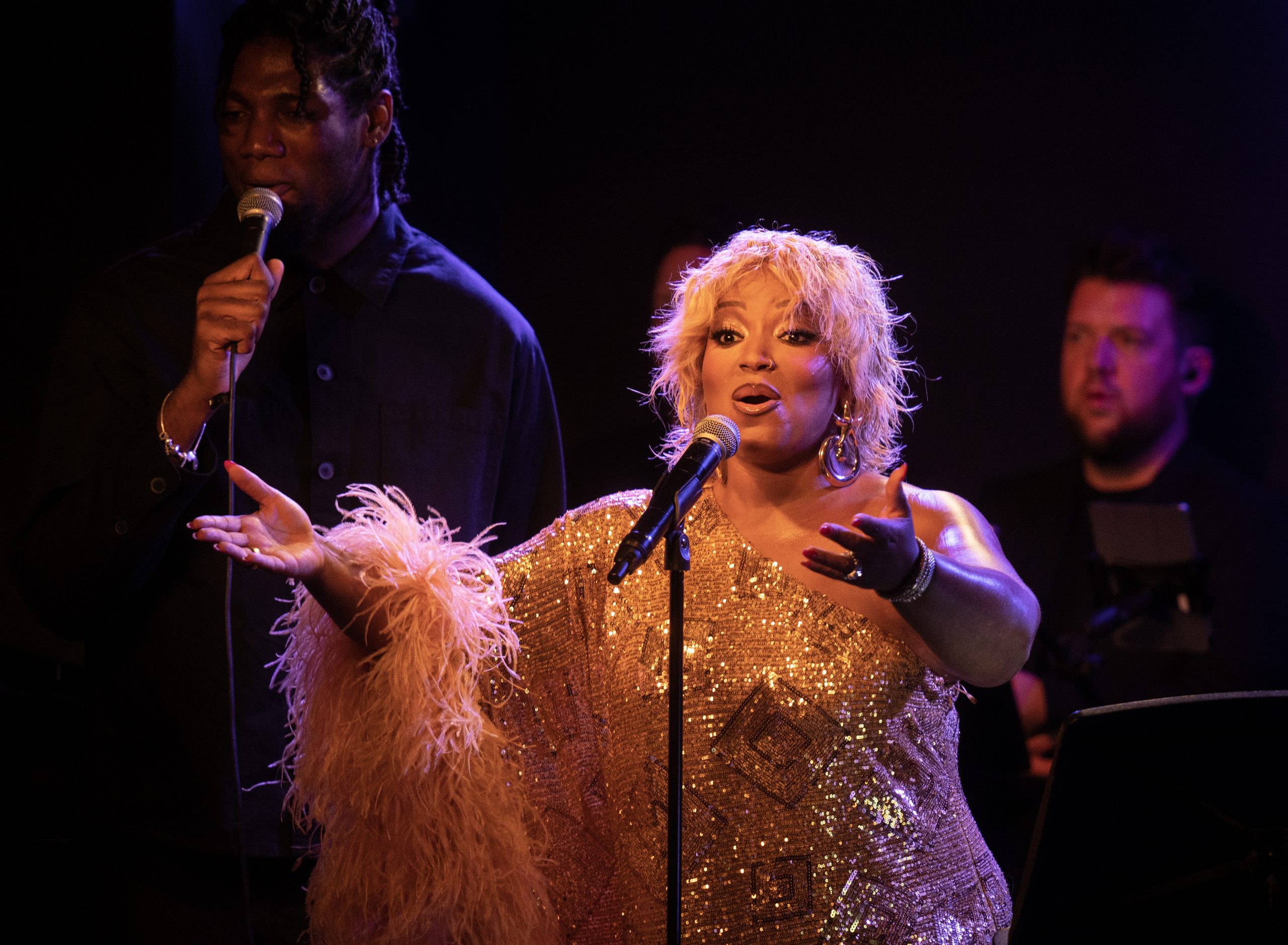
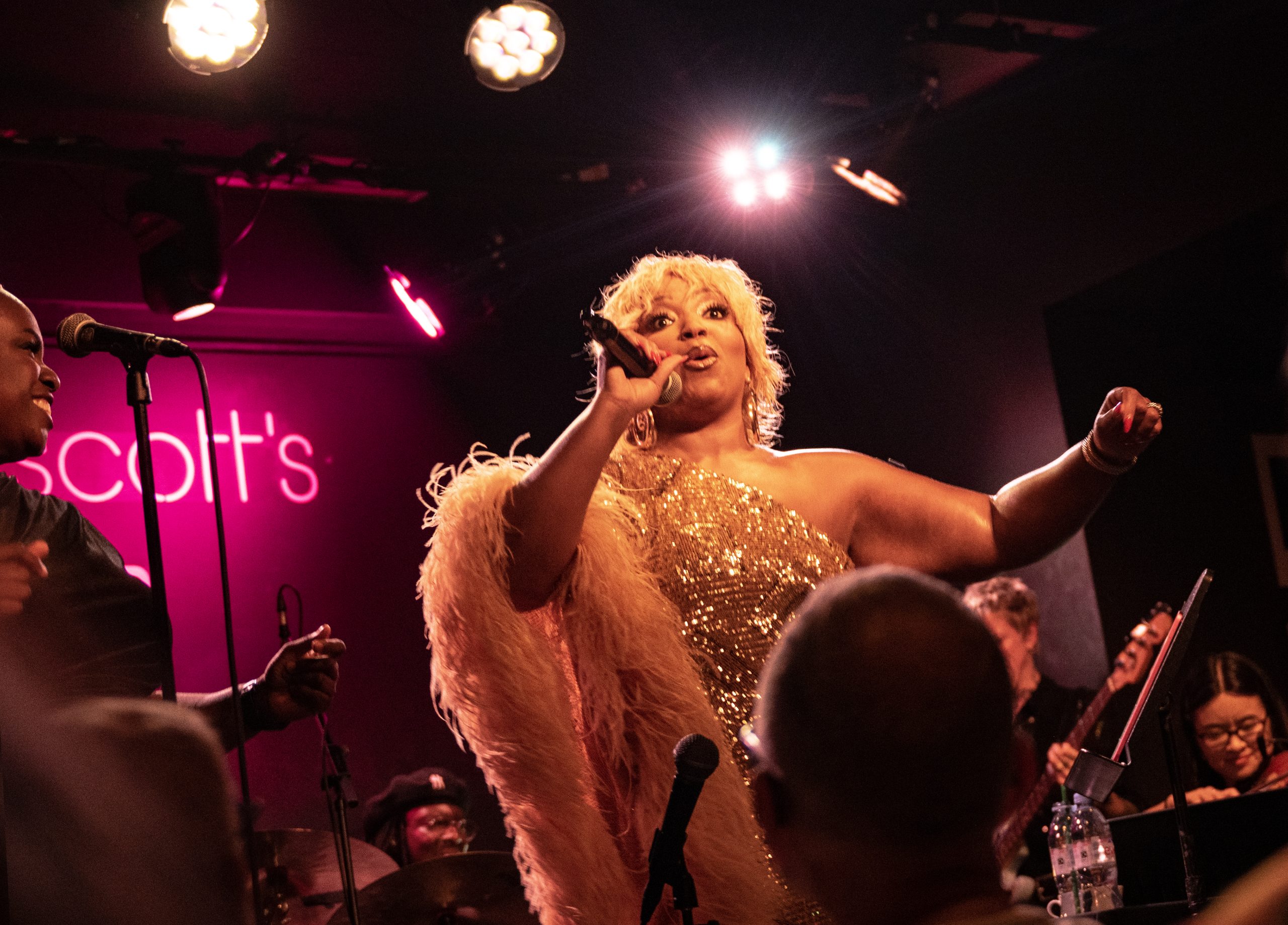
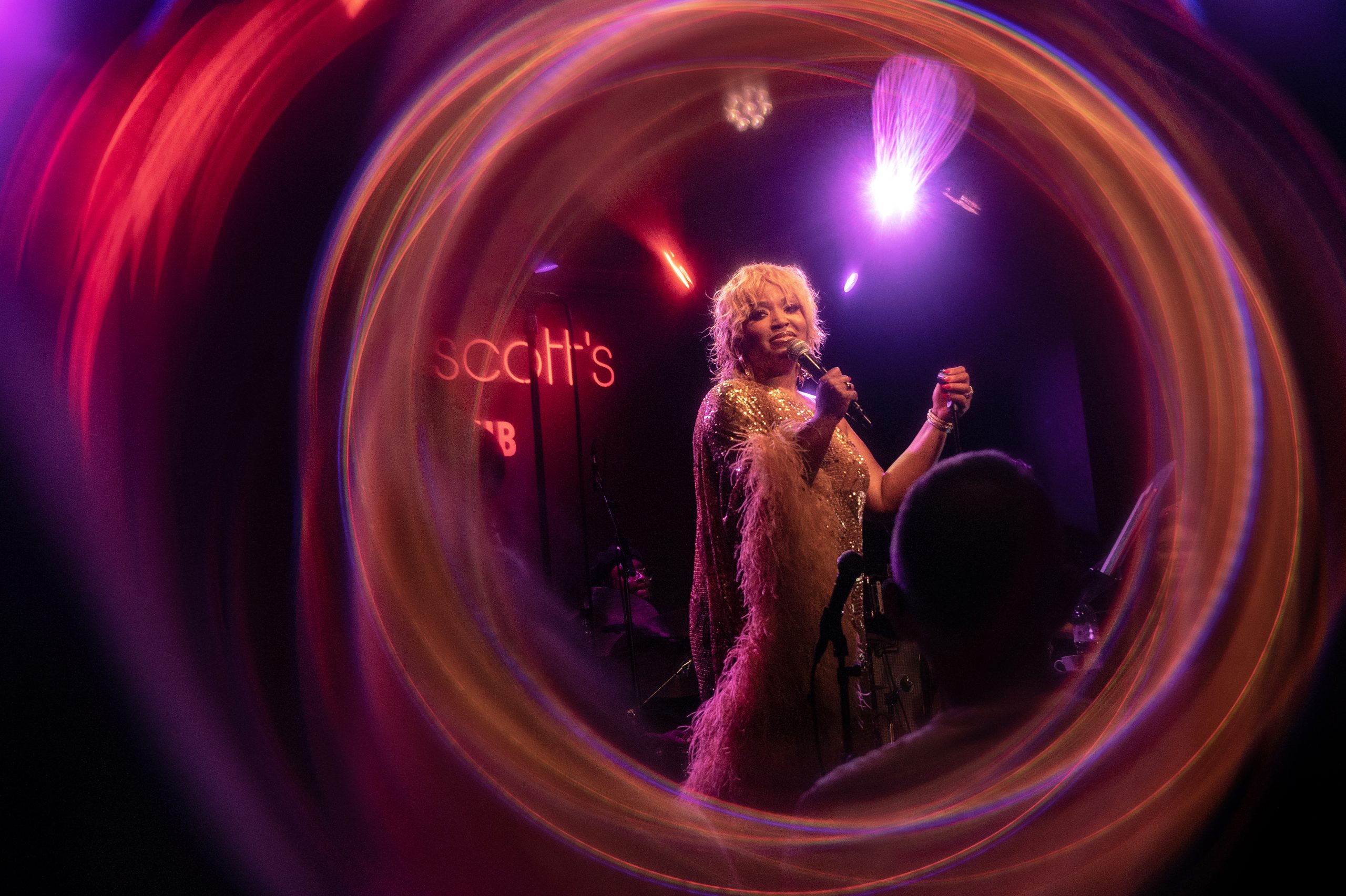
Ronnie Scott’s sold out in 30 minutes. Two shows, my debut, and we were debuting these songs for the first time. I’d been terrified for weeks because you don’t know whether people are going to like the music.
I tested it on TikTok Live and Instagram Live at one or two in the morning. I remember playing through the songs and asking, ‘What do you guys think?’ They were saying, ‘This is a hit!’ That gave me enough confidence to think, ‘Okay, I can do this.’
With Live in London, I told my own story through a song cycle of my hits. This time, I wanted to tell her story through these songs.
It went so well. Hearing people sing your own song back to you was crazy. They were laughing, singing, crying, and getting up dancing. People have been messaging, ‘I want to hear Warrior again. I want to hear Love by You again.’ Even hearing them say the song titles back to me is crazy. This was in my brain!
An album that tells a story, with spoken sections between songs, sounds as though it could become a musical. Has that crossed your mind?
Maybe, maybe! I wanted to test it this way first. You learn a lot by putting something in front of an audience: what they like, how the show flows, and what you want people to feel when they leave.
It’s very atmospheric. I use mixed media, with Billie Holiday playing underneath a monologue, moments where you hear Etta’s voice from interviews, and news clips. I wanted to combine what we feel at a concert with theatre.
Gigs are theatre too; they just live in different places. I’ve worked in both worlds, and now I’m combining them. I speak directly to the audience. There isn’t a wall between us.
We’ve created rules around what theatre is supposed to be, what a concert is supposed to be, and what genres we’re supposed to sing. If you’re Black in America, you can only sing R&B and pop. Beyoncé opened that conversation with Cowboy Carter.
I’ve been saying for years, ‘Why do I have to sing one genre?’ In musical theatre, I sing classical, jazz, gospel, and country, depending on what the story requires. That has nothing to do with my skin colour.
The show must go on. The show has to go on. But at what cost is the show going on?
You’ve spoken about becoming fixated on the image of Etta James delivering an extraordinary performance while her life was falling apart. What was it about that image that you couldn’t leave alone?
Because I’ve been through those times. When I first came over for Dreamgirls, it was supposed to be my dream. Everything was going to change, and it was going to be the best time of my life. It actually became one of the lowest times I’ve ever had personally.
I was going through a divorce. I got scammed out of money by a guy I was dating. I was going onstage every day, having to deliver that performance of Effie White in that state. It was so hard. I don’t know how I survived it.
If they knew the cost I had to pay every day to give them that performance, how would they feel? How would it change how they saw it?
I could imagine Etta going through addiction, trying to take care of her kids and her family, and still having to perform. The money, the house, the kids: it’s all on you, and you’re not even well yourself. How did she do it? And she survived.
Everybody wants the dream, but what happens when you get everything you want? What does it take to keep it? That’s what we were investigating. I was also looking at incredible talents like Amy Winehouse, Jimi Hendrix, and Janis Joplin, and then people who survived, like Chaka Khan. People don’t talk about the dark side of the industry and how it can consume you if you’re not careful.
There’s something very relatable in that, even for people who don’t perform. So many people are holding everything together while dealing with things nobody knows about.
We’re all performing right now. Especially with what’s going on in the world, we’re having to get up every day, put on our costume, and perform, even though the world is falling apart.
The show must go on. The show has to go on. But at what cost is the show going on?
What does Don’t Let This Be You mean to you, and why did you want it to introduce the project?
It’s something I tell the people I mentor. So many young people ask, ‘How did you do it?’ I tell them, ‘Be careful. Take care of yourself while you’re trying to fly.’ When you get that close to the sun, when you get the thing you want, it’s not always what you think it is.
You think everything will be amazing once you get your dream, but you have to have something else to hold on to. Make sure you have a support system and people who love you. You have to be strong in who you are.
Everybody wants the fame, but nobody wants the pain. There’s loneliness that comes with it. I had to come to a different country, and I was here by myself for a long time. Some bad people came into my life because I was looking for love and companionship.
That’s why the song resonates with me. It was almost like Etta was warning me too, as Billie Holiday warned her. In the pursuit of your dream, don’t lose yourself.
What did Toby understand about you that helped you find the sound and language of this record?
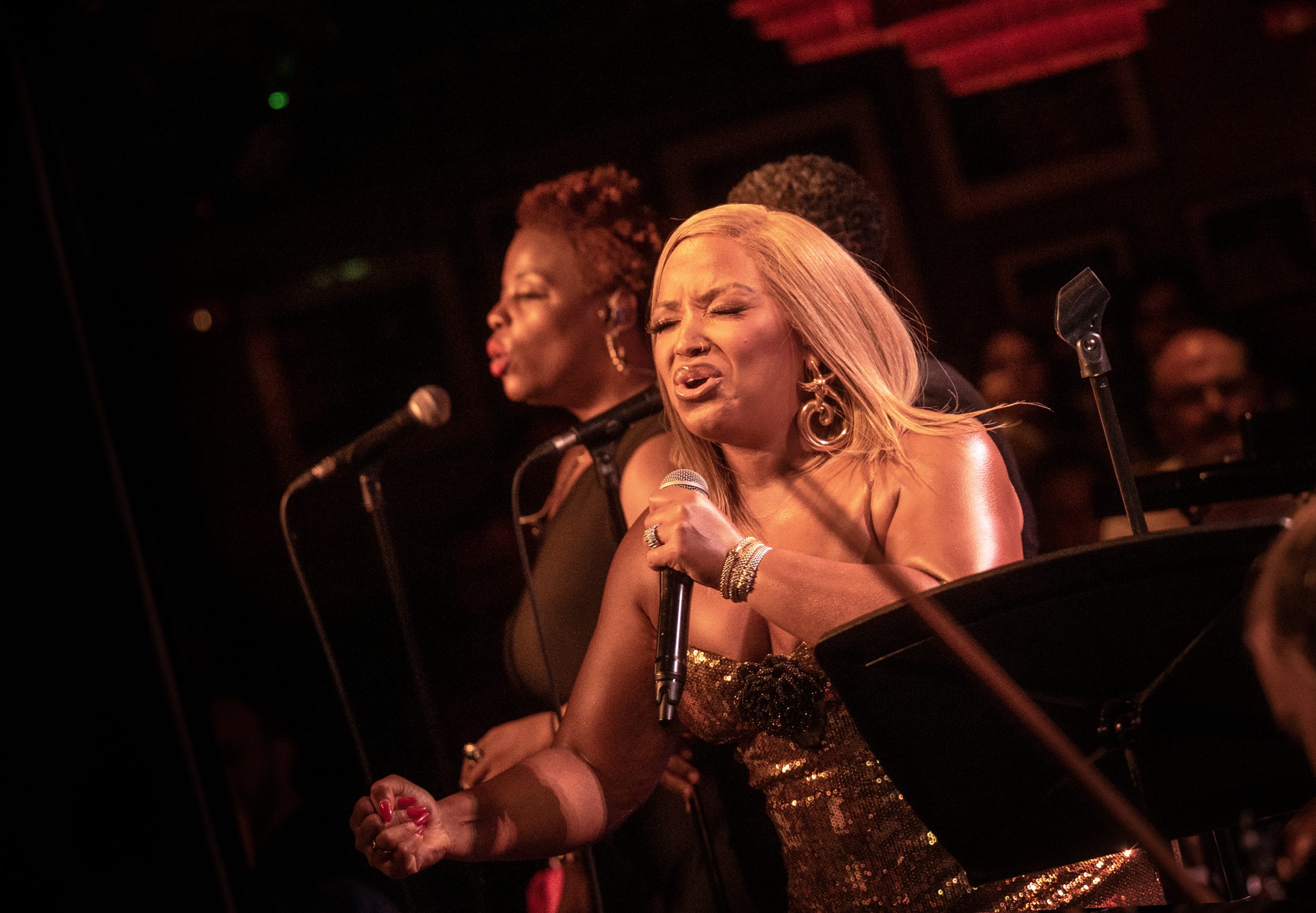
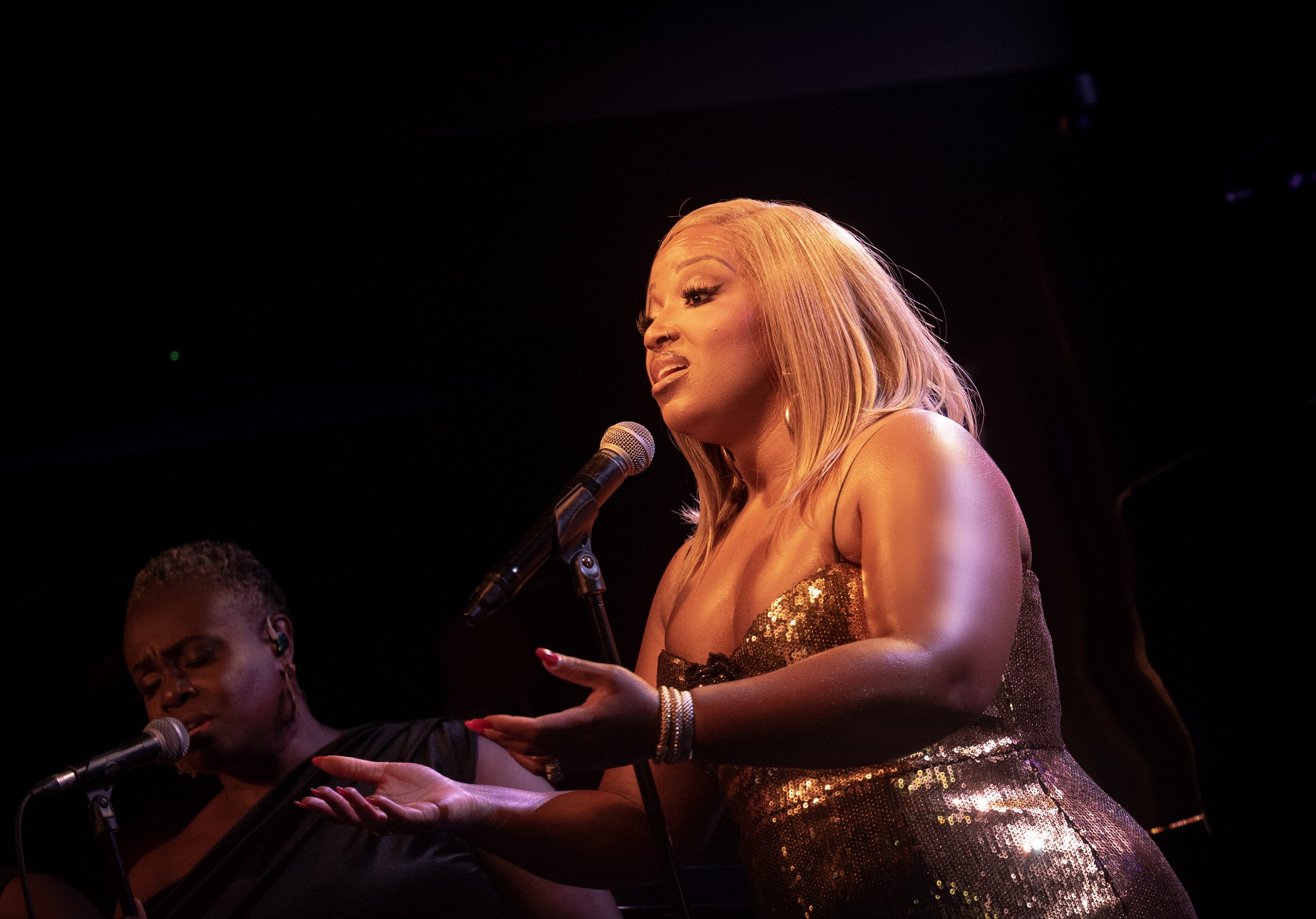
Toby is a musical genius, but we get each other. Our musical language is so similar. He made me brave. He said, ‘You are good at this.’ I knew I was good at certain things, but I didn’t think I was a songwriter.
I had a manager who passed away who told me I was a songwriter and nurtured that part of me. These songs coming out are an ode to him too. I know his spirit was at Ronnie’s, and he’d be really proud.
When you’re singing your own material, how do you decide how much of yourself to reveal?
I reveal everything! I can use Etta James as a mask to tell how I feel through her story. I haven’t been addicted to heroin, but I’ve been addicted to love, to wanting to be loved. That’s probably part of why I do what I do.
There’s a song called Drama Mama about relationships between mothers and daughters and the jealousy that can sometimes be there. At points in my life, I’ve wondered whether my mum was jealous that I got to live my life and she didn’t. Etta had something similar with her mother.
It’s cool to get how I feel out through a character, which is what I do in theatre anyway.
What can you share about when the album is coming and how you’d like to bring it to audiences beyond Ronnie Scott’s?
We want to take this to the jazz festival circuit. Monterey Jazz Festival, North Sea: that whole circuit is where Etta really thrived, especially in the later years of her life. I want to bring her memory back to those spaces.
We’re hoping that will happen next year and trying to get the album out at the top of 2027. I would love a RAYE and Olivia Dean moment. There’s some good soul music coming out of London right now. And even though I’m not… well, I am British, so me too!
You’ve spoken about the pressure on Black women to always appear strong. How are you confronting that expectation through this work?
In Table 17, she looks like the stereotype of what people think a Black woman is: sassy, funny, dressed to the nines, looking fierce. But there’s an underbelly I get to show, just as I do with Etta.
You think these women are strong and tough. Etta considered herself a rebel. But underneath is a scared little girl who wants to be loved, wants her dad, and wants the love of her life to rescue her.
Life can be so tough for Black women that we put these masks on. I want to unmask us and let people know we are vulnerable. We have weak times. We need to be held too.
Black women, especially in America, have always been seen as the mother figure, the carer, the protector. We also need to be protected. As much as we’ll protect you, protect us.
You previously told our writer Helen that there weren’t enough leading roles for women, particularly women of colour. What has moved forward, and where are you still meeting resistance?
I feel like I’ve broken some barriers, especially with Sally Bowles. The estate has to approve casting, and when something is approved, it sets a precedent. Now Joy Woods has gone on to play her. It changes things.
We’re making progress one role at a time, one show at a time. Do we still have a long way to go? Absolutely. I’m looking at Broadway and asking, ‘What Black women are starring in the shows?’ There’s Joy Woods in Galileo, and Wanted with Liisi LaFontaine and Solea Pfeiffer. It’s changing.
But then it’s still stories about slavery or stories about the white man. Why can’t we just tell our stories, just love stories, where my race doesn’t matter?
That was lovely about Adelaide in Guys & Dolls, Oklahoma!, and Cabaret. It wasn’t about my race. I was a woman going through a situation, and I love that.
Did playing Sally change what you felt able to say through your own music?
I don’t think I would have been able to go to the depths Etta goes to without Sally. I haven’t experienced heroin addiction or that kind of rock bottom, but I had to go to those places with Sally. Now I know I can go there, and I’m not afraid.
Before, I’d done glossy things like Aladdin, Dreamgirls, and Waitress. It was nice to explore the dark side of myself, like my rage.
There can still be laughter, fun, and joy when you’re going through a dark time. It doesn’t all have to be heavy. Life is really heavy right now, but there’s still joy, love, and light.
In the pursuit of your dream, don’t lose yourself.
Audiences know what you can do with a song. What have you discovered about holding their attention without one?
That was what scared me about the play: will they like me without my superpower? I’m an X-Man! My voice is my thing. If I take it away, can I still move an audience and give them a good show?
I can. People have come and said, ‘You didn’t even need to sing.’ You’re still singing, but in a different way. Taking people through the highs and lows, the timing, the comic timing: all of that is musical.
When someone leaves your performance or finishes listening to your music, what do you hope has changed for them?
I want you to feel different from how you arrived, like something has moved. Maybe a part of you that you haven’t confronted, or a challenge you’re going through.
A disabled girl at the show told me Warrior resonated with her because she fights every day to feel like her disability isn’t her whole life. Even getting up, putting on her lipstick and makeup, and getting through the day makes her a warrior.
You don’t have to do incredible, massive things to be a warrior. You can be one because you got up that morning and made it. Those are the things I like hearing after a show. People feeling affirmed, thinking, ‘This might be shitty, what’s going on in my life, but I can survive it. I’m going to be okay.’
I come from a religious background, and it’s very church in that way. You come for something, perhaps a part of your life that needs healing. I hope you get something you need that you can take with you to keep going.
Don’t Let This Be You, by Marisha Wallace and Toby Gad, is out now. Listen on Spotify.
Table 17 is playing at The Kiln Theatre until 24 October 2026.
Book your tickets at kilntheatre.com.
Words by Nick Barr
Photography by Tatiana Gorilovsky