A memorable children’s party is rarely the one with the most decorations or the busiest timetable. Children are more likely to remember laughing with friends, trying something new and feeling included.
Football can work particularly well as a loose party theme because it is easy to adapt. Some children will want to play from the moment they arrive, while others may be less confident, less interested in football or simply happier joining in through a quick challenge rather than a full match.
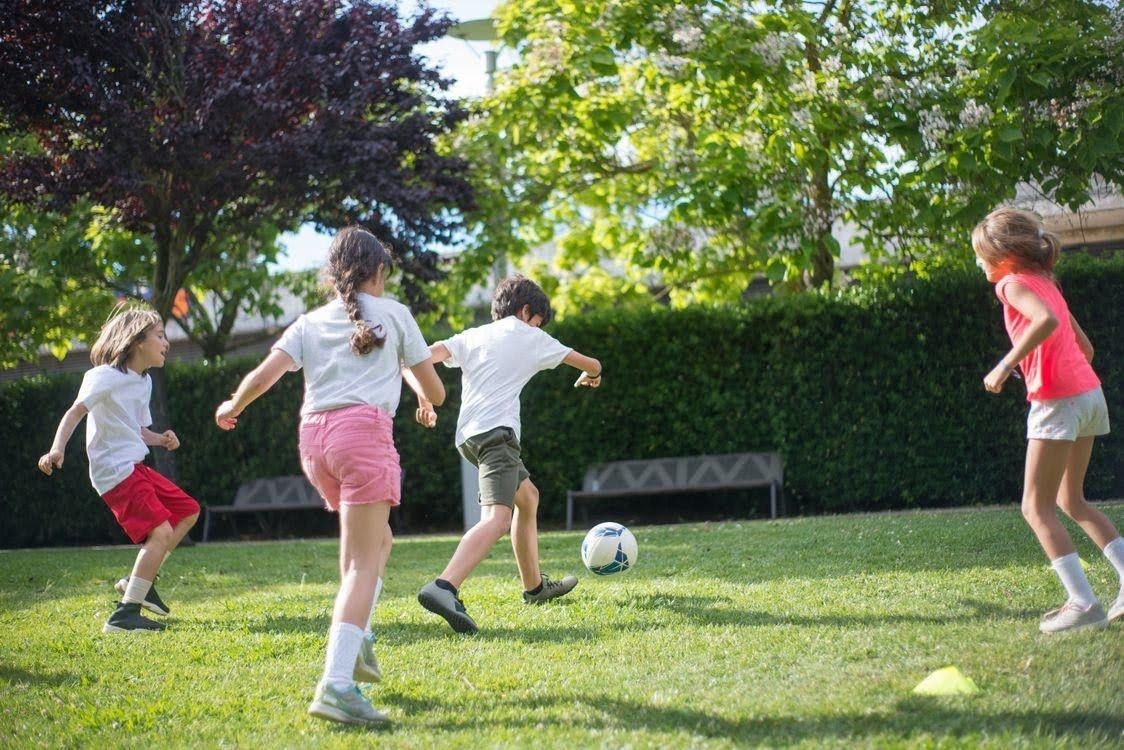
Start With The Children, Not The Football Team
Before choosing activities, think about the group you are actually inviting. A party for six-year-olds will need a different pace from one for eleven-year-olds, and a mixed group may include children with very different levels of confidence and experience.
A football theme does not mean everyone has to know the rules, play for a team or be comfortable in a competitive match. Give children permission to watch before joining in and make sure there are easy ways to take part. A simple target challenge can feel much more welcoming than asking a nervous child to step straight into a match.
Avoid dividing children into “good” and “less experienced” players. It is a party, not a trial, so give everyone repeated turns and different ways to enjoy success.
Choose Activities That Give Everyone A Turn
One long football match can work for some groups, but it can also leave quieter children on the edge of the action. Short challenges are often easier to manage because everyone gets repeated opportunities to take part and nobody has to wait too long for another turn.
Penalty challenges, target shooting, passing games, football darts, dribbling courses and short small-sided games can all be used in brief rounds. Rather than relying on one long match, a mixture of short football activities can give children different ways to take part, whether they enjoy shooting, passing, accuracy challenges or simply trying something new.
Keep instructions simple. Children should be able to understand the challenge quickly, have a go, then either try again or move on.
Keep Competition Friendly
A little competition can make a party more exciting, but the event does not need to revolve around who wins. If the same confident players dominate every activity, other children may stop volunteering or lose interest.
Use team totals, personal-best challenges and rotating groups instead of endless knockouts. Fun awards such as best celebration or most enthusiastic teammate can keep the mood light.
If you are giving out small prizes, keep them light-hearted and spread them around. The aim is to add energy, not create a hierarchy that follows the children around for the rest of the party.
Build In Breaks And Changes Of Pace
Children often need more breaks than adults expect, especially when a party involves running, kicking and repeated bursts of activity. A continuous 90-minute football session may sound perfectly on-theme, but younger children can lose energy and concentration well before the end.
Break the party into shorter blocks. Twenty minutes of activities followed by drinks, food or a calmer game can work better than pushing through without a pause. Leave water somewhere easy to reach and make it clear that children can step out for a rest without feeling they are missing their only chance to participate.
A change of pace also gives less-sporty children time to relax and rejoin when they are ready.
Make The Space Work For Players And Spectators
The venue has a big effect on how relaxed the party feels. Make sure there is enough run-off space around active games and keep bags, coats, food and drinks away from playing areas. Children waiting for a turn should have somewhere safe to stand without blocking the activity.
Parents and carers may need somewhere to sit, particularly at parties for younger children. For outdoor events, decide in advance what will happen if the weather changes and have a simple indoor backup plan.
Keep routes between activities clear so children can move safely from one area to the next.
Add Variety Without Losing The Theme
A football-themed celebration does not mean every activity has to involve a traditional match. Adding one or two different challenges can help children who are less interested in football and gives the whole group a change of pace.
Reaction games, table games, throwing challenges and other sports-based activities can sit alongside football without making the event feel disconnected. For larger parties, combining football with a few interactive games and sports activities can create different areas for children to explore rather than expecting the whole group to do the same thing at once.
Choose variety because it gives children more ways to join in, not simply to fill the space with more equipment.
Do Not Over-Plan Every Minute
A party needs some structure, but it does not need to run like a coaching session. Choose a handful of activities you know will work, then leave enough flexibility to repeat the ones the children enjoy most.
Have one simple backup game available in case something finishes earlier than expected. This could be a quick passing challenge, a penalty shootout or even a non-football group game that needs almost no setup.
Avoid changing activities every few minutes. Constantly stopping children just as they are enjoying themselves can make the party feel more like a lesson than a celebration.
Remember The Practical Basics
Small details can make a bigger difference than an elaborate theme. Provide drinking water, tell children what footwear and clothing to bring, and ask parents about allergies in advance.
Check toilet access, adult supervision and arrival and collection arrangements. If the party is outside, consider shade, rain cover and somewhere dry for food and belongings. A clear break area is useful for children who need a few quiet minutes away from the activity.
Getting these basics right makes the whole event easier to enjoy.
Finish With Enjoyment Rather Than The Final Score
The best football-themed celebrations are not necessarily the ones with the most games or the most elaborate setup. They are the ones where children have plenty of opportunities to join in, try something different and spend time with their friends.
If children leave talking about a funny penalty, a surprising goal or a new game they tried, the party has done its job.
Plan enough to keep things moving, but leave room for children to shape the day. A relaxed atmosphere and varied ways to join in usually matter more than a perfectly timed schedule.