That change is especially visible in cashmere. The fibre already carries familiar associations with softness and warmth, yet the difference between an anonymous accessory and a lasting favourite often comes down to decisions that are easy to overlook. Proportion, construction, colour and finish shape the experience long before a monogram or label is added. At CashmereCustom, operated by Inner Mongolia ENHE Cashmere Co., Ltd., those details are treated as part of the product rather than decoration applied at the end.
Personalisation is becoming quietercashmere scarves and shawls
Personal style does not always need to announce itself. A tonal initial, a carefully positioned label or an unusual colour can make an accessory distinctive without making it loud. This approach feels more modern than covering a product with an oversized logo because it allows the material and the wearer to remain the focus.
There is also something appealing about restraint. Tone-on-tone embroidery can be noticed gradually, and a woven label can be placed where it is discovered rather than displayed. The result feels considered. It belongs to the person wearing it, but it does not ask everyone else for attention.
Material comes before the motif
It is tempting to begin a custom piece with colour or artwork. In practice, material should come first. Fibre composition, yarn structure, weight and finishing determine how a scarf drapes, how a hat recovers after stretching and how the surface changes through wear. A design that looks elegant in a digital mock-up can behave very differently on a soft, moving textile.
This is why touch remains important. Cashmere is experienced close to the skin, often around the neck, face or hands. A scarf needs enough fluidity to fold without becoming bulky. A beanie needs elasticity as well as softness. If the base construction is wrong, even the most refined embroidery will not rescue the finished piece.
Good development therefore moves from material to structure and only then to decoration. The order may sound technical, but its effect is emotional: the item feels natural to wear because every visible choice is supported by an invisible one.
The scarf as a personal canvas
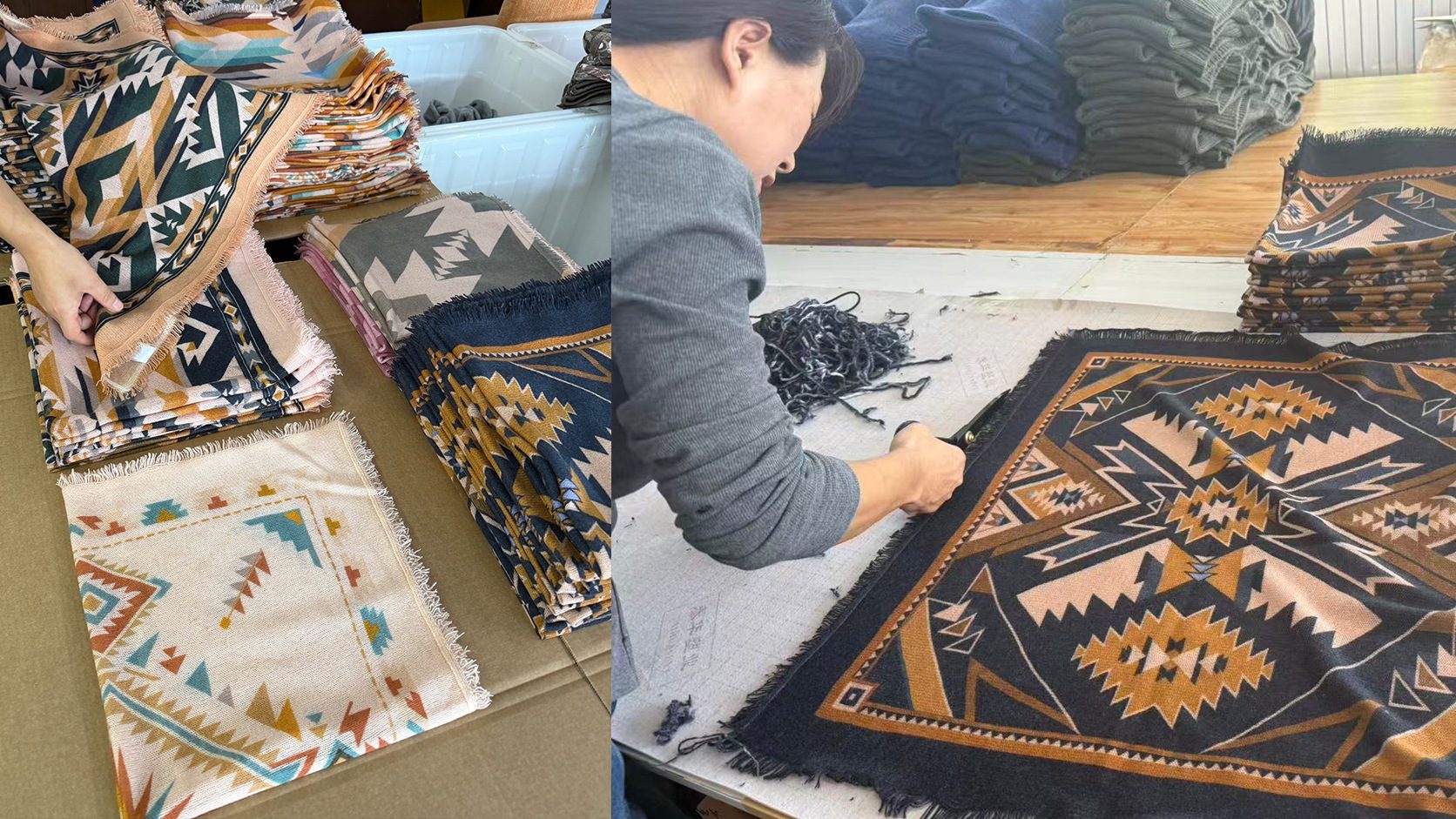
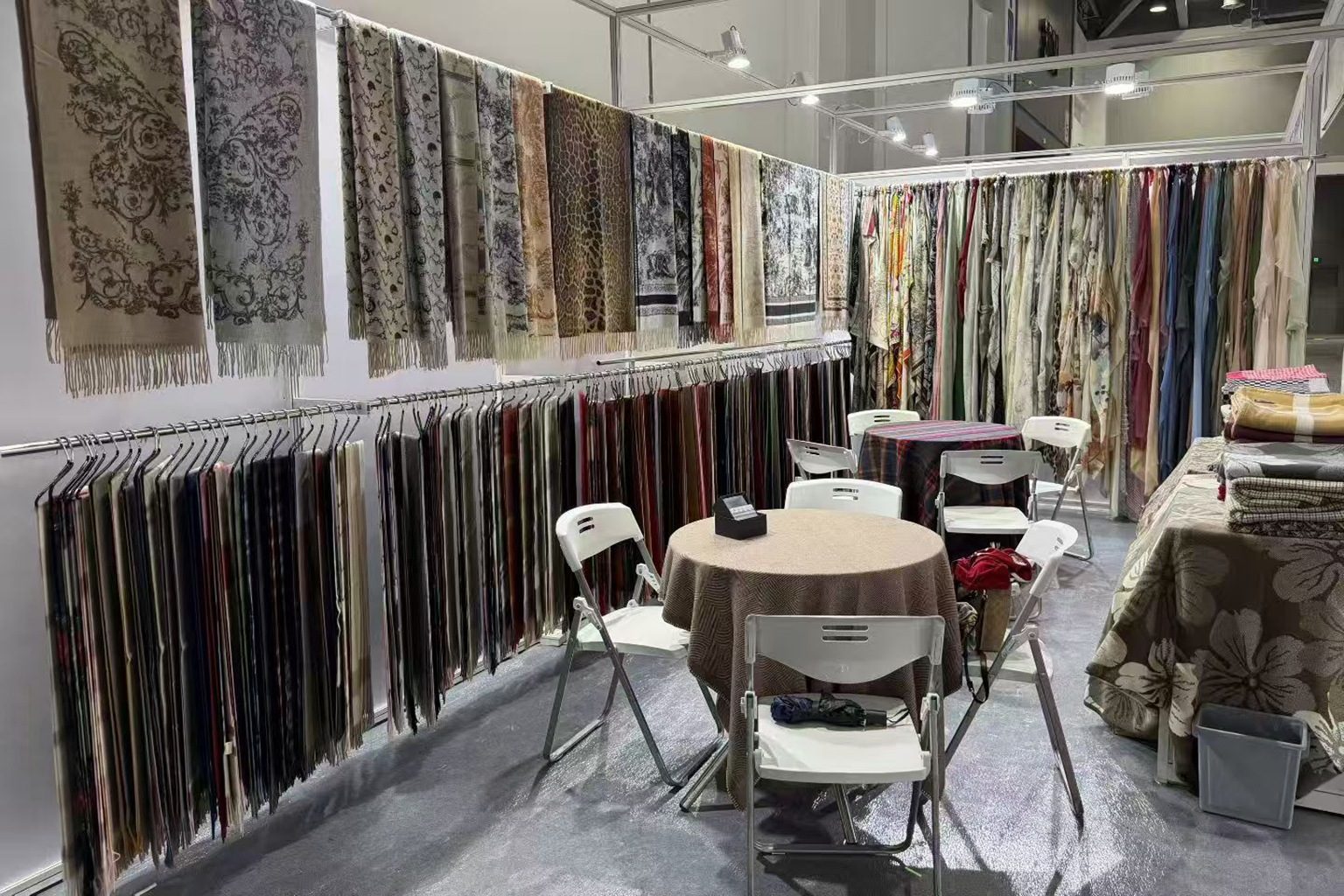
Scarves invite experimentation because their shape is simple while their styling possibilities are broad. A long rectangular scarf can be wrapped, knotted or worn loose; a square can move between the neck, hair and shoulders. Scale changes how a pattern appears, while edge finishing influences whether the piece feels crisp, relaxed or traditional.
The range of cashmere scarves and shawls also shows why a specification matters more than a photograph. Two pieces can share a similar colour and still feel completely different because of size, weave, knit structure or weight. Personalisation works best when it begins with the way the scarf will actually be worn.
For a subtle result, embroidery should be tested at its final scale and position. A mark that looks balanced on a flat layout may appear too close to the edge once the scarf is folded. Patterned pieces need even more care because the artwork, cut and fringe must remain visually connected. The design should follow the textile rather than fighting it.
Why fit matters even for a beanie
Hats are often sold as one size, but their character depends on proportion. Circumference, depth, crown shape, cuff height and rib tension all influence the final look. A shallow crown feels neat and graphic; extra depth creates a softer, more relaxed shape. A broad cuff can frame the face, while a narrow one keeps the profile light.
The most useful way to compare cashmere beanies is therefore not by colour alone. The fit should be considered in its relaxed state and after stretching. Recovery matters because a hat that feels perfect the first time can lose its shape if the rib structure is not stable. Labels, patches or embroidery should be positioned only after that fit has been approved.
This attention to proportion is what separates a generic winter basic from an accessory that becomes part of someone’s visual identity. The difference may be only a few centimetres, yet it changes how the piece sits with a coat collar, frames the face and feels over a full day of wear.
Colour should work with real wardrobes
Neutral cashmere remains popular for good reason. Camel, grey, navy and natural shades are easy to combine and allow texture to carry the look. But personal cashmere does not have to mean beige. Muted blue, deep green, burgundy or a carefully controlled pattern can be just as versatile when the colour is chosen in relation to clothes already owned.
For patterned scarves, the relationship between colours matters as much as each shade. A strong motif becomes easier to wear when one or two tones connect with outerwear, knitwear or shoes. Personalisation can be expressive without reducing versatility.
A sample is part of the design process
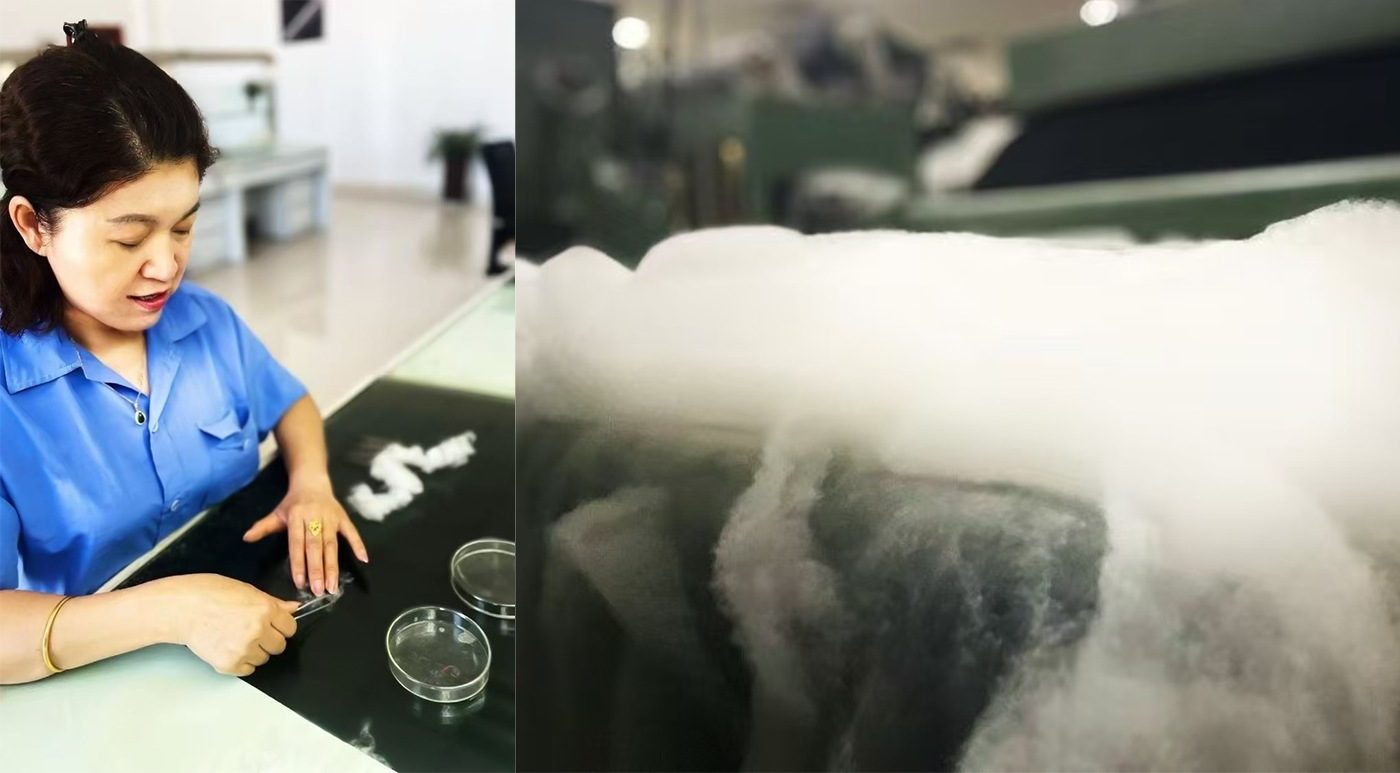
A sample should not be treated as a miniature production run that simply needs approval. It is the point where an idea becomes physical and where proportion, hand feel, colour and placement can be judged together. Wearing the sample reveals more than viewing it flat: a scarf may twist differently when knotted, and a beanie may change shape once the cuff is turned.
Useful feedback is specific. Instead of saying that a piece should feel “more luxurious,” it is better to identify whether the change concerns weight, softness, density, measurements or finishing. Clear observations allow the next version to improve without disturbing details that already work.
The same discipline protects the final result. Once the sample is approved, its measurements, construction, colour and branding become a reference. Consistency is not the absence of craft; it is what allows craft to be repeated.
Care is part of quiet luxury
The most personal luxury is often the item that stays in use. Cashmere benefits from rest between wears, gentle cleaning and storage away from friction. Pilling can occur where soft fibres rub, especially early in the life of a garment, and careful maintenance is more useful than expecting the surface never to change.
This practical relationship with a product is increasingly relevant. A piece chosen for its fit and colour is more likely to be worn often, repaired when necessary and kept for longer. Personalisation can strengthen that attachment, but the real value comes from the combination of material, construction and use.
Quiet luxury is becoming less about looking identical to an ideal and more about making deliberate choices. In cashmere, those choices can be felt in the weight of a scarf, the recovery of a rib, the balance of a pattern and the placement of a small mark. The details remain quiet, but they are no longer anonymous.
Images courtesy of CashmereCustom / Inner Mongolia ENHE Cashmere Co., Ltd.