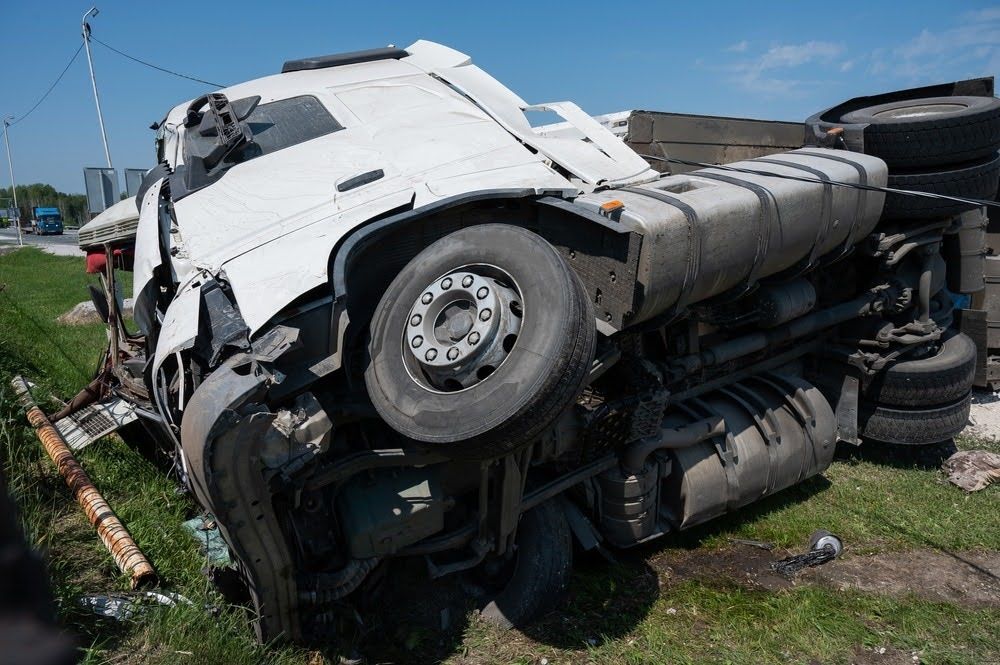
Loose cargo can turn an ordinary truck trip into a serious road hazard. If a load falls onto the road or slides off a truck, nearby drivers may have little room to react. Still, being hurt in such an accident does not automatically mean you can file a successful lawsuit.
You need to consider who was responsible for securing the cargo, whether their actions caused your injuries, and what legal rules apply. The right to sue for an unsecured truckload accident depends on these details, along with other factors that may affect whether a claim can move forward.
1. Who Was Responsible for the Unsafe Load?
A truck driver may be behind the wheel, but that does not always mean the driver is the only person responsible for an unsecured load. Several people or businesses may have played a part in getting the cargo onto the road.
The Truck Driver
Drivers may be held responsible if they knew a load was unsafe and continued driving or failed to carry out required safety checks. Driving too fast with an unstable load may also add to the danger.
The Loading Company
A cargo loading company may share responsibility if workers placed items unevenly, used weak restraints, or failed to secure heavy goods properly.
The Trucking Company
A trucking company may also be involved if it failed to follow safety rules or allowed an unsafe truck to make a delivery. The facts of the crash help determine which parties may be responsible.
2. Can You Connect the Accident to Your Injuries?
A claim needs more than proof that cargo fell from a truck. There must also be a connection between the accident and the injuries being claimed.
For example, a driver may swerve to avoid falling cargo and crash into another vehicle. In another case, loose materials may strike a passing car and injure someone inside. The details of each crash matter because they help explain how the injuries occurred.
Police reports, photographs, witness statements, and medical records may help show what happened. These records can also help explain the injuries and the care needed afterward. The exact proof required depends on the facts and the law that applies.
3. Could Your Own Actions Affect the Claim?
The actions of the injured person may also matter. Even if a truck carried an unsafe load, another driver’s conduct may be reviewed to see whether it played a part in the crash.
For example, a driver who was speeding or following a truck too closely may share some responsibility for a collision. However, being near the truck or failing to avoid falling cargo does not automatically mean the injured person caused the accident.
Some laws allow an injured person to seek compensation even if they share part of the blame. Other rules may limit or prevent recovery once a person’s share of fault reaches a certain level. The effect depends on the law that applies to the case.
4. What Losses Did the Accident Cause?
A lawsuit generally needs to involve an injury or loss that the law recognises. An unsecured load may create a serious road hazard, but the danger alone does not always give someone grounds for a personal injury claim.
Possible losses may include:
- Physical injuries caused by falling cargo or a collision.
- Medical bills and the cost of related treatment.
- Income lost because injuries prevent someone from working.
- Other losses linked to the accident, where the law allows them to be claimed.
Records such as medical reports, bills, and proof of missed work can help show how the accident affected the injured person. The type and amount of loss will depend on the circumstances.
5. Could a Legal Deadline Stop You From Filing?
Time limits can affect the right to bring a lawsuit. The law usually sets a deadline for filing a personal injury case, and missing it may prevent the claim from moving forward, even if another party appears responsible.
The deadline is not the same in every case. It may depend on where the accident happened, the type of claim, and who may be involved. Claims against government bodies may also have special notice rules that apply much sooner.
For this reason, the date of the accident should not be treated as a minor detail. The applicable deadline needs to be checked based on the specific circumstances.
Key Factors That Can Affect Your Right to File a Lawsuit
The right to sue for an unsecured truckload accident depends on several connected issues, including who caused the danger, whether the accident led to a recognised injury or loss, how much fault each person may share, and whether the claim meets the required deadline. Identifying the parties involved also matters. The facts and the law that applies will determine whether a lawsuit may proceed and what limits could affect the claim.