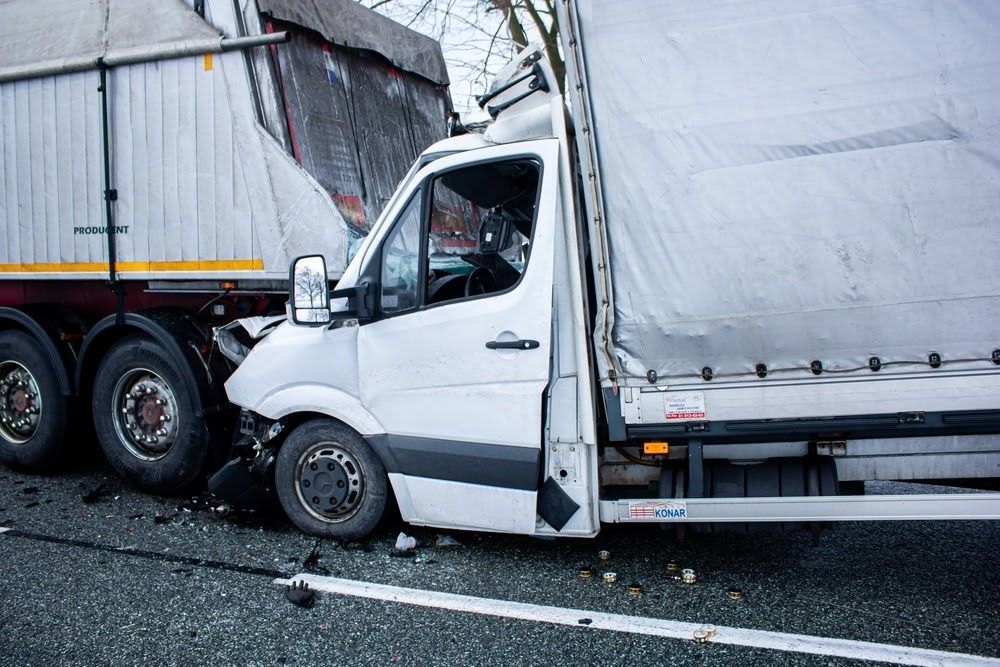
A truck accident can involve more than a mistake behind the wheel. A driver may have been speeding, a company may have ignored safety rules, or a mechanical problem may have made the truck unsafe. Each detail can change how responsibility is determined.
Finding out who is responsible in a truck accident requires a close look at the actions of everyone involved, from the driver to the company responsible for the vehicle. Police reports, driver records, maintenance history, and other evidence can help reveal what caused the crash and who may be held accountable.
Who Can Be Responsible for a Truck Accident?
A truck accident does not always have one person or company to blame. Several parties may have contributed to the crash, depending on what happened before the collision. Each party’s actions must be examined to determine whether they played a role.
The Truck Driver
Drivers must follow traffic laws and operate their vehicles safely. Speeding, distracted driving, driving while tired, and ignoring traffic signals can lead to serious crashes. If a driver’s actions caused the collision, the driver may be held responsible.
The Trucking Company
A trucking company may also share responsibility if it fails to meet its safety duties. For example, it may hire drivers without proper checks, provide poor training, or allow unsafe work schedules that increase the risk of tired driving.
Other Parties Involved
Responsibility may extend beyond the driver and trucking company. A maintenance provider may have performed faulty repairs, while a cargo loading company may have secured the load incorrectly. A manufacturer may also be responsible if a defective truck part contributed to the crash.
How Does Evidence Help Establish Fault?
Finding out who caused a truck accident requires facts that show how the collision happened. Investigators examine different types of evidence rather than relying on one person’s account. This helps them compare statements with physical details and vehicle records.
Important evidence may include:
- Police reports: These can provide details about the crash, road conditions, witness accounts, and the officer’s observations.
- Photos and videos: Images of vehicle damage, skid marks, traffic signals, and nearby cameras may help show how the collision occurred.
- Truck data: Event data recorders may provide details about speed, braking, and other vehicle activity before a crash.
- Driver records: Driving schedules and electronic logging records may show whether the driver followed rules on driving hours.
- Maintenance records: Inspection reports and repair histories may reveal problems with brakes, tires, steering, or other parts.
No single record always proves fault. Investigators compare the available information to identify actions or failures that contributed to the accident.
How Do Trucking Safety Rules Affect Responsibility?
Trucking companies and drivers must follow safety rules that apply to their work. These rules cover driving hours, driver qualifications, vehicle inspections, and cargo security. Their purpose is to reduce risks linked to large commercial vehicles.
For example, a driver who stays behind the wheel beyond permitted hours may become too tired to react safely. Similarly, a company that ignores known brake problems may put other road users at risk.
A failure to follow an applicable safety rule may support a claim that someone acted negligently. However, a rule violation does not automatically settle every question of responsibility. The facts must show how the violation relates to the crash, and the laws that apply to the case also matter.
Can Multiple Parties Share Responsibility?
Yes, more than one party may be responsible for the same truck accident. A collision can result from several mistakes or safety failures that happen together, making it necessary to examine each party’s role.
For example, a driver may travel too fast for road conditions while the trucking company has failed to address a known vehicle problem. In another case, improperly secured cargo may shift during a turn, causing the driver to lose control.
Investigators look at whether each party’s actions contributed to the crash. They may examine the driver’s conduct, company policies, repair records, and cargo handling practices to understand the full picture.
The way responsibility is divided depends on the facts and the law of the state where the accident occurred. Some states allow injured people to recover compensation even if they share part of the blame, while others apply different rules. The effect of shared fault depends on the applicable law.
How Does Fault Affect Truck Accident Compensation?
Responsibility can affect who pays for the losses caused by a truck accident. If a driver, trucking company, or another party is found legally responsible, that party’s insurance may cover certain damages, subject to the policy terms and applicable law.
An injured person may seek compensation for medical bills, lost wages, vehicle repairs, and pain caused by the injuries. The amount depends on the harm suffered, the available records, the insurance coverage, and the rules that apply.
Identifying who is responsible in a truck accident also helps identify which parties and insurance policies may need to be considered. Clear records of medical care, missed work, vehicle damage, and other losses can help show the financial impact of the collision.
The Facts Behind Truck Accident Responsibility
Determining responsibility after a truck accident takes a careful look at what happened before, during, and after the crash. The driver may have caused the collision, but company decisions, poor maintenance, unsafe cargo, or defective parts may also have contributed. Police reports, witness accounts, vehicle data, and safety records can help establish the facts. Since several parties may share responsibility, it is important to examine each role rather than assume that the driver alone caused the accident. The final decision depends on the available evidence and the laws that apply.