
Dr. Cristina Garcia Caceres is helping reshape the landscape of modern cosmetic dentistry by combining advanced orthodontic principles with minimally invasive aesthetic techniques.
Holding a Master’s degree in Dental Aesthetics from the Universidad Europea de Madrid and a Master’s degree in Orthodontics from Universidad Alfonso X El Sabio (UAX), Garcia Caceres operates at the intersection of structural function and visual harmony. Her clinical approach centers on preserving natural tooth structure whenever possible while leveraging digital diagnostic tools to customize patient treatment plans.
“Having advanced training in both dental aesthetics and orthodontics gives me a comprehensive view of the smile,” Garcia Caceres said. “For me, aesthetics and function go hand in hand. It is not enough to achieve an attractive smile; there must also be a correct bite and proper oral health.”
Garcia Caceres added that preventative care remains fundamental to her daily work. “My philosophy is rooted in preventive dentistry, where patients visit not only when they experience pain, but to proactively protect their health, refine their smile, and feel more confident,” she said. “Combining these specialties allows me to offer comprehensive treatment tailored to each individual.”
In 2023, Garcia Caceres gained international professional distinction when she earned first prize at the ALIGNEA Congress in Salamanca for her research presentation on “Upper airway changes following distalization orthodontic treatment”. Her post-graduate background includes credentials in endodontics, oral surgery, and facial aesthetics, along with official U.S. National Board Dental Examination (NBDE I-II) qualifications.
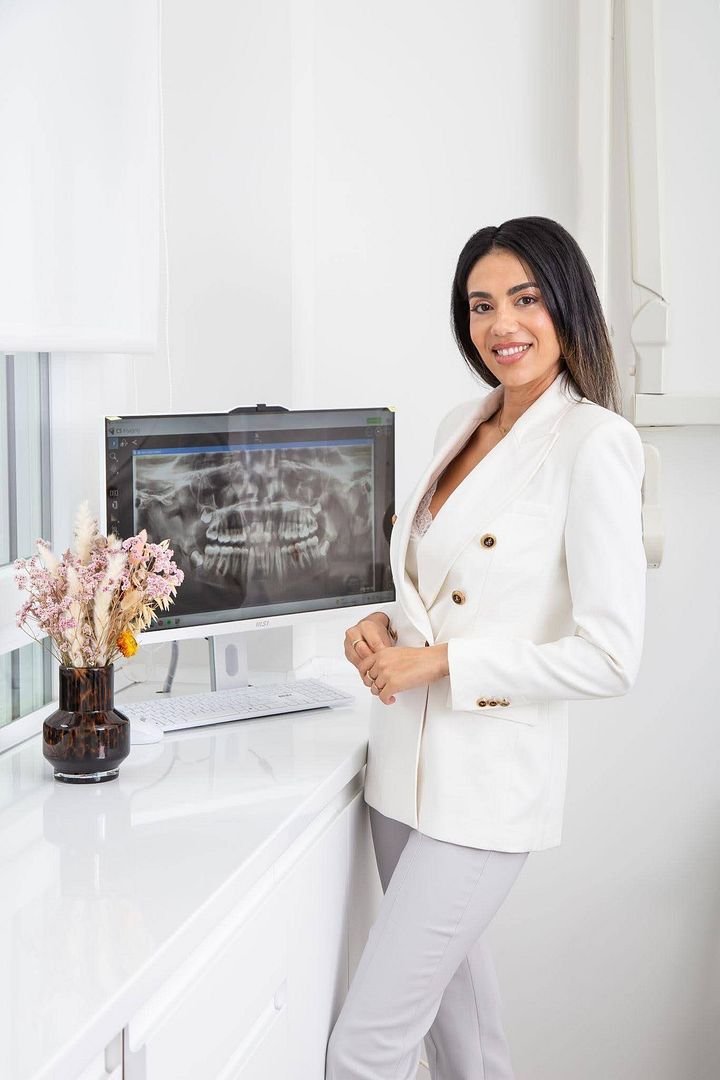
A central pillar of her clinical methodology is the technical distinction between traditional porcelain veneers and minimal-preparation or prep-less options. She emphasizes that conserving natural enamel remains essential for long-term oral health and restoration durability.
“The primary difference lies in the amount of enamel we must alter to achieve a proper aesthetic result,” Garcia Caceres explained. “Prep-less or minimal-preparation veneers are an excellent option when teeth are well-aligned and have a favorable base color, allowing us to enhance the smile while conserving maximum dental structure.”
However, she noted that specific clinical scenarios demand alternative strategies. “When there are significant misalignments, shape alterations, or an unfavorable base shade, greater dental preparation may be necessary to create space for porcelain without creating an overly bulky appearance,” Garcia Caceres said. “Every case must be studied individually to preserve as much healthy tissue as possible.”
“Enamel is the hardest tissue in the human body, and once removed, it does not regenerate,” Garcia Caceres said. “I always attempt to conserve as much of it as possible. Furthermore, veneer bonding is significantly more reliable and durable when performed on enamel rather than dentin.”
To plan restorations accurately, Garcia Caceres incorporates Digital Smile Design (DSD) alongside advanced intraoral digital scanners.
“I use Digital Smile Design to plan personalized aesthetic treatments, taking into account facial proportions and overall smile harmony,” Garcia Caceres said. “This tool allows patients to visualize how their smile could look before treatment starts, review the proposal, and make adjustments together with me.”
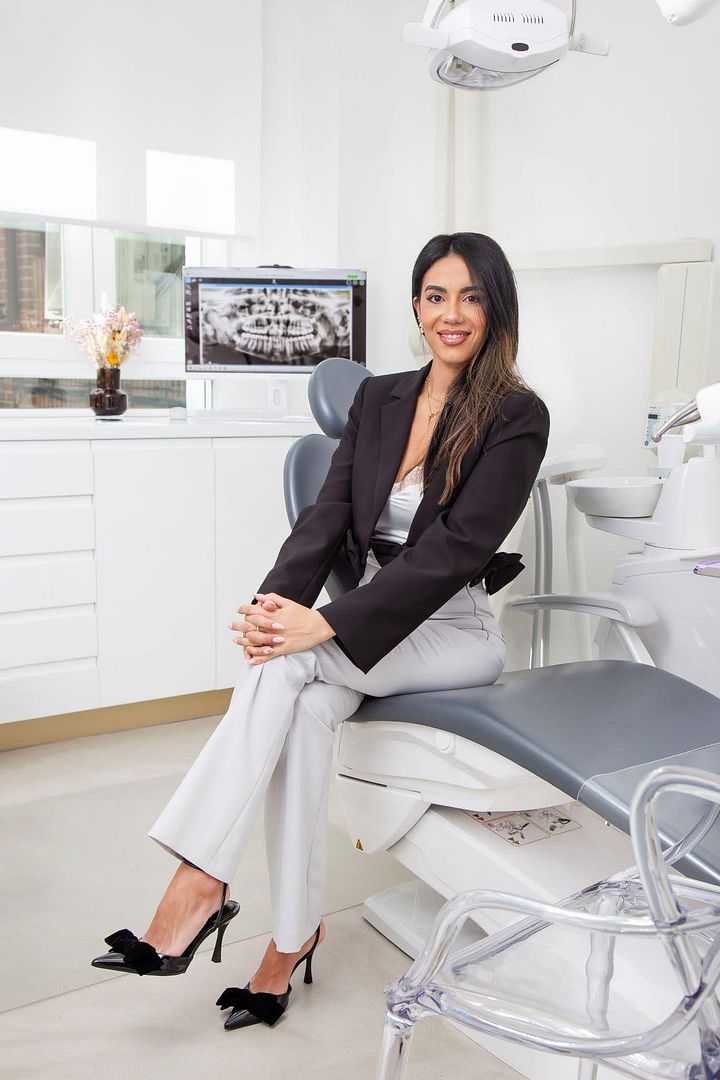
She added that digital diagnostic technologies enhance the entire treatment journey. “Intraoral scanners provide precise digital models that streamline communication with the dental laboratory,” Garcia Caceres said. “For the patient, this translates into a clearer understanding of the treatment, fewer adjustments, and a far more comfortable experience without conventional silicone impression materials.”
To avoid excessive tooth preparation, Garcia Caceres frequently orchestrates multi-disciplinary treatment plans combining clear aligner systems such as Invisalign or Spark prior to placing restorations.
“In cases with mild or moderate crowding or rotations, placing veneers directly would force us to perform greater tooth reduction,” Garcia Caceres said. “By first aligning the teeth with clear aligners, we can subsequently place minimal-preparation or prep-less veneers. This produces a more natural, conservative result that preserves enamel and ensures predictable bonding.”
Addressing common pitfalls in cosmetic procedures, Garcia Caceres highlighted diagnostic errors that compromise long-term success.
“Among the most frequent mistakes in veneer aesthetics is failing to properly evaluate the dental substrate—especially its color—which dictates material choice and preparation depth,” Garcia Caceres said. “Another error is neglecting the bite and tooth position, leading to excessive carving or poor functional outcomes. It is also common to see results that are unnaturally white or bulky, ignoring natural anatomy.”
She noted that structural longevity relies on systematic care. “To guarantee long-term durability, I perform individualized diagnoses, prioritize enamel preservation, and maintain meticulous protocols for bonding and bite alignment,” Garcia Caceres said.
Looking ahead, Garcia Caceres continues her clinical work across private dental practices in Spain while expanding her professional reach internationally.
Words: Tom Oakley