In the spirit of Christmas and embracing the creativity that paved the way for festive campaigns and the art of emotive storytelling, 1883 visited one of the most unseen archives in the world of marketing, Coca-Cola’s HQ Archive.
Across the world, Coca-Cola’s Christmas billboards are being screened in front of Times Square, Piccadilly Circus, bus stops, you name it, every holiday season. Its identity has been shaped not only by the product itself, but by the imagery, people and moments that have become part of popular culture.
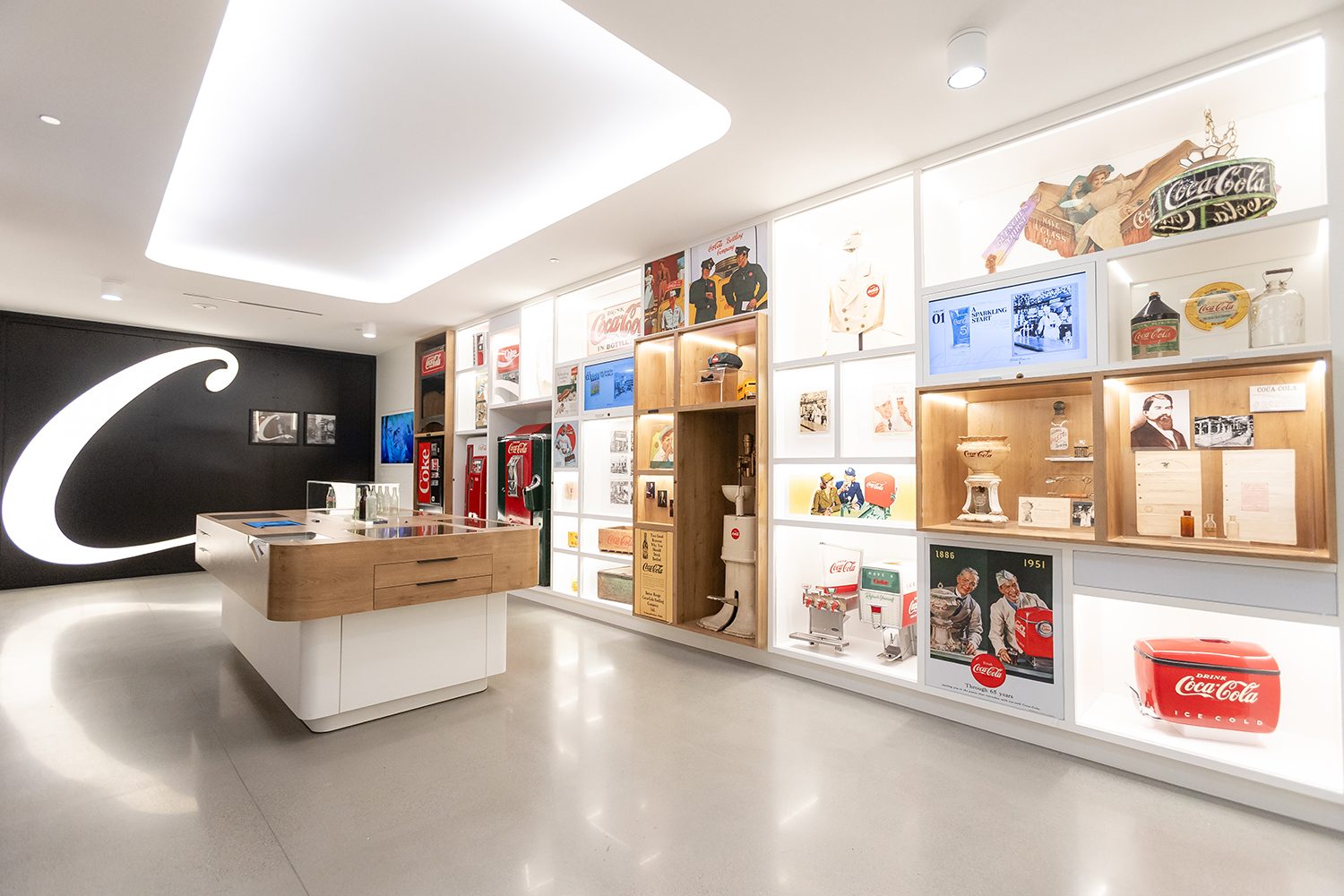
Behind this legacy sits the Coca-Cola Archives, a remarkable collection of hundreds of thousands of artefacts, photographs (some valued at $15 million a painting) and records inside the brand’s vault at their Atlanta Georgia HQ. The building home to over 4,000 employees offers a fascinating look at how brand history becomes cultural history. We spoke to Coca-Cola’s Senior Director of Archives, Sarah Rice whose role sits at the intersection of heritage, creativity and culture on preserving this legacy, uncovering its stories and keeping the past relevant for a new generation.
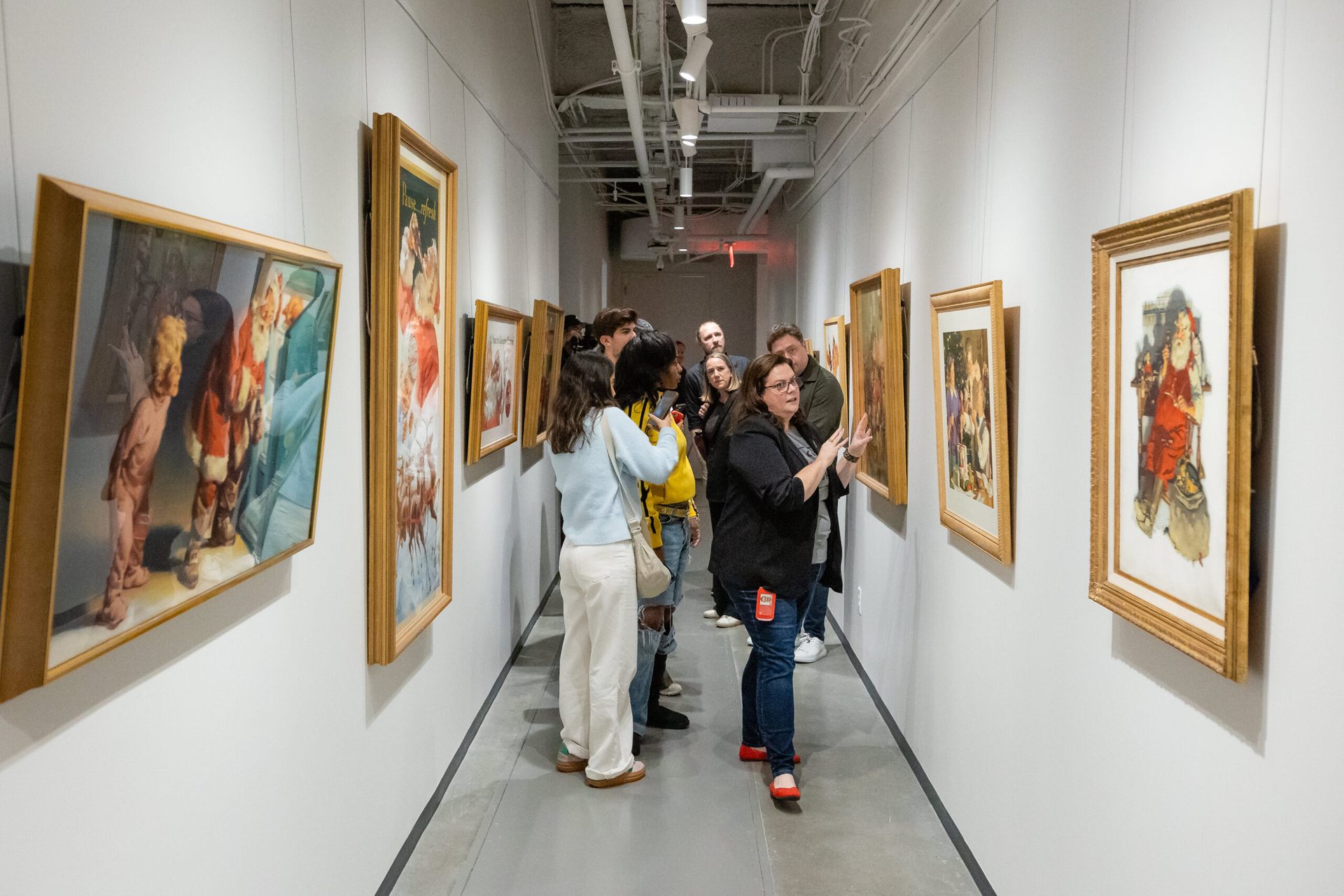
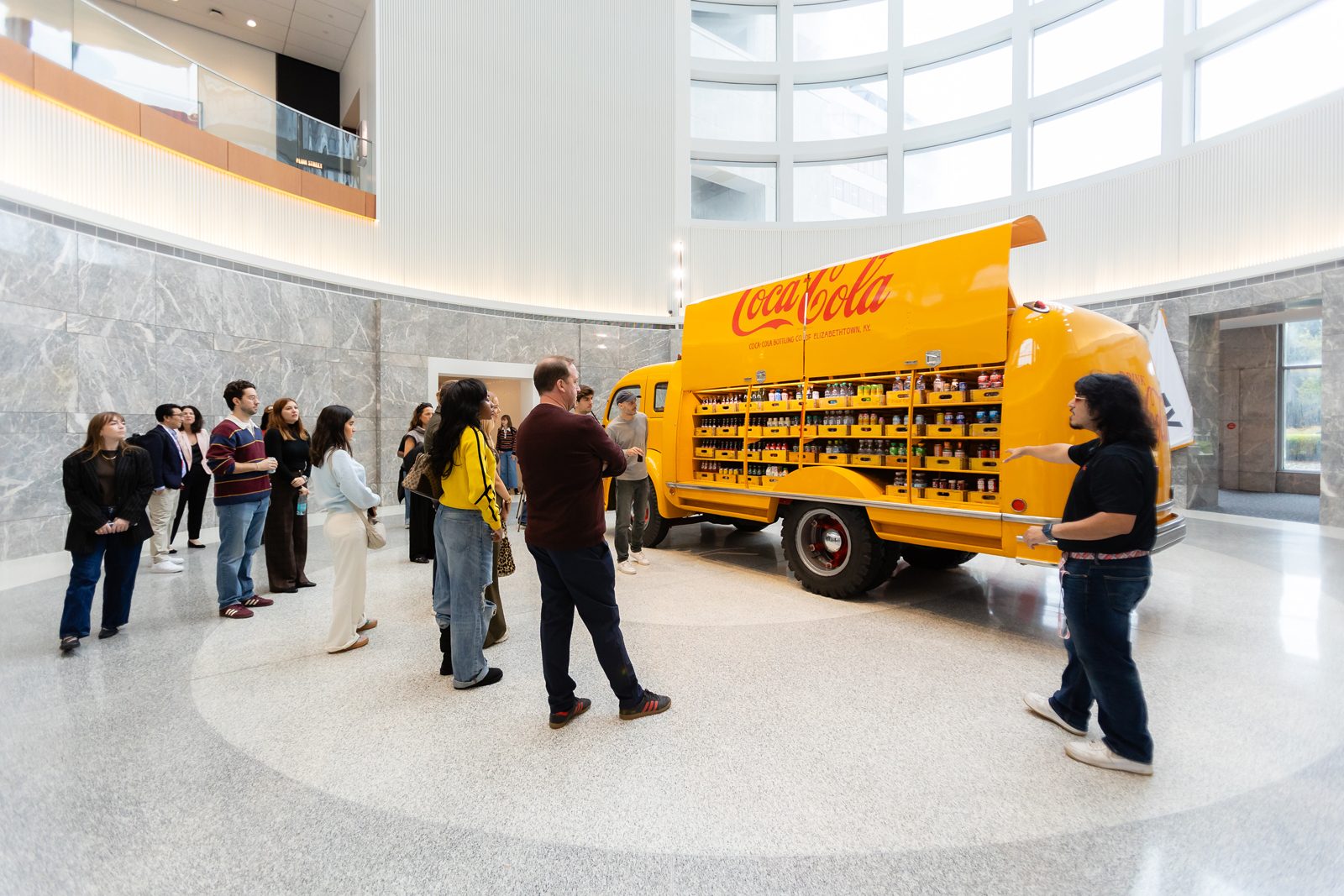
In between enjoying the city’s mouth-watering soul food and southern hospitality, 1883 Magazine roamed the halls of Coca-Cola’s HQ feeling the Christmas spirit among employees who enjoyed unlimited free beverages from the Coke machines. We know you were wondering and yes, yes they do have every drink you can imagine available to take at any time.
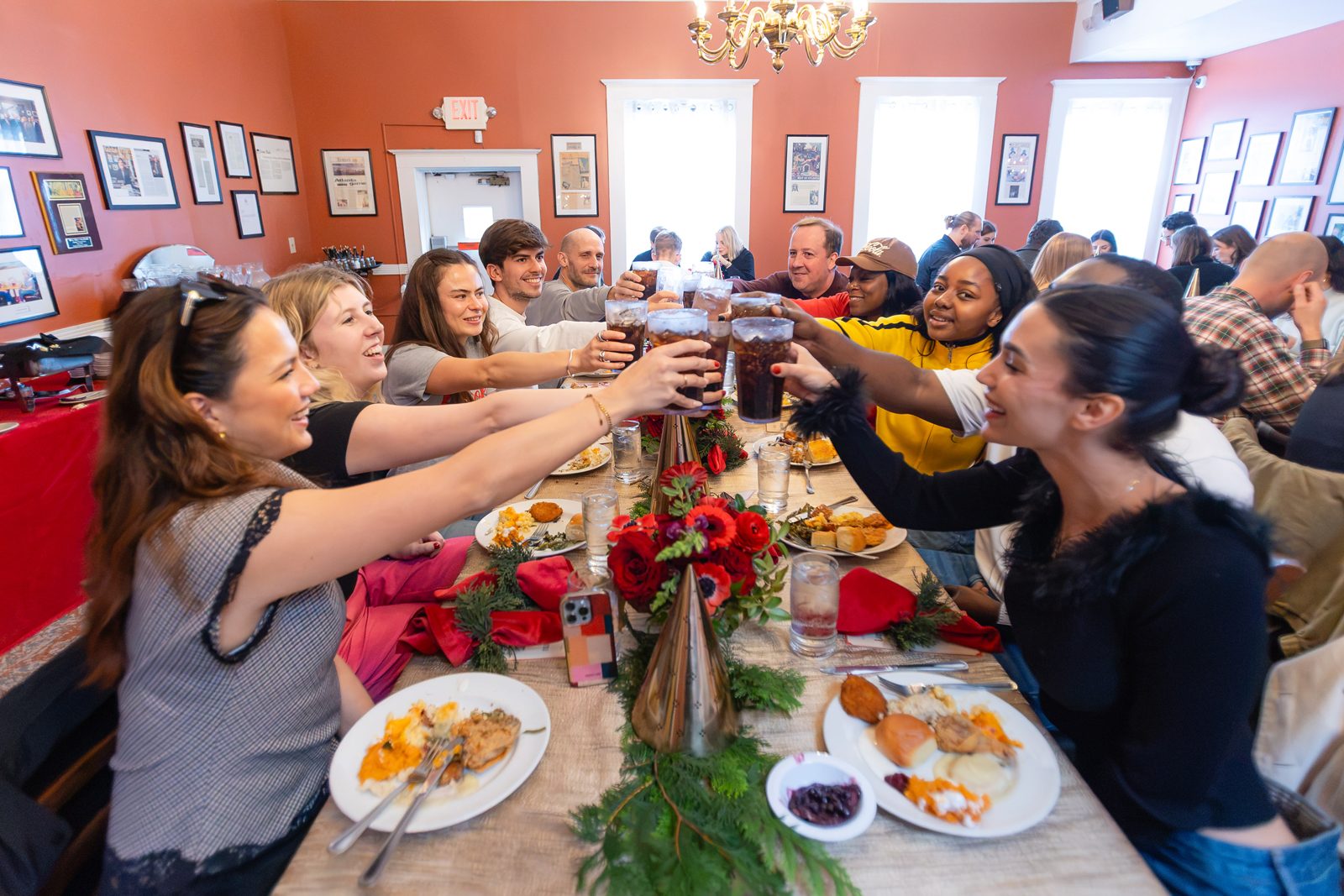
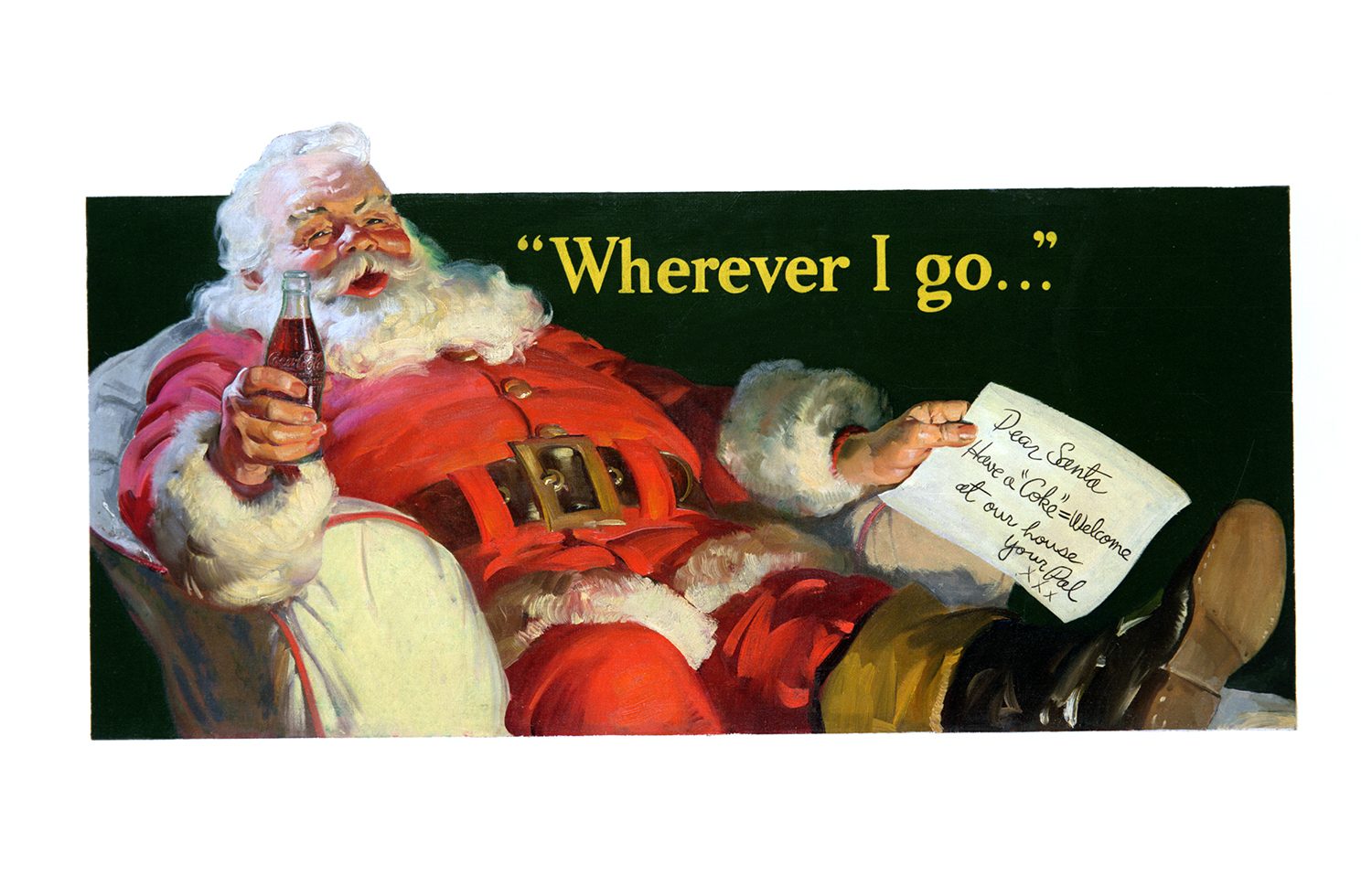
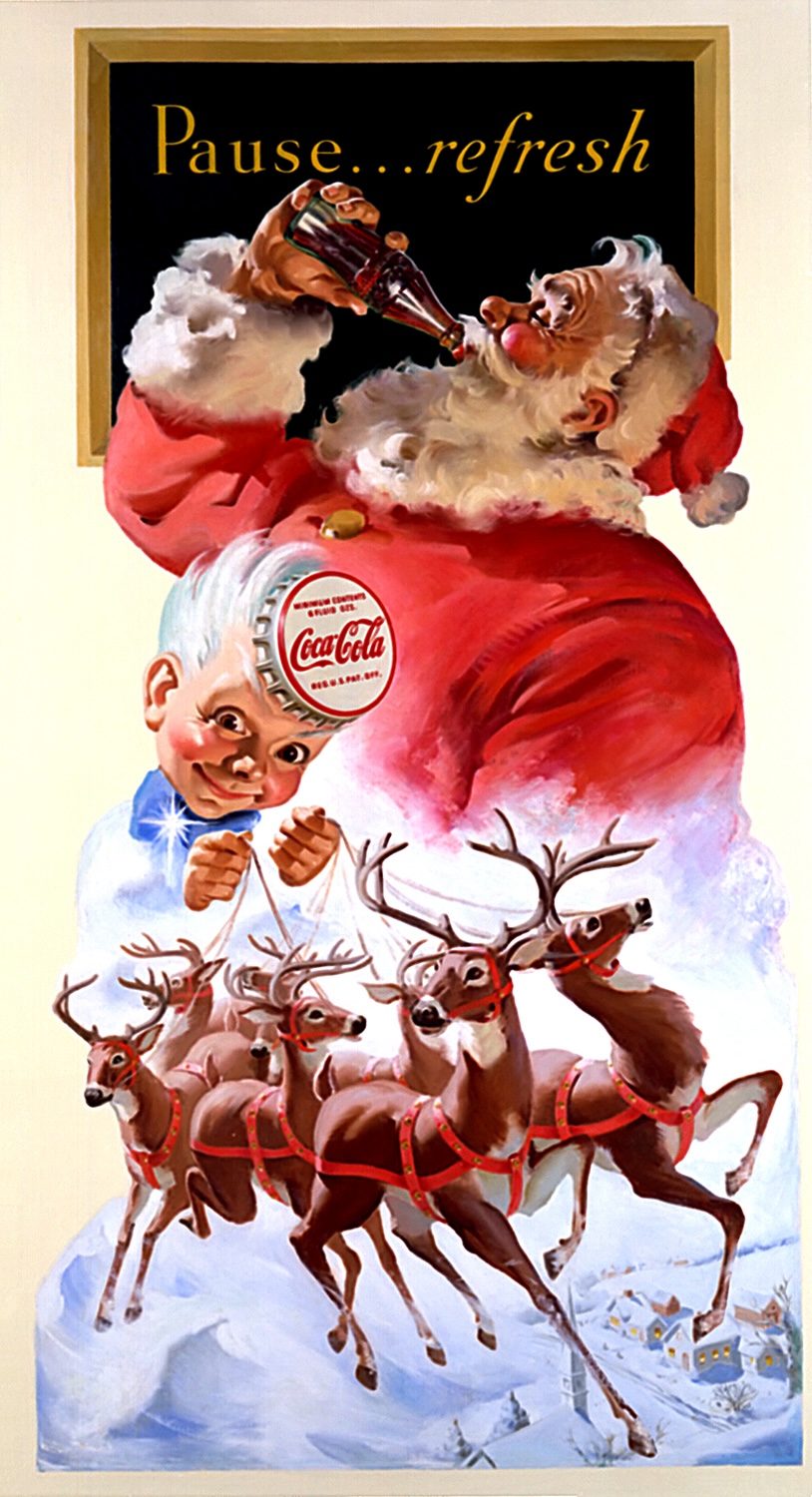
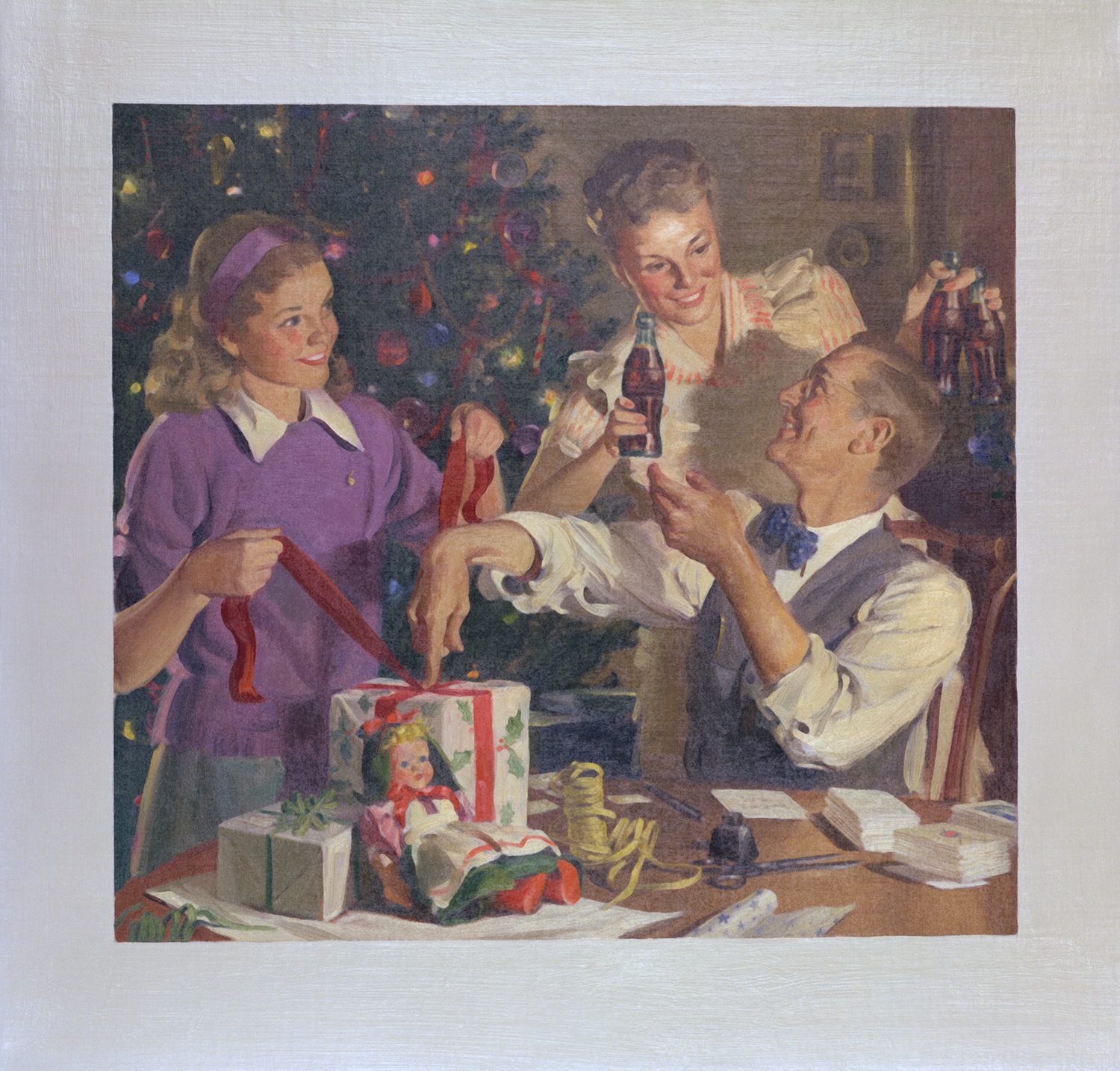
Coca-Cola’s Christmas campaigns have transitioned from oil paintings as we’ve seen in the archives from 1931, to today’s AI imagery. How do you map that visual evolution from the archives, and what remains that common thread every year when creating the campaigns?
Well, we’’ve never said “we have got to have somebody do a new ‘fake’ Haddon (the artist who painted the original Coca-Cola Santa Clause) or in the tone of him. But we have moved along with technology. Of course AI is just again the natural progression of that too, we can now animate him even more and have him do more things again without having to touch the original IP.
Everything about Santa is exactly the same, and it’s that with Coke. We brought him just as he is. He’s about family and community and being together and the warmth of the season and just a simpler, kinder time. Taking a moment to have that time with the people that matter to you most. That to me is what makes it just the most natural, obvious pairing between the two.
It’s a Coca-Cola Christmas ad, and it’s always Coca-Cola. We’re not trying to sell you anything different or anything new, it’s just good enough on its own.
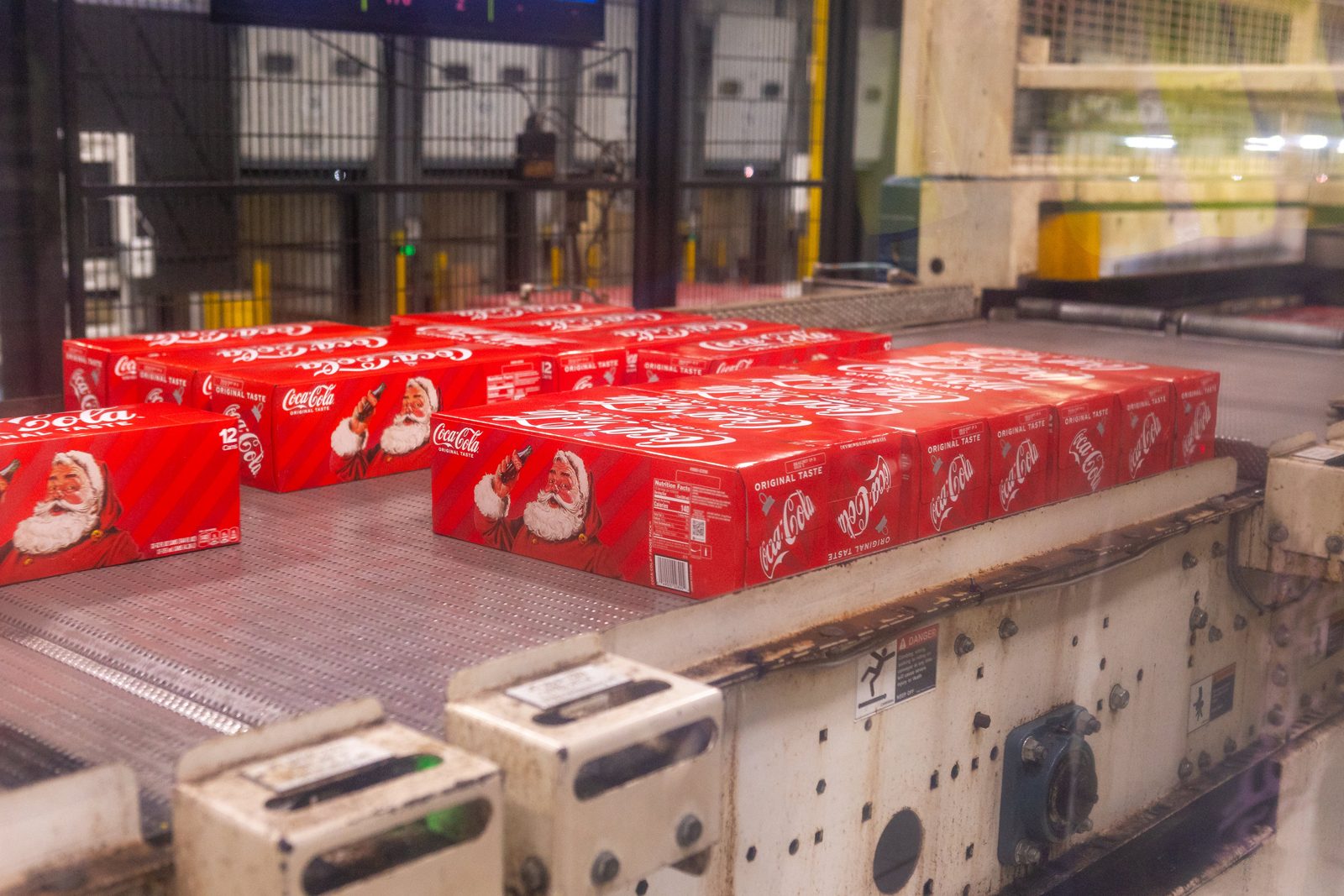
What does it mean to see Coca-Cola’s history and heritage live on through the next generation, with these iconic pieces being rediscovered, reinterpreted and given new cultural significance?
If you look at our marketing, we’ve gone back to Arden square (red framed boxes with the Dynamic Ribbon), and that is from 1969-1970. There’s something about our brand. It’s intangible that you just know it when you see it. We could completely wash everything away, and you’d still go, “That’s a Coke out. I can just feel it.”
Every generation finds their way toward that quality you can’t hold in your hand. That whole slogan (“It’s the real thing”) had so many meanings to it, and still does to this day. Which is, you go back and go ”I have the ’80s shirt because I’ve been here for a long time. I’m authentic. I’m not a newcomer to Coke”. There’s a little
bit of credibility that comes from that, but that’s what the archives provide. It’s the home of the authentic voice of the brand.
Coca-Cola has long been part of popular culture, from its presence in film and images featuring Elvis Presley to its wider influence on everyday life. How important have these cultural moments been in shaping the brand’s recognition, or has it always been down to its communities?
I think it’s a little bit of both. Sometimes all they have to do is put a historically correct bottle in someone’s hand, and you immediately know where you are and what time it is. Stranger Things is an excellent example of that. All they had to do was show you they’re in a mall, so first of all you already know where you’re at. And the second thing is they’re all walking around with New Coke (the brand’s reformulated creation launched in 1985 as a competitive move towards Pepsi in a time of declining sales). You know exactly that it’s early summer of 1985, and they haven’t had to do anything.
Why do you think Coca Cola has always been a brand with its own lane and has never had to fight for a space in ads and partnerships?
There’s a lot of startups now, there’s a million pops and sodas and they’re probiotic, they’ve got protein, they’ve got all the things. But you have to earn 140 years. The archives is an earned asset. You cannot buy it. You have to literally be doing the same thing for 140 years at the top of your game. That is the rare air in which we sit. So it’s more along the lines of we’re the only ones that have earned it.
Do you have a specific archive in mind that you think just perfectly captures the magic of Coca-Cola at Christmas that’s sitting in the vault or that we may have not seen on the tour?
It should be a (Haddon) Santa, but for me it’s not. I’m a ’90s baby, so I came at it from the polar bear generation of Christmas ads. What I loved about the magic of the Christmas ad is that there’s no dialog at all. I just remember being captivated as a child, it really touched me. They’re polar bears, and you can assume they’re a family but again, only through the magic of Coke.
I like that we’re not necessarily selling you anything, it’s just Coke being like “Happy Holidays” and we don’t have to because we’re us.
We’re not trying to do anything other than celebrate again, come together as people. Youth culture can smell inauthenticity a mile away. We have such a long runway to go back to, telling our story just as it is, is plenty. We don’t have to do anything to it.
For all things Coca-Cola head to www.worldofcoca-cola.com
Interview Leah Fan