Image source: https://www.pexels.com/photo/jewelry-designer-designs-jewelries-on-paper-1050312/
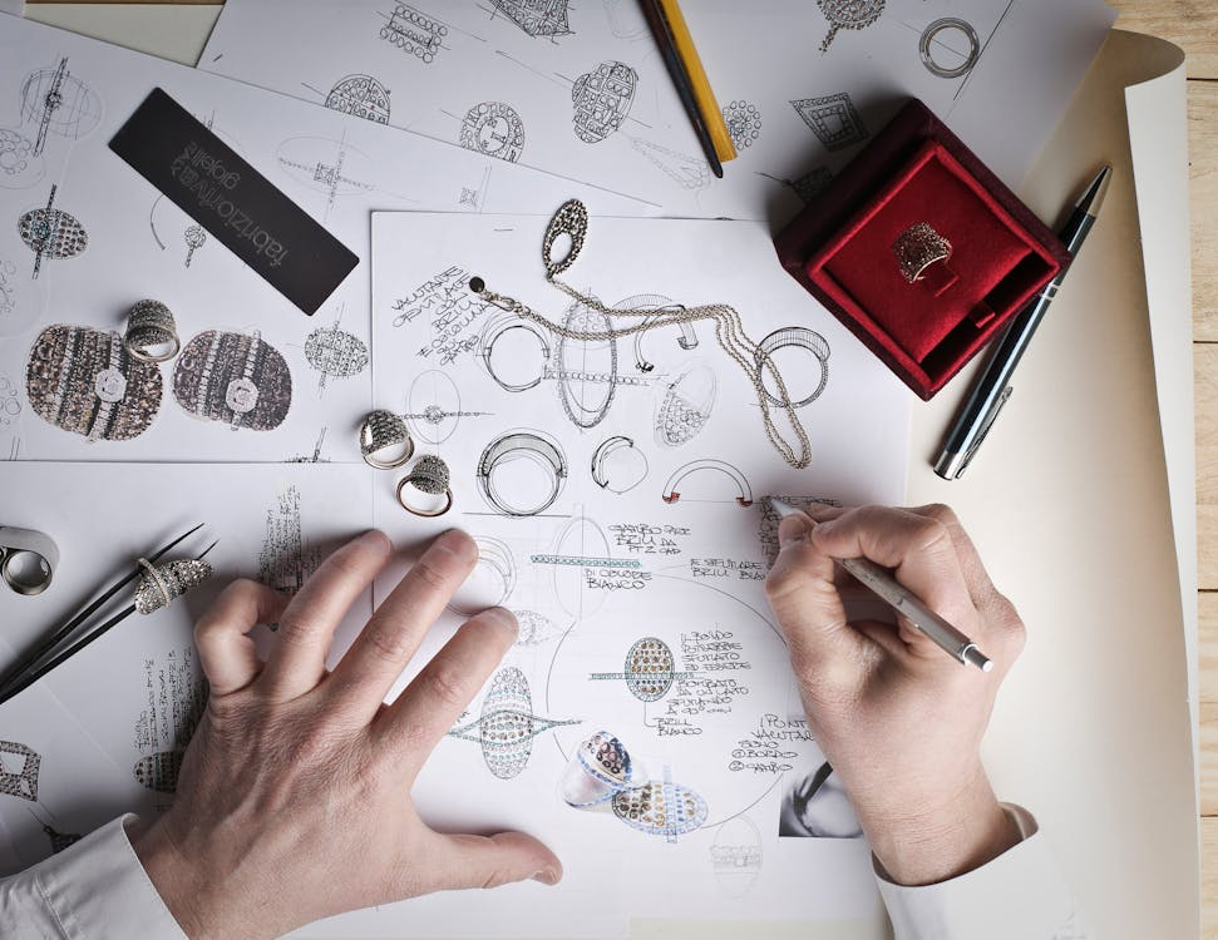
Hands-on skills still play a central role in creative work, even as tools become more advanced and accessible. For instance, software can speed up processes, but it still cannot replace the understanding that comes from doing the work repeatedly.
This article explores the key reasons why hands-on skills continue to matter across the creative industries.
Hands-On Skills Matter Because Creative Tools Behave Differently in Practice
Creative tools rarely behave the same way in real conditions as they do in tutorials or demonstrations. Cameras respond to light unpredictably, print outputs vary by material, and physical setups introduce variables that cannot be simulated perfectly.
Hands-on experience teaches how tools react when conditions are less than ideal.
That’s true for various kinds of careers (such as those that can be pursued after completing Berks vocational education programs) as well as careers in the creative sector.
Practical familiarity develops through repetition. Creatives learn how small adjustments affect outcomes, and that understanding improves speed and consistency. Without hands-on practice, even strong theoretical knowledge can fall apart when applied to live projects.
Hands-On Skills Matter Because Repetition Builds Creative Confidence
Confidence in creative work comes from knowing what to do when plans change. After all, shoots can run late, files can fail, and revisions can arrive unexpectedly. Hands-on experience prepares creatives to respond calmly instead of freezing under pressure.
Repeated practice turns deliberate actions into instinctive ones. When technical steps no longer require conscious effort, creatives can focus on judgment, timing, and quality.
That confidence becomes especially valuable in fast-paced production environments where hesitation costs time and money.
Hands-On Skills Matter Because Employers Can See Them in the Work
Creative hiring often centres on portfolios rather than resumes. Finished projects show how ideas were executed, refined, and delivered. Hands-on experience produces work that reflects realistic constraints, not just ideal concepts.
Employers notice signs of practical understanding quickly. Clean execution, consistent quality, and thoughtful revisions all point to experience gained through doing. Those signals help hiring managers assess readiness without long explanations or credentials.
Hands-On Skills Matter Because Creative Work Happens Within Constraints
Creative projects never exist in a vacuum. Budgets limit options, locations create challenges, and timelines force decisions. Hands-on skills help creatives adapt when ideal conditions are unavailable.
Experience teaches which adjustments preserve quality and which introduce risk. Creatives who have worked through constraints understand how far a project can bend without breaking. That awareness improves efficiency and reduces costly mistakes across projects.
Hands-On Skills Matter Because Collaboration Happens in Real Time
Most creative work happens in teams. Graphic designers, photographers, editors, and producers often coordinate actions in shared spaces. Hands-on environments teach creatives how to communicate clearly while working, not just planning.
Practical collaboration also builds comfort with feedback. Revising work based on input becomes routine rather than personal. That mindset improves teamwork and prepares creatives for professional settings where collaboration is constant.
Hands-On Skills Matter Because Technology Still Requires Human Control
Even advanced tools rely on human input. Automation can assist with execution, but judgment, timing, and creative direction remain human responsibilities. Hands-on skills help creatives maintain control over outcomes instead of relying blindly on software.
Understanding tools at a practical level allows creatives to spot errors, override defaults, and push results further. That control becomes increasingly important as technology handles more routine tasks.
Hands-On Skills Still Matter in the Creative Industries
Hands-on skills still matter in the creative industries because creative work depends on execution, not just ideas. Practical experience builds familiarity, confidence, and adaptability that technology alone cannot replace.
If you found this article to be helpful, be sure to check out some of our other content.