Image source: https://unsplash.com/photos/man-in-black-jacket-walking-on-green-grass-field-during-daytime-SNajAZYGkyY
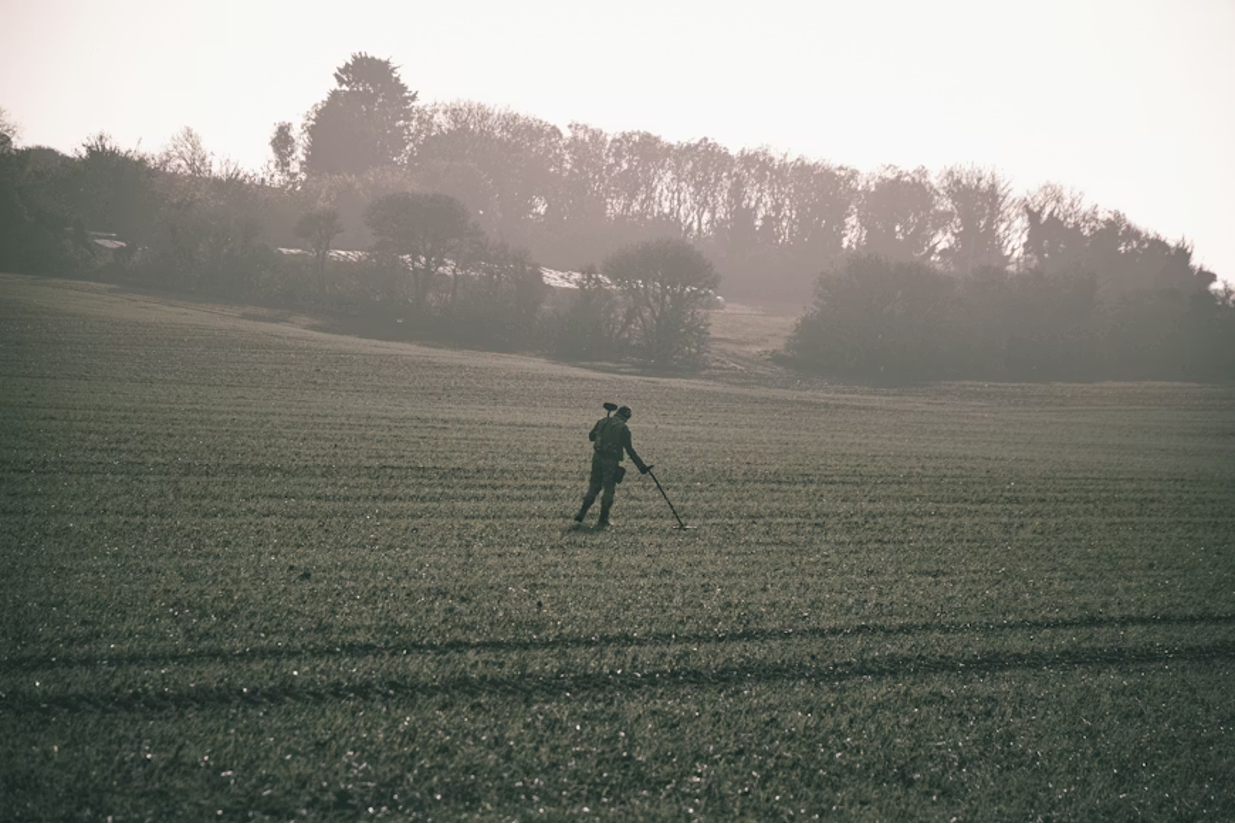
A spade, a pair of headphones, and a quiet stretch of countryside might not sound very Gen Z. Yet more young adults are trading screen-time for soil-time, searching for coins, relics, and lost pieces of the past.
Modern treasure hunting delivers something social media cannot: the thrill of holding real history in your hands.
Why Modern Treasure Hunting Feels Fresh Again
Scrolling fatigue is real. Endless notifications and algorithm-led feeds leave many young adults craving slower, more tactile experiences.
Engaging in outdoor activities is already a clear favourite. In a large-scale survey highlighted by Expert Market Research, outdoor activities ranked as Gen Z’s top fitness trend.
Metal detecting blends exploration with discovery. Each signal in the headphones carries possibility, whether it is finding a Victorian coin or a lost wedding ring.
The Thrill of the Unexpected
Gen Z values experiences over possessions. According to travel insights from Weather2Travel, 68 per cent of Gen Z travellers prefer adventure-based holidays. Unearthing a centuries-old artefact in a local field, for instance, delivers that same rush without the need to book a flight.
Every outing feels like a mini-expedition. No two finds are ever the same, and no app can predict what lies beneath the soil.
Digital Burnout and the Pull of the Past
Hours spent online often leave little room for hands-on hobbies. Treasure hunting offers a clean break from screens while still delivering a sense of achievement.
And many young detectorists log discoveries with the Portable Antiquities Scheme, which records archaeological finds made by members of the public across England and Wales.
Modern treasure hunting also feels quietly rebellious! Instead of chasing likes, participants chase signals in open fields, along beaches, and across woodland paths.
Affordable Gear Is Opening the Door
Cost used to be a barrier for beginners. Older machines were heavy, complex, and expensive, which made the hobby seem out of reach.
Today, the challenge is less about access and more about choosing the right first machine. With dozens of entry-level models on the market, new hobbyists often struggle to compare features like depth capability, ground balance, and coil size without overspending.
For beginners in the United States who are actively comparing their first purchase, choosing the right detector can quickly become confusing. Different soil conditions, target sizes, and mineralisation levels often require machines designed for specific types of detection, particularly when searching for small gold targets. In these cases, reviewing specialised prospecting equipment, including collections like Serious Detecting gold detectors, can help beginners identify machines built specifically for higher sensitivity and difficult ground conditions.
Entry-level detectors today are lighter, more intuitive, and surprisingly powerful. Adjustable sensitivity, waterproof coils, and digital displays are now common features rather than luxury add-ons.
Before heading out, new hobbyists often focus on a few basics:
- Research local laws and gain landowner permission
- Start in high-traffic historical areas such as old paths or beaches
- Practise slow, methodical sweeping for clearer signals
Small steps build confidence quickly. Early wins, even if modest, tend to hook people for good.
Community Without Constant Connection
Gen Z is highly social, yet often wary of performative online spaces. Treasure hunting offers community in a more grounded way.
Local detecting clubs organise group digs and knowledge-sharing sessions. Conversations revolve around soil types, signal tones, and the stories behind recovered objects rather than follower counts.
Shared discoveries often lead to collaborative learning. Identifying a coin or badge becomes a joint puzzle, blending research with real-world interaction.
A Slower Pace With Real Rewards
Fast content dominates daily life. Treasure hunting requires patience, attention, and persistence.
Signals must be interpreted carefully. Holes must be dug responsibly and refilled neatly. Respect for land and history shapes the culture of the hobby.
Physical movement adds another benefit. Long walks across fields or coastlines turn a search into low-impact exercise, supporting the broader shift towards outdoor fitness highlighted in recent research.
The New Era of Modern Treasure Hunting
Modern treasure hunting is not about escaping the present. It is about balancing digital life with something tangible and grounded.
For Gen Z, the appeal lies in freedom, affordability, and genuine discovery. Accessible equipment, growing communities, and structured recording schemes have made the hobby feel relevant rather than retro.
Curious about starting your own modern treasure hunting journey? Explore suitable gear, learn the local guidelines, and consider reaching out to specialists like Serious Detecting for advice tailored to beginners.
Whether you are searching beaches, fields, or forgotten footpaths, modern treasure hunting rewards patience and curiosity. So, give it a go!
And if you found this article to be helpful, check out the other insightful blog posts on our site!