A household name among opera aficionados and music lovers alike, Turandot is best known today as the Princess of Ice from Giacomo Puccini’s eponymous 1924 work.
In Puccini’s interpretation, Turandot is a formidable yet aloof presence, defined by her cold resolve, ruthless judgement, and an abiding fear of emotional surrender. A new exhibition, titled TURANDOT: To the Daughters of the East, however, proposes a more nuanced reading of this enduring figure, whose origins reach back centuries before the opera’s creation, to a twelfth-century Persian epic poem, where she appears as Nasrin Nush. The presentation opens up alternative interpretations of the character’s symbolism and legacy that suggest a rethinking of her as embodying steadfast independence and inner strength.
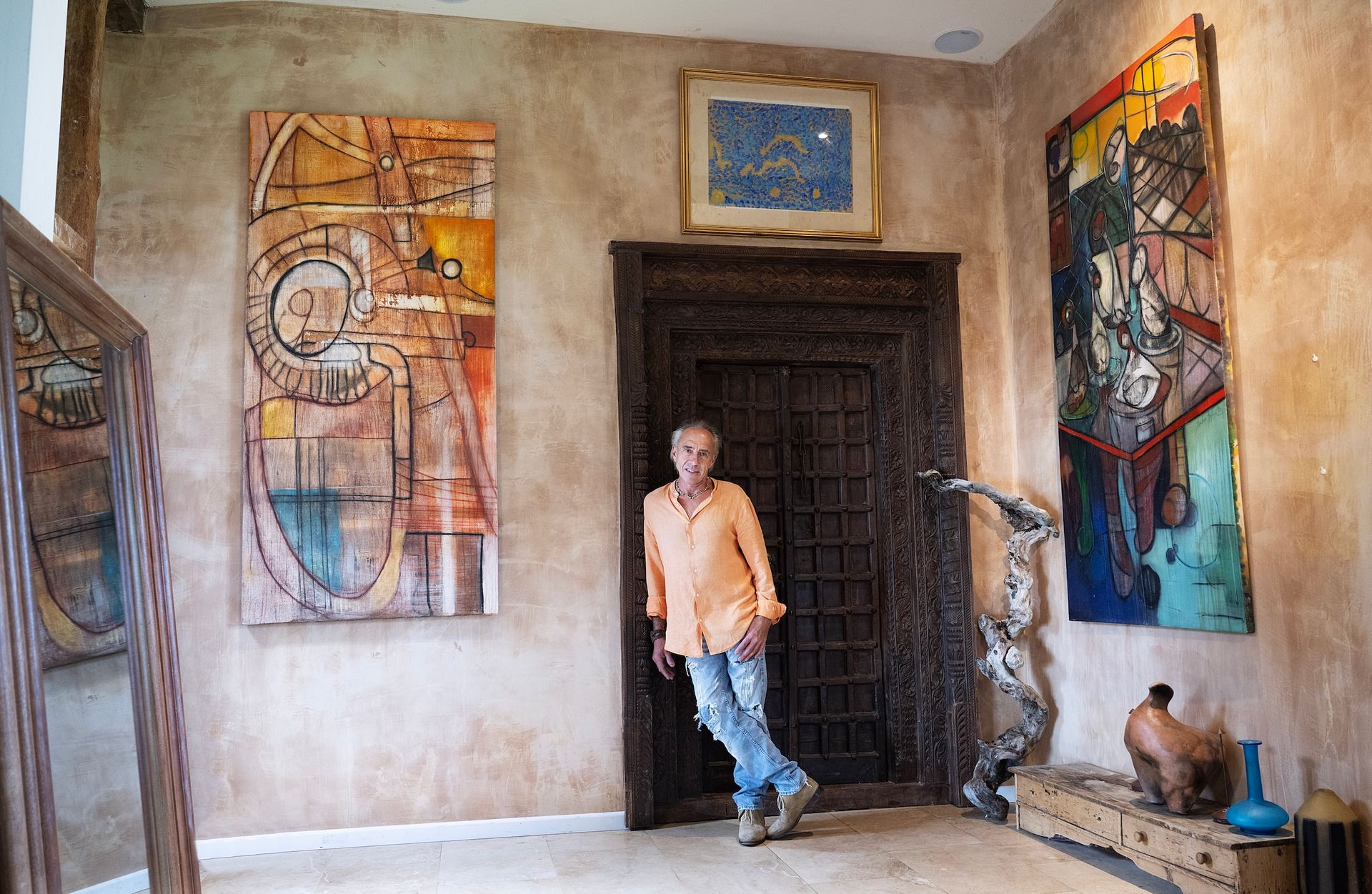
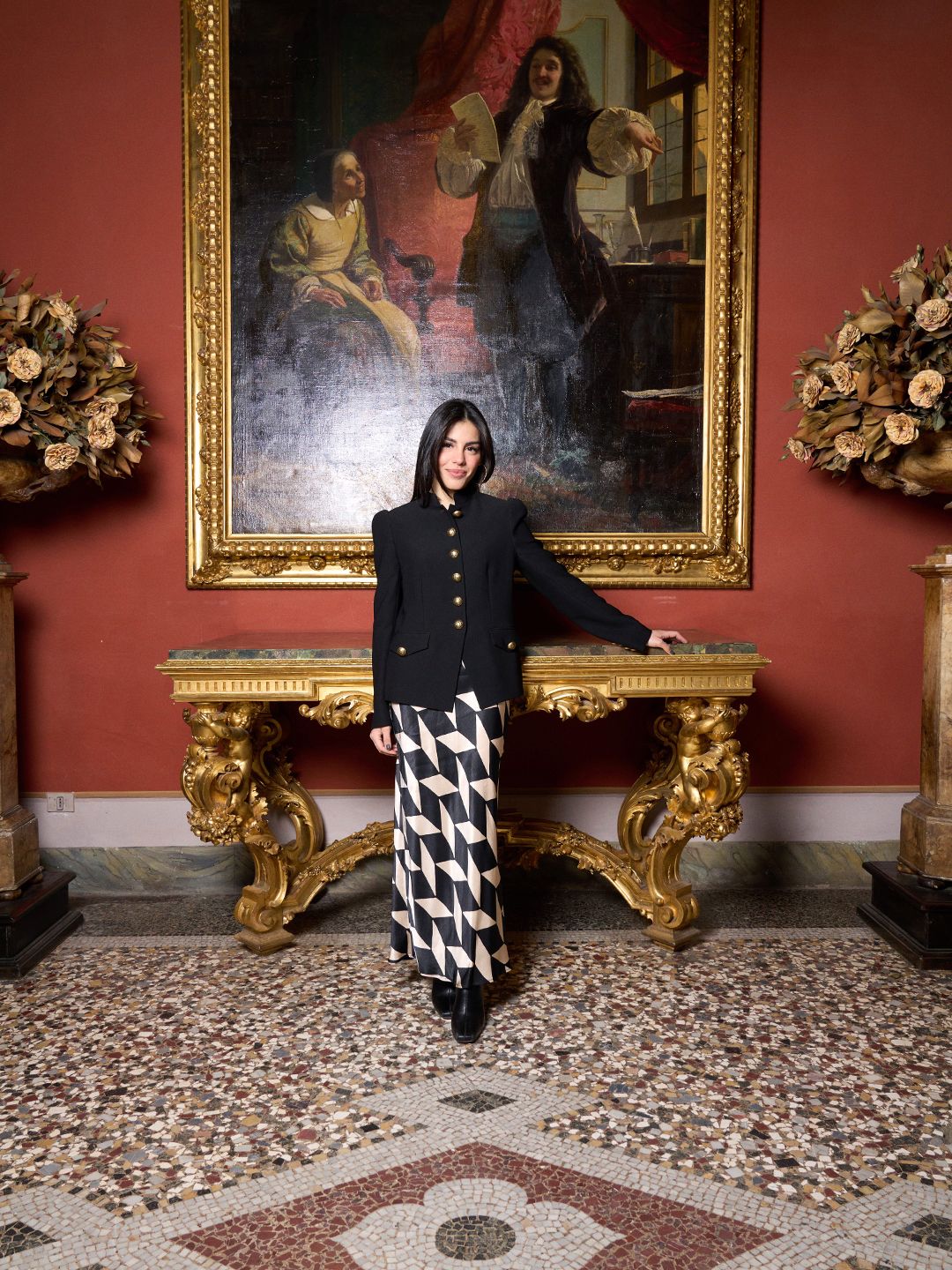
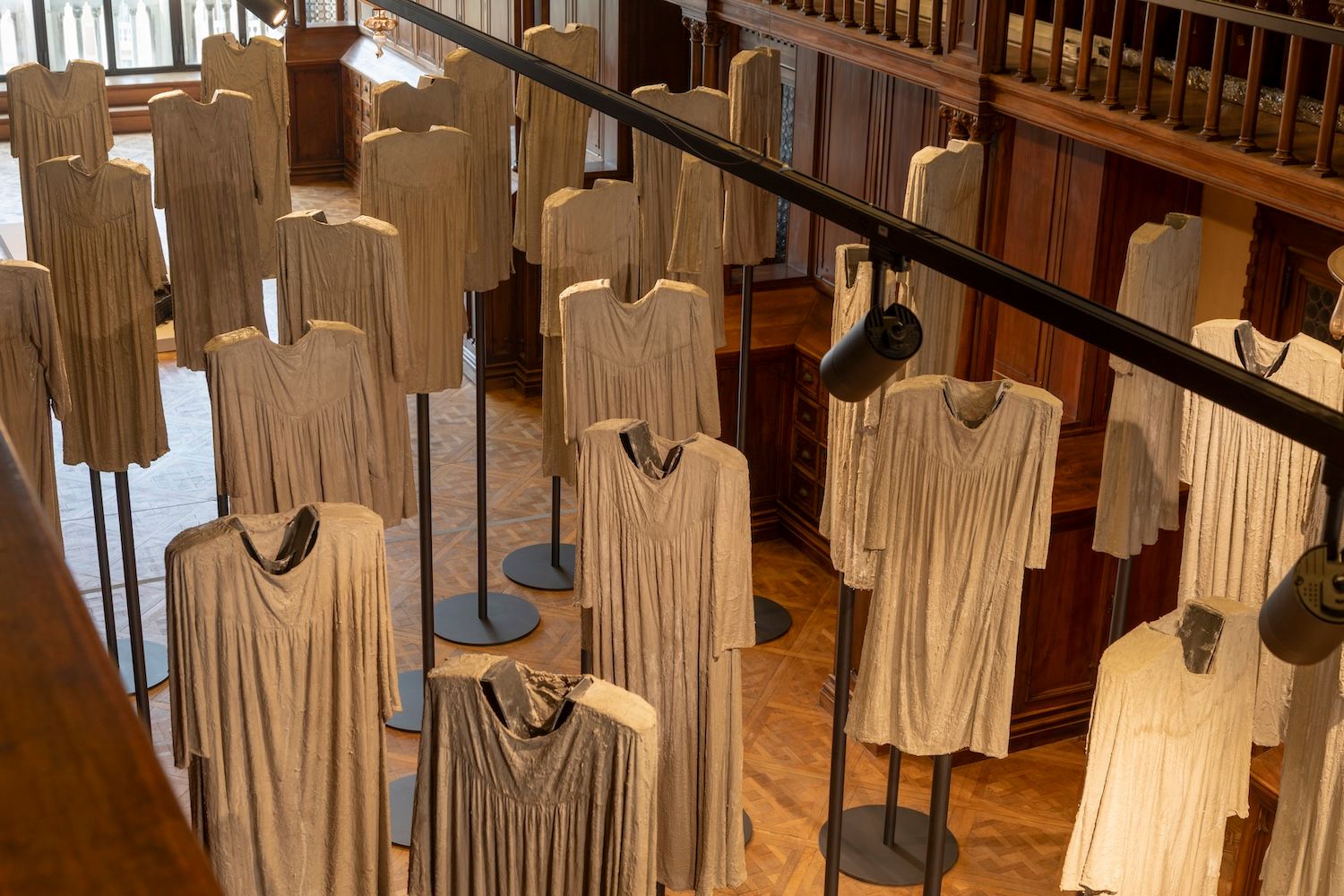
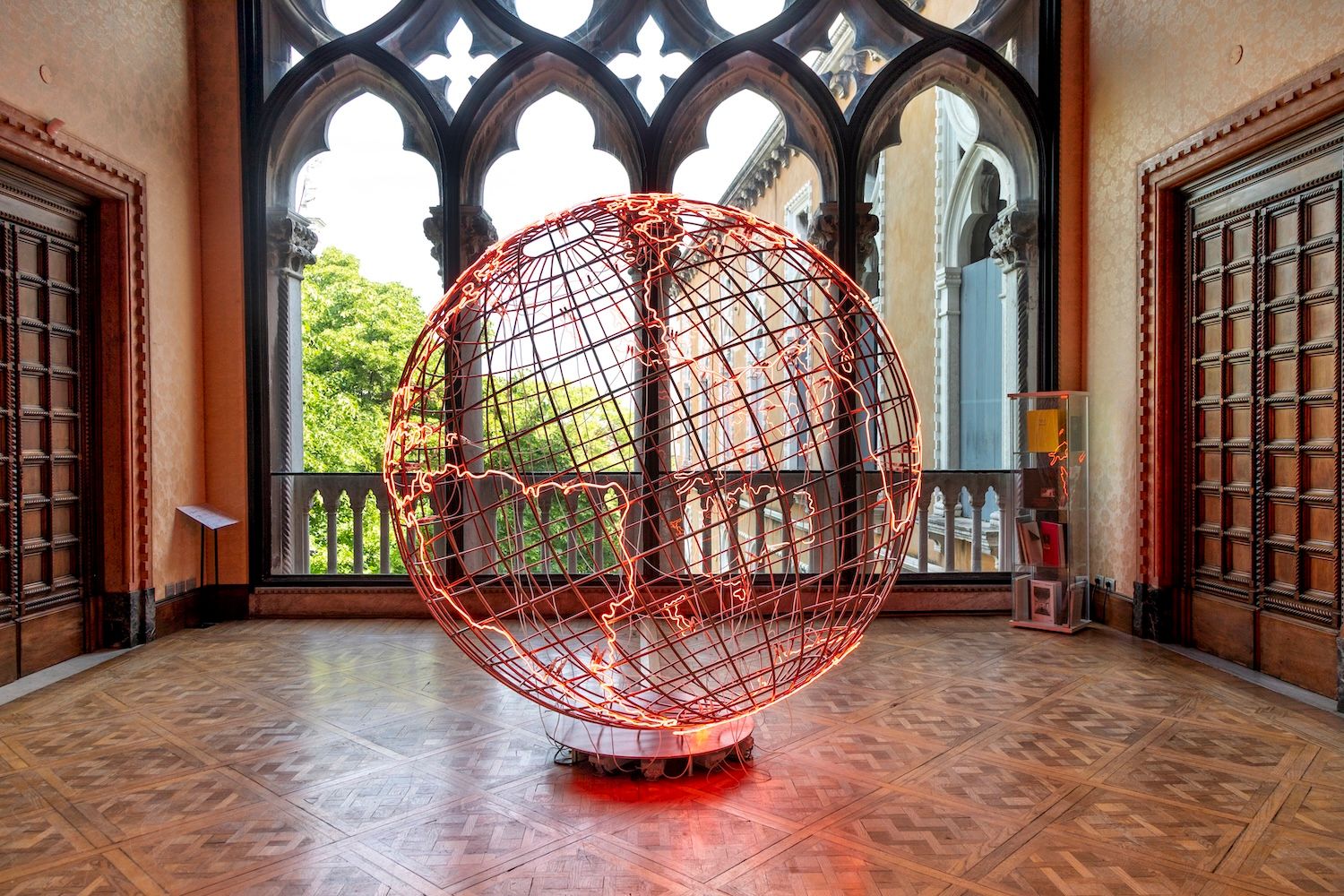
TURANDOT brings together recent and seminal works across multiple genres by eleven significant female artists from Central Asia and broader Eastern regions, whose practices engage deeply with human, social, and global concerns, addressing themes ranging from existence and myth to history. Within the curatorial framework of the show, the works collectively invite a reappraisal of Turandot as a figure of empowerment, resilience, and intellectual autonomy in the face of patriarchal constraint, one that continues to resonate across cultures and generations. The participating artists include Lida Abdul, Afruz Amighi, Huma Bhabha, Mona Hatoum, Nazira Karimi, Saodat Ismailova, Madina Joldybek, Farideh Lashai, Daria Kim, Tala Madani, and Hera Büyüktaşcıyan.
Presented at ACP–Palazzo Franchetti as a collateral event to the 61st International Art Exhibition of La Biennale di Venezia, TURANDOT: To the Daughters of the East is curated by Dr Ziba Ardalan, founding director of Parasol unit foundation for contemporary art. The exhibition marks Parasol’s third major group presentation in Venice, organised on the occasion of the city’s international art event, following The Spark is You (2019) and Uncombed, Unforeseen, Unconstrained (2022).
Founded in 2004 by Dr Ardalan, Parasol unit built a reputation over more than fifteen years for its critically acclaimed programme of challenging exhibitions, new commissions, and educational initiatives at its North London gallery. In July 2020, the foundation closed its gallery space and repositioned its programme on an international scale, with the aim of widening its reach and encouraging deeper engagement with contemporary art discourse.
1883 Arts Editor reached out to Dr Ardalan to learn more about TURANDOT: To the Daughters of the East and to gain insight into her curatorial approach to the development of the project.
Thank you, Dr Ardalan, for making the time to speak with 1883 Magazine. I’d like to start by asking about TURANDOT: To the Daughters of the East. While many people associate Turandot with Giacomo Puccini’s opera, the story itself spans centuries and various cultures. What does the figure of Turandot represent to you, and why did you choose to centre the exhibition around her?
It is my pleasure Jacopo to be in touch again. And I thank you for your interest in Parasol unit’s latest Collateral Event of the Biennale in Venice. Our exhibition was inspired by the persona of Turandot. But as you say, her story originated long ago. And it might be useful to tell here something of its evolutionary history.
For the past hundred years, Western audiences have associated Turandot with Puccini’s opera. However, her story was originally told in 1197 by the Persian poet Nezami Ganjavi. It appeared as part of his romantic poem Haft Paykar (Seven Beauties). One of those beauties was a reputedly cold-hearted princess named Nasrin Nush, not Turandot. IIt took five centuries for the story to reach European literature. This occurred in the early eighteenth century during the Enlightenment period, when the West was infatuated with the East.
A French translation first recast the story. It changed the original beauty’s Slavic name and identity from Nasrin Nush to that of a Chinese princess called Turandot. The story garnered growing interest among the European intelligentsia. Several playwrights staged versions of Turandot, from Carlo Gozzi to Friedrich Schiller. In the early twentieth century, Giacomo Puccini found a more global way to entice a worldwide audience with his eponymous opera.
Turandot, from the Persian Turandokht, means daughter of Turan. Turan refers to a land known today as Central Asia, encompassing Kazakhstan, Kyrgyzstan, Tajikistan, Turkmenistan, and Uzbekistan. Geographically, Turan lies northeast of Iran which in the past had served as a key migration corridor for humans. At times, Turan has encompassed larger territories. These have included parts of Afghanistan, Pakistan, Iran, and Turkey. For this reason, we also invited artists from these countries to participate in the exhibition.
As Turan functioned as a nomadic region on the northeastern frontier of the Persian cultural sphere. Its history and cultural traditions developed in close connection with those of the settled peoples of Iran. After Iran’s Arab/Islamic conquest in the seventh century, the father of Persian poetry, Ferdowsi (c. 940–1020 CE) wrote, over 35 years, the epic Shahnameh (Book of Kings), mainly to revive and preserve the pre-Islamic culture of Persia. Persian poetry had existed and been developed for over 2,500 years with its written formal tradition starting in the ninth century CE. During this period, the Persian language functioned as the lingua franca across large areas of Asia. It shaped culture, literature, and administration. This role continued for almost 1,000 years. In the nineteenth century, however, European colonial powers changed this landscape.
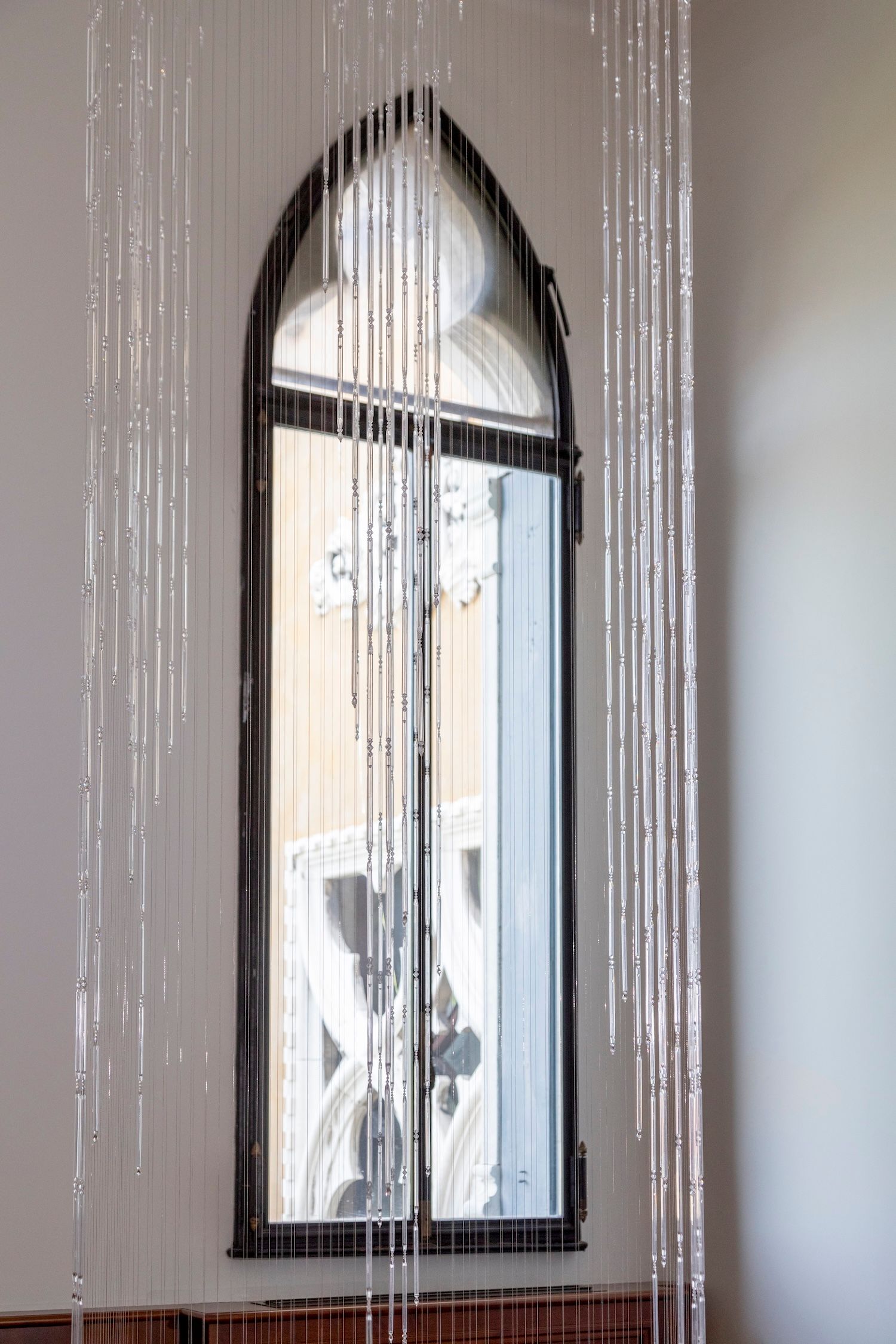
Turandot represents all the amazing, intelligent and driven women of the land of Turan. Women who systematically strive to keep their voice heard in whatever way possible and contribute markedly to the society. The eleven women artists whose works are part of this exhibition are such people.
How do you see the figure of Turandot resonating with contemporary issues and global concerns?
Contemporary issues and global concerns have certainly intensified questions and discussions about gender equality. Historically, patriarchal structures have often excluded women in the East. Yet some exceptional individuals have found ways to operate through imperial courts, religious scholarship, and, more recently, nationalist movements. Turandot stands among them.
Early interpretations portrayed her as a cruel and cold-hearted princess. More recent readings recognise her as an intelligent and strong-willed woman who would only accept an equally bright partner. The life experiences of the eleven exhibiting artists and the societal issues they address may differ. However, they express their own points of view without hesitation and in doing so enrich the discourse.
How did you approach curating a group of artists from across Central Asia and the wider East for this project?
As you know, I am Persian but have lived in the West most of my life. Turandot has always intrigued me, like a kind of Pandora’s box of mystery. The Western audience knows Turandot as Giacomo Puccini’s most famous opera in which a cruel Chinese princess plays a prominent role. We Persians however see the plot in a more gentle and romantic light. It arose from the imagination of one of our most celebrated poets Nezami Ganjavi. He wrote of a woman from a far-distant land who captured the attention of Bahram Gur, a pre-Islamic Persian king. This was due to her intelligence and personality. Geographically and historically, Iran and Turan have always been very close with cultures and traditions that remain eternally intertwined. So curating such an exhibition was not too foreign to me, as it could have been for someone unfamiliar with the culture.
Apart from cultural similarity, I was also aware of various artistic practices and already knew some of the artists. Finally, I have travelled to parts of this exciting region. I hope the exhibition reveals the diversity and fluidity inherent in this ancient and storied part of the world. The vast land defined as Central Asia has gone through countless cultural and religious ups and downs. For example, in 1271, Marco Polo set sail to discover the importance of the Silk Road for himself. He also sought to marvel at the power of the Mongol Empire. At that time, Asia held a clear economic advantage over the West. Developments in recent decades suggest a return to a similar phase.
People, especially the younger generation, should recognise the importance of history and not take any privilege for granted. The exhibition also exemplifies cultural and religious diversity and various migration paths. We know delimitation is a relatively new phenomenon. Those who have had the privilege of visiting, for example, Bukhara, a Persian-speaking city, may realise for themselves this reality. People of different ethnicities and religions have often lived peacefully alongside one another.This remains the case today.
Was the diversity of mediums, ranging from sculpture and painting to sound and video, an intentional part of your curatorial approach?
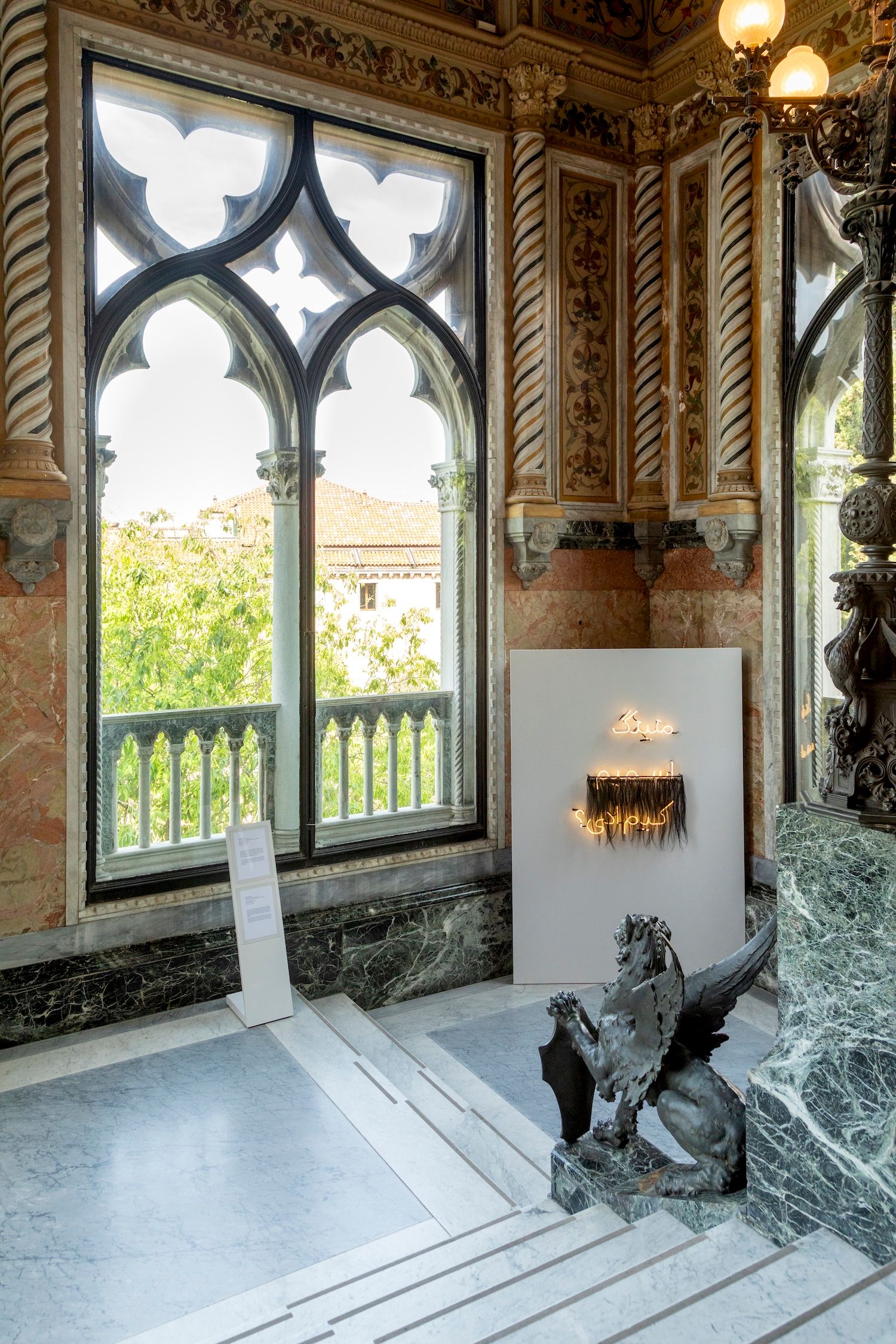
In our time, the medium with which artists choose to work often follows the nature of their practice. In a group exhibition like TURANDOT: To the Daughters of the East, it is the message that is pre-eminent.
I have been around for quite a while and have seen the development of artistic practice over several decades. I appreciate different curatorial experiences. However, in this case, artistic expression and each artist’s unique narrative is what plays the main role.
Finally, what kind of experience do you hope audiences will carry with them after visiting the exhibition?
Every visitor will have a different take on what they have experienced. And I would be the last person to ask anyone to see the exhibition in a fixed way. As a curator I see my task as providing information that will be both educational and enriching.
All that matters to me is that visitors to our TURANDOT exhibition leave the space having learned something interesting and meaningful. They should also feel that the time they spent in the exhibition was worthwhile.
TURANDOT: To the Daughters of the East will be running from 9th May – 31st October 2026.
Find out more about the exhibition here.
Follow Parasol unit on Instagram.
Interview Jacopo Nuvolari
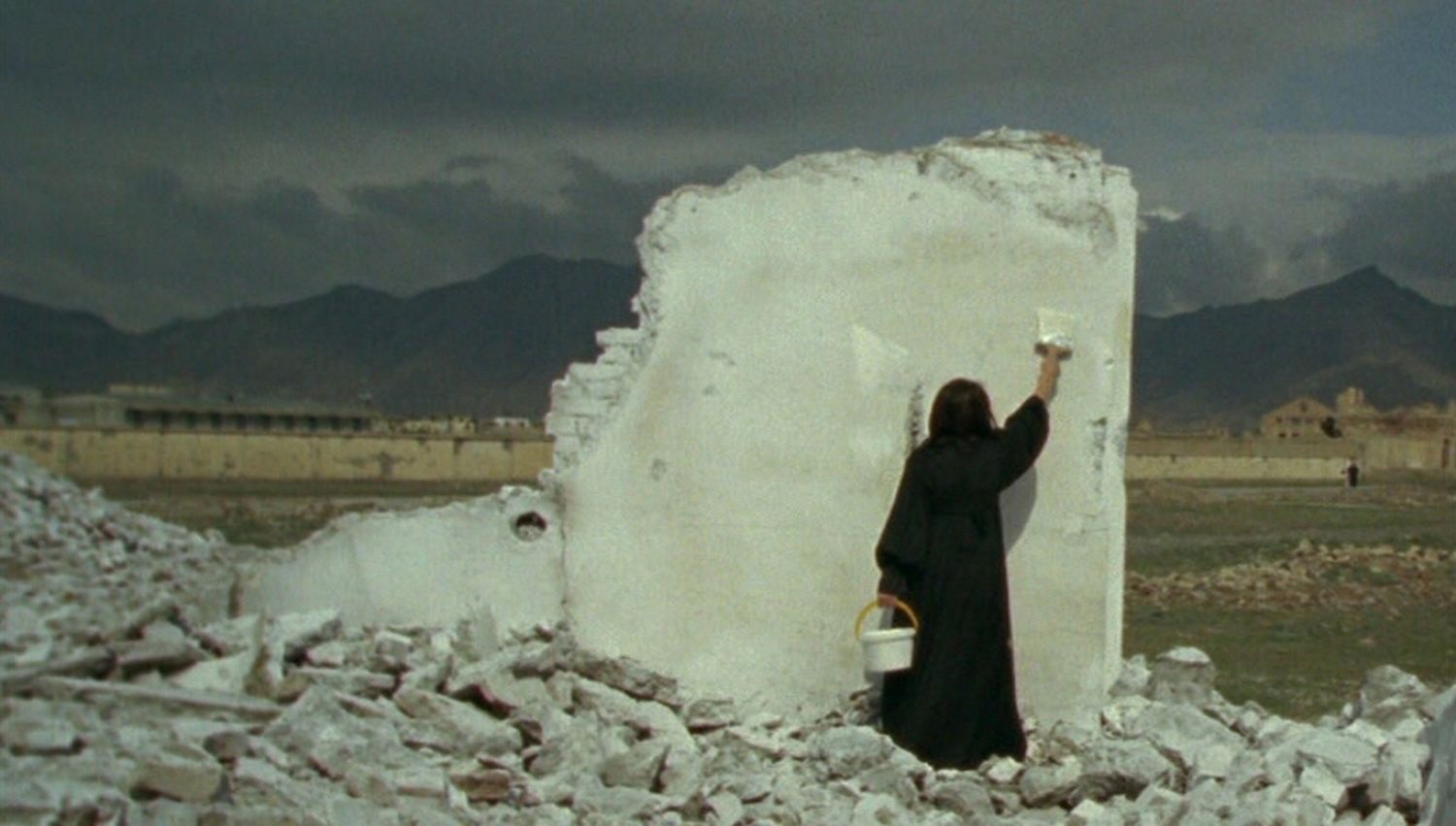
Top image credit: Lida Abdul, White House, 2005. Photographic still from the artwork