Grace Pervades, written by David Hare and starring Ralph Fiennes as Henry Irving opposite Miranda Raison as Ellen Terry, tells the story of two of the most important figures in British theatre, and the complicated, fascinating relationship between them.
I didn’t go in knowing a huge amount about either of them, beyond the names and a vague sense of their importance, but that sort of works in the play’s favour. It drops you straight into their world and lets you piece things together as you go, starting with their children, Edith Craig, played by Ruby Ashbourne Serkis, and Edward Gordon Craig, played by Jordan Metcalfe, who act as our guides. Edward, or Teddy, is played with brilliant, insufferable arrogance by Metcalfe, immediately declaring himself a genius and never really backing down from that position. Edith has no time for Teddy’s ego, but between them they frame their mother as this towering, almost mythical performer.
The play moves around quite a bit and the first half took a bit of settling into. There’s a lot to take in early on, jumps in time and place, characters introduced.
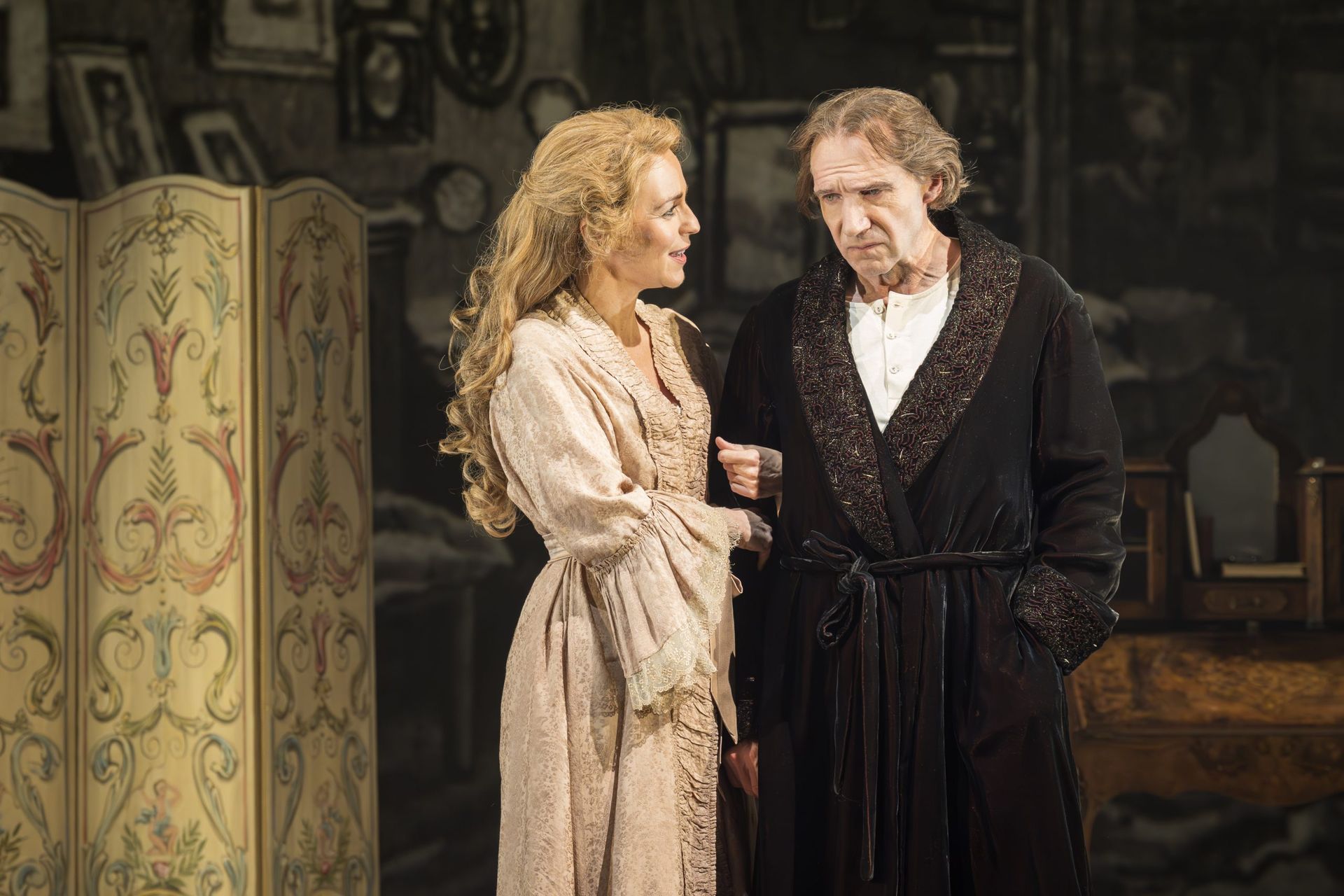
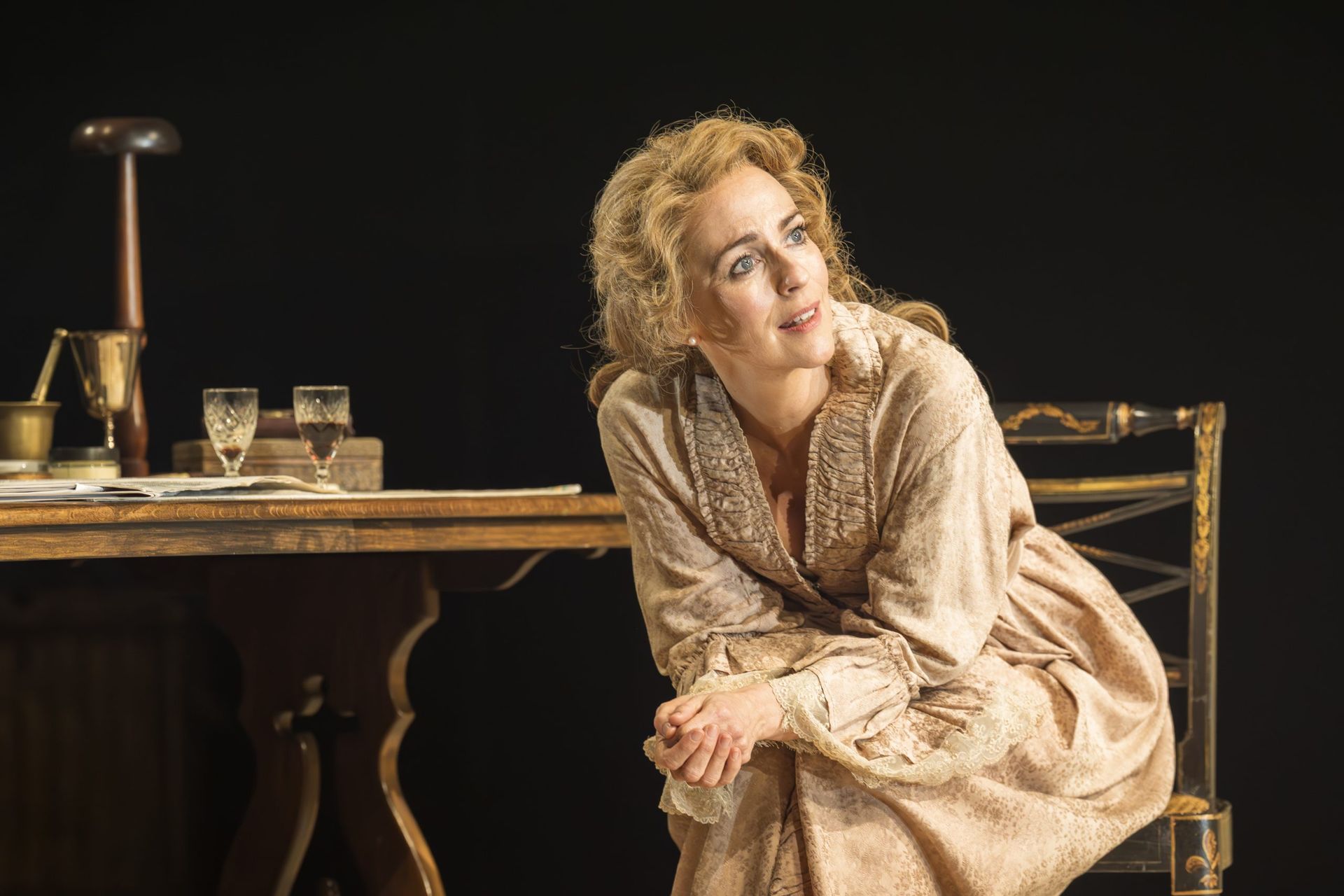
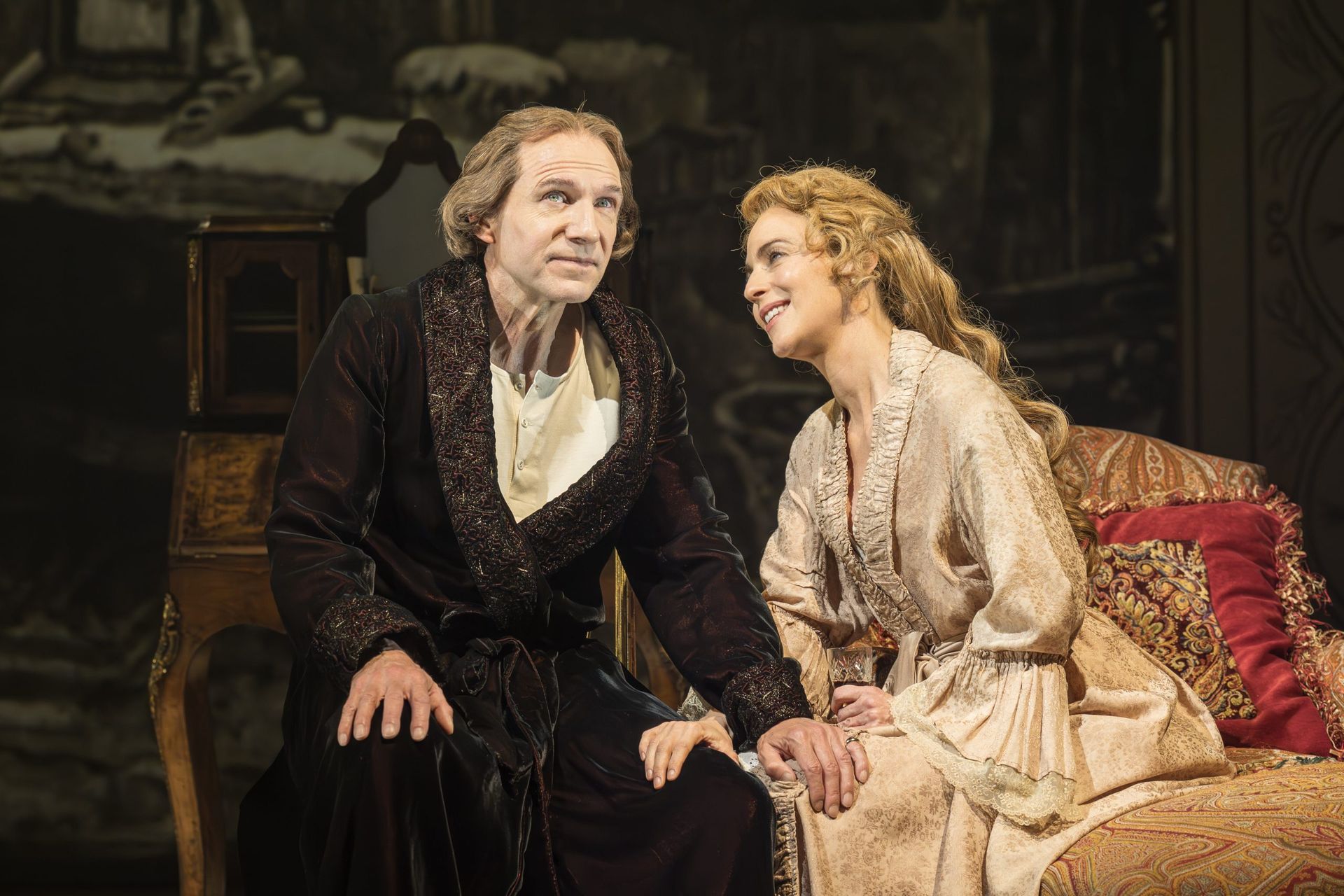
At the centre of the narrative are Fiennes and Raison, and they’re captivating. Fiennes plays Irving with this intense, obsessive seriousness about theatre. The first actor ever to be knighted, Irving saw the stage as something to be elevated, not just performed. There’s a line early on where he talks about having an aptitude for acting and how it would be a tragedy not to use it, and that sums him up perfectly. Theatre is everything to him. Not just a job, not even just a passion, it’s his entire identity. In his early scenes with Terry, his obsessive nature becomes a bit of a joke, as it verges on the absurd.
Raison’s Ellen Terry feels much more instinctive, more open, more human in a way that balances him beautifully. Their chemistry is electric. It doesn’t turn into a full-blown romance, but there’s always something there. You keep wondering if there’s more beneath the surface, especially from his side, and possibly from hers as well. There’s a late-night rehearsal scene where he tells her he doesn’t give her notes because she’s ‘perfect’, and Fiennes plays it with this almost coy embarrassment, like he can’t quite bring himself to say it plainly. It’s funny, but it also gives you the sense that there’s something deeper going on, like he might be in love with her without ever allowing himself to say it.
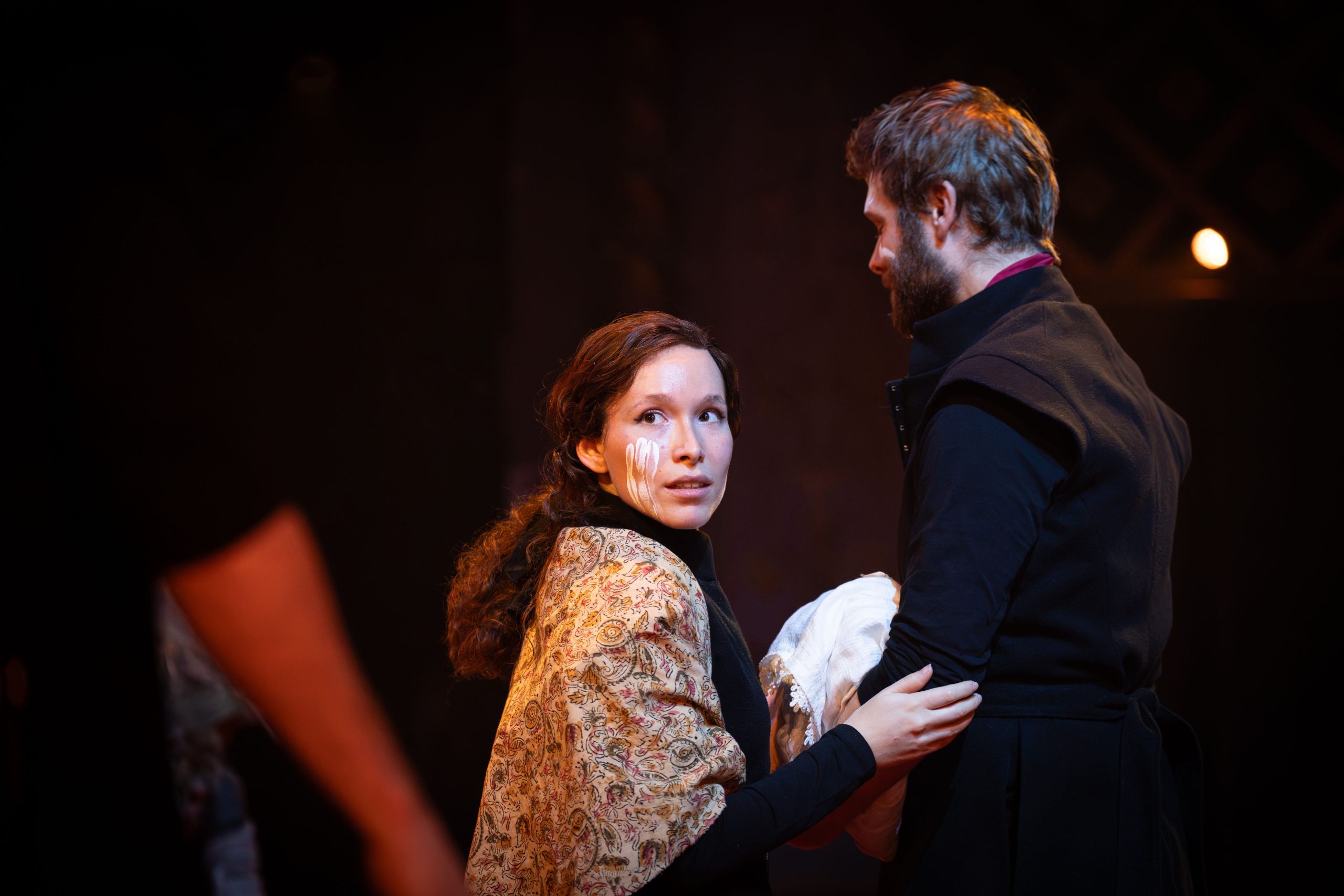
Alongside that, we spend time with Edith Craig and her household with Christopher St John, played by Maggie Service, and Clare “Tony” Atwood, played by Kathryn Wilder. This is where it gets really interesting. At first it’s a bit confusing, you’re not quite sure who you’re looking at, with names like Chris and Tony and the very male roles they seem to fulfil in Edith’s life. Then it settles, and you realise you’re watching something that feels surprisingly modern. Three queer women living together in a relationship that seems open, fluid, and completely natural to them. It’s not treated as scandalous or hidden, it just is, and the way it’s played feels very relaxed and genuine.
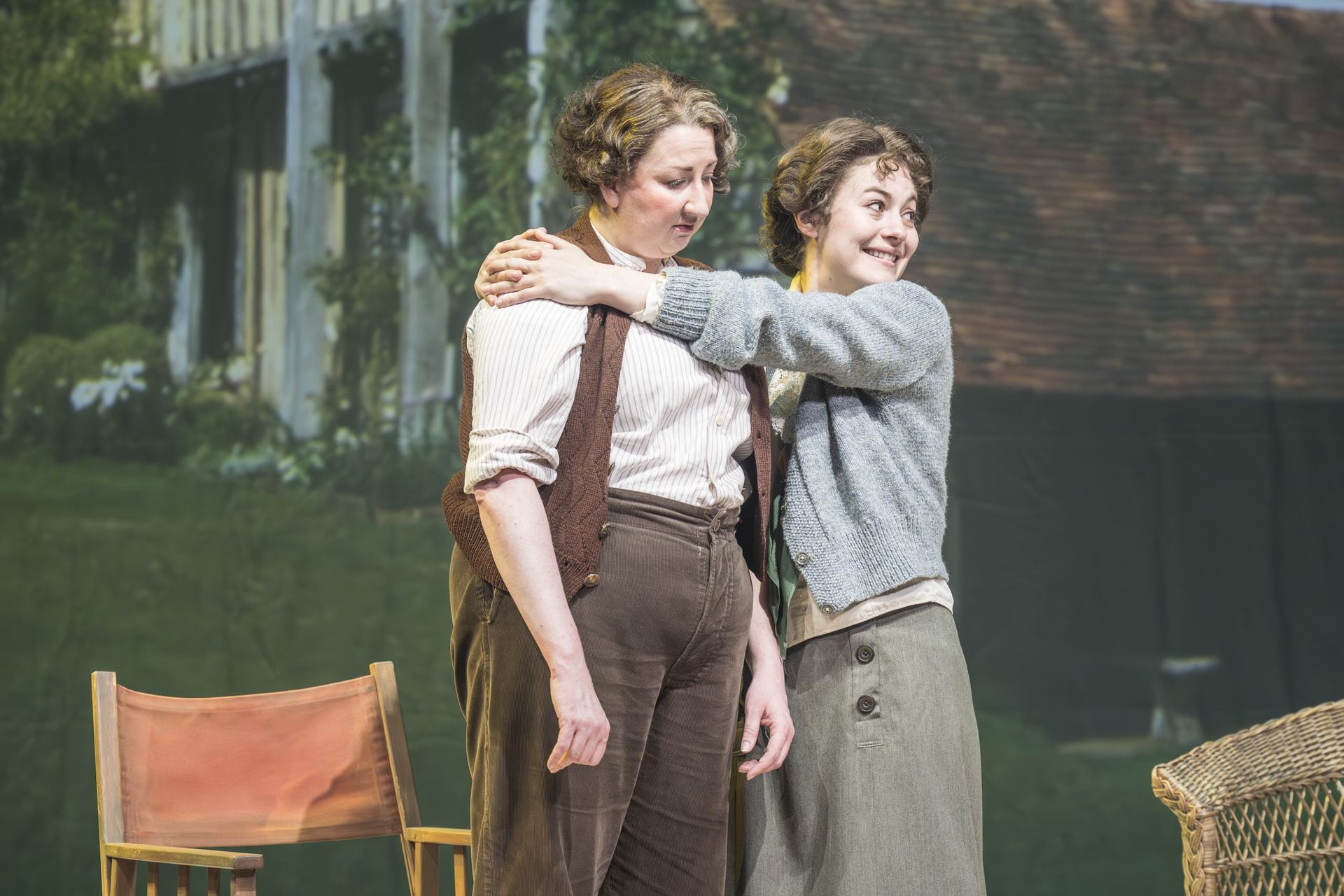
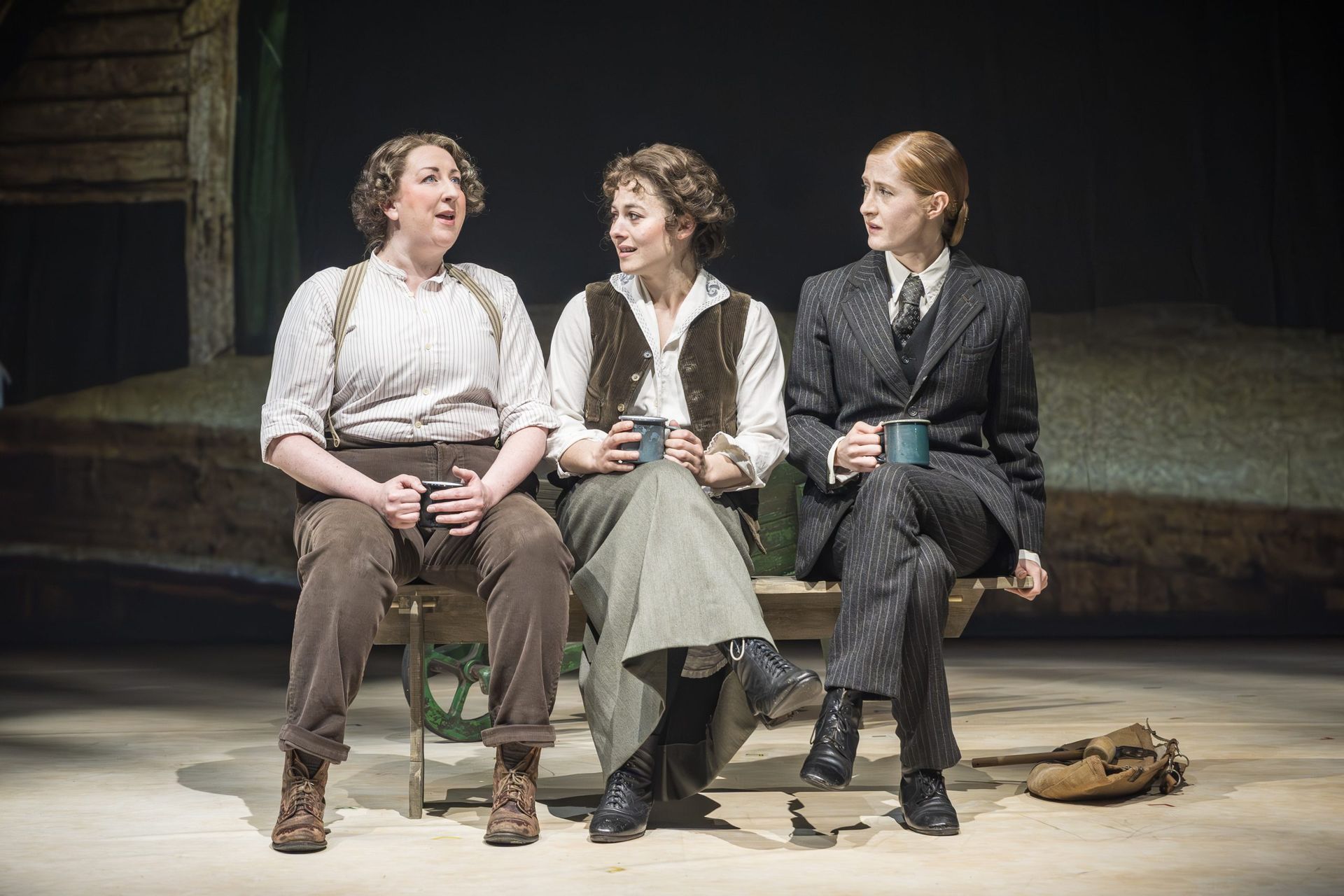
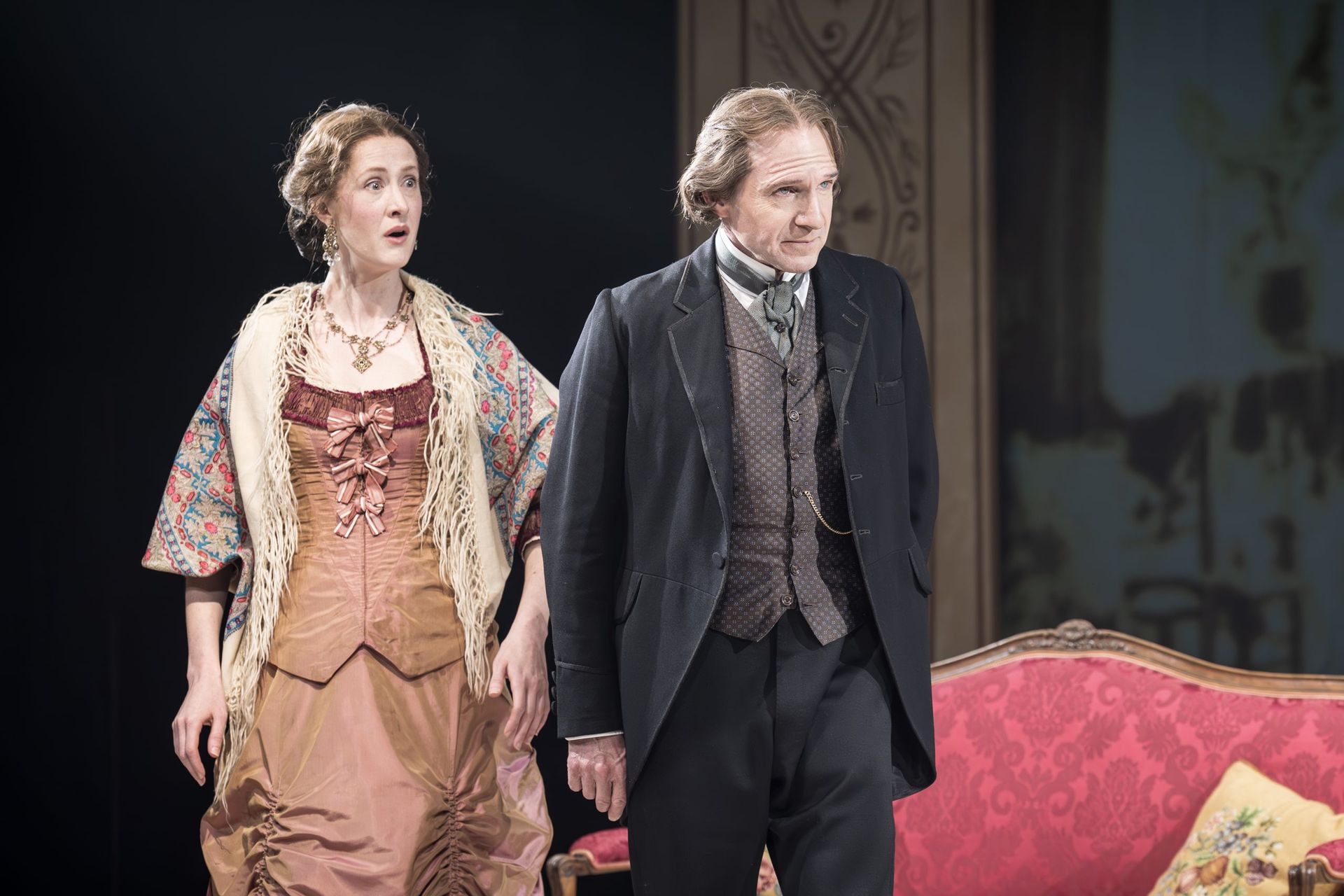
That sense of naturalism runs through the whole production. It frequently feels like you’re watching something private, like you’re eavesdropping on real lives. That’s where the acting really stands out, not just from the leads but across the cast.
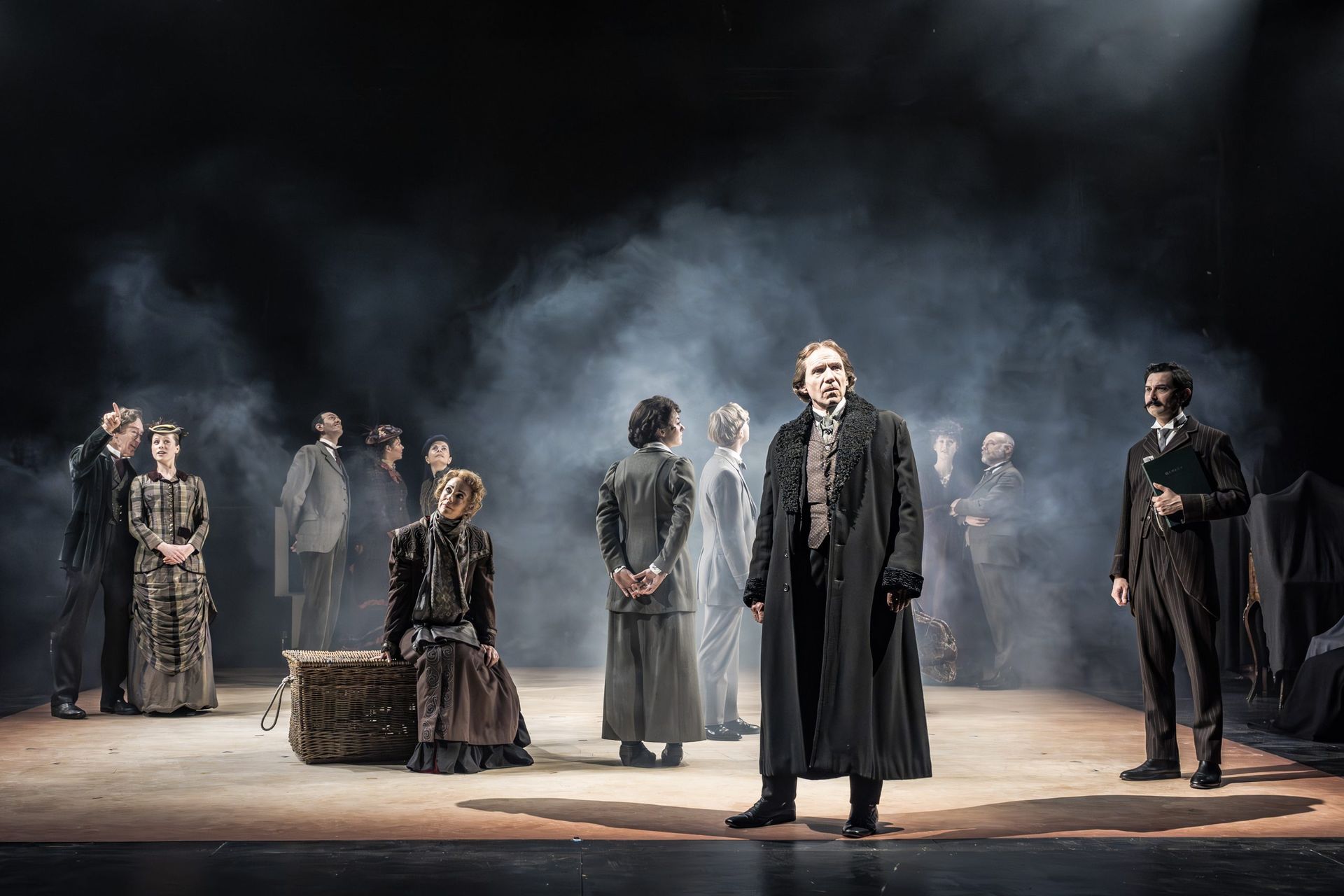
The design is deceptively simple. Bob Crowley’s set looks almost bare, but it’s carefully constructed to feel that way, with furniture sitting just offstage under drapes until it’s needed. The projected backdrops, designed by Akhila Krishnan, are beautiful, looking like old painted scenery or sepia photographs rather than anything digital. It all fits the period without ever feeling heavy-handed.
Lighting by Peter Mumford does a lot with very little. The first moment that really stood out to me was in the countryside scenes, where a soft wash of green light spreads across the back of the stage, just enough to suggest grass continuing out from the painted backdrop. It’s so simple, but it completely sets the scene without needing anything more. There’s a lovely moment in the Café Royal where the whole stage is lit, and then, almost without you noticing, it tightens until only Irving and Terry’s table is left in focus. It’s subtle, but really effective.
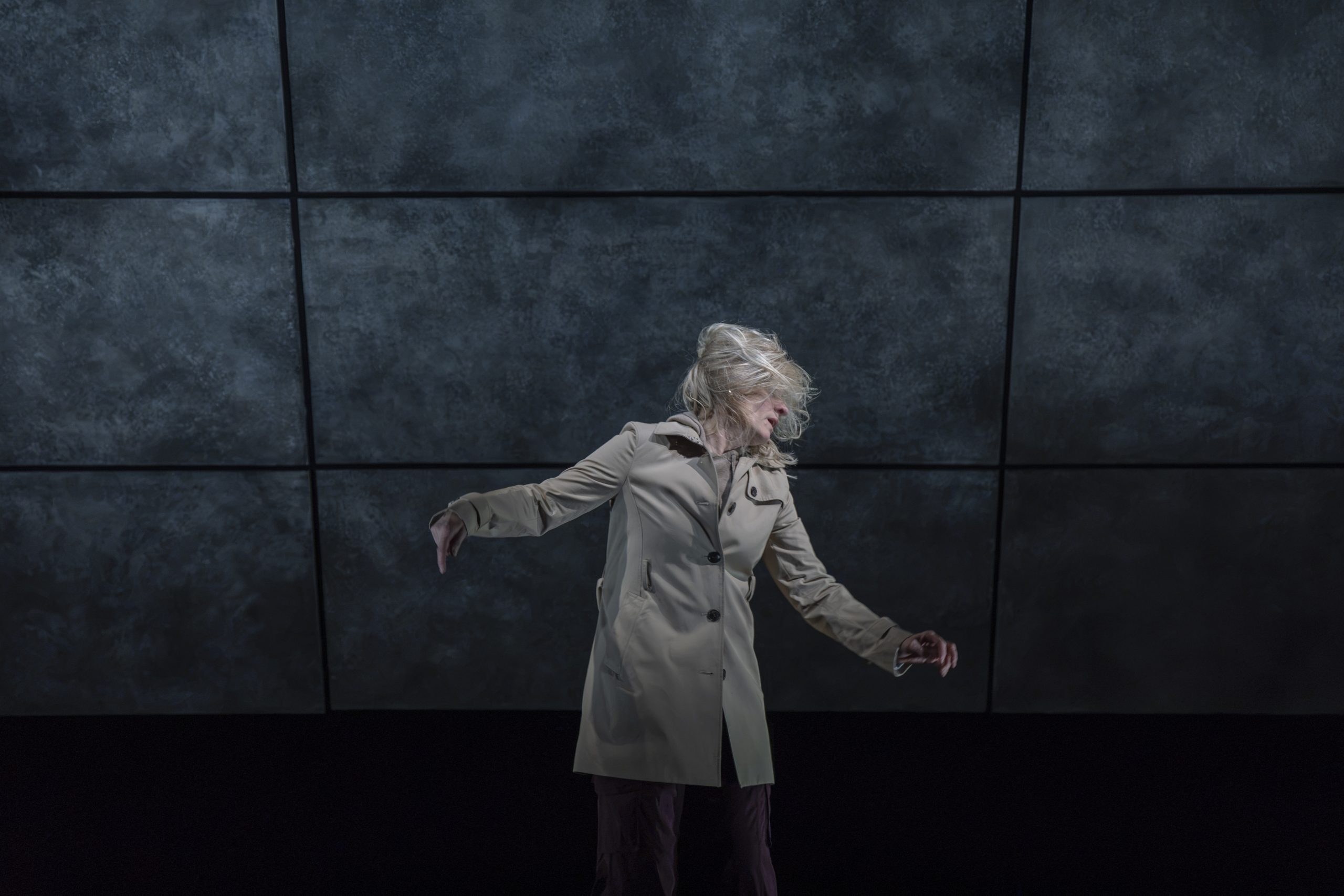
There are also some great smaller performances. Tom Kanji has a brilliant moment as an overexcited waiter, so thrilled to be serving Ellen Terry that he ends up bringing her half the menu. It’s a small scene, but really charming and a nice bit of relief. Saskia Strallen also makes a strong yet brief impression as Isadora Duncan, with a beautiful dance sequence (movement director Lucy Cullingford) that slips neatly from atmospheric interlude into character moment.
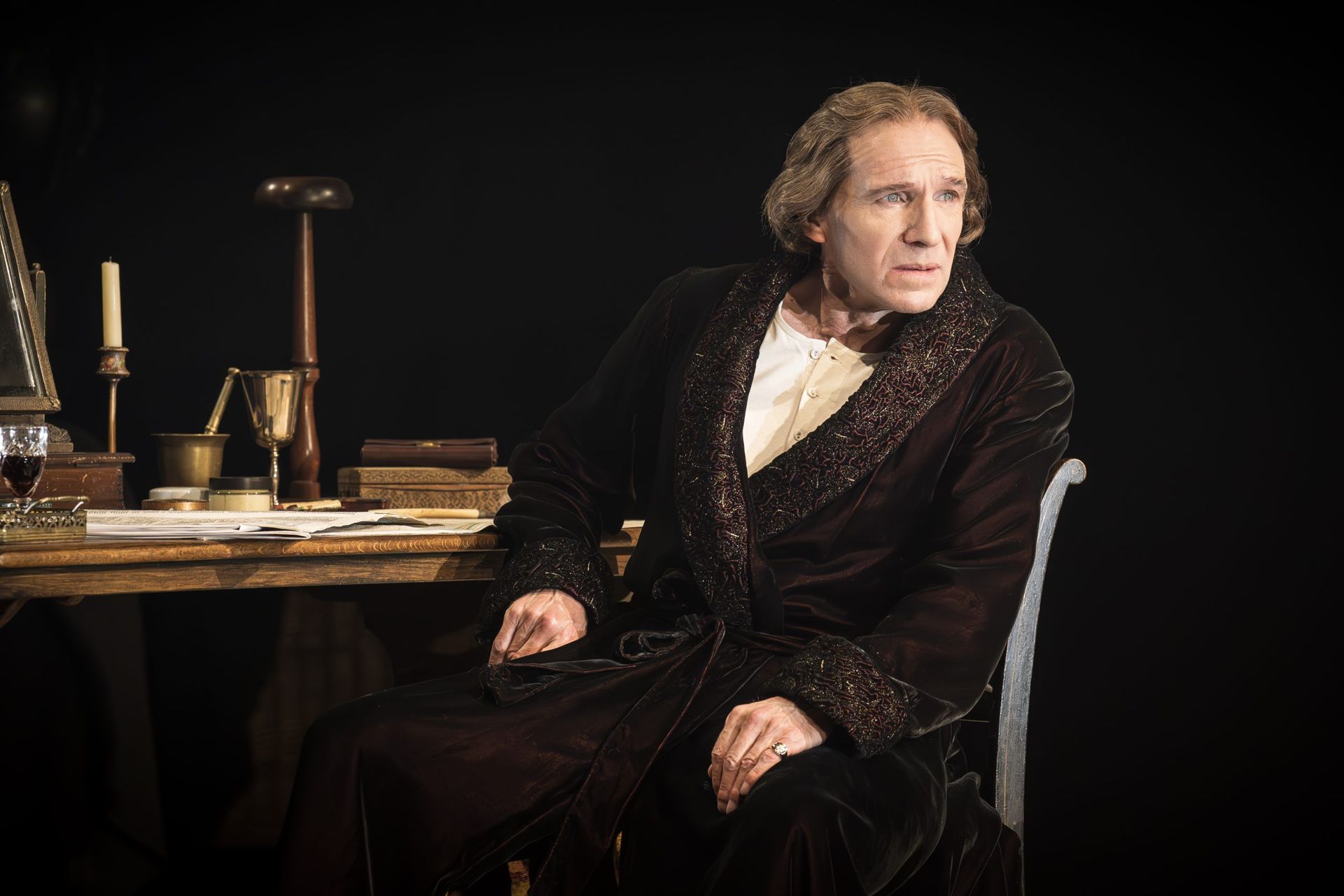
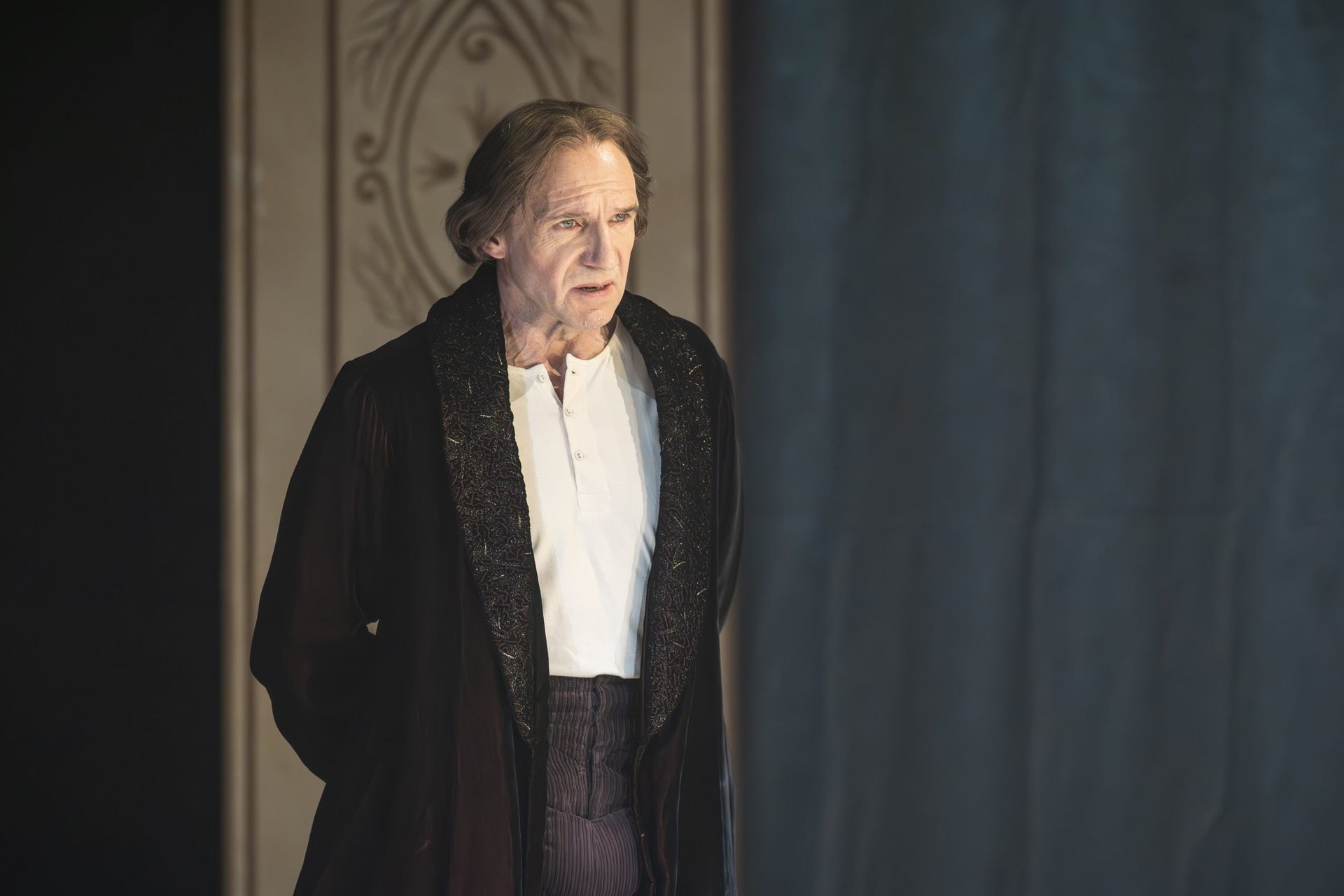
By the second half, everything clicks into place, and the emotional weight of their relationship becomes so evident. You see how much they’ve given to theatre, and you start to question what that’s cost them, especially Terry.
As well as being a beautifully performed piece of theatre, Grace Pervades is also educational. Having entered with little knowledge of these historical figures, I left wanting to know more about all of them – Irving, Terry, Edith Craig, and that entire world. Not because the play lays everything out for you, but because it gives you just enough to spark that curiosity.
It’s not perfect. The first half demands a bit of patience, and it takes time to find its focus. But once it does, it’s engaging, thoughtful, and affecting with a wholly sublime cast.
And Ralph Fiennes… it really is such an honour to watch him perform on stage. We’ve seen him for years on screen in such a huge range of roles, from the refined brilliance of The Grand Budapest Hotel to something far darker in the wizarding world, and to see that level of craft up close is something else entirely. Who better to play one of the greatest actors that ever lived than one of our greatest living actors? That alone is worth the cost of a ticket.
Grace Pervades is playing at the Theatre Royal Haymarket until July 11th 2026.
Book your tickets at gracepervadestheplay.com
Words by Nick Barr
Photography Marc Brenner