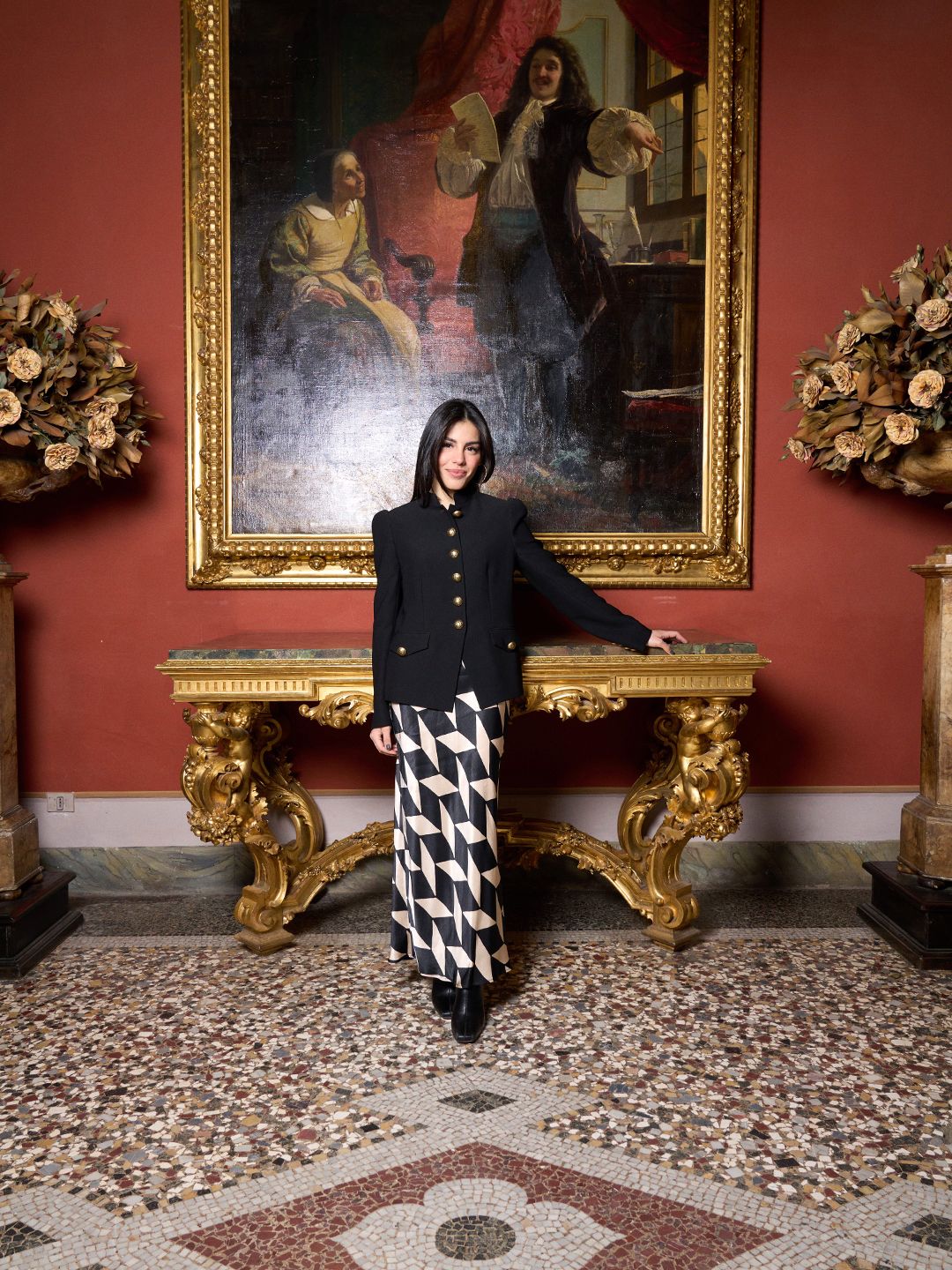
It’s Biennale season in Venice once again, and art-world insider Ceyda Ulaşan from Minerva Collective is right there in the thick of it, giving us the lowdown on the must-sees, talking points, and surprises across the lagoon.
The Venice Biennale, the art world’s most prestigious stage, takes over the city every two years with a sprawling mix of national pavilions, experimental projects, and off-site collateral events.
It’s part cultural pilgrimage, part creative marathon, where rising names and global heavyweights rub shoulders, and where conversation, spectacle, and occasional controversy (never in short supply, especially this time around) spill out across Venice’s labyrinthine canals, its centuries-old palazzos, and hidden courtyards.
Bringing together over 100 participating countries and 31 collateral events, this year’s 61st edition, In Minor Keys, curated by the late Koyo Kouoh, places introspection, memory, and collective care at its centre, offering a quieter counterpoint to the art world’s usual pace and spectacle.
We caught up with Ceyda for her insider take on the standout exhibitions and defining moments of the programme.
On the Ground in Venice
Hello Ceyda, how are things in Venice? What’s the vibe on the ground with the Biennale in full swing?
Hello Jacopo! As you can imagine, Venice is incredibly busy right now.
There’s so much to see, experience, and absorb all at once. The city feels completely alive. Everywhere you go, there’s another opening, conversation, dinner, or unexpected encounter waiting around the corner.
This year especially, Venice feels electric, but you can also clearly sense the weight of the political and institutional tensions surrounding this edition, from curatorial debates to the wider conversations unfolding across the art world. It adds another layer to the Biennale. Beyond celebration, there’s a strong sense of reflection, questioning, and responsibility.
I’m already completely exhausted, but in the best possible way: very fulfilled, very inspired, and definitely art-overdosed.
So, are you set to help us shape 1883’s ultimate Biennale guide?
There’s still so much left for me to explore, but I’m very happy to share some personal highlights!
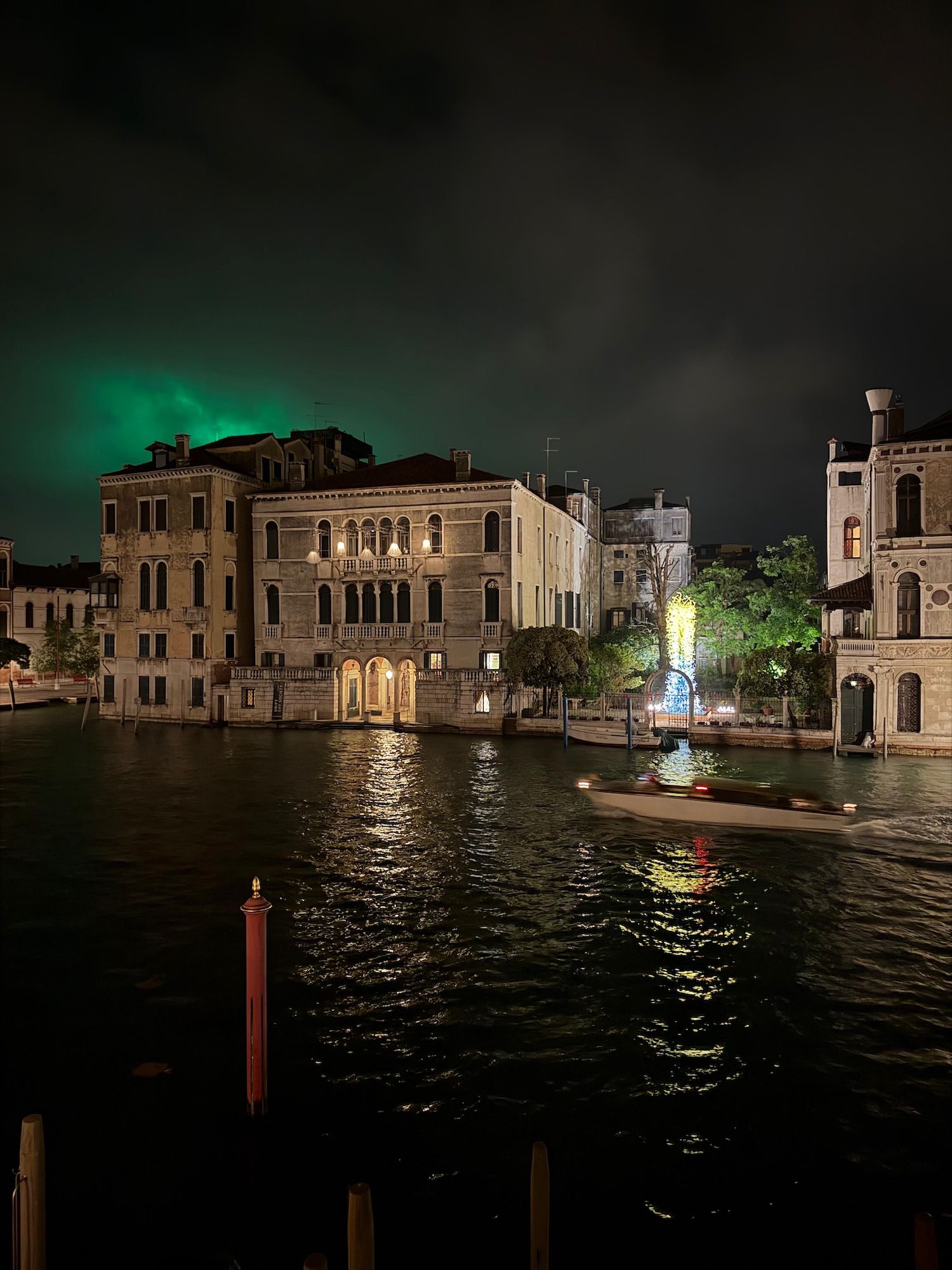
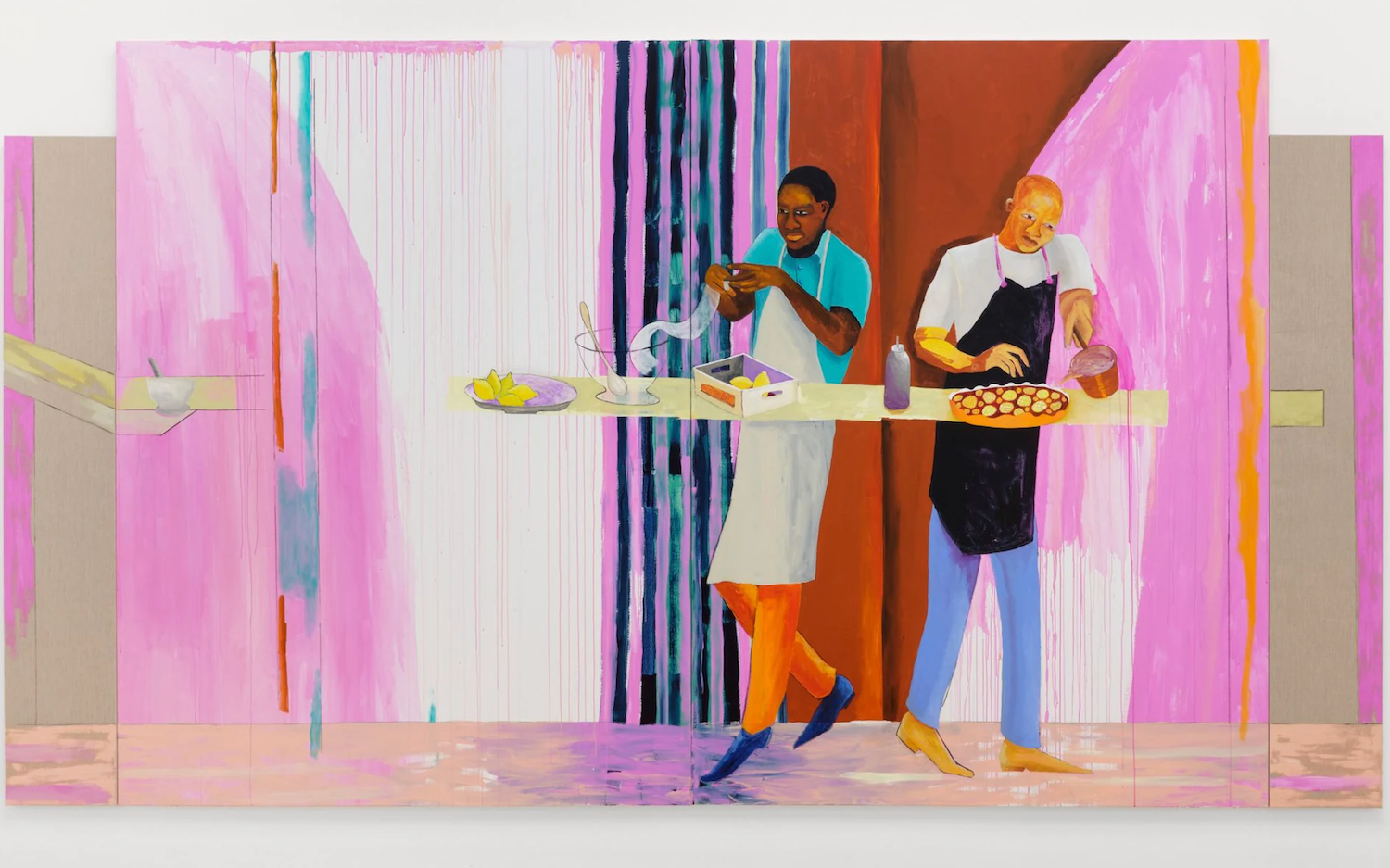
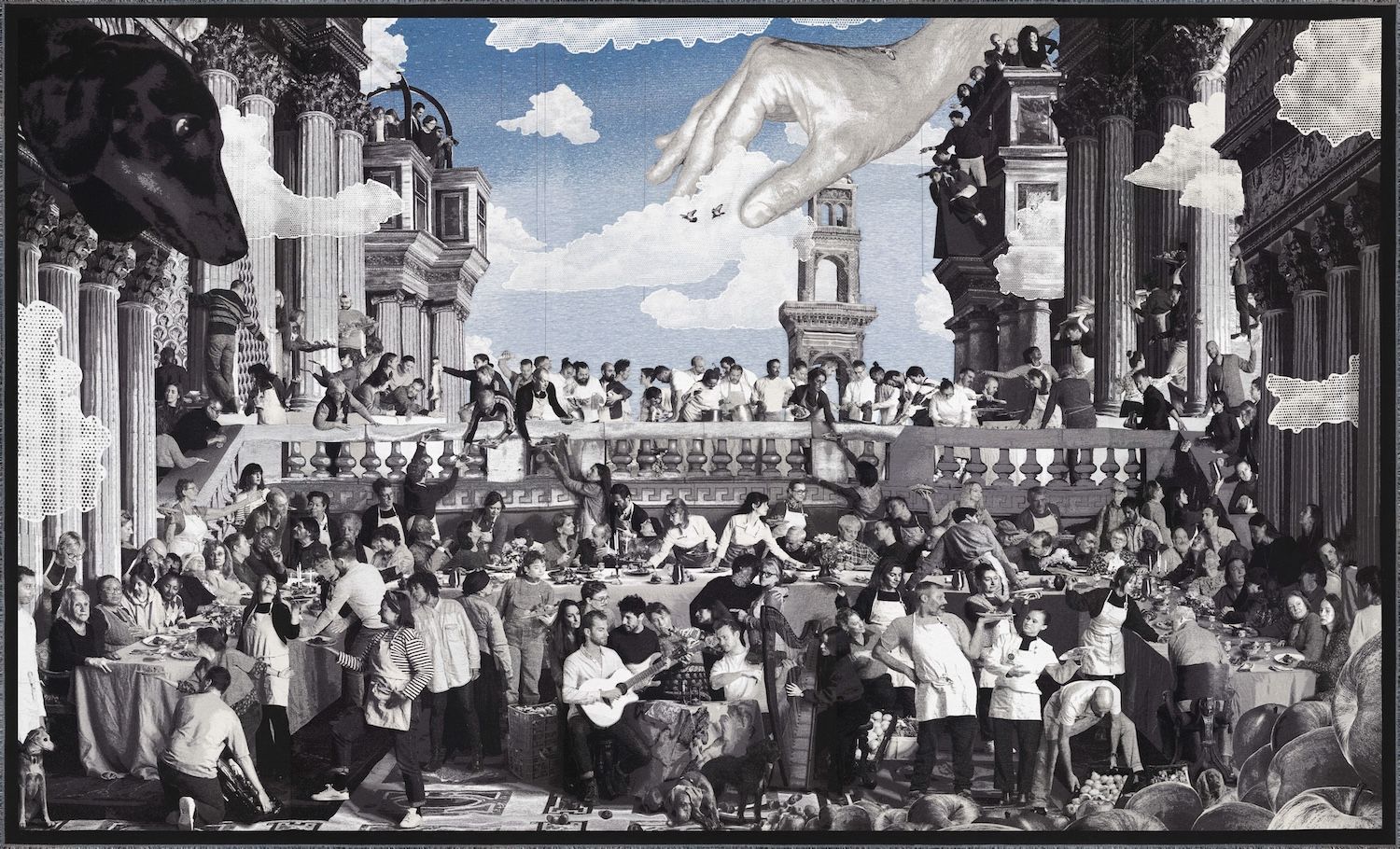
I was really struck by DRIFT’s Shy Society and JR’s Il Gesto, both of which bring a strong human energy into the city. Lorna Simpson’s Third Person at Punta della Dogana was also incredibly powerful and emotionally layered.
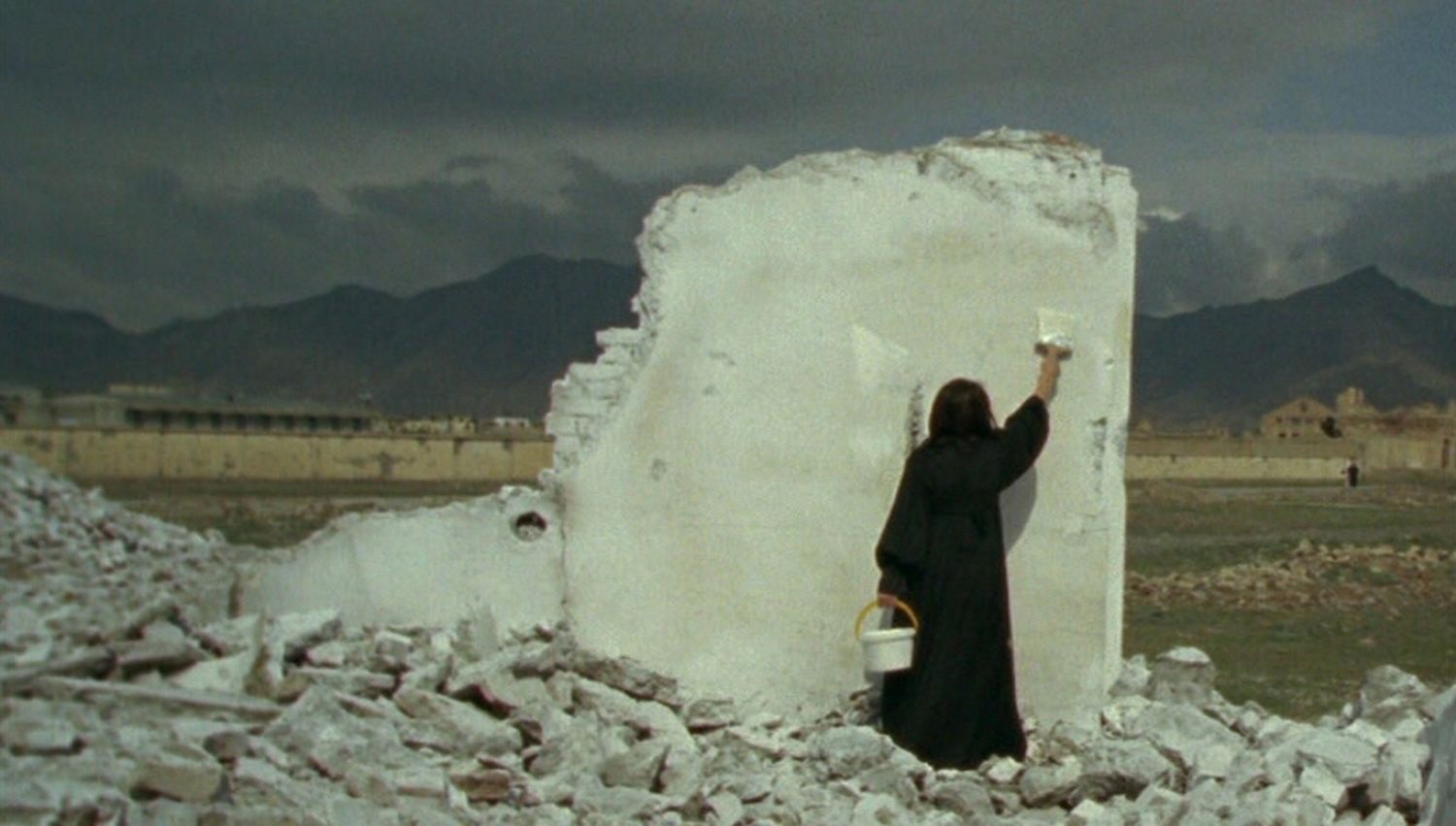
Among the national pavilions, I was especially drawn to the British Pavilion featuring Lubaina Himid, as well as the Austrian and Brazilian pavilions. Strange Rules at Palazzo Diedo is my absolute favourite. And Marina Abramović’s Transforming Energy at the Gallerie dell’Accademia is also a must-see, alongside Peggy Guggenheim in London at the Peggy Guggenheim Collection in Venice.
The Must-Sees
What are the three shows that no one should miss?
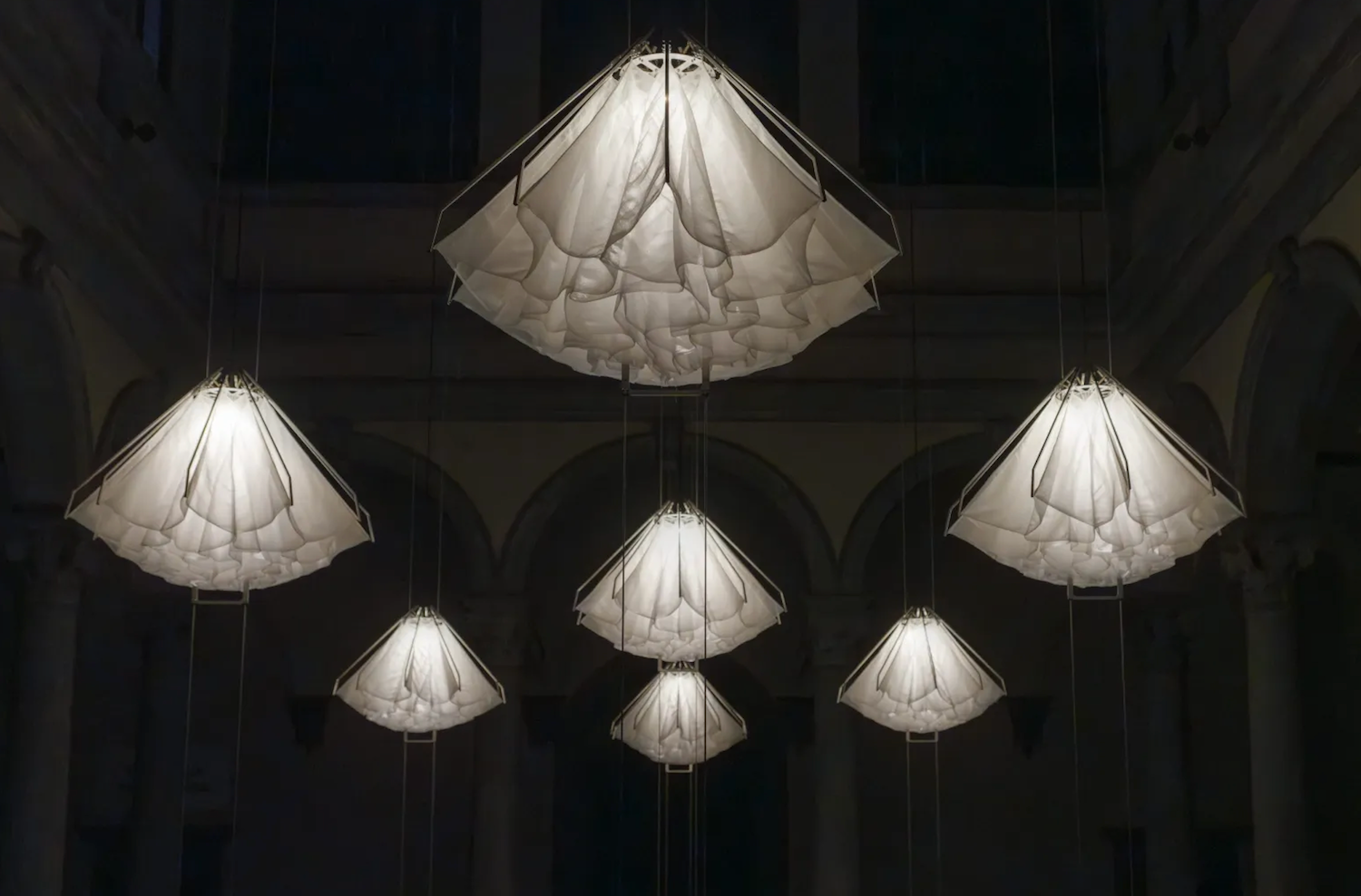
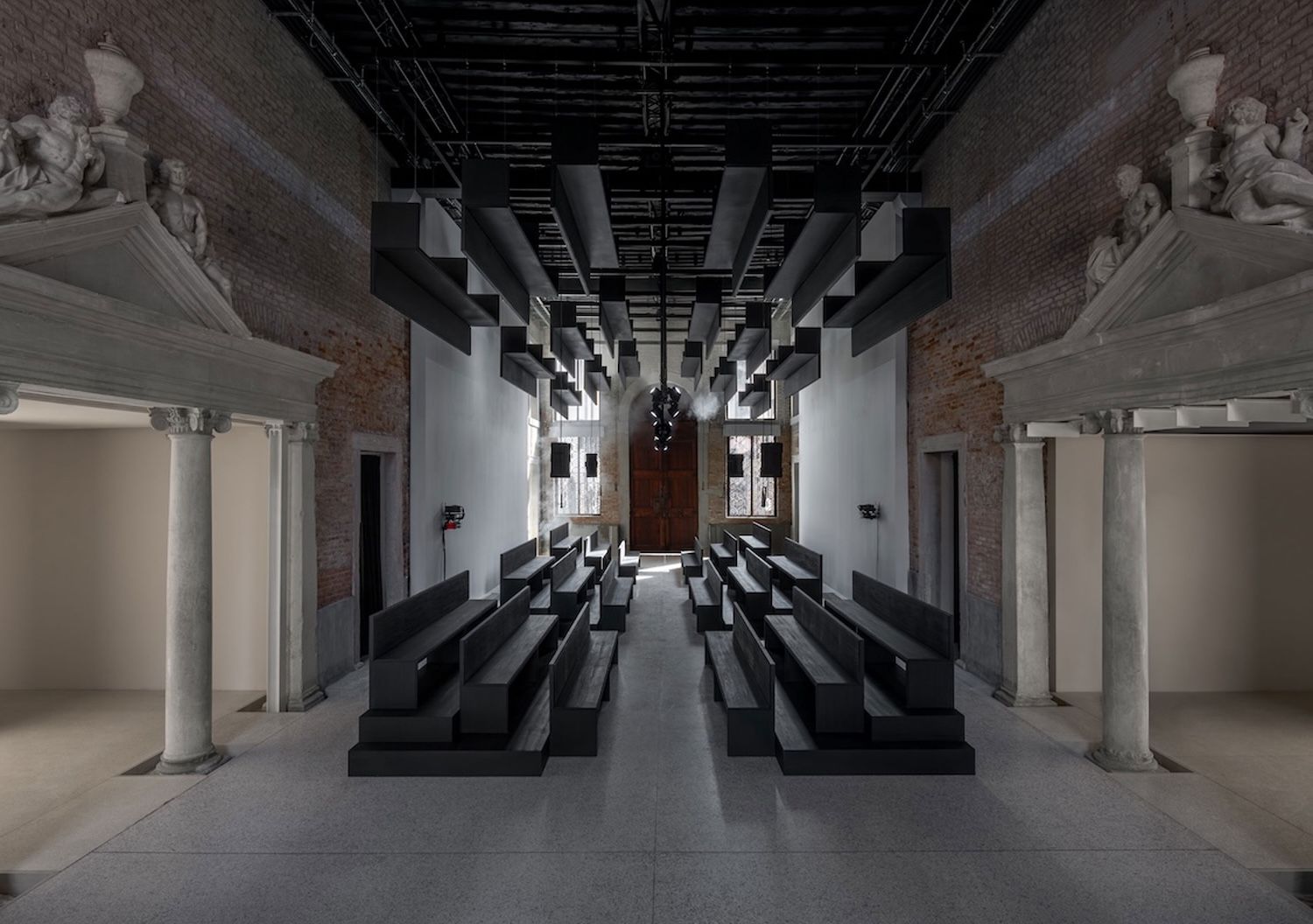
Hands down, my absolute favourite is Strange Rules at Palazzo Diedo, curated by Mat Dryhurst, Holly Herndon, Hans Ulrich Obrist, and Adriana Rispoli. I was genuinely stunned by the entire exhibition. I’ve always been drawn to video and AI-based art, and what I loved most here was the dialogue between technology, architecture, and history. Something that also resonates deeply with how we think at Minerva.
Experiencing the works inside such an extraordinary palazzo, surrounded by frescoes and layered histories, while each room unfolded a different perspective on AI, memory, identity, and human presence, felt incredibly immersive. Before touring the exhibition itself, I highly recommend registering for Voyager by Trevor Paglen, an AI-assisted hypnosis installation and meditative 30-minute experience that was absolutely worth the wait. It was one of those rare Biennale moments where time almost seemed to slow down completely.
Another major highlight is Lorna Simpson’s Third Person at Punta della Dogana, a must-see. The sound element, with interactive sound bowls, draws you into the work so that you feel less like a viewer and more part of it. I found it incredibly emotional, quiet, and powerful all at once.
I also really loved Peggy Guggenheim in London at the Peggy Guggenheim Collection. It’s beautifully curated, with works and stories I hadn’t seen before. Beyond the artworks, Peggy Guggenheim’s vision and courage as a patron remain deeply inspiring. The show feels both intimate and historically significant. And finally, I would absolutely add the Alighiero Boetti exhibition at SMAC to the list.
If we only had time for one thing, what’s the absolute must-see?
This is a though one, because choosing only one thing during Venice Biennale feels almost impossible! But if I really had to pick, I would probably say Strange Rules at Palazzo Diedo.
Bold Statements & Big Moments
What feels like the boldest curatorial statement this time around?
Honestly, for me the boldest curatorial statement this year is the way technology, AI, and questions of human presence are no longer treated as futuristic side conversations, but are fully embedded in the emotional and political fabric of contemporary art.
You can really feel a shift this year. Many exhibitions are not just presenting works, but actively questioning authorship, control, memory, ethics, and even consciousness itself. At the same time, there’s an underlying institutional and political tension surrounding this edition of the Biennale, which makes many of these projects feel even more urgent and charged.
I was also deeply interested in the Belarus Pavilion, especially given its political and cultural weight. It doesn’t feel loud, but quietly haunting, which, in a way, makes it even more impactful.
The Austrian Pavilion also stood out to me (and probably to many others): it’s psychologically intense, at times almost uncomfortable, but in a necessary way. I liked that it doesn’t try to beautify or simplify anything.
What I personally found powerful was seeing these contemporary discussions unfold not only inside historic Venetian palazzi, but also throughout the Giardini, the national pavilions, and spaces already layered with decades, even centuries, of cultural memory. Many countries use their pavilion architectures almost as part of the narrative itself, creating a fascinating dialogue between history, identity, technology, and future anxieties.
Have you had a ‘wow’ moment yet, something that properly stopped you in your tracks?
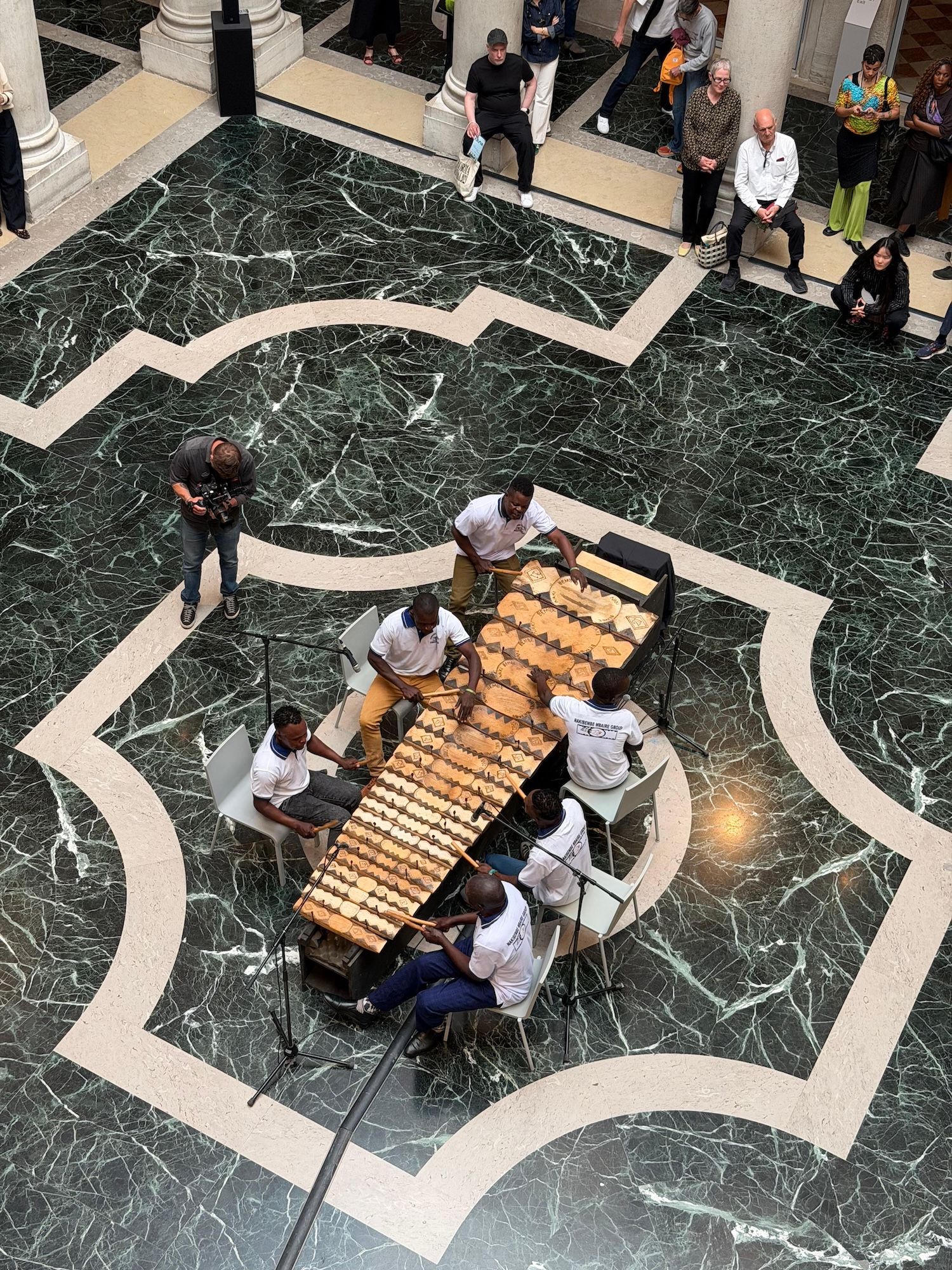
Yes, actually, a few moments genuinely stopped me in my tracks this week. One of the most unexpected was the performance by the Nakibembe Xylophone Troupe at Palazzo Grassi. It was completely outside what I would normally be drawn to: extremely loud, overwhelming, almost impossible to ignore, but strangely beautiful because of that.
There was such a strong collective energy to it. Watching people spontaneously engage, follow the rhythm, smile, and become part of the atmosphere felt incredibly powerful. As you moved through the palazzo and the exhibition spaces, the sound followed you everywhere, so even when you weren’t directly watching the performance, you still felt inside it somehow. I kept asking myself, “Is this actually my taste?” but in the end, I found it fascinating precisely because of how alive it felt.
Another major wow moment was The Stones with Amoako Boafo at Museo di Palazzo Grimani. The contrast between Boafo’s work and the palazzo’s extraordinary history created something incredibly emotional and almost cinematic.
And personally, because I’m very drawn to spiritual and meditative experiences, Voyager by Trevor Paglen was deeply impactful. It felt less like an installation and more like entering a suspended mental state for 30 minutes. In such an overstimulating week, having a moment that slowed time down and made people collectively disconnect felt very special.
I was also really impressed by Jordan Roth’s performance. It was visually and emotionally striking, and theatrical in the best way. And I must mention Alan Phelan’s Colored Glass at the main pavilion. The custom-printed self-adhesive vinyl installation genuinely made me think, “I need windows like this at home.”
Final Verdict
And to wrap things up, what’s your headline verdict on the Biennale?
Overstimulating, politically charged, socially intense and still deeply inspiring!
The 61st Venice Biennale runs 9 May through 22 November 2026.
Find out more about the event here.
Words Ceyda Ulaşan & Jacopo Nuvolari