It’s January 2020, and I’m standing in Hawkins, Indiana.
My wife and I have just made friends with Max and Eleven. They’re holding our hands and dragging us past security guards towards Hopper’s cabin, telling us about a party we’ve apparently been invited to. Around us, scenes are unfolding, characters are moving, and for a moment you forget entirely that you’re standing inside a gigantic warehouse in London.
We’re not watching Stranger Things. We’re at Secret Cinema: Stranger Things, and we’re inside the show.
That was my first real taste of immersive entertainment. And once you’ve had that feeling – of being in the middle of something rather than watching it happen – it’s very hard to go back.
For years, most of our entertainment has worked in fundamentally the same way. Sit down, face forward, watch. Even when you’re moving through a gallery, you’re still looking at something separate from you. The work exists on its own, and you experience it from the outside. Immersive entertainment shifts that. It places you inside different worlds.

Companies like Punchdrunk have been exploring that idea for years. Felix Barrett, Punchdrunk’s artistic director, told me in a recent interview that their work has always been about giving the audience more control, moving away from passive spectatorship and placing people at the centre of the experience. At the same time, Secret Cinema was doing something that felt completely different but came from the same instinct. Their early “Tell No One” events dropped audiences into worlds with almost no explanation. You turned up dressed for one thing and found yourself thrown into a narrative. Not watching a story unfold, but already part of it.
And now that idea is everywhere. Everything is suddenly billed as “immersive”. So much so that the word has become a little ambiguous.
Because sometimes “immersive” is used when the audience is simply physically closer to the action. Productions like Guys and Dolls at the Bridge Theatre or Oscar at the Crown blur the boundaries further. In Oscar at the Crown, the audience stood inside the bunker-like underground setting while actors moved directly through and around them.
At these shows you are immersed in the atmosphere and close to the action, but ultimately they still unfold as largely linear performances. The audience doesn’t really shape their own experience of the world, or the narrative they get to follow. The story unfolds in fundamentally the same way for everyone in the room.
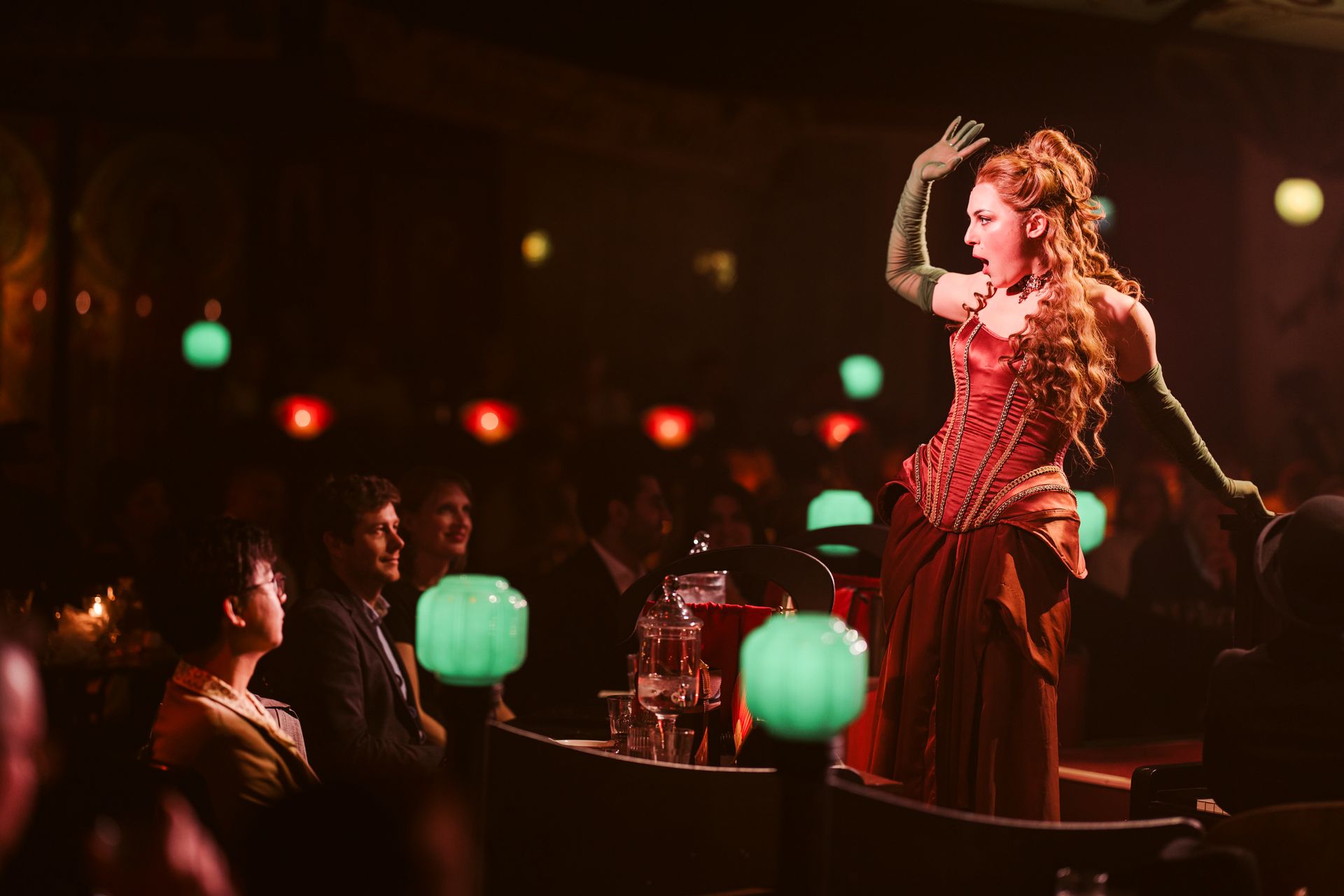
Experiences like Le Chat Noir from The Lost Estate (my review here) complicate things even further. Again there’s no branching narrative or mission structure, but from the moment you step through the entrance, you’re surrounded by performers, live music, food, absinthe, and a meticulously recreated version of 1890s Montmartre. You’re not shaping the story, but you are undeniably absorbed into an immersive world.
That’s very different from experiences like Secret Cinema, Phantom Peak, or Bridge Command, where audience choices genuinely affect what happens next, what storylines you uncover, and even how the experience itself develops around you.
But as well as fully interactive, immersive shows, immersive exhibitions are on the rise too.Van Gogh London: The Immersive Experience was the first exhibition I attended that used 360-degree projection and Virtual Reality to completely surround you rather than placing the exhibits at a distance. We took our children, who were seven and four at the time, and it completely changed how they engaged with the work. In a traditional gallery, they would have been bored and whining. Here, they were absorbed. In the 360 room, the older one started moving along with the music, surrounded by shifting fragments of the paintings as they filled the walls and floor around us.
There was no narrative as such, no puzzles to solve, but the immersion in the work – getting to inhabit the world of the exhibits – was undeniable.
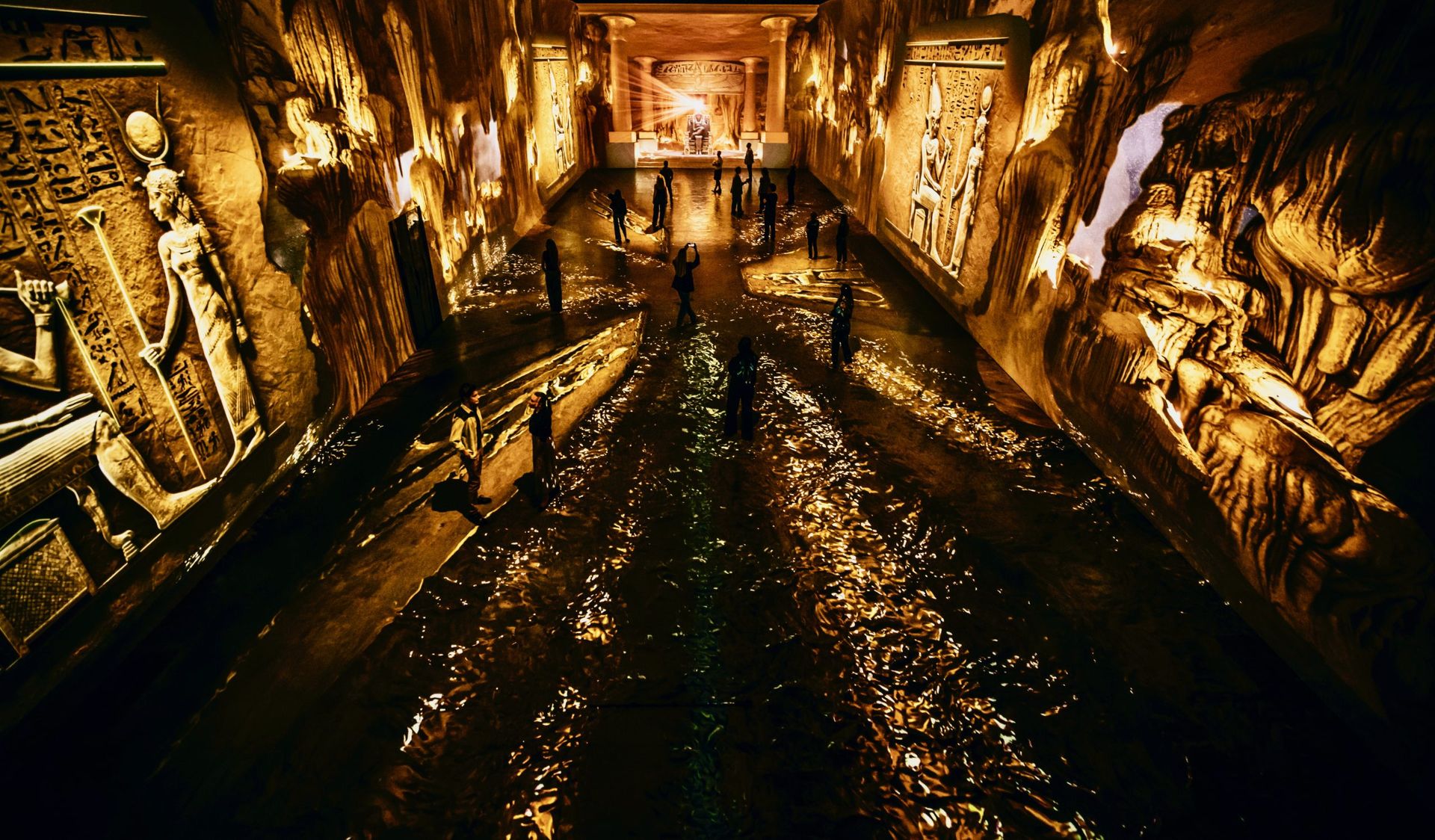
Experiences like the Van Gogh exhibit have led to further advancements and to even more spectacular effect in current immersive exhibitions. Cleopatra: The Experience mixes more traditional exhibition techniques with projection, VR, sound, and other innovative concepts. There are conventional displays and historical information throughout, but those sit alongside much more ambitious experiential moments.
It opens with a holographic Cleopatra, and we’re introduced at a very high level to her story and life. You’re not reading about her, you’re meeting her. Elsewhere, a huge projection space surrounds you with shifting imagery from ancient Egypt, while two VR experiences throw you directly into the action, transforming history from something observed into something inhabited.
There’s also a large interactive projected table map of Alexandria where you can touch different parts of the city to learn more about them, tracing the Nile, exploring landmarks, and building a real sense of the geography and scale of Cleopatra’s world. My children spent ages around that table, tapping on different areas and discovering more about the city. And that’s just one part of it – there’s much more going on across the experience than I can realistically cover here.
What struck me afterwards wasn’t just the spectacle, but the conversations it sparked. We ended up talking about Cleopatra not just as a historical figure, but as a ruler, a strategist, and a woman operating within structures of power thousands of years ago. The technology didn’t replace the learning. It deepened the connection to it.
The same approach ran through experiences like The Legend of the Titanic (review), which again mixed traditional exhibition elements with projection, sound, immersive environments, and VR sequences that placed you inside key moments from the ship’s story. One awesome part was a pair of old-style lifts built into one wall. Behind the concertina doors, passengers appeared to travel slowly up and down through the ship, pausing briefly at our level while you caught glimpses of conversations, clothing, and tiny moments of interaction between them. It was strangely affecting. For a few moments, it genuinely felt like peering directly into the past.

And the technology itself is evolving incredibly quickly. The Van Gogh exhibition laid groundwork that productions like Cleopatra, Pompeii, Titanic, and now Vikings The Immersive Experience (hoping to see that soon) have continued building on. The core tools are often similar – projection, sound design, VR, interactive environments – but the ambition and sophistication keep growing.
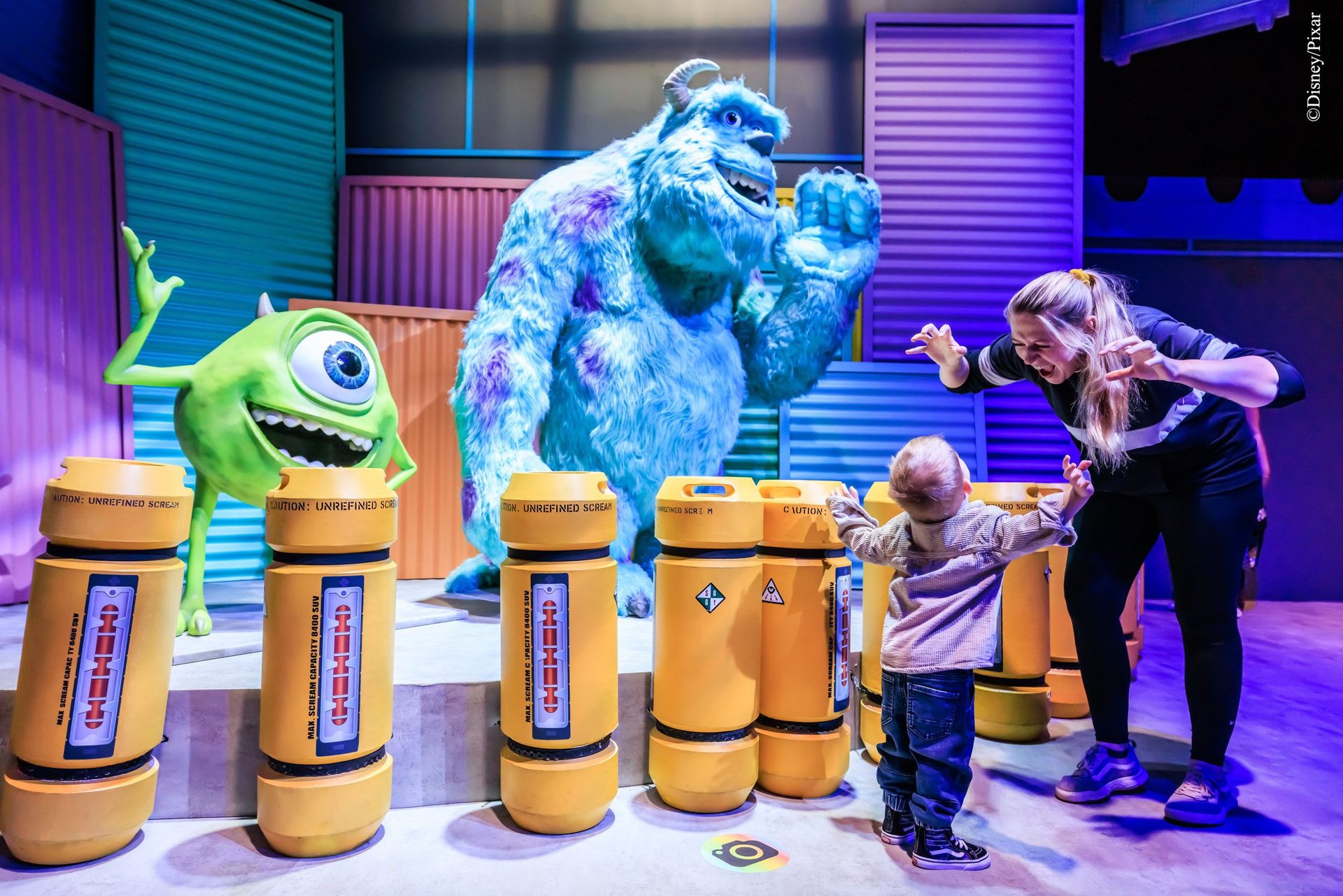
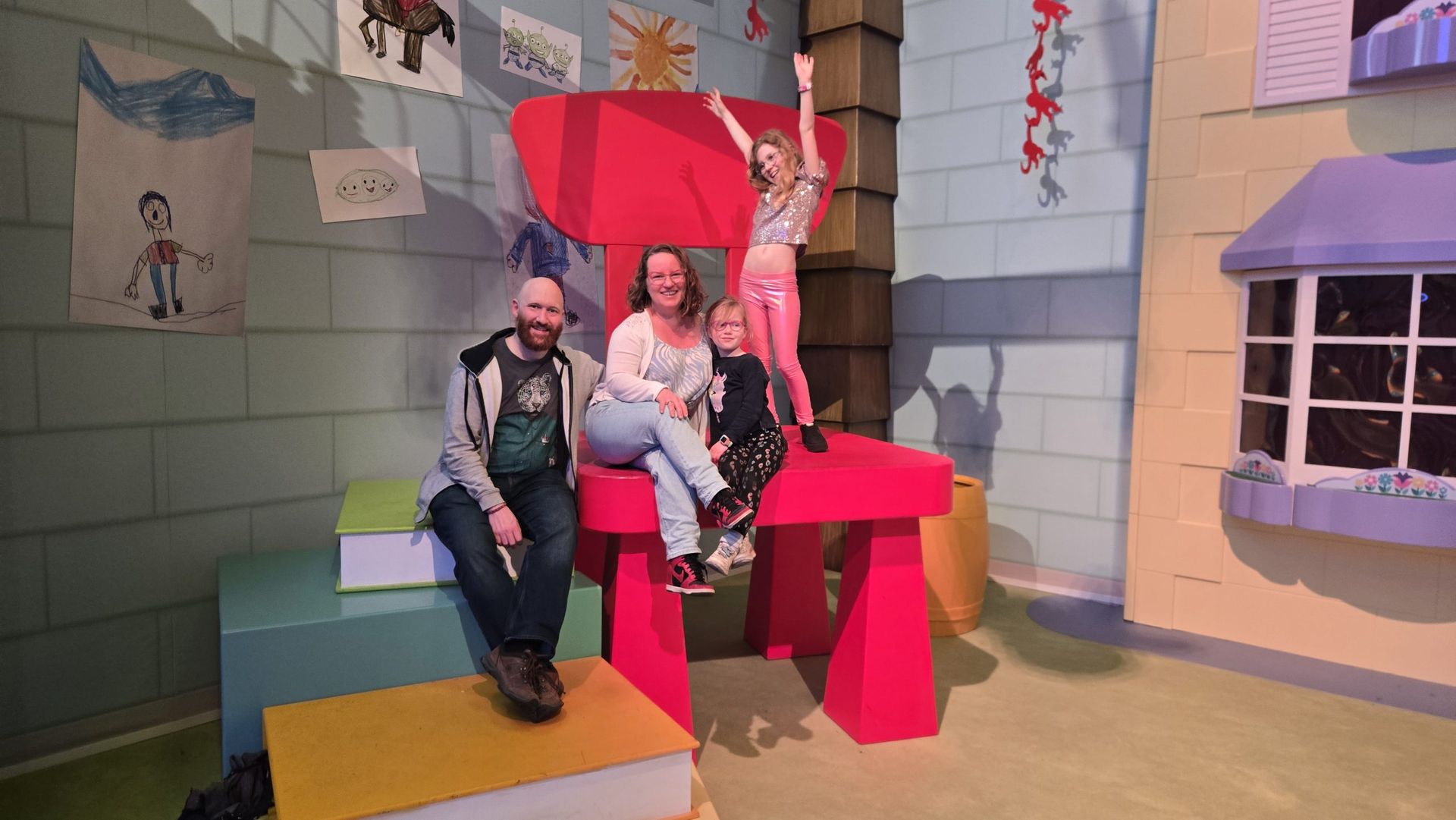
And that’s important, because a lot of these experiences are often dismissed too quickly as style over substance. Take Mundo Pixar, for example. On paper, walking through large-scale sets based on Pixar films might sound like little more than an elaborate photo opportunity to some. But when you step into Andy’s bedroom from Toy Story and suddenly feel toy-sized yourself, or stand in the living room of the floating house from Up as Kevin the snipe floats past the bay windows, something exciting happens. Stories you’ve previously experienced through a screen become physical spaces that you inhabit in real life. You stop being an observer of those worlds and become present within them. Mundo Pixar is full of fully grown adults overcome with emotion as their childhoods come to life around them.
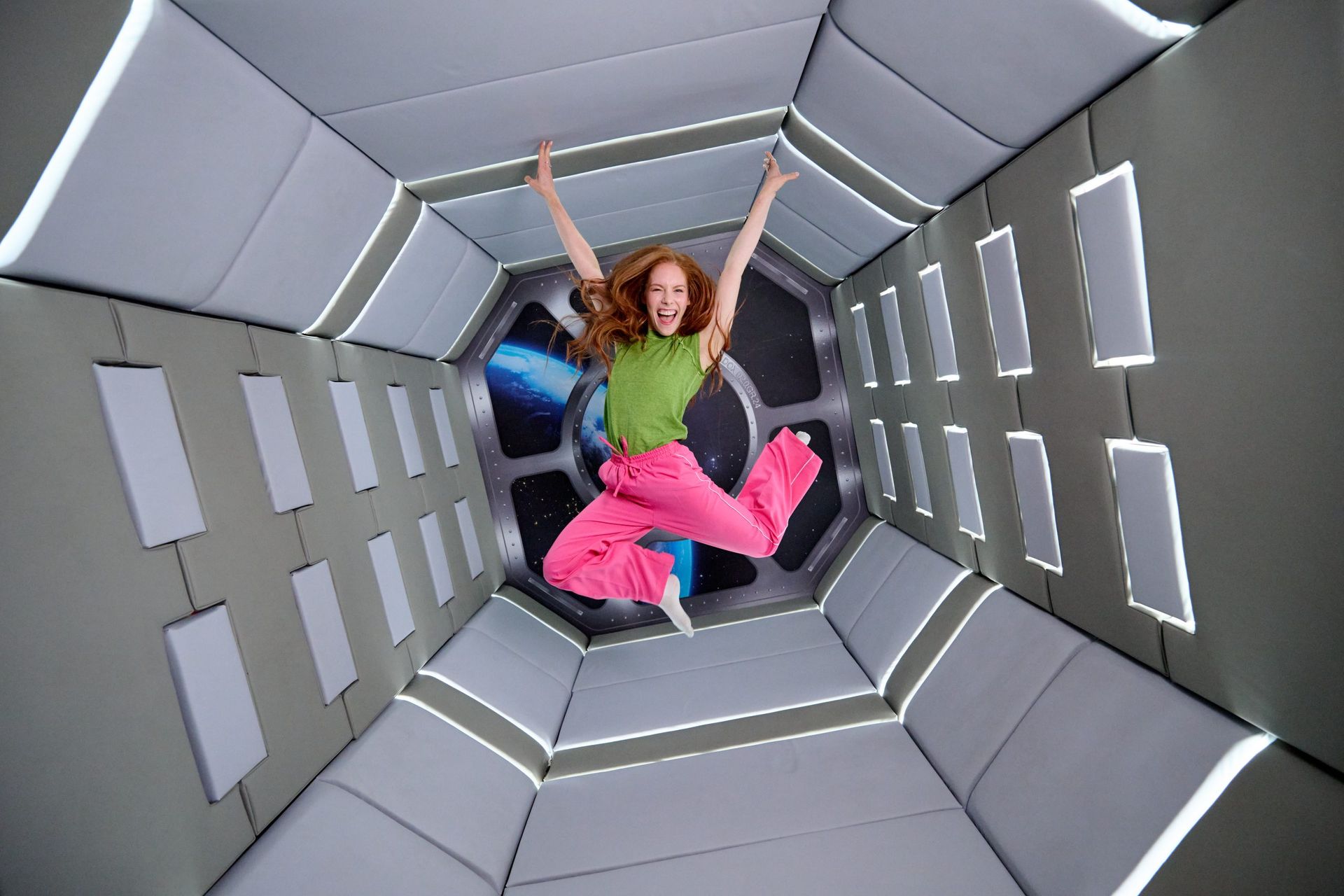
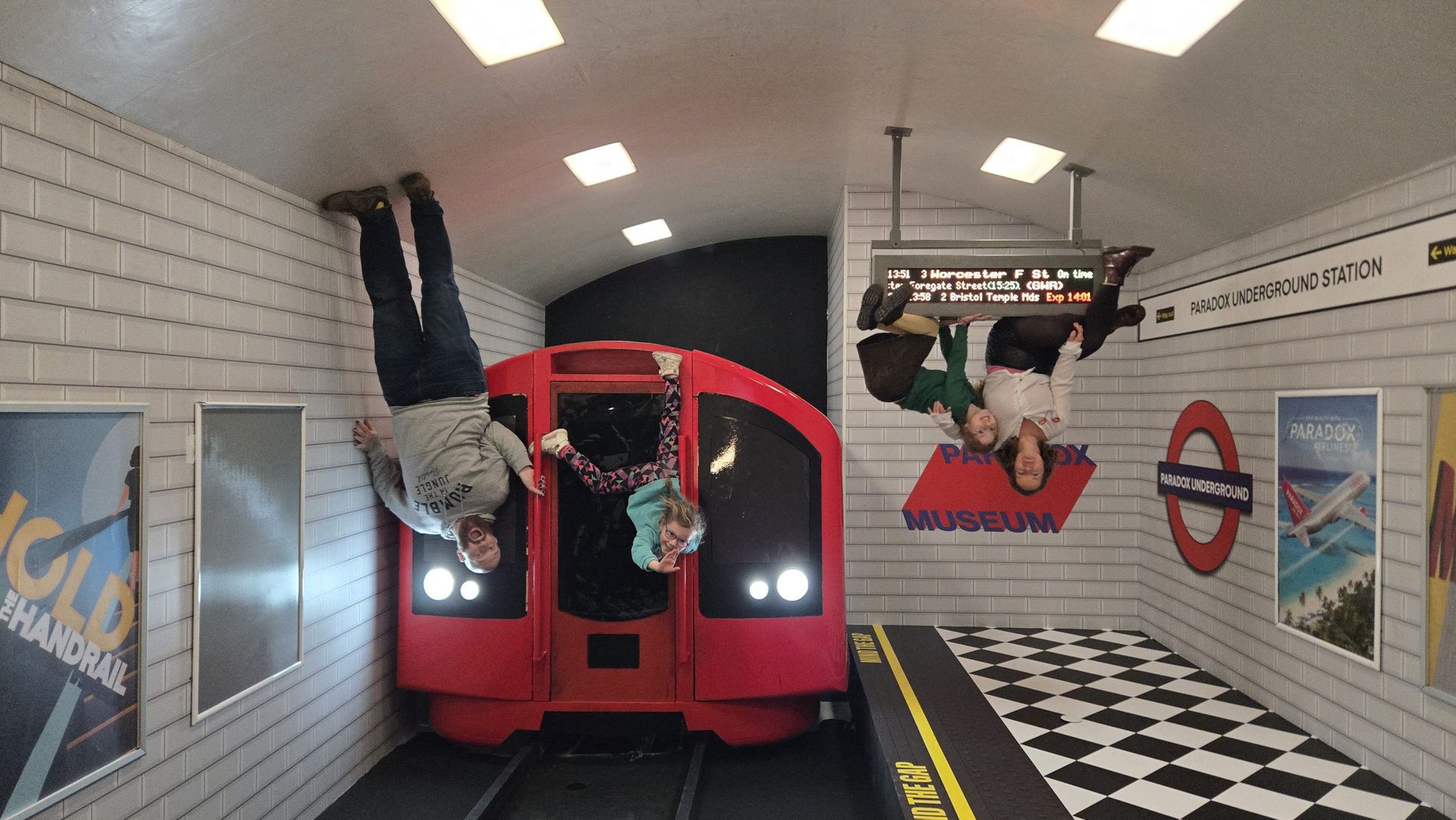
You’ll find very similar scenes at the Paradox Museum London, albeit in a completely different way. There’s no narrative to speak of, or nostalgia buttons pressed, instead, it uses illusion, perspective, gravity, and spatial tricks to force you into active engagement. Hanging upside down in a Tube carriage, shrinking against a height wall, stepping into rooms that completely distort your perception of reality. Yes, people are taking photos the entire time. Of course they are. But you have to physically engage with the environments to make any of it work.
And then there are the experiences where your decisions actively shape what happens next…
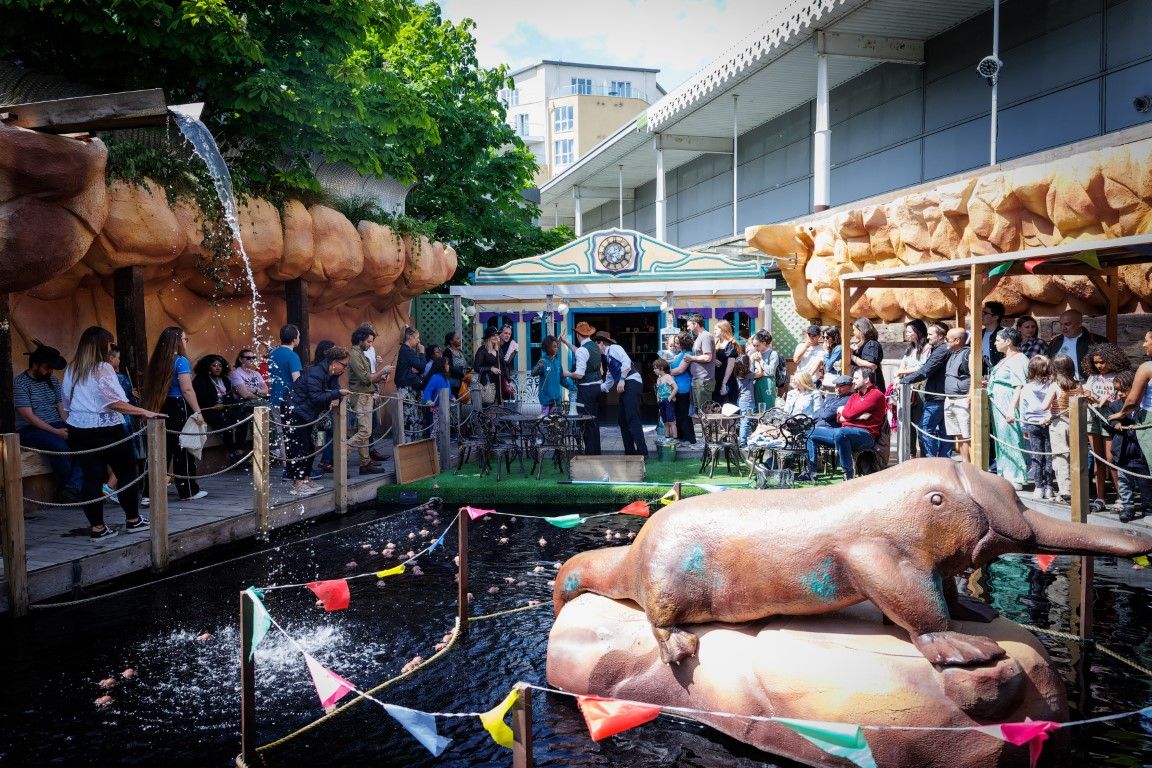
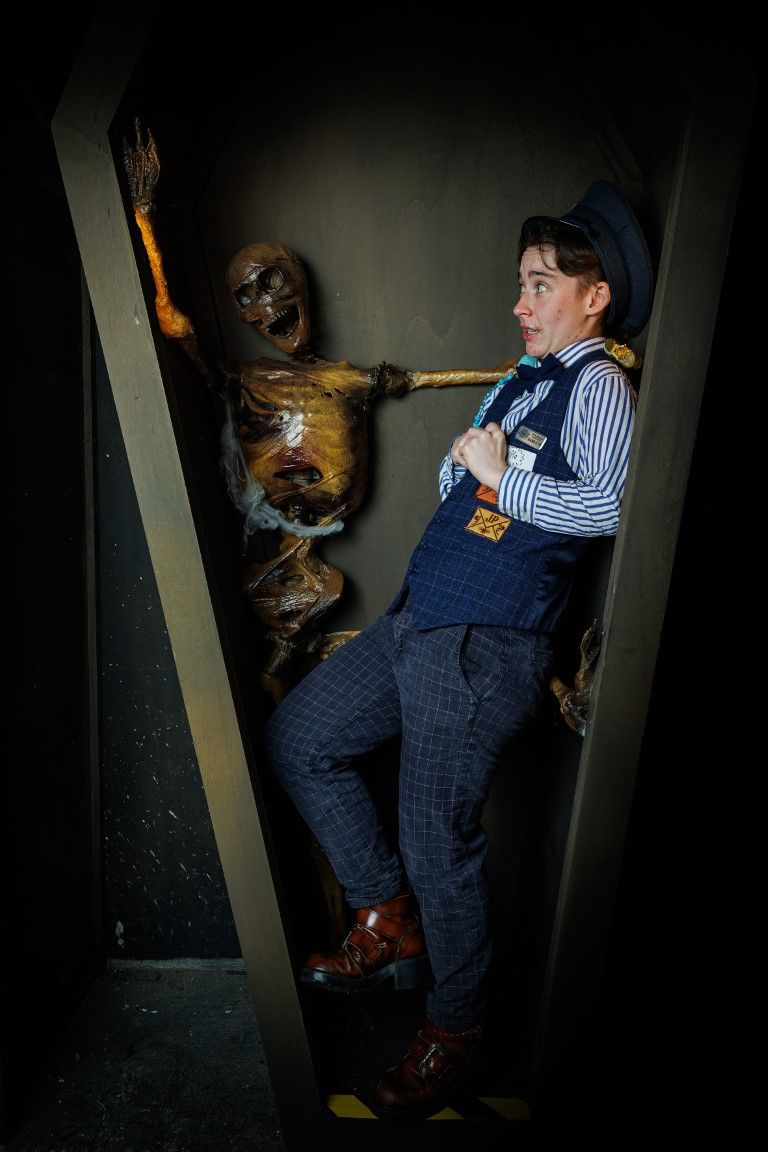
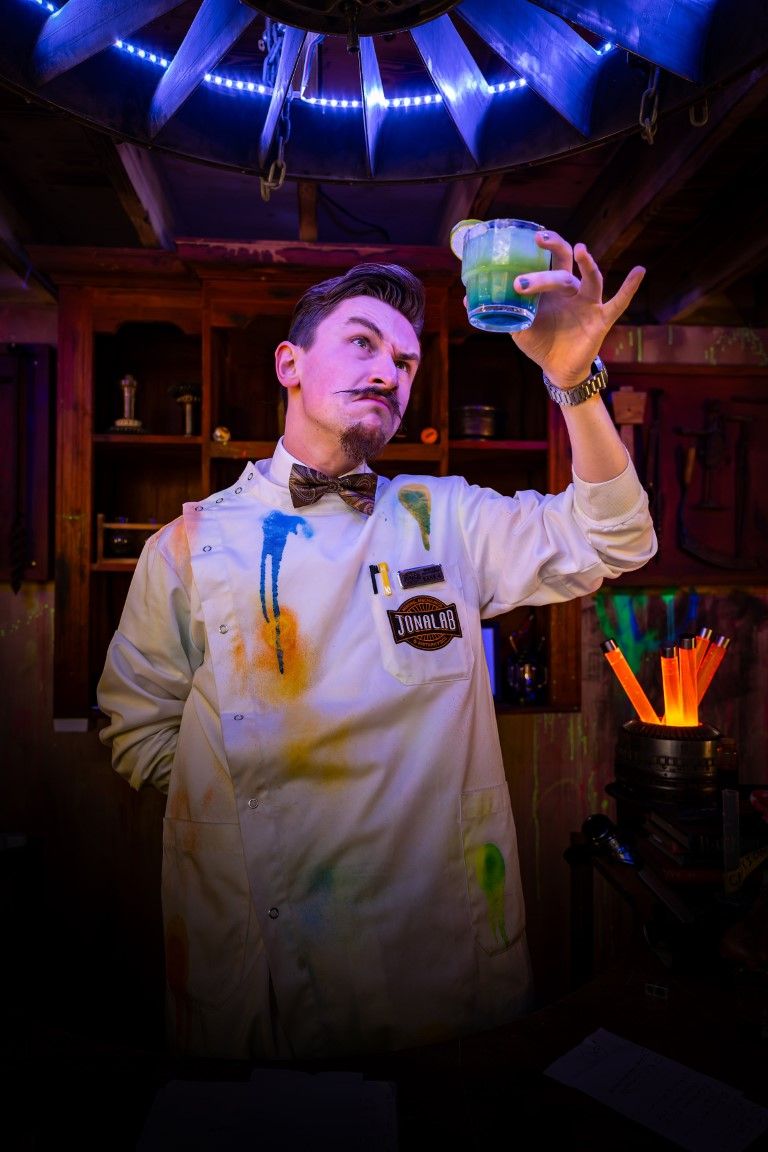
Phantom Peak (review) – one venue recently closed in Canada Water and opening again later this year in Westfield Stratford City – is my favourite example of that. It’s an immersive steampunk western town where you’re free to roam, meet characters, investigate storylines, complete missions, and slowly piece together the wider world around you.
As Phantom Peak creator Nick Moran put it to me:
‘True immersion is not just about impressive sets or actors in costume, it is about giving audiences a world that feels alive enough to explore, affect, question, and return to. I think people are flocking to immersive entertainment because they do not just want to watch a story anymore, they want to feel like they have stepped inside one, and that their presence matters.’
That’s exactly what makes Phantom Peak so compelling. It genuinely feels like stepping inside a live-action video game. The world doesn’t pause for the audience. Storylines continue whether you witness them or not, and characters carry on ‘living their lives’ around you.
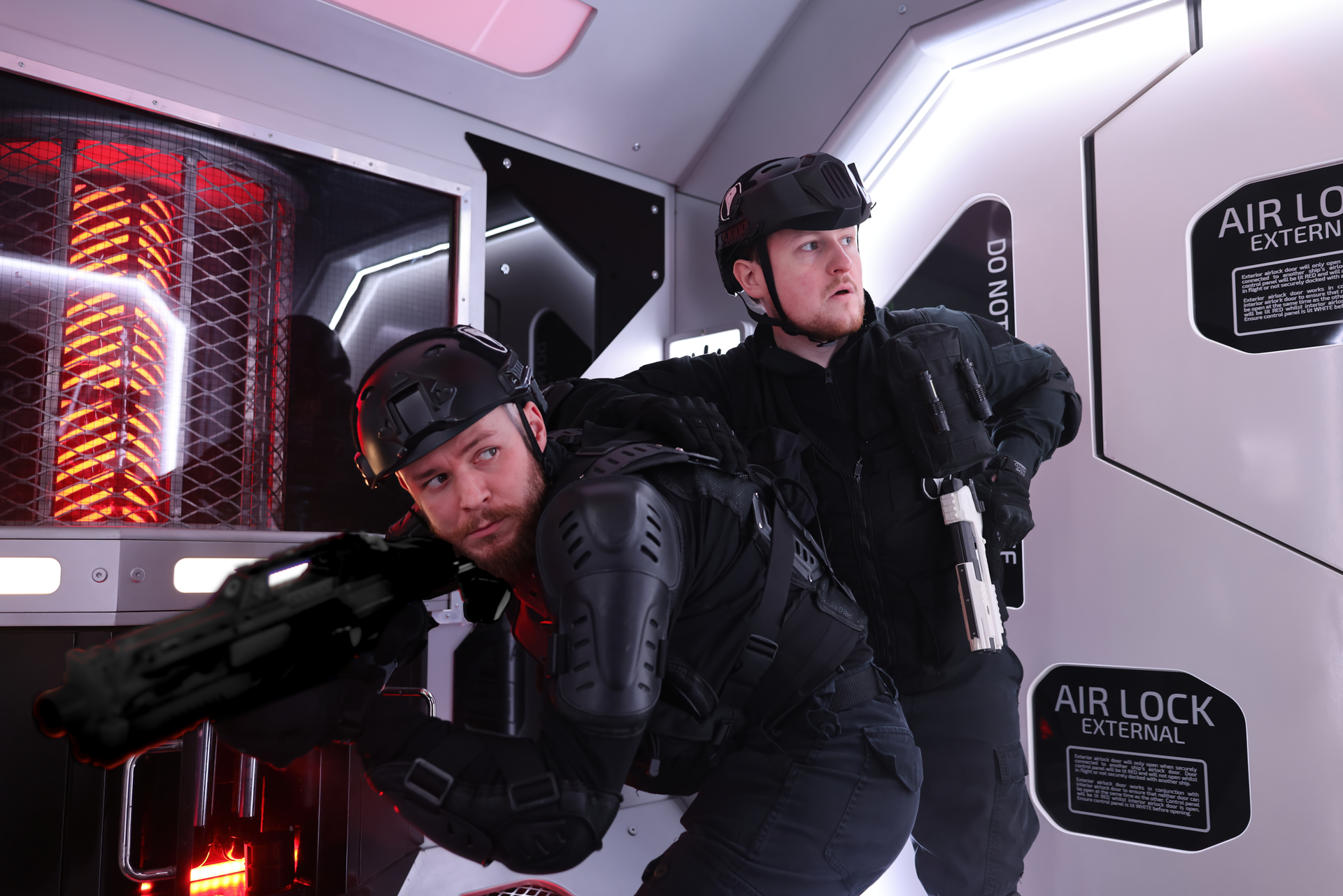
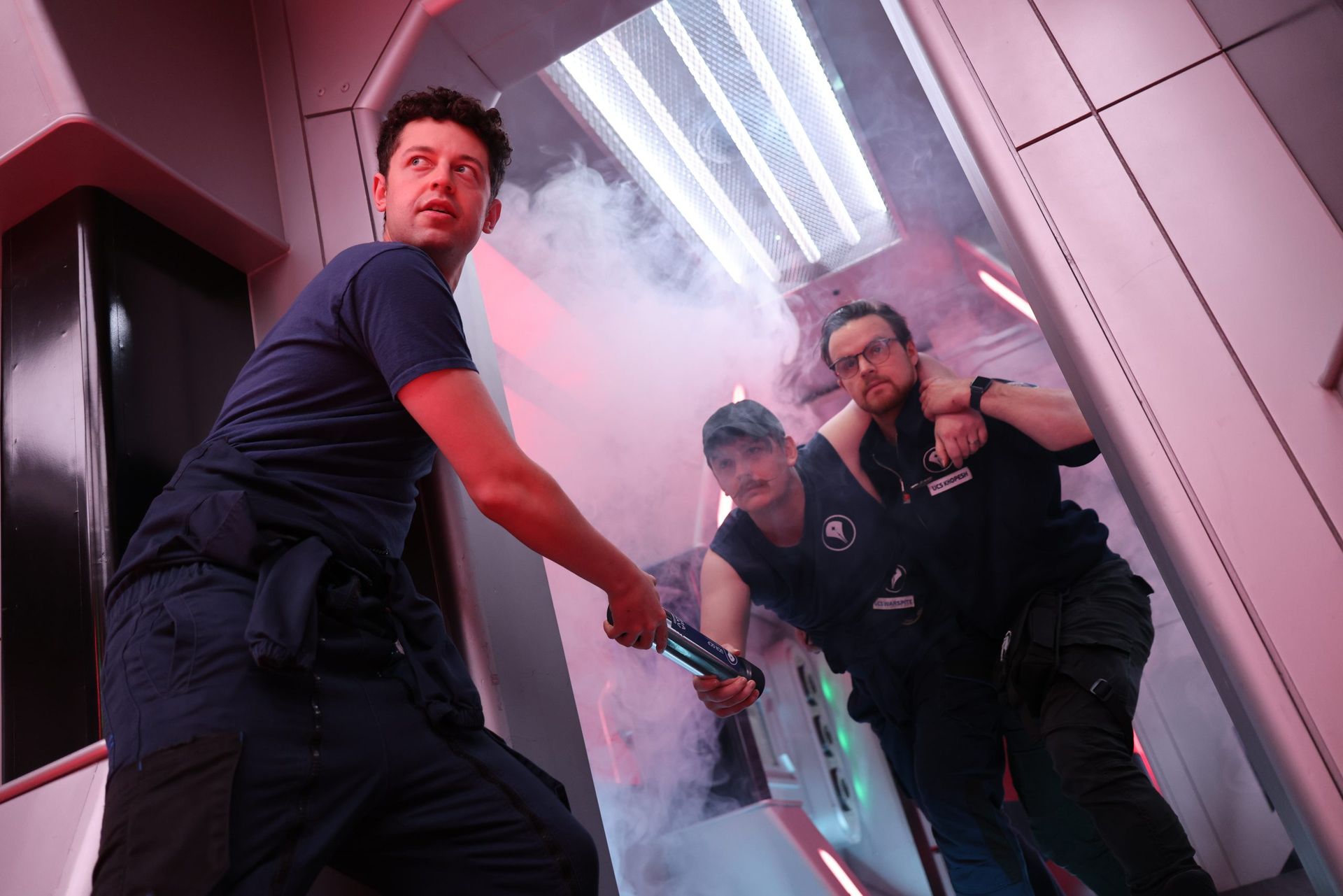
Bridge Command (review) taps into that same ‘real life video game’ feeling, but through a very different kind of experience. It’s a fully interactive starship simulation where you and your group are the crew. One person handles helm control, another engineering, communications, weapons, etc. while alarms start firing off around the bridge and decisions need making immediately.
It’s basically Star Trek. But not in the sense of “look, it’s a replica set.” No… you are responsible for what’s happening. If communication breaks down, things start going wrong. If somebody misses something important, everybody feels the consequences. When your ship is hit with a photon torpedo, actual smoke comes out of the consoles! It’s all linked together like a computer game, because that’s exactly what it is, just played through the most advanced controller you’ve ever seen and with actors making it feel completely real.
And maybe that’s the thing tying all of these experiences together. Beyond the technology, beyond the spectacle, immersive experiences give us permission to play.
At the Paradox Museum, people climb, pose, experiment, and throw themselves into illusions. In Phantom Peak, grown adults (and children) race around solving missions and chasing storylines. In Bridge Command, strangers become a functioning starship crew within minutes, shouting instructions across the bridge while trying to keep their ship alive. Even in exhibitions like Cleopatra, The Vikings, or Mundo Pixar, audiences are encouraged to explore, interact, discover, and physically step inside worlds rather than simply observe them from a distance.
All of these experiences allow children and adults alike to pretend, explore, laugh, investigate, and momentarily let go of reality. In lives increasingly dominated by work, stress, screens, and passive consumption, there’s something strangely liberating about being encouraged to physically participate in a world rather than simply observe it.
Coming back to Punchdrunk again, Felix Barrett spoke about how different audience members naturally engage in different ways. Some people follow characters obsessively. Others explore environments. Others prefer to stand back and absorb the atmosphere. The strongest immersive experiences leave room for all of those approaches, but crucially, they give audiences agency. Even if that agency is simply choosing where to look, where to walk, or how deeply to engage.
That’s why this whole space has exploded in recent years. Because what we can access at home has never been better. Streaming platforms are full of incredible storytelling, cinema screens are enormous. Television production values are extraordinary. Live entertainment increasingly has to offer something else. Not just something you watch, but something you are part of.
Hence the word “immersive” is being used to cover such a huge range of experiences, from exhibitions to interactive theatre to experiential museums. The definitions are becoming fuzzier because creators across completely different mediums are all responding to the same audience desire: the desire to step inside things rather than simply look at them.
But there’s also a fragility to all of this. These experiences can be expensive to build, maintain, staff, and keep fresh. Wonderful productions like Elvis Evolution and Jeff Wayne’s The War of the Worlds: The Immersive Experience from Layered Reality showed just how ambitious the sector has become, blending actors, sets, projection, sound design, VR, and physical environments into experiences that simply couldn’t have existed at this scale a decade ago. But that ambition comes with enormous financial pressure too, and the recent collapse of Layered Reality is a reminder that immersive entertainment still exists in a fairly precarious space despite its growing popularity.
And honestly, it boggles my mind to think where this could all go next. We already have the ability to walk through the Titanic in virtual reality, stand beneath Vesuvius as Pompeii collapses around us, or watch figures like Cleopatra and Alexander the Great brought to life through projection, VR, and digital trickery.
As the technology improves, and especially as ‘AI’ becomes part of the mix, it’s hard not to imagine future exhibitions where audiences can actively converse with historical figures themselves. Not just watching a hologram of Cleopatra, but asking her questions, hearing responses. Exploring history through interaction rather than observation.
Just think what that will do for people’s relationship with the past, especially for children growing up with this technology.
Once you’ve experienced storytelling that surrounds you, reacts to you, or places you physically inside the world itself, it changes your relationship with the story, it changes your relationship with entertainment as a whole.
Looking, on its own, starts to feel inadequate.
Paradox Museum London is open year-round in Knightsbridge
Tickets and information: paradoxmuseum.com
Cleopatra: The Experience is currently running at Immerse LDN at Excel London Waterfront until 12 July 2026.
Tickets and information: cleopatraexperience.co.uk
Le Chat Noir is currently booking in London until July 2026.
Tickets and information: chatnoirlondon.com
Vikings: The Immersive Experience is currently booking until end of August 2026.
Tickets and information: vikings-immersive.co.uk
Phantom Peak is set to reopen later this year in Westfield Stratford City.
Tickets and updates: phantompeak.com
Bridge Command is currently running interactive starship missions in London, booking until end of August 2026.
Tickets and information: bridgecommand.space
Mundo Pixar is currently booking in Wembley Park until 28 June 2026.
Tickets and information: mundopixar.com
Words Nick Barr