Recent statistics show that over a third of Gen Z now spend more than four hours a day on social media. Most of this is spent on video platforms, while just 9% of Gen Z use traditional news websites, and other forms of traditional media have seen declining popularity.
Source: https://www.pexels.com/search/gen%20z%20leisure/
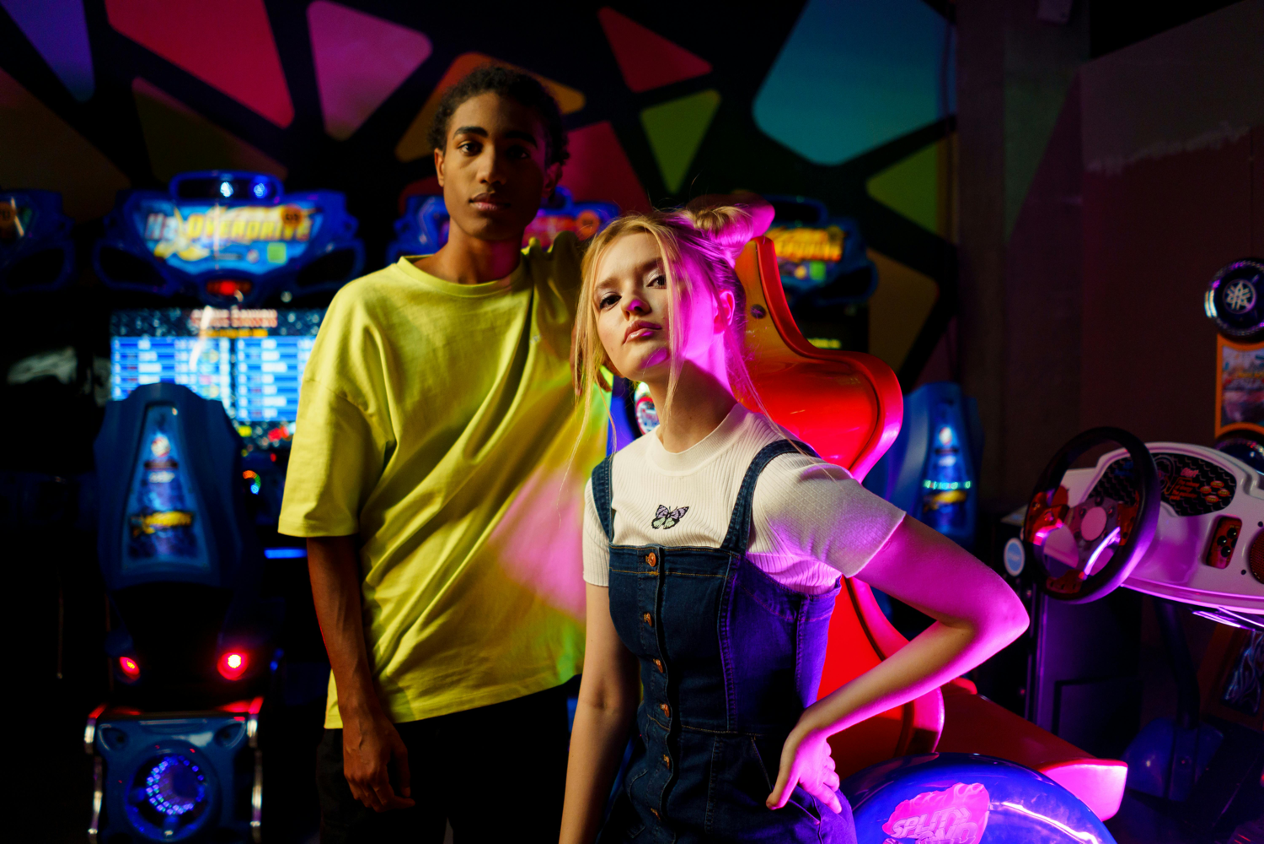
Gen Z, colloquially referred to as Zoomers, are those born between 1997 and 2012. They’re the first generation to grow up as “digital natives”, whereby they’ve never lived in a world without internet and the pervasive presence of social media. This has perhaps contributed towards the shifting attitudes towards “high volatility” leisure.
The rise in popularity of high volatility leisure has undoubtedly had an impact on traditional forms of media. Going forward, will the traditional entertainment industry organisations adapt, and will future generations see a continued shift?
The Rise of High Volatility Leisure
High volatility leisure is any form of entertainment that focuses on short, intense bursts of engagement. It’s often available on mobile devices and allows users to interact with it, improving engagement. Examples include short-form video content on social media and mobile games.
In recent years, Gen Z habits have shown a growing trend of rejecting traditional forms of media in favour of digital content. This has led to a decline in traditional media, including TV, cinema and reading. In the UK, Gen Z now watch an average of just 20 minutes of live TV each day. 48% of young audiences tuned in to TV in 2023, compared to 76% in 2018.
For a while now, there’s been growing evidence that video-on-demand services like YouTube and Netflix have begun to replace traditional TV. However, Gen Z are increasingly preferring high volatility content. Rather than watching a TV series or documentary, they’re now more likely to watch short clips and videos on social media.
In 2026, data shows that 43% of Gen Z watch two or more hours a day on video-sharing platforms, with 21% watching more than 4 hours a day. Comedy and memes make up the majority of entertainment content, with 67% enjoying this form of media. This is compared to 44% who watch educational and how-to content and 41% who consume news content.
Interestingly, there are also gaps between how Gen Z genders interact with media online. Male users are significantly more likely to watch video-sharing platforms daily. On the other hand, females are more likely to be extreme social media users, with much higher upper limits on usage time.
Why Gen Z Prefers High Volatility Content
There are a lot of reasons why Gen Z has shifted towards high volatility and short-form media content. It’s partly down to the increasing availability of this type of content, but also thanks to it being easier, more convenient and in many cases, more fun.
Mobile-Focused
A lot of modern media content is designed with mobile users in mind. Considering 98% of Gen Z own a smartphone and 75% use it as their preferred device, it makes sense that this would be a major factor in their media consumption habits.
Gen Z users expect experiences that are visually stimulating while also being responsive and easy to access on mobile devices. Brands and platforms such as Megaways Casino have responded by creating mobile-optimised environments. These are typically designed to be fast-loading while offering high-engagement sessions that can be enjoyed within a short break or commute.
Aside from quick loading times, many mobile-focused platforms offer vertical videos and interfaces that are designed to be “swipeable”. Users can easily swipe through content to find what they like the most.
Interactive Content
A lot of high-volatility content is also designed to be interactive, giving users a chance to participate rather than just watch and consume. For example, live streams that feature chats. Viewers can chat with each other, share jokes and interact with the streamer as they’re watching. This creates more opportunities for users to participate in the media they enjoy.
Of course, social media platforms are also built around user-generated content. Many of those in Gen Z don’t just consume content; they also create it. Whether it’s video blogging about their day, creating memes or just commenting on other posts, this provides something that traditional media can’t compare to.
Algorithmic Suggestions
Most social media platforms use complex algorithms to study user habits and recommend content they may enjoy. These recommendations and suggestions are based on content that the user and their friends have previously interacted with. The personalised experience is part of what makes high volatility media so appealing.
Rather than simply consuming the same content as everyone else, Gen Z users’ social media pages are tailored to them. These suggestions can be surprisingly accurate and give users a far better experience compared to traditional media. What’s more, the algorithms are designed to suggest high-volatility content that can be rapidly consumed, allowing users to quickly watch a much higher volume of content with fewer breaks.
What This Shift Means for the Future of Entertainment
This shift in viewing and media consumption habits from Gen Z has forced traditional media companies to adapt. Many platforms and organisations, including those in the traditional entertainment industry, are now experimenting with shorter, more engaging content.
With Gen Z increasingly turning their back on TV and cinema in favour of on-demand streaming and social media, it’s clear that adaptations are needed. However, some have raised concerns about the potential impacts that high-volatility leisure can have. Could watching such short, easily digestible content have an effect on attention spans and cognitive function?
Studies have shown that not only does social impact mental health, but it can also significantly affect attention spans, training the brain to crave rapid stimulation. If the entertainment industry does lean into this trend, it could have far-reaching effects on society as a whole.
Ultimately, it’s likely that there will always be a demand for regular, long-form content. Although films and television affected book sales, reading remains a popular hobby today. However, many in the entertainment industry will no doubt have to adapt to the habits of Gen Z and future generations.