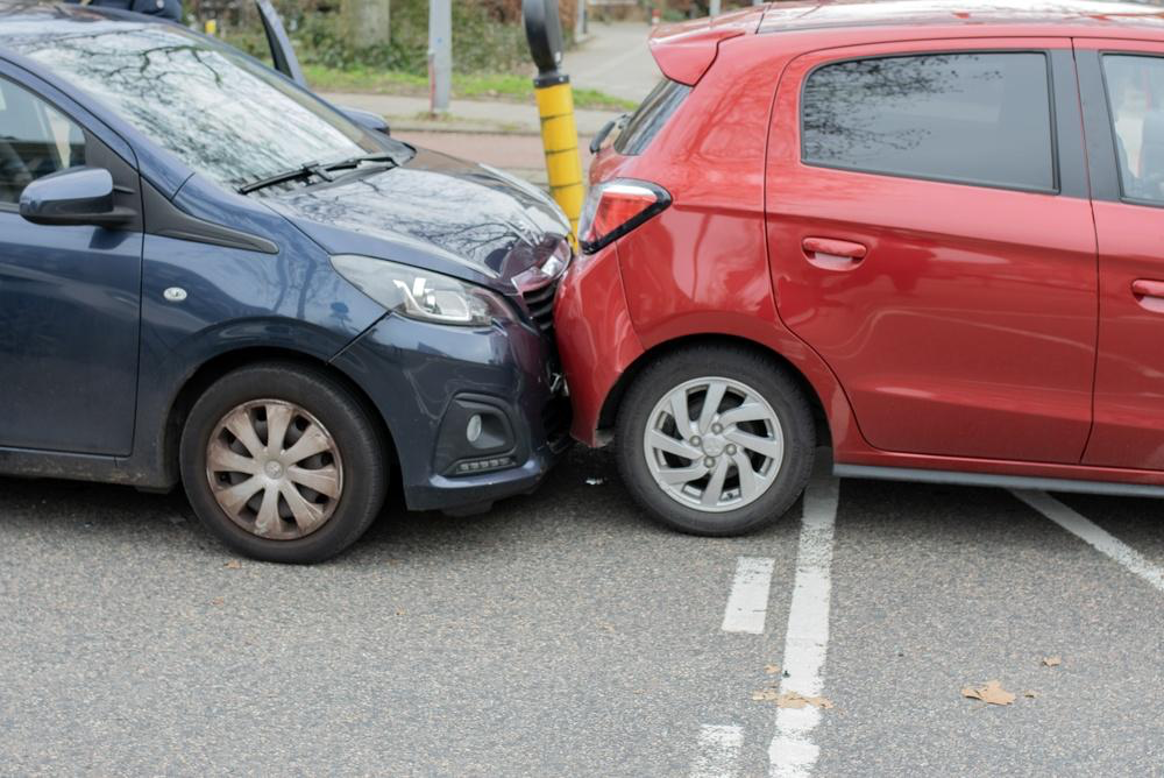
Rear-end crashes are treated like routine traffic problems everywhere. A damaged bumper, a quick insurance call, and a few days of soreness are what most people expect after one. Reality does not always move that neatly. Some drivers walk away from a crash feeling fine, only to deal with neck pain, medical visits, and insurance pressure later. The legal side becomes stressful because small details start carrying real weight. A delayed doctor visit or a rushed statement can affect a claim in ways people never expected.
A rear-end collision may look simple from the outside, but insurance disputes often begin long before medical recovery even starts. People are sometimes pushed into quick conversations and early settlement discussions before fully understanding how badly they are hurt. That confusion is one reason many victims later start searching for a lawyer for rear-end accident cases after realizing how difficult the process can become. That quiet pressure behind these accidents deserves far more attention than it usually gets.
Why Rear-End Accident Claims Become More Complicated Than Expected
Injuries Are Not Always Immediately Visible
A rear-end crash can look small from the outside while leaving a strong impact on the body. Soft tissue injuries, back pain, and headaches often take time before symptoms fully appear. Many people continue working because they assume the discomfort will fade naturally. A few days later, the pain becomes harder to ignore, and medical treatment starts becoming necessary.
Insurance companies often pay close attention to the gap between the accident and treatment. They may argue that the injuries were unrelated or not serious enough to deserve compensation. That can place victims in a difficult position while proving that the accident caused the problem. Medical records and clear documentation usually become important pieces of the case.
The process also becomes confusing because rear-end accidents are often labeled as simple claims. Drivers expect the insurance company to handle things fairly and quickly. Instead, many people find themselves repeating the same details and feeling pressured to settle early.
Insurance Companies Often Try to Minimize Claims
Insurance companies are businesses first, and many claims are handled with that mindset from the beginning. Quick settlement offers are common after rear-end accidents because insurers know some drivers are worried about bills, missed work, or repair costs. The offer may sound reasonable during the first phone call, especially when the medical impact of the crash is still unclear.
Another issue appears in recorded statements. Adjusters may ask questions in a calm and friendly way, but the conversation can later be used to challenge the seriousness of an injury. A simple sentence about “feeling okay” on the first day may become part of an argument against future medical treatment.
Insurance companies also tend to question injuries that cannot easily be seen on scans or photographs. Neck strain, muscle pain, and ongoing headaches are sometimes treated as minor complaints even though they can affect sleep and daily movement for months after a car accident, making even simple daily activities feel exhausting and uncomfortable for many people.
The Small Mistakes That Can Affect a Rear-End Accident Case
Lack of Evidence Can Weaken a Claim
Rear-end accident cases often depend on details collected during the first hours and days after the crash. Missing evidence can create problems later, even in accidents where fault seems obvious at first. Photos of vehicle damage and visible injuries can help support the story of what happened. Witness statements may also become valuable if insurance companies begin disputing parts of the claim.
Medical records are equally important because they show how the injury developed over time. Skipping appointments or stopping treatment too early may create the impression that the injuries were never serious. That can reduce the value of a claim, even when the pain continues in everyday life.
Early Decisions Can Impact Long-Term Compensation
Many drivers want the situation resolved as quickly as possible, which is understandable after an accident disrupts work and finances. Still, rushing through decisions can create larger problems later. Accepting a settlement before understanding the full medical condition may leave people paying future expenses on their own.
Social media can also become an unexpected issue. A harmless photo or short update may be taken out of context and used to question an injury claim.
Legal guidance is often more useful earlier in the process rather than later, especially in claims involving medical treatment or disputed damages. A lawyer for rear-end accident cases may help people avoid mistakes that quietly weaken claims before negotiations even begin.
Looking Beyond the Damage
Rear-end accidents are usually discussed as traffic problems with simple solutions, yet the legal side tells a very different story. Delayed injuries, insurance pressure, missing evidence, and rushed decisions can all shape the outcome of a claim in serious ways. Paying attention to the legal details early often makes a meaningful difference because even a crash that appears minor at first can carry financial and physical consequences that last far longer than expected.