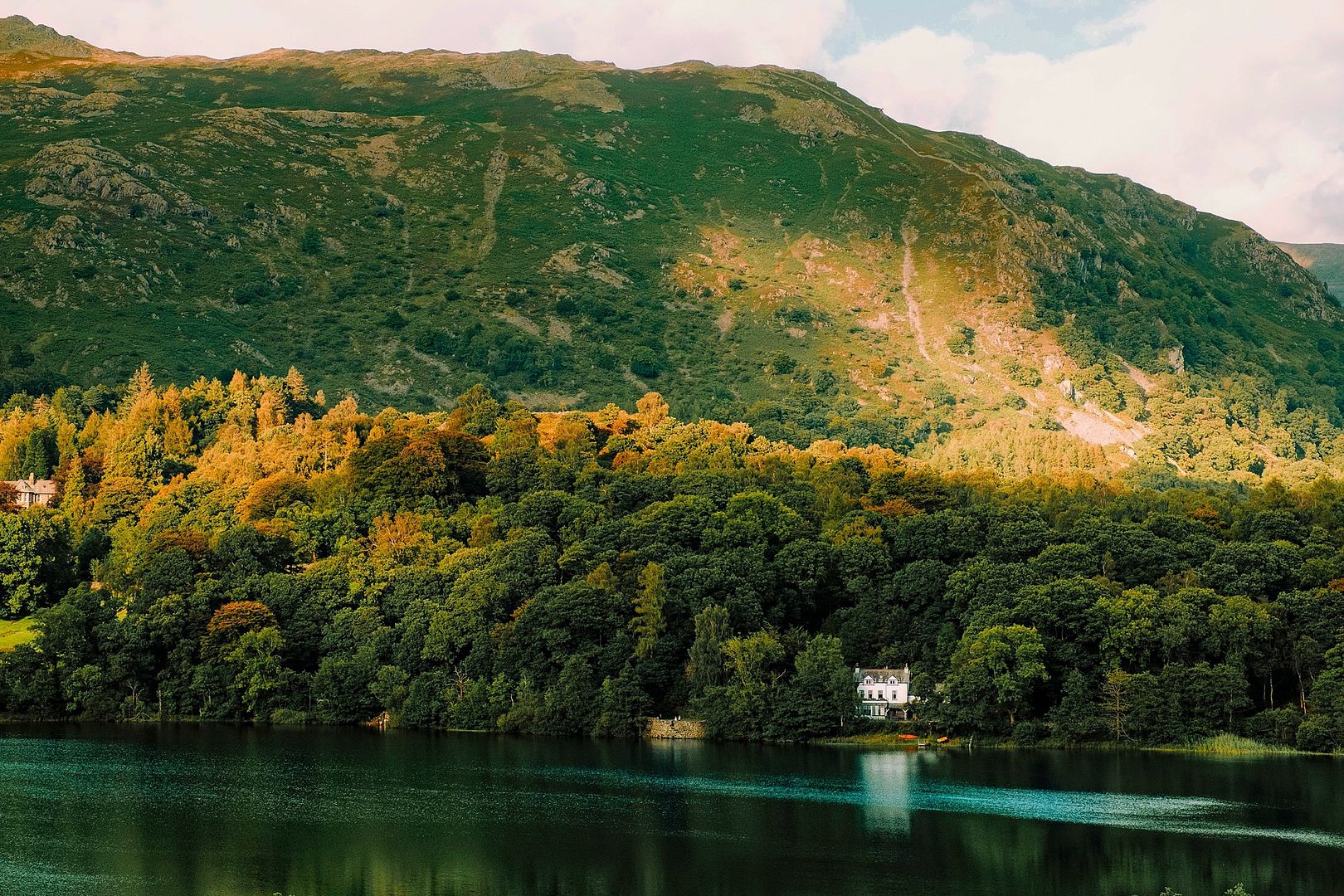
The UK is full of places where the accommodation ends up being just as memorable as the destination itself. A few nights in a stone cottage near the Northumberland coast feels very different from waking up in a treehouse above a Highland forest or spending a week moving at walking pace along a canal. These getaways are often less about ticking off attractions and more about settling into a place for a few days.
Across England, Scotland, and Wales, smaller stays continue to attract people who would rather swap hotel corridors for footpaths, village pubs, and scenery that changes with the weather.
Boutique Dog-Friendly Cottages Across the UK
Travelling with a dog often changes the way people explore the country. Instead of city-centre hotels, many end up in villages, coastal communities, and rural areas where long walks start directly from the front door. Around Bamburgh, for example, dogs can run across the broad stretch of sand below the castle while owners follow the shoreline towards Seahouses. On the Norfolk coast, paths weave through Holkham’s pinewoods and dunes before reaching Wells-next-the-Sea and its colourful row of beach huts.
Some of the most handpicked dog-friendly holiday cottages focus on practical details that make a real difference during a stay. Enclosed gardens, nearby footpaths, dog-friendly pubs, and easy access to open countryside often matter far more than luxury extras. In areas such as the Lake District, cottages around Grasmere, Hawkshead, and Coniston place walkers within minutes of well-used trails, while properties in the Yorkshire Dales provide straightforward access to routes around Malham Cove, Janet’s Foss, and the limestone scenery that draws hikers throughout the year.
The freedom to spend the day outdoors without constantly checking restrictions remains part of the appeal. Market towns such as Ludlow, Bakewell, and Helmsley tend to be particularly accommodating, with many cafés keeping water bowls outside and shop owners rarely surprised when a dog wanders through the doorway.
Charming Coastal Cabins in Cornwall
Cabins have become increasingly common across Cornwall, especially in locations where traditional hotels are scarce. Along the north coast, around Mawgan Porth and Perranporth, timber cabins sit above beaches where surfers are often in the water before breakfast. The South West Coast Path passes many of these properties, making it easy to spend half a day walking between coves without ever getting back in the car.
Near St Ives, cabin stays provide a useful alternative to the town’s often expensive accommodation. The steep streets around Fore Street and Fish Street are usually busy by late morning, particularly during summer, but the atmosphere changes quickly once you leave the centre. A short walk towards Porthmeor Beach or out to The Island gives a wider view across the bay and often feels noticeably quieter.
The Helford area presents a different side of Cornwall altogether. Around Helford Passage, wooded riverbanks replace busy promenades and amusement arcades. Small ferries still shuttle passengers across the river, while footpaths disappear into ancient woodland above the shoreline. Even during peak season, it rarely feels as crowded as better-known parts of the county.
Scenic Narrowboat Holidays from Chirk Base
Travelling by narrowboat slows everything down. Distances that would take minutes by car can occupy most of the day, but that slower pace is exactly why many people enjoy it. Chirk has become one of the most popular starting points on the Llangollen Canal because several of the route’s best-known landmarks are reached within the first few hours.
People looking for premier Llangollen canal boat hire often choose Chirk for its easy access to two remarkable pieces of canal engineering. Almost immediately after leaving the marina, boats cross Chirk Aqueduct before entering Chirk Tunnel. A little further on lies Pontcysyllte Aqueduct, the structure most visitors associate with the canal. Suspended high above the River Dee, the crossing still feels surprisingly exposed, particularly for first-time boaters standing on deck while water stretches away on one side and open air on the other.
Back on solid ground, Chirk Castle deserves a few hours if time allows. The gardens are extensive, and on clear days there are wide views across the Ceiriog Valley. The town itself remains compact, with independent shops, cafés, and local businesses clustered around the centre.
Hidden Treehouse Retreats in the Scottish Highlands
Treehouses are no longer unusual in the Highlands, but many are still built in places that feel genuinely remote. Around Fort Augustus, properties tucked into woodland overlook sections of the Caledonian Canal and sit within easy reach of Loch Ness. Early mornings tend to be particularly quiet here, apart from the occasional cyclist using the towpath or boats moving through the canal locks.
The Cairngorms have become another popular location for elevated accommodation. Near Aviemore, treehouses are often surrounded by Scots pine forests, with walking trails beginning almost immediately outside. Rothiemurchus remains one of the area’s most popular outdoor spaces, and sightings of red squirrels are common enough that many accommodation providers leave nuts nearby.
On the west coast, around Plockton and Loch Carron, treehouse stays combine woodland with sea views. Plockton’s waterfront is lined with cottages facing the bay, and during summer, visitors often gather along the harbour wall to watch for seals. Boat trips run when conditions permit, although weather still dictates schedules here more than timetables do.
Historic Eco-Lodges in the Heart of Wales
Mid Wales rarely receives the same attention as Snowdonia or Pembrokeshire, which is partly why many people enjoy spending time there. The roads are quieter, accommodation tends to be smaller in scale, and large stretches of countryside remain largely unchanged.
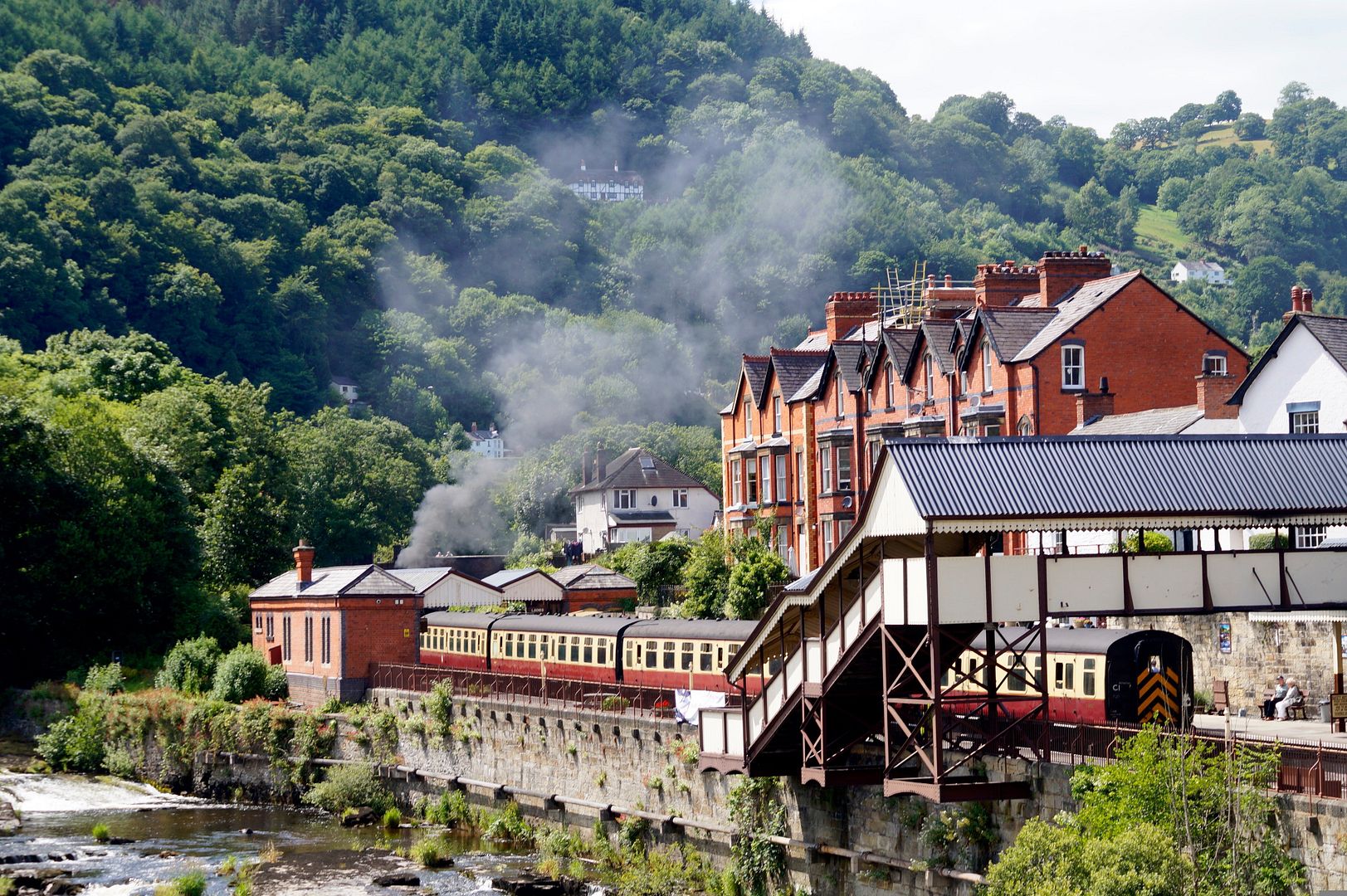
Around the Elan Valley, eco-lodges have appeared in locations overlooking reservoirs, rivers, and open hillsides. The visitor centre provides useful context before exploring the valley itself, particularly for anyone interested in the engineering behind the Victorian dams. Roads loop past Craig Goch, Pen y Garreg, and Garreg Ddu, where walking routes often remain surprisingly uncrowded, even during school holidays.
Further south, Machynlleth combines independent businesses, galleries, and Welsh history within a relatively compact town centre. The clock tower remains the focal point of the high street, while nearby roads lead towards the Dyfi Biosphere. Wetlands, woodland, estuary landscapes, and mountain scenery all sit within a relatively small area. It is the sort of place where a planned two-night stay can quietly become three or more.
Ready to book your next UK adventure?
Some of the most enjoyable UK breaks come from choosing somewhere that feels connected to its surroundings. A cottage near Bamburgh means early walks on the beach before day-trippers arrive. A Cornish cabin puts the coast path on the doorstep. A narrowboat journey turns the route itself into part of the holiday, while Highland treehouses and Welsh eco-lodges provide an excuse to spend more time outdoors than indoors. None of these trips requires flights or complicated planning. In many cases, they’re only a few hours away by car or train, which is part of the appeal.