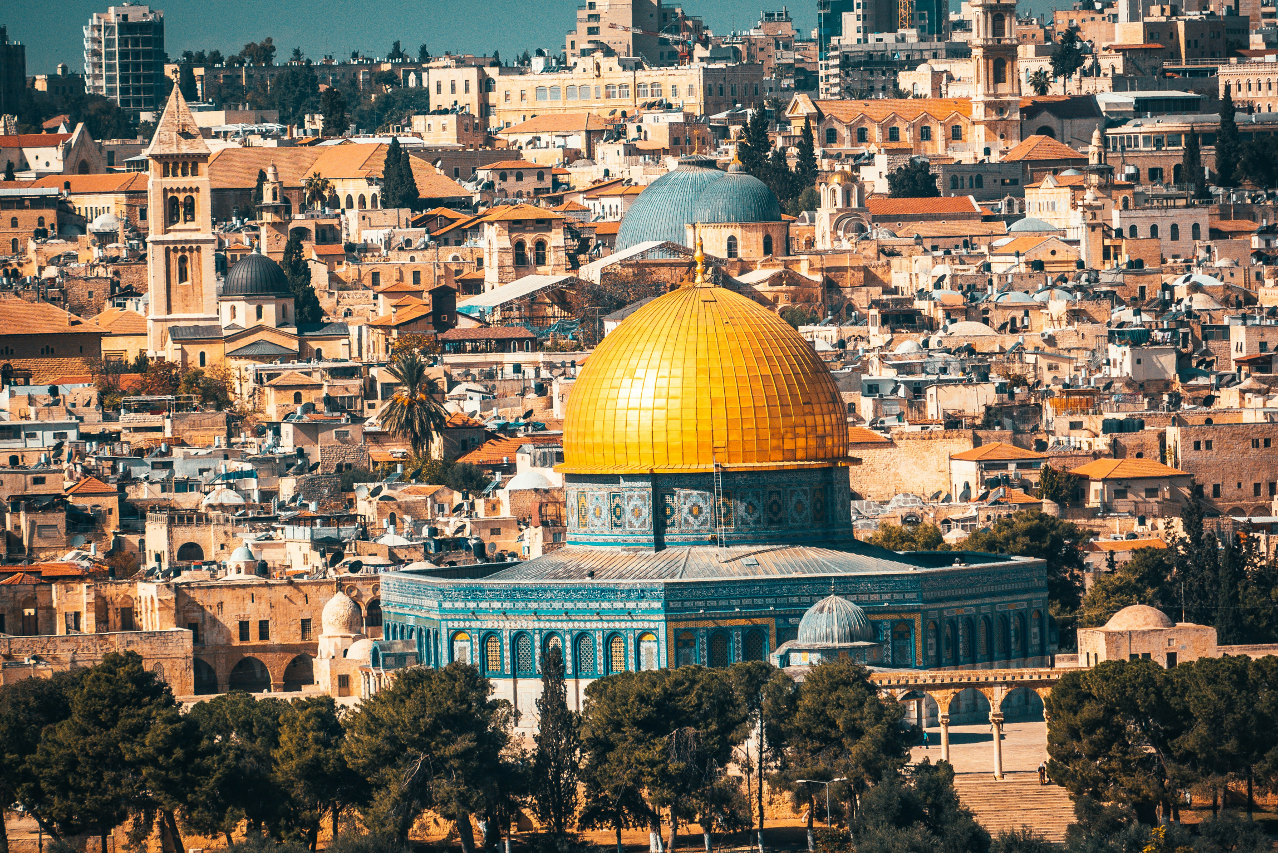
The Temple Mount – the golden Dome of the Rock mosque in the old city of Jerusalem, Israel (unsplash.com)
Jerusalem is easy to misread. At first glance, it looks like a city of headline sights. You can technically see several of them in one busy day, take the photos, and leave with a full camera roll. Yet that is not the same as knowing the place.
The better approach is slower. Leave space for a wrong turn in a limestone alley, a long lunch, the sound of a shop shutter coming down before Shabbat, and the realisation that one street can hold several histories at once. The most rewarding things to do in Jerusalem are not always the loudest ones.
Start with the Old City, but do not treat it like a checklist
Jerusalem’s Old City matters deeply to Judaism, Christianity and Islam, and UNESCO lists the Old City and its walls as World Heritage. That context is precisely why a rushed “top ten” circuit tends to flatten the experience. Choose one route, then allow it to breathe. Enter at Jaffa Gate in the morning, visit one major religious or historical site, pause for coffee, and spend the rest of the time walking without trying to collect every landmark. The lanes are narrow and the stone underfoot is uneven. Comfortable shoes are less glamorous than a perfect outfit, but they will matter more by 3 p.m.
Respect is practical here, not performative. Dress modestly where required, follow photography and security instructions, and do not assume that a place of worship operates like a standard visitor attraction. In a city shaped by living faith, etiquette is part of the visit.
Build each day around one strong anchor
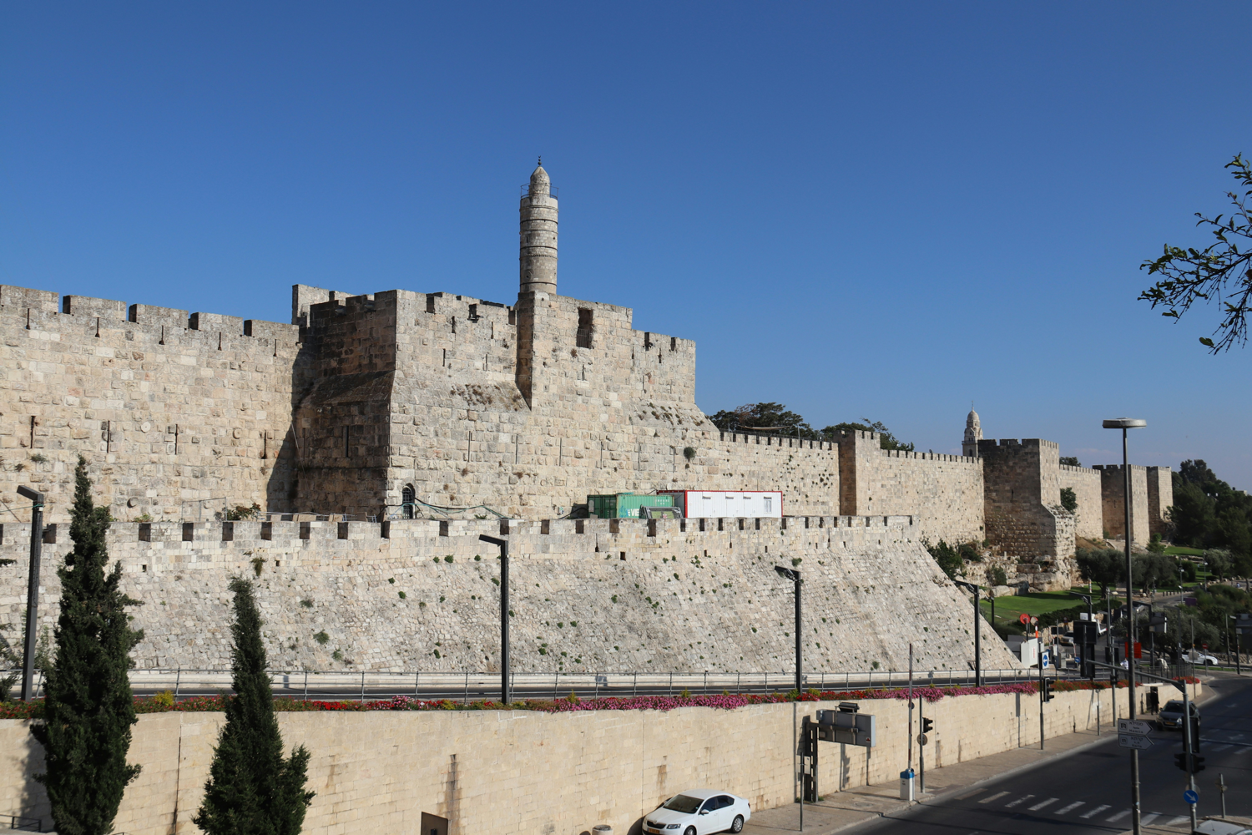
The Tower of David Jerusalem Museum (unsplash.com)
Jerusalem attractions make more sense when you pair one substantial visit with unplanned time nearby. Trying to fit a major museum, the Old City, a market, and a sunset viewpoint into one day is how a trip starts to feel like airport security with better scenery.
| Time of day | Strong anchor | A useful way to pace it |
| Morning | Tower of David Jerusalem Museum | Start near Jaffa Gate, then explore the Old City with a little historical context. |
| Afternoon | Israel Museum or Yad Vashem | Pick one. Both deserve attention; treating them as a quick stop does neither justice. |
| Evening | Mahane Yehuda Market | Go for a simple tasting crawl rather than a single oversized meal. |
The Tower of David Jerusalem Museum is a good early stop. Its permanent exhibition combines archaeological material with interactive presentations, while its observation point looks across the city. It is not just a convenient site by Jaffa Gate; it gives the streets beyond it more depth. The Israel Museum, the Shrine of the Book and its Dead Sea Scrolls can easily turn a quick visit into a longer one. The museum’s wider collection also spans art, archaeology, and Jewish art and culture, so leave enough time to follow what genuinely interests you. Yad Vashem needs a different pace. This is a memorial and educational institution dealing with the Holocaust; plan it as the main event of the day, not as an add-on before dinner. Give yourself time afterwards to sit somewhere quiet or take a slow walk. That buffer is not lost time.
Eat where the city changes gear
Mahane Yehuda Market, widely known as the Shuk, is more than a produce market. It is a place for shopping, food, casual conversation, and, later in the day, restaurants and nightlife. Avoid turning it into a frantic food-selfie tour: choose three small things instead of one huge meal. Try a baked item, something savoury, and one drink or sweet dish. Then stop. A tasting crawl leaves room for the meal you will inevitably want later.
Return in the evening only after checking what is open. The market has a different rhythm after dark, but opening patterns vary by day, season, Jewish holidays, and local circumstances. The same warning applies to Shabbat: many bus services stop on Friday afternoon and resume on Saturday evening, so do not build a plan that depends on public transport at the last minute.
For a first visit, three full days are a practical minimum. Not because there is a fixed number of sights to tick off, but because the city asks you to switch gears. One day can focus on the Old City, another on museums and the modern centre, and a third on food, neighbourhood walks, or whatever you missed because you chose not to sprint.
A useful rule: schedule only two fixed commitments per day. Book a museum slot in the morning and dinner in the evening; keep the middle open. That spare time covers hills, queues, closed gates, an absorbing exhibit, or a café you did not know you needed. This is the difference between a rigid itinerary and a day that feels lived in.
Before you visit Jerusalem, check official travel advice for your own nationality, entry requirements, local security guidance, and the day-of status of roads and transport. Conditions can change quickly, and official advice specifically warns that travel disruption may occur.
A city that rewards attention
Jerusalem is not a destination to “complete”. Its best moments are often small: a baker sliding bread into a paper bag, a rooftop view after a steep stairway, or an hour in the Shuk when you have nowhere urgent to be. Come prepared, stay observant, and leave room for the city to contradict your expectations.
For a practical structure that balances major sites with breathing space, this three-day Jerusalem itinerary for first-timers is a useful starting point for shaping your own route.