Written by Ping Xue (Morena), Curator of The Shape Surrounding
Three months after The Shape Surrounding closed at Filet Space in Shoreditch, what remains is not a neat story but a working method. The exhibition became a small case study in how independent curating can hold difference in proximity, with care, and under pressure.
London does not give exhibitions much time to settle. One opening follows another, and conversation is often replaced by momentum. That pace can make curating feel like logistics. It is exactly why I have returned to The Shape Surrounding, three months after it ended. In the quiet afterwards, what matters is less the “event” and more the conditions that made it possible: shared labour, decisions made under constraint, and the kind of attention a small artist-led room can still ask for.
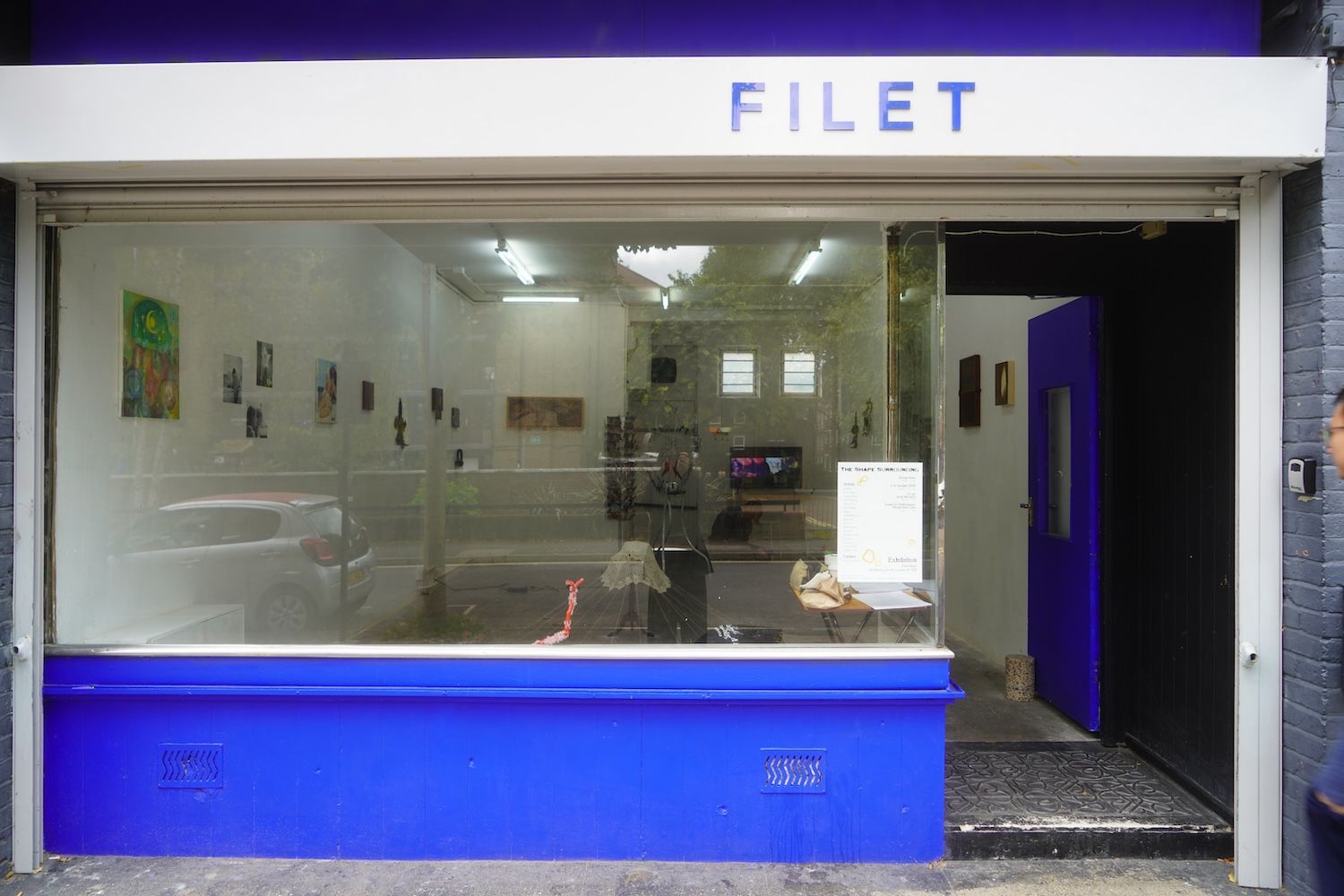
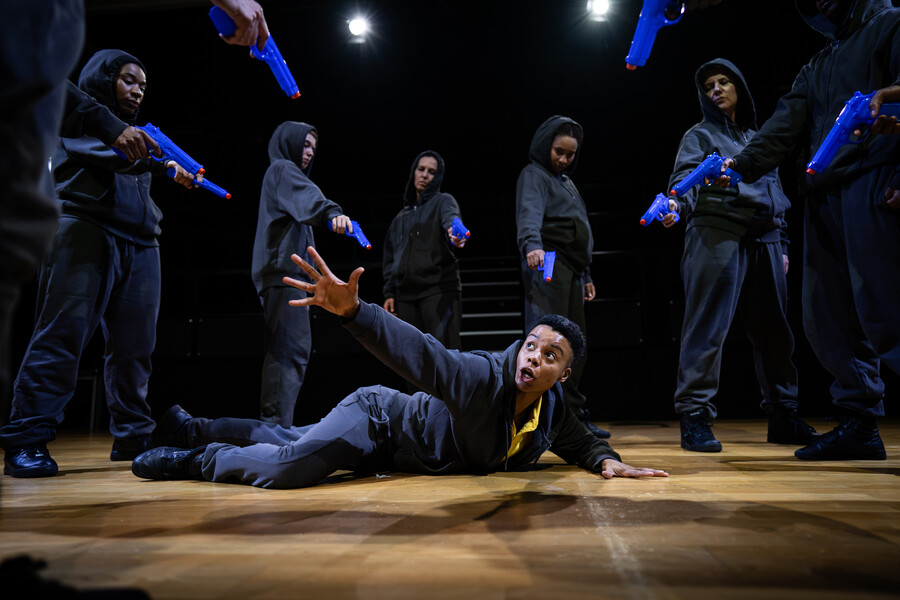
The Shape Surrounding was an independent group exhibition presented at Filet Space in Shoreditch, bringing together 17 artists working across painting, sculpture, moving image, sound and installation. The starting question was simple: what changes if “the surround” is treated not as background, but as an active field of relation? Not decoration, not context, but something that shapes how bodies enter, pause, and look.
The practical reality was also simple. The space was small, time was tight, and resources were finite. Yet limits can sharpen ethics. Rather than forcing a single thesis, I approached the room as a form of spatial writing, a way of arranging relations in sequence so that meaning could emerge through proximity and friction. This approach was informed by Chenxin Zhao’s phenomenological research, but the aim was not academic. It was to slow the gaze. To hold attention long enough for works to speak to each other, instead of being consumed one by one.
That decision mattered because the exhibition was built through shared stake rather than permission. In London, where artist-led spaces are easily displaced and independent work is often done on the edge of exhaustion, pooling resources became a way to claim time and space collectively. It was not only a financial arrangement. It was a communal commitment: a decision to make a room together, and to accept responsibility for how that room would hold others.
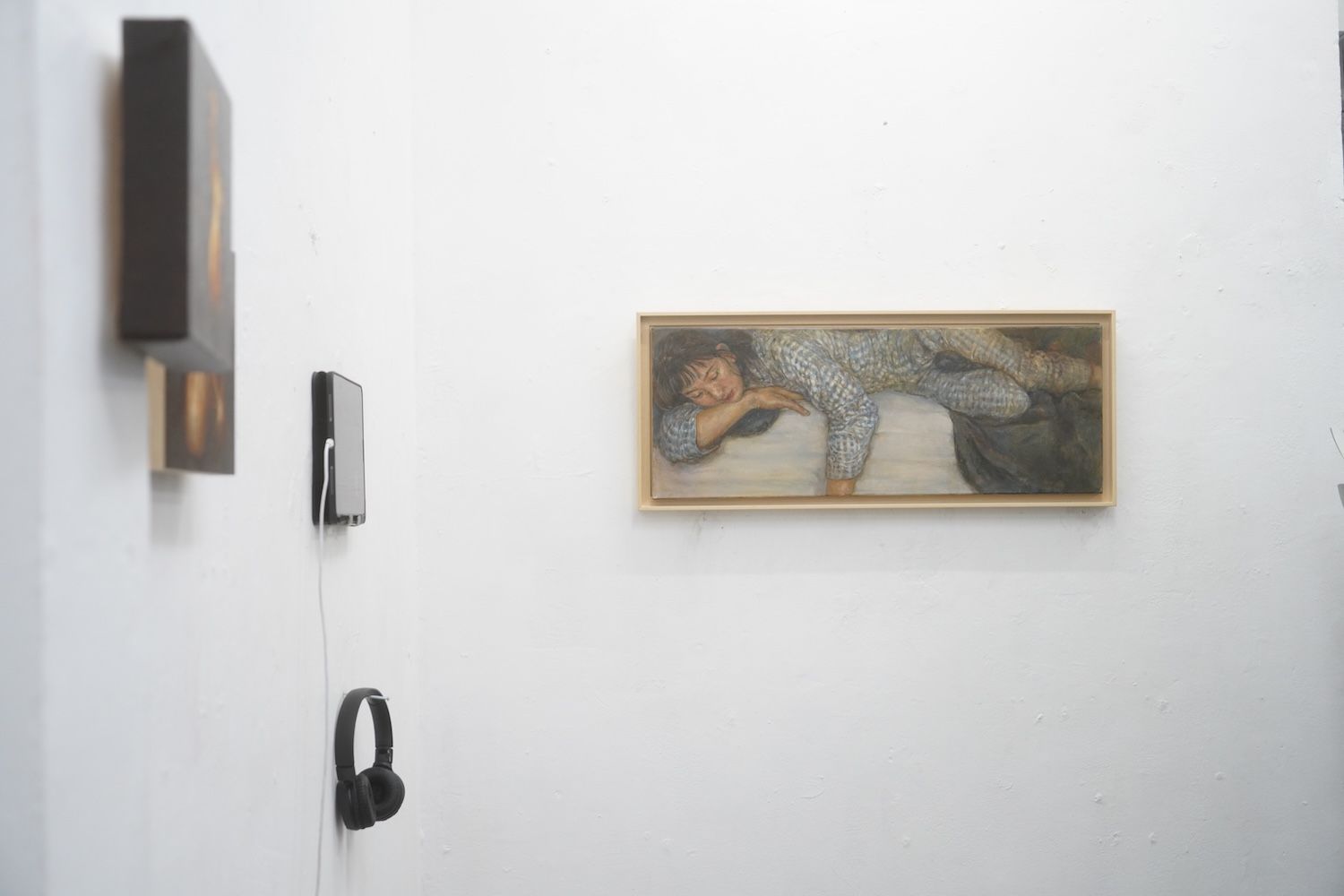
Material and memory travelled strongly through the exhibition. Shiang Her Liew’s A Gift, A Goodbye, made with her late grandmother’s pyjamas, carried an intimacy that was both personal and widely legible. Nearby, Yuyang Chen’s crochet forms in Again complicated tenderness and restraint. CJ James’s silver gelatin works held the architecture of remembered rooms. These pieces did not ask for a single reading. They changed the temperature of the space, and the pace of looking.
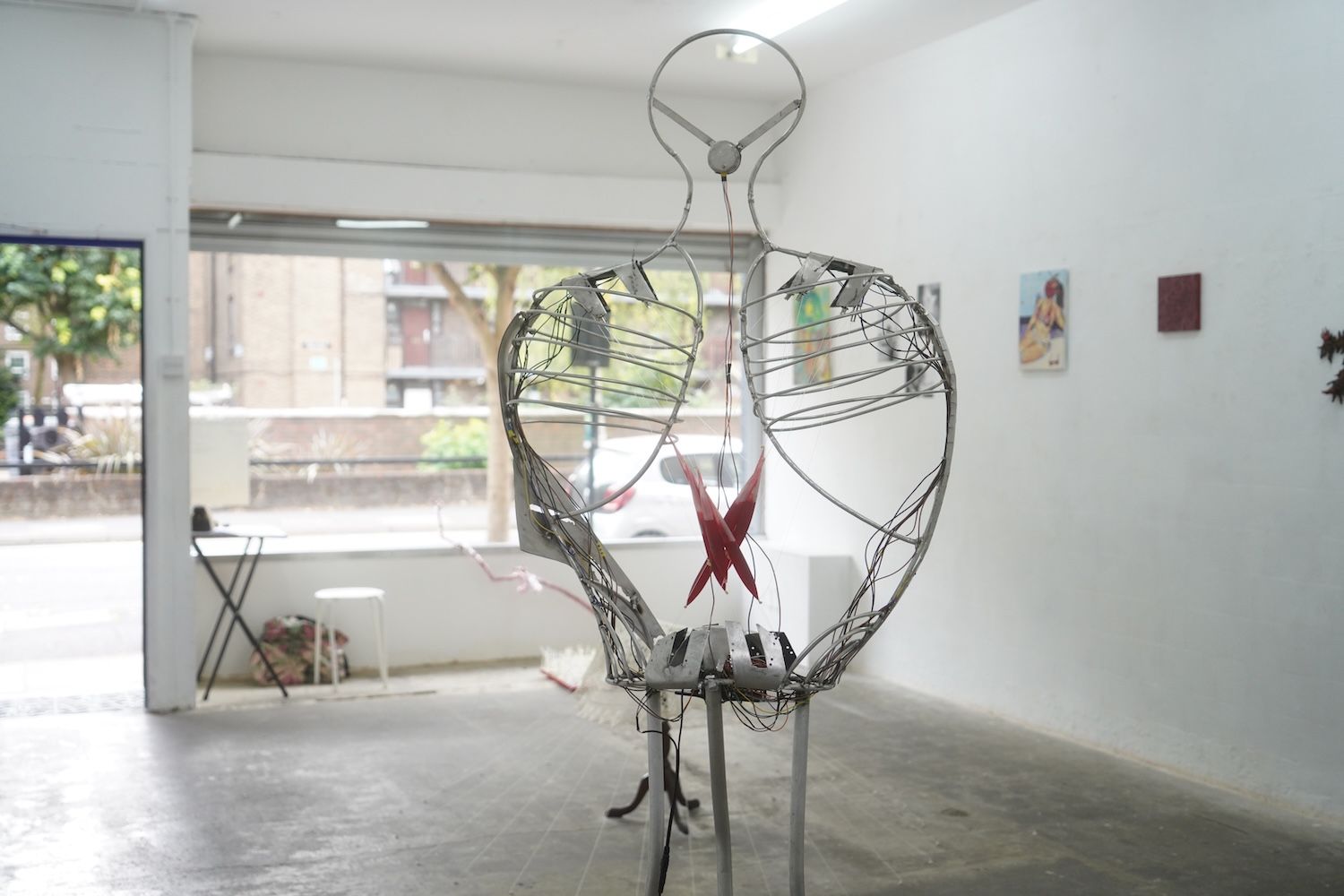
Elsewhere, the room tightened into systemic tension. Peige Li made instability tactile through works that responded to touch, turning the viewer’s presence into a condition of change. Hongru Zhang staged a skeletal pull through latex and steel. Xuran Guo’s blind drawing preserved desire as conflict, between control and surrender. In these encounters, looking was not neutral. It was a negotiation, sometimes even a risk.
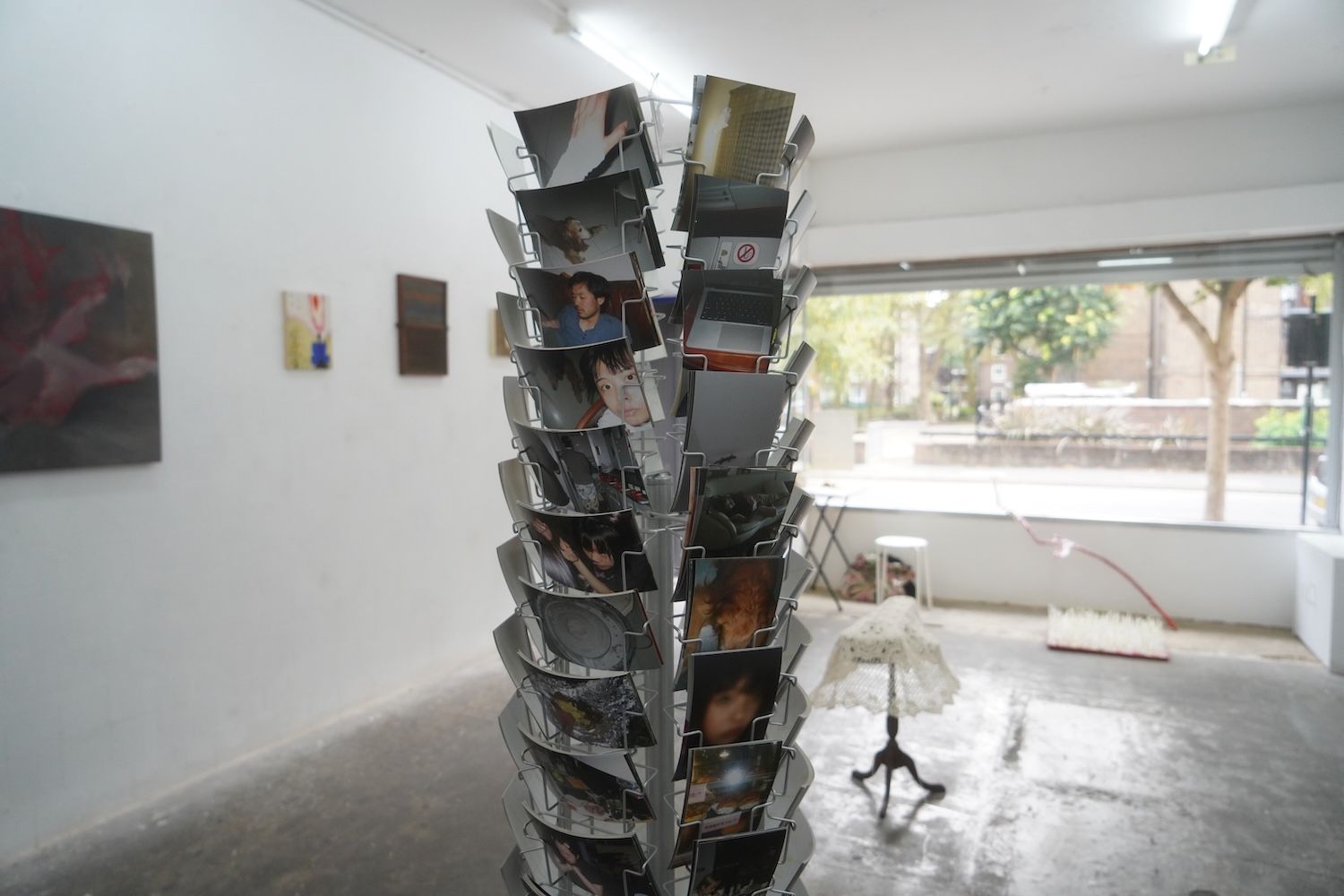
Questions of scale and attention ran quietly underneath. Enze Wang’s 20 x 20 cm oil paintings required a microscopic commitment, refusing speed. Zhuohan Yang’s A4 screens made precision feel insistent, like an instruction to slow down. Ruohong Chen extended private time into public record through a postcard archive that functioned as a gentle haunt. It did not explain itself. It asked to be witnessed.
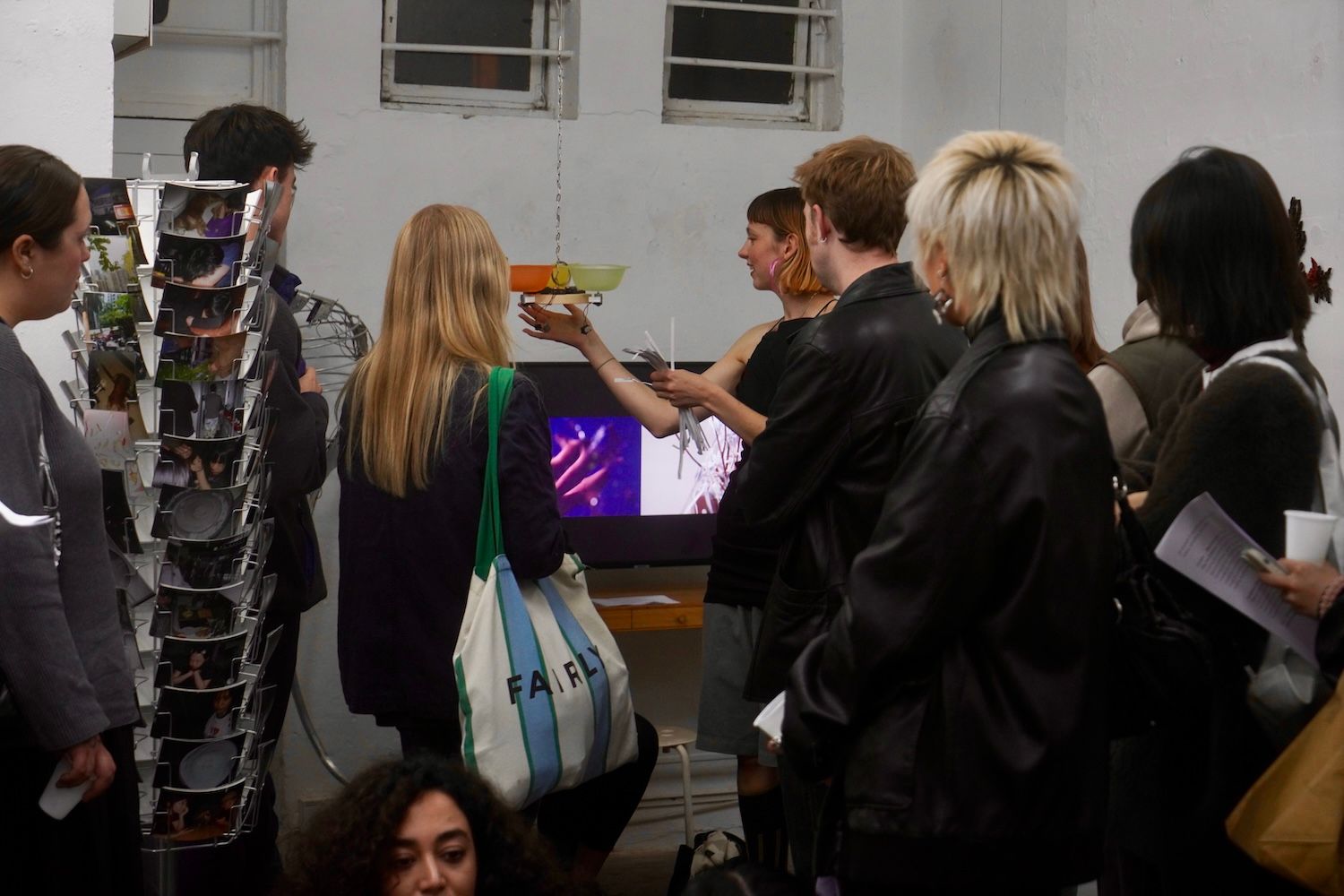
Care and belief, too, circulated through the room. Pheobe Riley Law offered an audible garden that treated listening as a form of care. Keiying Yip reconstructed passages between the sacred and the vital through religious iconography and lotus root sections, a quiet sedimentation of symbol and body. Xin Fang visualised the body as a breathing tree, connecting earth and sky through a physiology of relation.
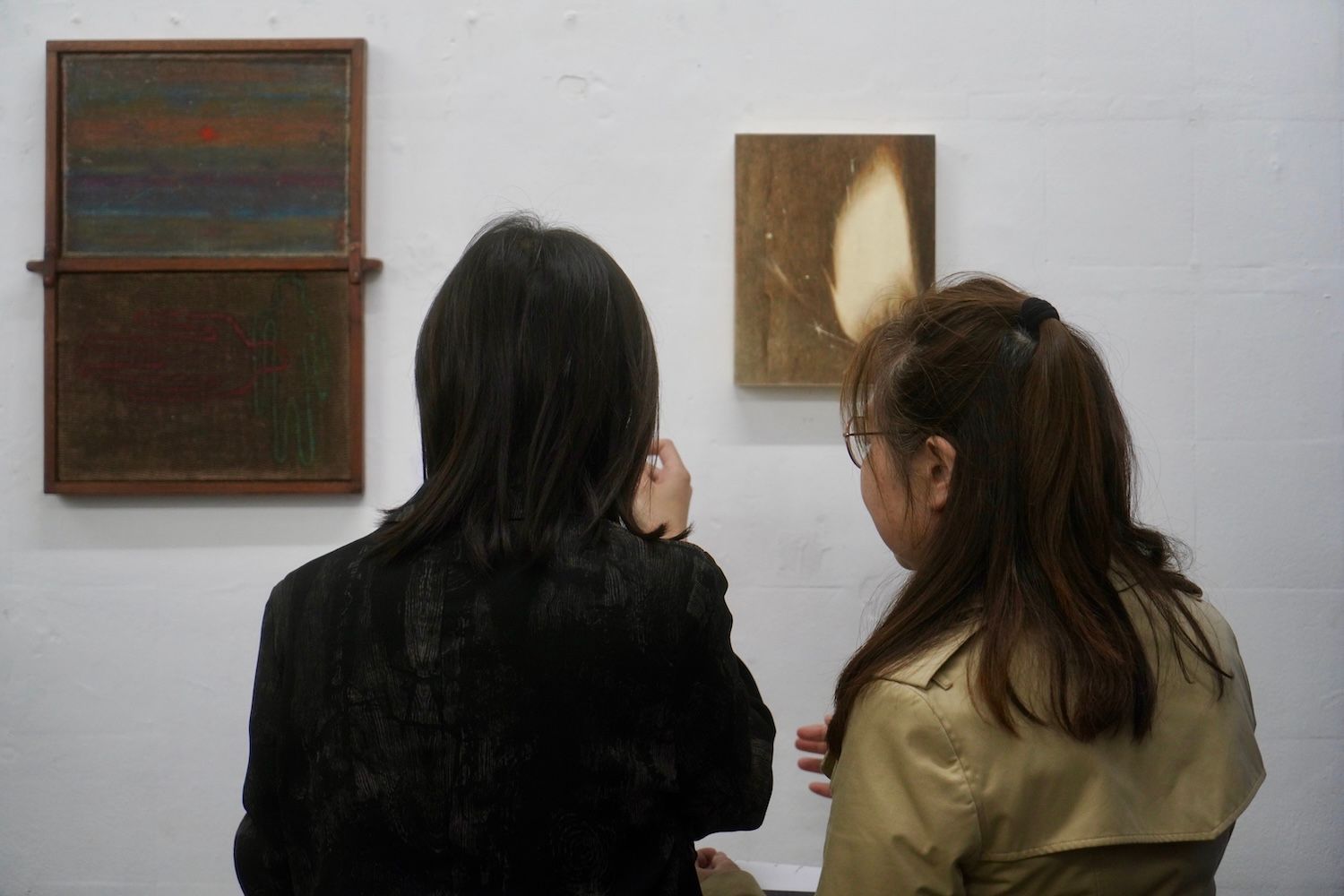
Grief returned as interval, not as spectacle. Jack Whitelock introduced wood ash as ritual residue, an after-image of burning carried into recovery. Noor Nematt questioned the ownership of the gaze. Saba Safi explored the space between presence and emptiness, where language begins to thin out. Li Ruiyi and Ripley Flet contributed rhythmic pauses, building moments that worked like commas in a sentence. They created traps for looking, places where vulnerability and growth could sit beside each other without being resolved into a moral.
If London does not need more exhibitions, it still needs the act of curating. Not as branding, not as endless production, but as the stubborn work of building a shared frame. Three months later, what I value most is the method the exhibition rehearsed: collective breath under pressure, an ethics of proximity, and an insistence that independent practice is defined not by lack, but by choice. What remains is not a fixed narrative, but a set of relations that continue to shape how the artists, and I as curator, think about making space together.
Author’s Note
This text reflects on The Shape Surrounding from the position of its curator. Written after the exhibition’s closing, it documents independent curatorial practice as a collective and ethical process rather than a promotional account.
List of participating artists:
CJ James; Enze Wang; Hongru Zhang; Jack Whitelock; Keiying Yip; Li Ruiyi; Noor Nematt; Peige Li; Pheobe Riley Law; Ripley Flet; Ruohong Chen; Saba Safi; Shiang Her Liew; Xin Fang; Xuran Guo; Yuyang Chen; Zhuohan Yang.