The last year has been a whirlwind for Amber Davies. Fresh from winning a What’s On Stage Award for The Great Gatsby, stepping into the high-octane world of Strictly Come Dancing, and now leading the UK tour of Legally Blonde The Musical as Elle Woods, she has barely stopped moving.
When we speak, she is deep into the tour, balancing seven shows a week with vocal care, recovery, and the realities of life on the road. But despite the relentless schedule, there is a warmth and openness to her that feels very in keeping with Elle herself.
Across our conversation we talk about training at Urdang performing arts academy, finding truth in performance, the physical demands of Strictly, burnout in the theatre industry, and why playing Elle has genuinely changed her. We also touch on her new Call To Stage Live Residency, a project designed to bring musical theatre fans closer to the performers they love.
Above all, it is a conversation about staying true to yourself, something both Amber and Elle Woods seem to have in common.

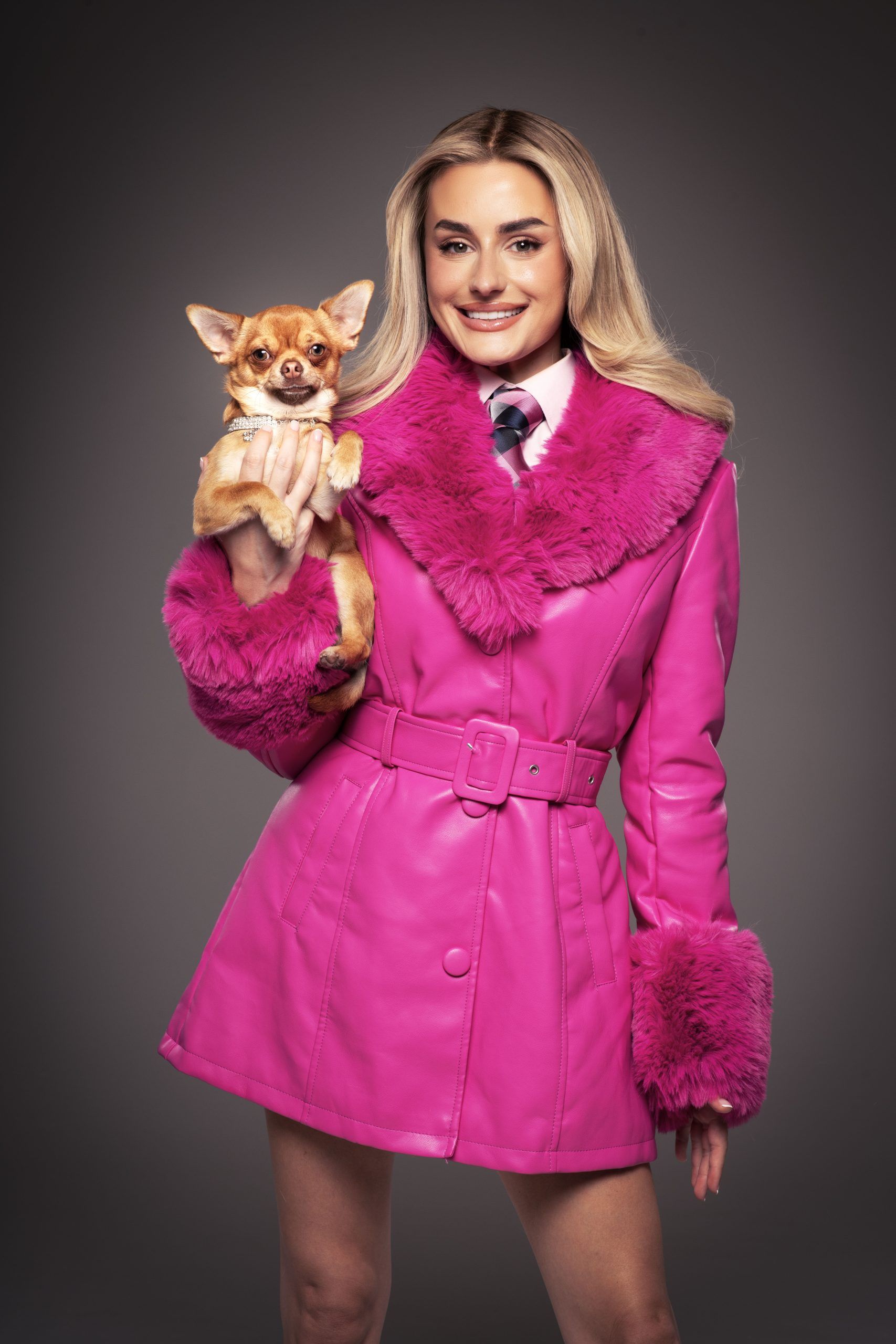
You trained at Urdang performing arts academy in London, which has produced so many West End stars. What were the biggest lessons from that training that still shape how you approach a role today?
Training taught me discipline more than anything. Yes, you learn performance skills in the room, but it also shapes your attitude and work ethic. Timekeeping, preparation, being ready when you walk into an audition room – those things are huge in this industry.
Urdang was the best three years of my life. It was tough, but I loved it. It gave me all the tools it could, but honestly a lot of what you learn in this industry happens on the job. You really get out of training what you put in.
When you’re prepping for a musical, where do you normally start – the acting, the music, or thinking about the physicality of the character?
It’s funny because a lot of the shows I’ve done have had films attached to them in some way, and I’m a really visual learner. Before an audition, I’ll usually watch the film or look at previous interpretations, just to see how other actors approached the role, because screen and theatre are so different.
Then I’ll sit down with the script because that’s where I build the character. As you work more, you develop instincts for how you approach lines or moments.
With The Great Gatsby, I had the soundtrack on constantly and was basically off-book before I’d even been offered the role. I was listening, visualising, manifesting it a little bit.
You mentioned watching different versions to get inspiration, but when you’re doing that, do you ever worry about accidentally copying someone else’s performance?
I think you can take inspiration here and there. With Laura Bell Bundy who originated the role on Broadway, she is Elle Woods to me, and I wanted to pay homage in a couple of places. But what’s right for Laura isn’t necessarily right for me. Once you put it on your feet, your instincts take over.
There’s also a difference between British and American comedy. We’re built differently, and I’m playing to a British audience, so I had to find my own way into it.
When you’re in a show and you need to sing and dance at a really high level, how do you make sure you keep the performance feeling truthful when there’s so much technical precision involved as well?
That’s a really interesting question. I’m a grower in the rehearsal room, and I think a lot of people in this industry are. I’m still developing Elle to this day. I don’t think she’ll ever stop evolving.
Even in the more difficult scenes with Professor Callahan, who becomes one of Elle’s biggest emotional challenges in the show, I’ll try and relate it to something that’s happened to me or an emotion I’ve experienced before. When Warner breaks up with Elle at the start – my gosh, I’ve been there, done that, got the T-shirt. I try and relate it back to Amber.
Nikolai, our director, really wanted this production to be done with honesty, truth, and realism, so I’m always trying to find a little bit of myself within the character. That’s how I keep her feeling real and genuine.
There’s also something about touring that keeps the production fresh. You’re in a new space every week, the audiences have different energy in different cities, and then you have swings and covers going on, which changes the show slightly. We’re really fortunate because however many months in we are now, it still feels fresh.
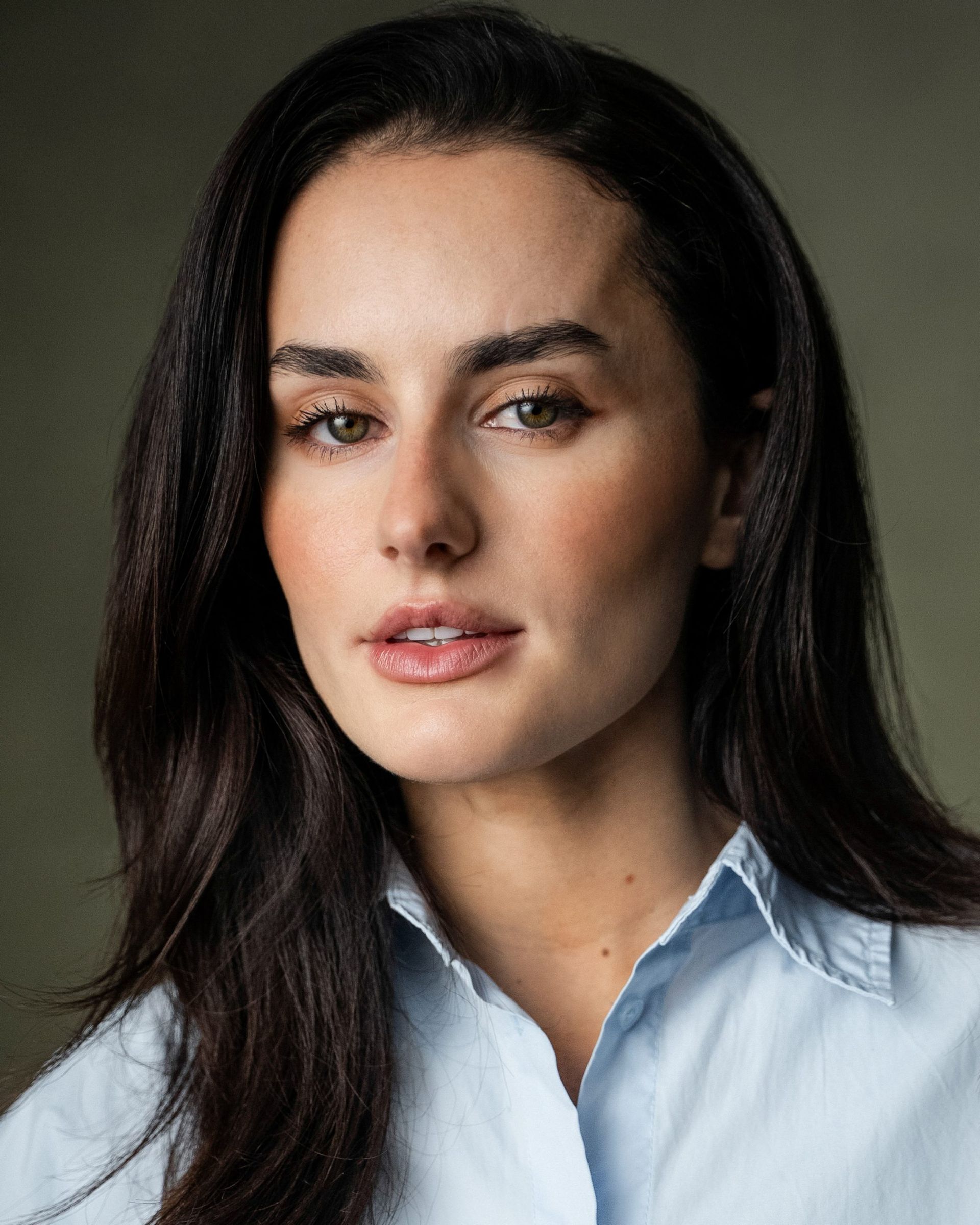
The show is such a joyful experience. What’s it like watching audiences react to it night after night?
It’s really lovely because I don’t go on for the first 30 or 45 seconds, and backstage we can see a camera feed of the front row. You should see people’s faces when the overture starts.
It reminds you every day how lucky we are to do this job. The other day there was a girl who started crying before the show had even really begun and I just thought, oh my gosh, I love it.
How do you actually get into Elle before you walk on stage?
People ask me that all the time. The wig helps instantly. The costume always helps too. But I actually have a specific walk for Elle, so as soon as I get backstage, I’ll walk as Elle to my entrance and then I’m in.
We’ve got to talk Strictly, obviously. Last year you were part of Strictly Come Dancing, which is obviously a very different kind of performance environment. What was that experience like for you?
It was the greatest experience of my life, and I genuinely mean that. I’d always wanted to do it, but never thought I’d actually get the chance. The circumstances of me joining were so last minute, but honestly that’s such a typical Amber story.
It was so hard though. Mentally and physically, I don’t think I’ll ever do anything as challenging again.
I interviewed Lewis Cope previously and he said it was the most physically demanding thing he’d ever done.
Yeah. And I’d be like Lewis as well because we come from industries where we move our bodies all the time, so we know our bodies. When they ask you to engage this muscle or that muscle, we genuinely know how to do it.
Honestly, when I came into Legally Blonde, physically I’d never felt fitter. It was the perfect course before tackling Elle because she’s tough.
Even just like the public reaction and opinions and then having to get back into the rehearsal room – it was tough. But I absolutely loved it. It’s so character-building and I’d do it again a million times.
And ballroom and Latin obviously are such specialised disciplines, even for a trained performer. As you said, it’s completely different muscles and movement. What was the biggest challenge adapting to that?
I think the biggest challenge was having to undo everything that was already in my DNA.
Yes, I had dance training, but I’ve done ballet since I was younger. Your feet are always turned out, your legs are straight, and in musical theatre everything is very clean and precise. You want sharp lines and control.
Ballroom and Latin were the complete opposite. Your feet are turned in, your knees are bent, you have to loosen up and almost let go of that control. It felt so wrong to me at first because it was the polar opposite of everything I knew.
Honestly, I’d say Latin and ballroom are some of the hardest dance forms in the world.
And obviously the show puts all the performers under a lot of public attention every week. How did you navigate that pressure while still focusing on the dancing?
When I started, because it was such a quick turnaround, my team and I had a meeting and they basically pre-empted things that might happen. Honestly, that was the best thing that could have happened because straight away I thought, right, I need to put myself in a bubble.
I wanted to remember the experience exactly as it was, not how the media perceived it. So when it came to press, I genuinely didn’t read anything.
Opinions still affected me at times, but then you remember it’s a once-in-a-lifetime opportunity and you can’t let others dim your experience.
Everyone’s allowed an opinion and I knew there would be backlash. But now, however many months later, when I think back, I don’t remember any of that. I only remember the good stuff.
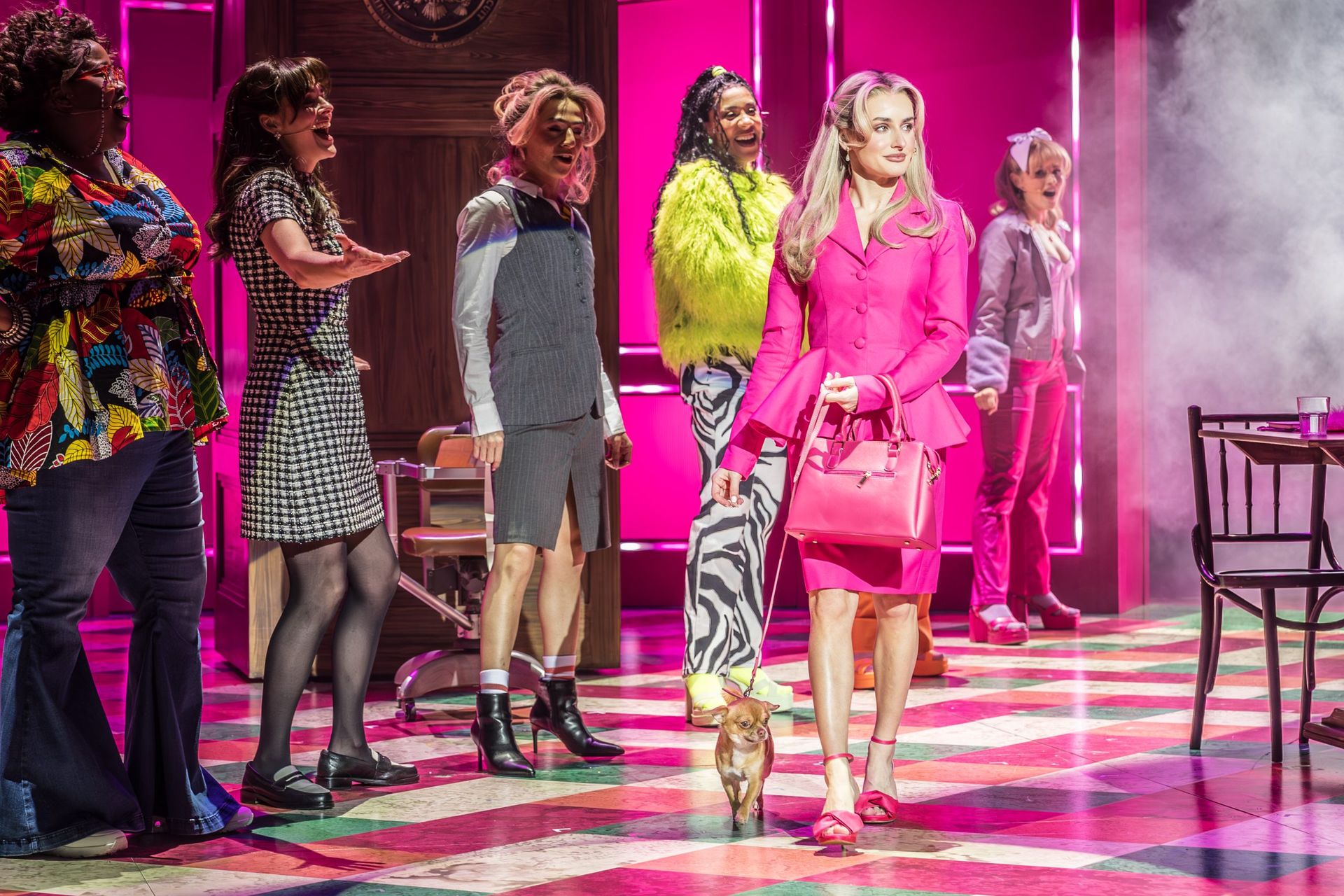
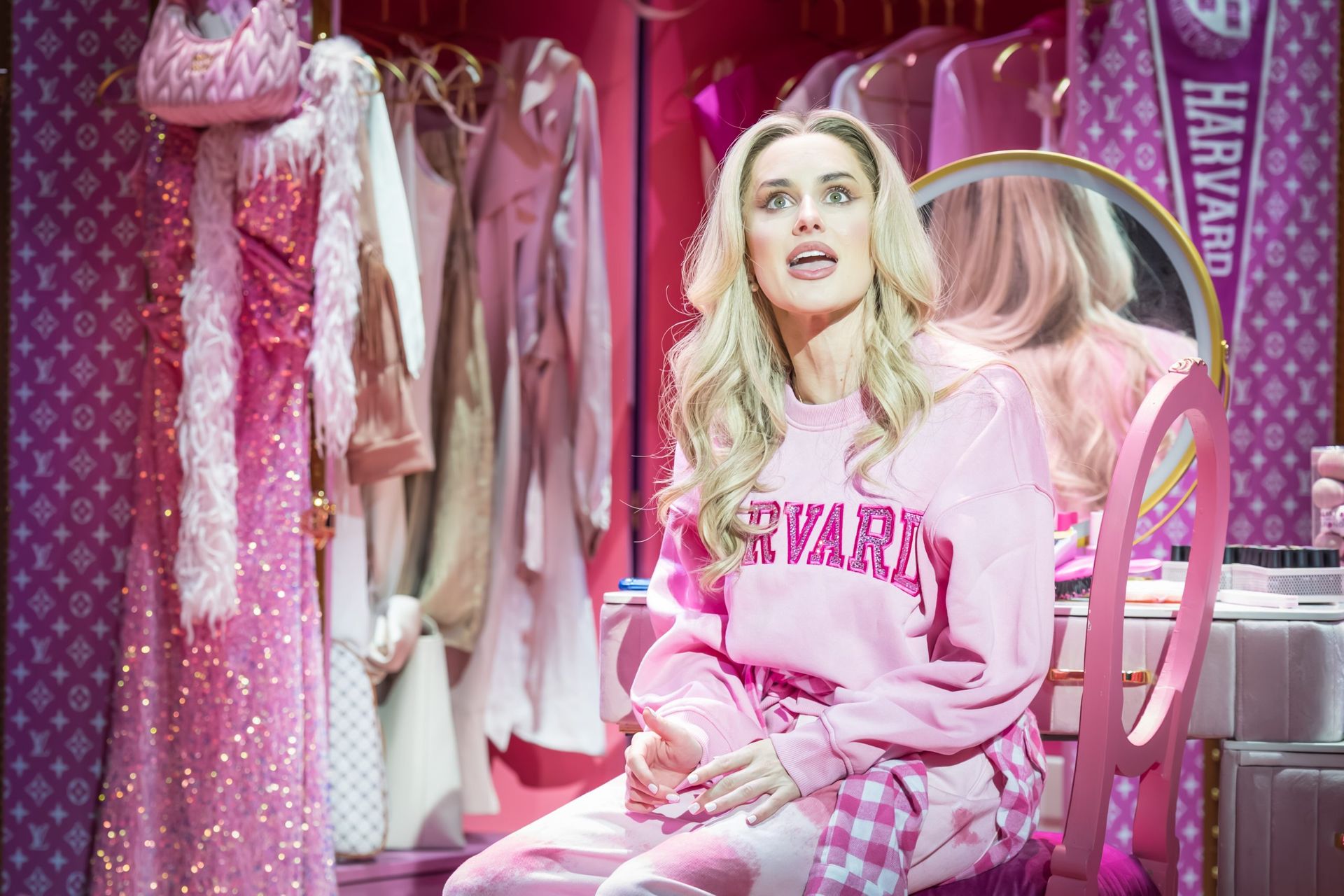
You’re very active on Instagram and often share quite openly, bringing people along on your journey. What made you decide to be that open with your audience?
I don’t actually think I’m that open. I’ve had a big platform for a decade now and over the years I’ve learned how to have a relationship with social media.
I share what I want to share and keep what I want to keep now. When I was younger I would share absolutely everything. I was an oversharer. But the older I get, the more selective I’ve become, and I’m happy with that.
I feel like I’ve got a really comfortable relationship with it now. It’s a huge platform and I’m very grateful for it, but my love is musical theatre and doing seven/eight shows a week. I’m emotionally detached from social media. Likes and comments – water off a duck’s back now.
Is part of what you share also about wanting to control your own narrative a little bit?
Yeah, of course. I’ve had a very loyal following for years, so you have to give a little bit. And I guess I am an open book in that I’m not someone who won’t go online because I’ve got no makeup on or I look rough. And when I post about being poorly or being sick, that’s the reality.
It’s just normal life. We’re not living on cloud nine all the time.
Your voice is incredibly powerful on stage, especially in those big belt moments. I saw you in The Great Gatsby and remember thinking what a powerhouse voice you have. How much of that comes from training and technique and how much of it was something you always had naturally?
I started having singing lessons from a very young age. There’s a huge festival in Wales called the Eisteddfod, which is basically a singing competition that runs across Wales, and it’s very common for children to take part.
I started lessons at six or seven and began competing there singing in Welsh. I’ve basically sung my whole life. I’ve got to thank my mum and dad because they were the ones who encouraged it. My older sister Jade was the one who loved singing, dancing, and acting, and I was just the little sister going, ‘Okay, I’ll do it too.’ I literally owe everything to her.
I learned so much from my first singing teacher, who taught me until I was about 15, and then I went on to Urdang. But honestly, I don’t really think about it because I’ve just always sung.
Obviously musical theatre can be really physically demanding with eight shows a week. How do you look after your voice and body during a run?
I’ll use Elle as an example because she’s really demanding. I actually live quite a structured routine with her. No socialising after the show, no alcohol, no bars, no clubs. Sometimes I get FOMO, but I have to be really strict.
I nebulise and steam pretty much every day, I sleep with a humidifier next to my bed, and because I’m in my own dressing room I actually don’t speak to a lot of people. I have to retain it. The good thing with this tour is that we get two days off a week, which is a game changer because that recovery time is amazing.
I have to micromanage everything. Eat healthy, don’t eat before bed because of acid reflux, all of it. I’ve always been very ‘live, laugh, love, work hard, play hard’, but I can’t do that anymore. Eight shows a week at 21 felt like a walk in the park. Now you definitely feel it more.
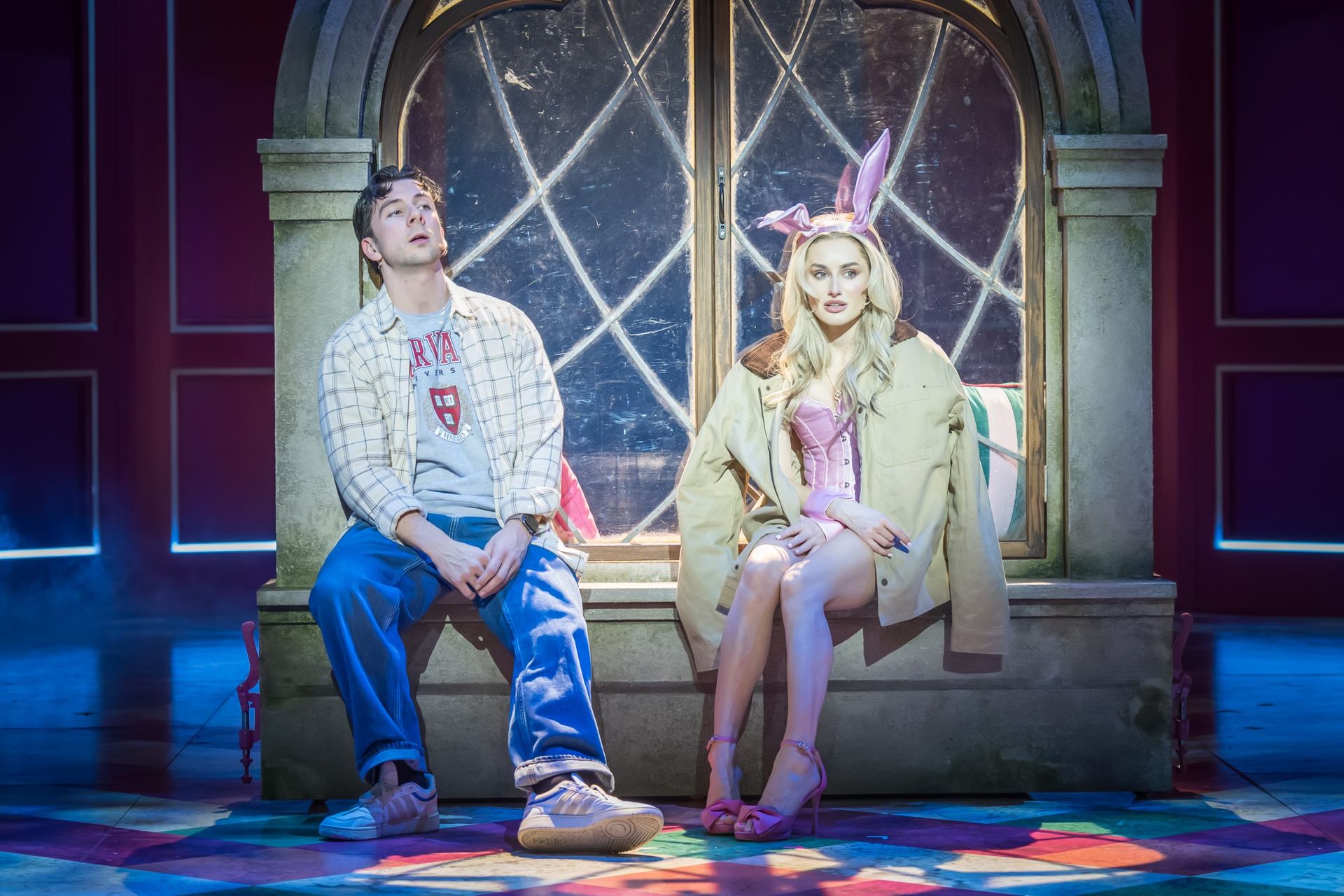
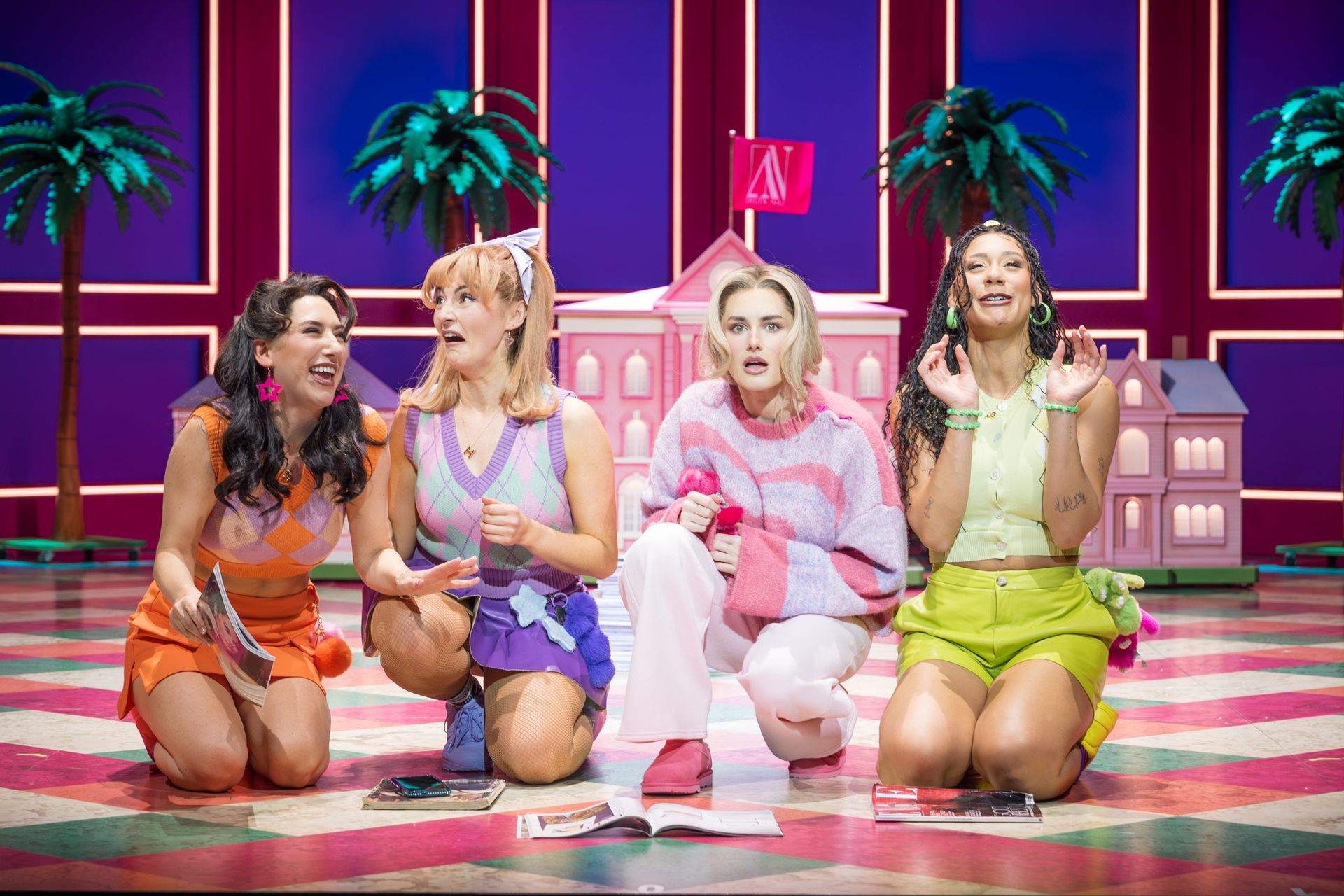
You had some time away from the show earlier this year after being unwell. How are you doing now? How has it been coming back?
I feel like what happened was I’d gone straight from Strictly into Legally Blonde, and my body was basically in fight or flight trying to get Elle on her feet. When we walked into the rehearsal room there was no show. We built it from the ground up.
My body stayed strong until press night and then I relaxed and thought, ‘I’ve done it. I’ve opened it.’ Naturally, when you’ve had an intense six months and finally relax, you get ill. It’s like when people are about to go on holiday from work and suddenly get a sniffle.
The mistake I made was going back a little too quickly. I was so eager because I hadn’t been playing Elle that long and I was desperate to get back on stage and keep working her out. I genuinely felt better when I returned, but looking back, taking that extra bit of care probably saves you from total burnout.
It was rough though. I think it was the most ill I’ve ever been in my adult life. I had 14 days of antibiotics, seven days of steroids, and I was a total mess. But I feel much stronger now. It won’t be the first or last time someone has a crash. These things happen.
Do you think burnout is something the industry is starting to talk about more openly now?
Yeah, I think so. I just think people don’t talk about it because they feel embarrassed. They’re embarrassed to call off a show or make the decision not to go on.
At the end of the day, this industry is filled with incredible swings and covers. That’s their job. But when it happens to you, it feels like the worst thing in the world. You always tell other people to look after themselves, but you don’t give yourself that same grace.
I think it’s bizarre because in our industry we feel like we have to justify ourselves, and that doesn’t happen in most other jobs. Someone in an office can call in and say, ‘I’ve got a migraine, I can’t come in today.’ We do it and we torture ourselves and think we’re letting everybody down.
You don’t want to disappoint anyone, especially if people have come specifically to see you.
If someone calls in sick in another industry, people don’t usually react with, ‘I can’t believe they’re off, I came specifically for them.’
Exactly. That’s where the guilt comes in.
My mum and auntie went to see Shucked when my partner, Ben Joyce, was off sick, and he felt awful. My mum was great, she just said, ‘Ben, you’re human.’ Sometimes you need that reminder that it’s ok to be human.
You won a What’s On Stage Award for your performance in The Great Gatsby. What did that recognition mean to you?
I found this with Strictly as well – there’s something really incredible about knowing people have gone out of their way to vote for you in a public vote.
I just felt overwhelmed with love and kindness. The Great Gatsby was my favourite job I’ve ever done, so the What’s On Stage Award just felt like the icing on the cake.
Were you a fan of the original Legally Blonde film growing up? And when you step into Elle on stage, how do you balance honouring those performances while still making the character your own?
Yes, I was a fan growing up.
I think the best way to honour everyone who has played Elle before me is to stay true to myself, because that’s exactly what Elle Woods stands for.
She’s such a girls’ girl. She’s loyal. And when you play a role like that every single night, it genuinely makes you a better person. I do find myself thinking, ‘What would Elle do?’
I feel absolutely honoured to be playing a role that Reese Witherspoon originated on screen and Laura Bell Bundy originated on Broadway. The fact that I now get to take her around the UK and even be in that conversation – I’m just honoured.
I’m such an MT geek though. There are certain performers who just become those roles in your mind. For me, when I think of Elle Woods, I’m not thinking of Reese, I’m thinking of Laura Bell Bundy. I love her. I think she worked so hard and created something incredible. Sometimes musicals struggle to have the same impact as the film, but Legally Blonde absolutely did on Broadway.
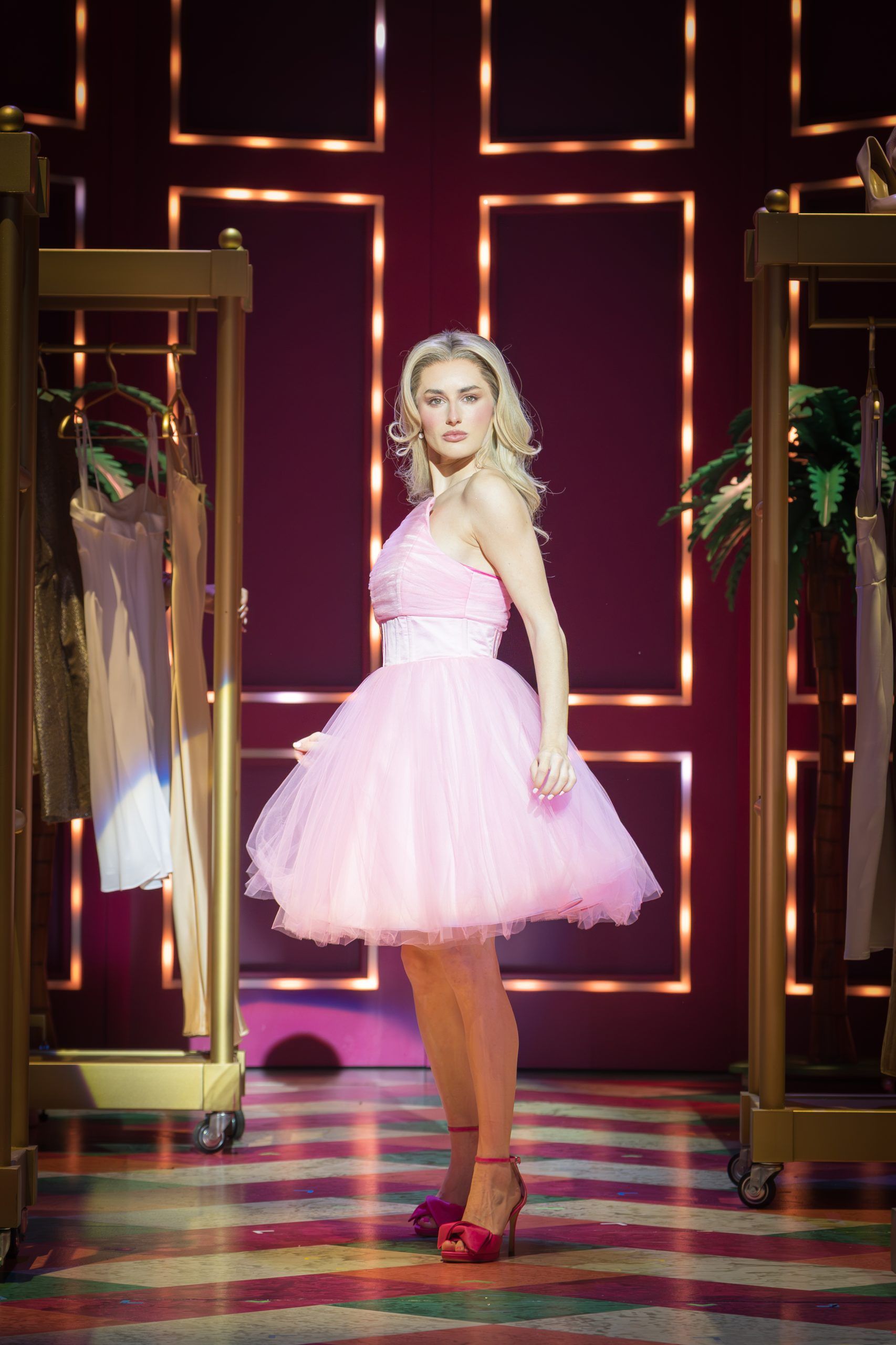
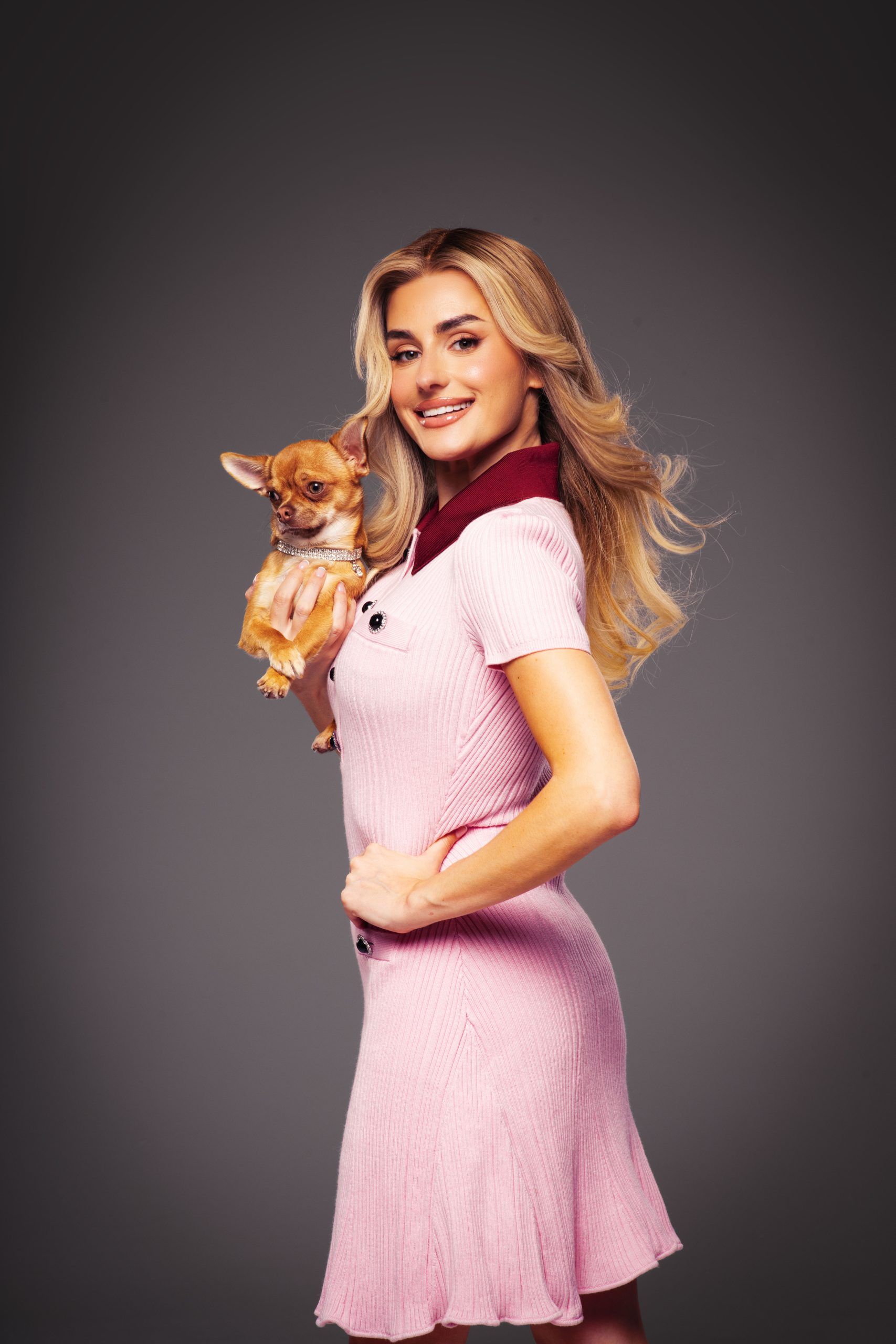
You’re launching the Call To Stage Live Residency at Underbelly Boulevard. Do you want to tell me a little bit about it and what made you want to create this alongside your performing work?
What I wanted to do was create a space for musical theatre fans because the fan base is huge.
People in our industry might do one-person shows, but fans don’t always get the chance to see performers in a more intimate setting. I just thought, what if I could create a space where fans could spend one night with their favourite musical theatre performer in a really intimate environment?
We wanted to make it affordable as well. It’s £30 wherever you sit. It’s about giving fans and performers space to connect and share that love of theatre. I’m so thrilled. We’ve announced Georgina Castle already and we’ve got a list of incredible people coming.
And finally, what do you hope audiences take away from Legally Blonde, especially through Elle Woods’ journey?
Well, as Elle says, ‘Being true to yourself never goes out of style.’
Legally Blonde is such a feel-good show and I feel like everyone can relate to Elle in some way. I want audience members to see themselves in her at some point during the show. I also just want people to laugh. I want people to come and sit for two and a half hours, thoroughly enjoy themselves, and forget about everything else.
But more than anything, it’s about kindness. Kindness costs nothing. I genuinely think everyone should be a bit more like Elle.
Amber is on tour with Legally Blonde The Musical until 2nd January 2027.
For tickets and full tour dates see legallyblondeshow.com
For info and tickets for A Call To Stage Live Residency, see underbellyboulevard.com
Words by Nick Barr
Portrait photography by Yellowelly
Production photography by Matt Crockett and Marc Brenner