There is something so wonderfully unlikely about Desmonda Cathabel’s journey to the London Palladium. Growing up in Indonesia, she had talent, ambition, and a deep love of singing, but no obvious route into the world of professional musical theatre. There was no neat pipeline, no well-trodden path, and no clear picture of what was possible. Yet, within just a few years of arriving in the UK, she has become one of the most exciting new voices on the West End stage.
Since moving to London in 2021, Desmonda has trained at the Royal Academy of Music, appeared in Miss Saigon at Sheffield Crucible and the UK and Ireland tour of Disney’s Aladdin, and made history as the first Indonesian woman to lead a West End production as Eurydice in Hadestown. Now, she steps into another iconic role, playing Mary Magdalene in Jesus Christ Superstar at the London Palladium, opposite Eurovision runner-up Sam Ryder as Jesus.
It is a role carrying biblical significance and more than 50 years of musical theatre history, but Desmonda’s Mary Magdalene feels entirely her own. She brings stillness, warmth, and certainty to a story full of fear, conflict, and noise.
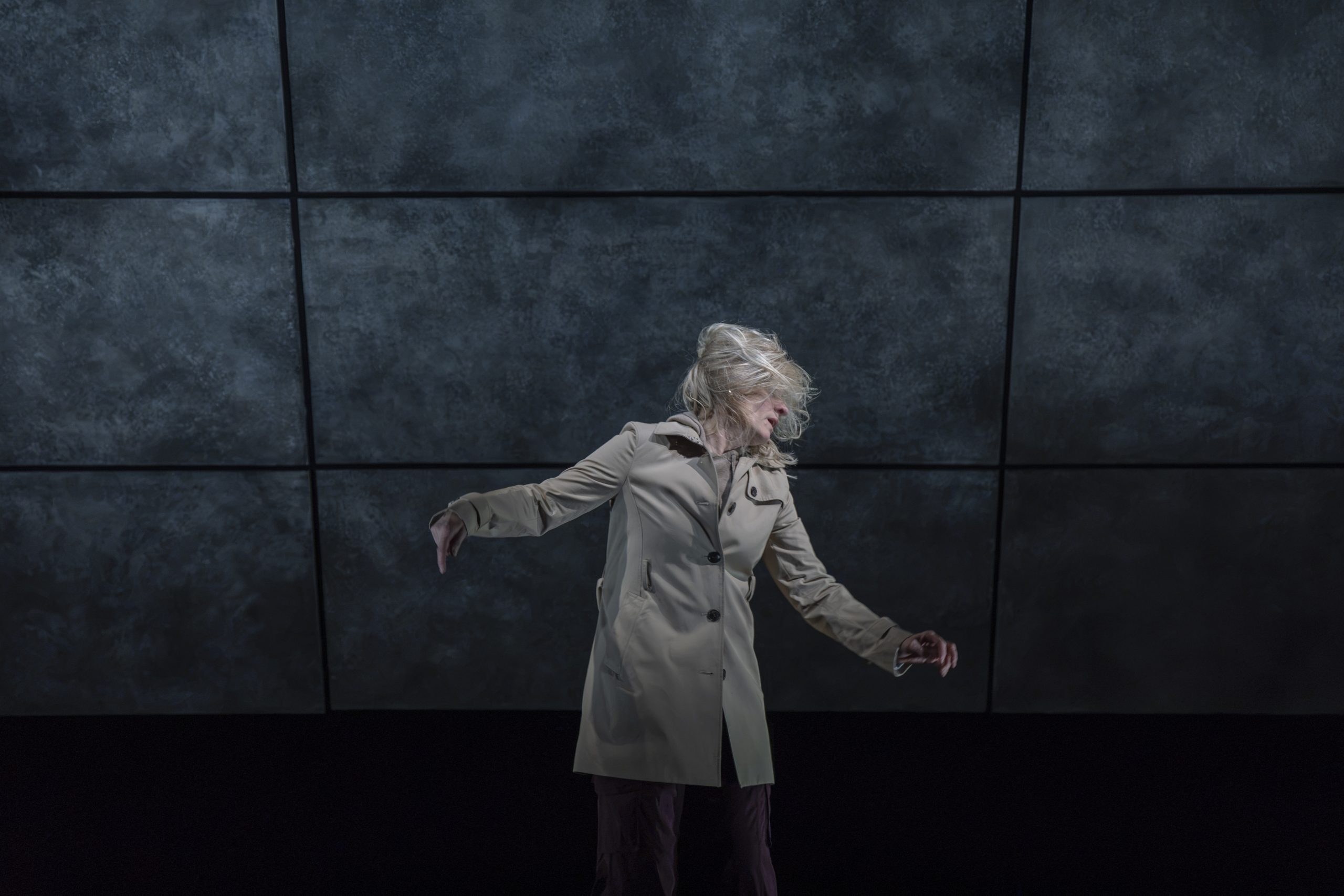
Having now seen the production, it is easy to understand why this cast has generated so much excitement. Ryder delivers a powerhouse performance as Jesus, while Tyrone Huntley’s electrifying Judas drives the show’s central conflict. Desmonda, meanwhile, grounds the production emotionally. Her Mary Magdalene is compassionate, moving, and shares effortless chemistry with Ryder, bringing warmth and humanity to the show’s central moments.
When I sat down with her, we talked about moving from Indonesia to London, discovering musical theatre from the other side of the world, finding her own Mary Magdalene, working with Sam Ryder, and what it means to become a point of representation for Indonesian performers coming up behind her.
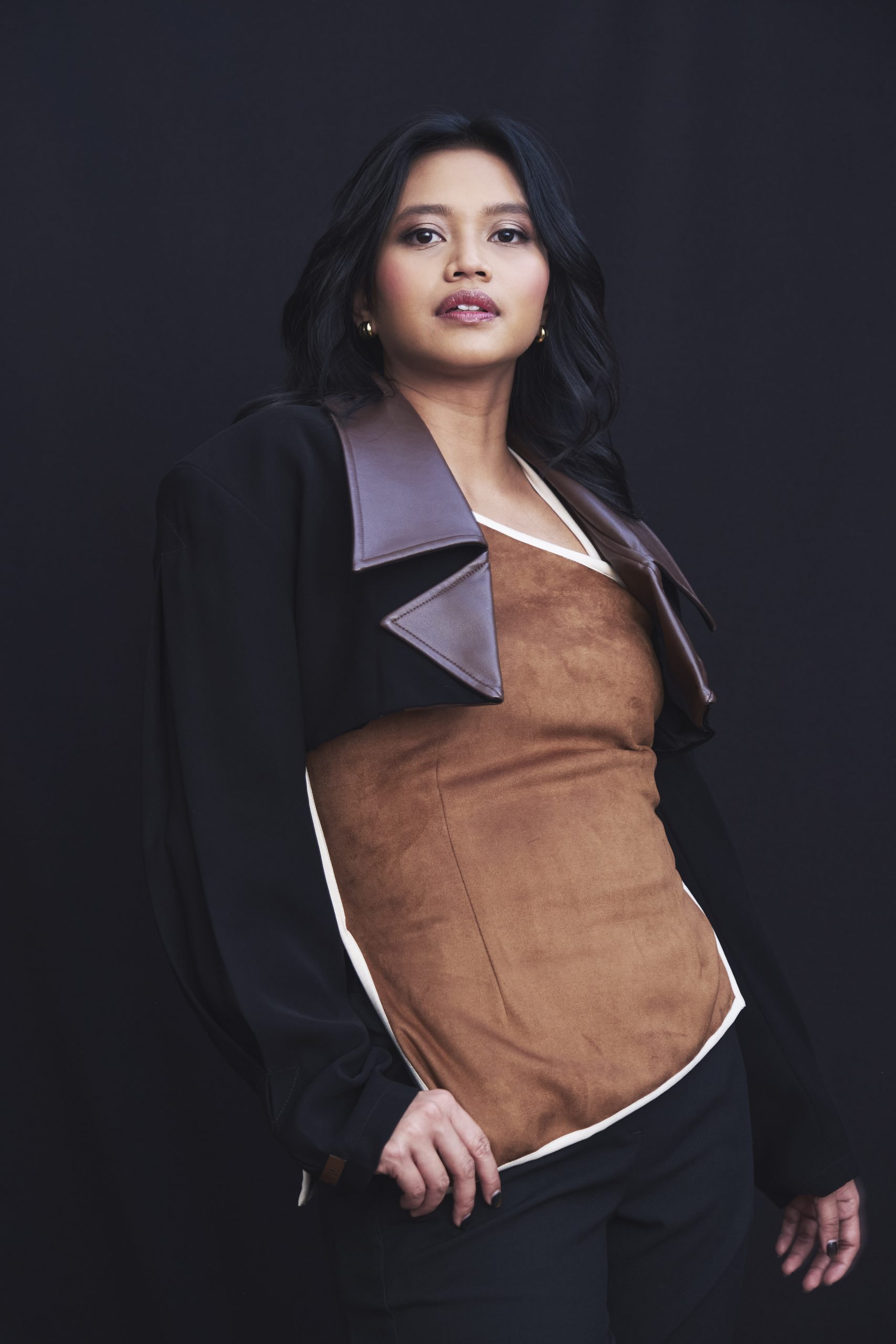
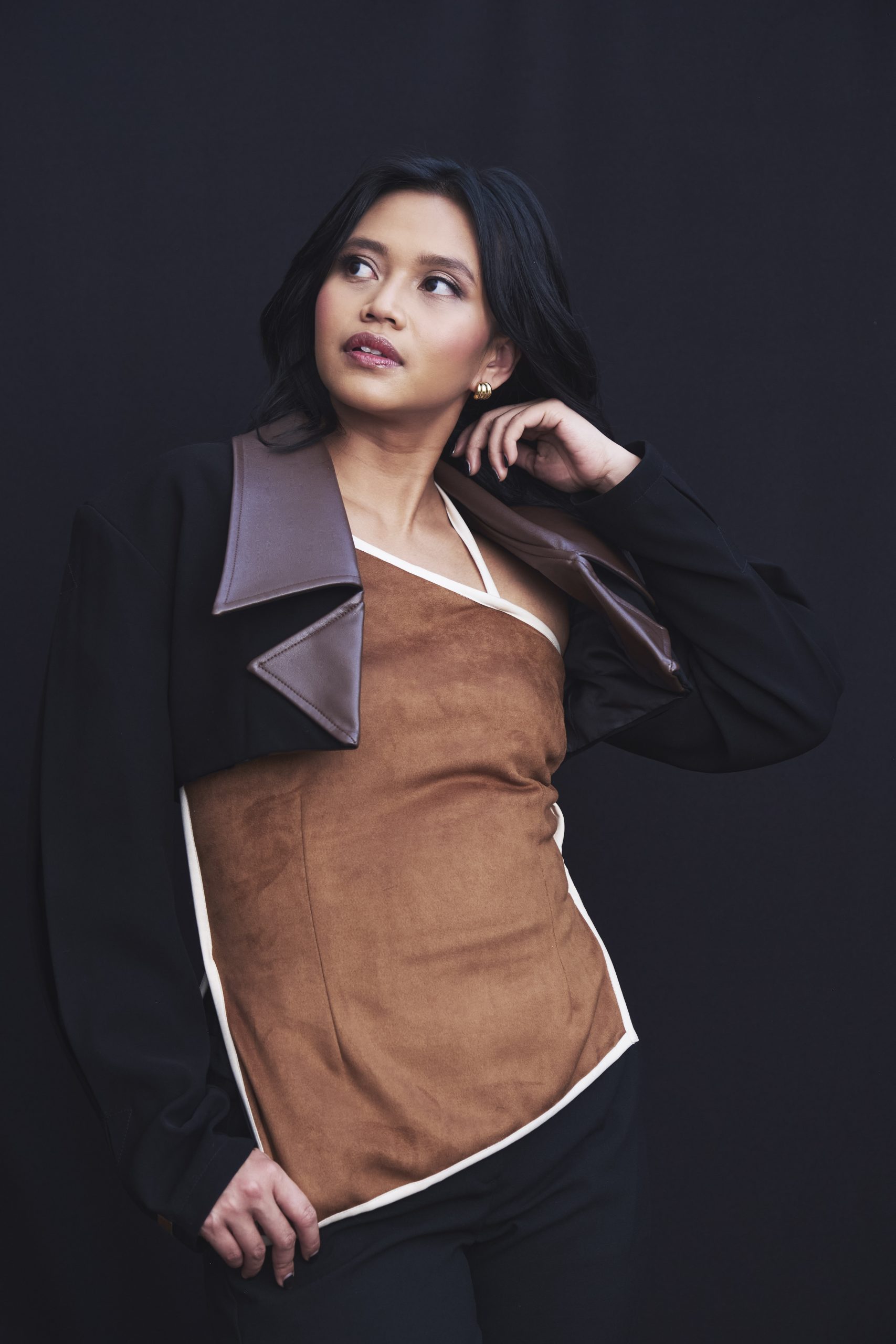
You moved to the UK in 2021 and, within just a few years, you’ve gone from having no formal musical theatre training to leading major productions. When you look back on that journey, what stands out most?
What stands out for me is just being in the room where it happens. Before I moved to the UK, I spent about seven or eight years in the local community theatre scene in Indonesia. I did a couple of professional and semi-professional things as well, but nothing on the scale of what happens here.
Back home, there isn’t formal training for musical theatre, and there isn’t really anywhere to channel that kind of thing. I didn’t start out amazing. I needed those seven or eight years to improve. But the moment I stepped into London and went to drama school, the opportunities were suddenly there.
If I had stayed in Indonesia, I wouldn’t have known where to start. There isn’t a pipeline connecting you to professional theatre, especially theatre at the top level in London, New York, Korea, or Australia.
Suddenly, everything I already had in myself, my talent, my quirks, and my sensibilities as a person and musician, was worth something. That says a lot about access, where you were born, and where you are in the world.
Did you arrive in the UK having already earned your place at the Royal Academy of Music?
Yes. The first step was thanks to the internet. I literally Googled one-year musical theatre programmes in the United Kingdom, applied without really knowing what they entailed, and got into the Royal Conservatoire of Scotland and the Royal Academy of Music.
RAM offered me a scholarship, so I thought, okay, now I can go. If they hadn’t offered me that scholarship, I wouldn’t have had the money to do it. It was just me trying it and seeing how it went, and that trying was the thing that made it happen.
It was very much a do-or-die situation. It was during Covid, so everything already felt upside down.
What was the biggest culture shock when you arrived here?
Professionally, the biggest shock was how established everything is. The theatre scene here has evolved over hundreds of years. In Indonesia, we have our own forms of traditional theatre and dance, of course, but Western theatre and musical theatre are much more free-for-all. Every community does it in a different way.
When I got here, everyone was working within the same setup and system. It’s regulated by the union, people are paid for the hours they work, and even in drama school, it is organised in a way that allows everyone to operate within a clear structure. I learned a lot just by being here.
The funniest culture shock was how you read clocks, and the fact that every 15-minute break in theatre is called a tea break. Every schedule I have ever had, from drama school to professional rehearsals, calls every break a tea break. It is the most British thing.
I also still struggle with quarter past and quarter to. Here, a stage manager will say, tea break, come back at quarter to. And I’m thinking, quarter to what? Please tell me the hour.
You went to the Royal Academy of Music without taking the traditional training route. Did you feel like you were playing catch-up, or did that different path become a strength?
What’s interesting about that programme is that it’s a one-year Masters, so a lot of people there hadn’t trained in musical theatre before. Some had done amateur dramatics or community theatre, but they hadn’t gone through the traditional drama school route.
I did feel like I was catching up on basic things, like how to set up a music sheet, how to be in a music call, or how an audition room works. If I hadn’t had that practice in drama school, I would have gone into the real world blind.
But all of us brought something different. I didn’t grow up training in musical theatre, so my singing style is not naturally musical theatre. I grew up listening to everyone from Whitney Houston and Mariah Carey to Karen Carpenter and jazz singers. My natural musical sensibilities are much more pop, jazz, and folk.
Then drama school added musical theatre vocal training on top of that. When I went into auditions, I think panels appreciated that I was bringing something they weren’t hearing from graduates who had all been trained in the same way. That lived experience is the gold mine.
If you didn’t grow up listening to musical theatre, where did your love of it come from?
It came from the internet. I was born in 1995, so when I was a teenager, I watched the internet slowly become what it is now. I started finding new things to obsess over online, and one of those things was musical theatre.
In 2012, when the Les Misérables movie came out, there was so much Oscar buzz around it. I wanted to know what was behind it. I started researching Les Mis online, and there were professionally recorded concerts and performances on YouTube. I immediately fell in love. The drama, the music, the scale of it. I wanted to be in there.
That sent me into a black hole of musical theatre obsession. Seeing singing, dancing, and acting all in one art form made me think, wow, they have it all. I was so impressed by anyone who could do it.
What was it about singing itself that made you fall in love with it?
I have a particular relationship with singing, because I don’t really see it as work. Of course, I do it for work now, but I have always loved singing because it is my form of self-soothing.
If I weren’t in the position I am in now, I would still pray to God and the universe to let me keep my voice, because singing is such a quick way to soothe myself. It is so nice to sing, even if I am just singing for myself, by myself.
It’s a human experience. You are letting something out. It’s catharsis. Every culture has some form of singing and dancing, because as human beings, we need to do it. It feels like something your body needs.
I love Whitney Houston, and I love trying to emulate her, but it’s not that I saw her and thought I wanted to be her. Singing is a combination of frequencies and vibrations. It does something to your ears, your body, and your psyche.
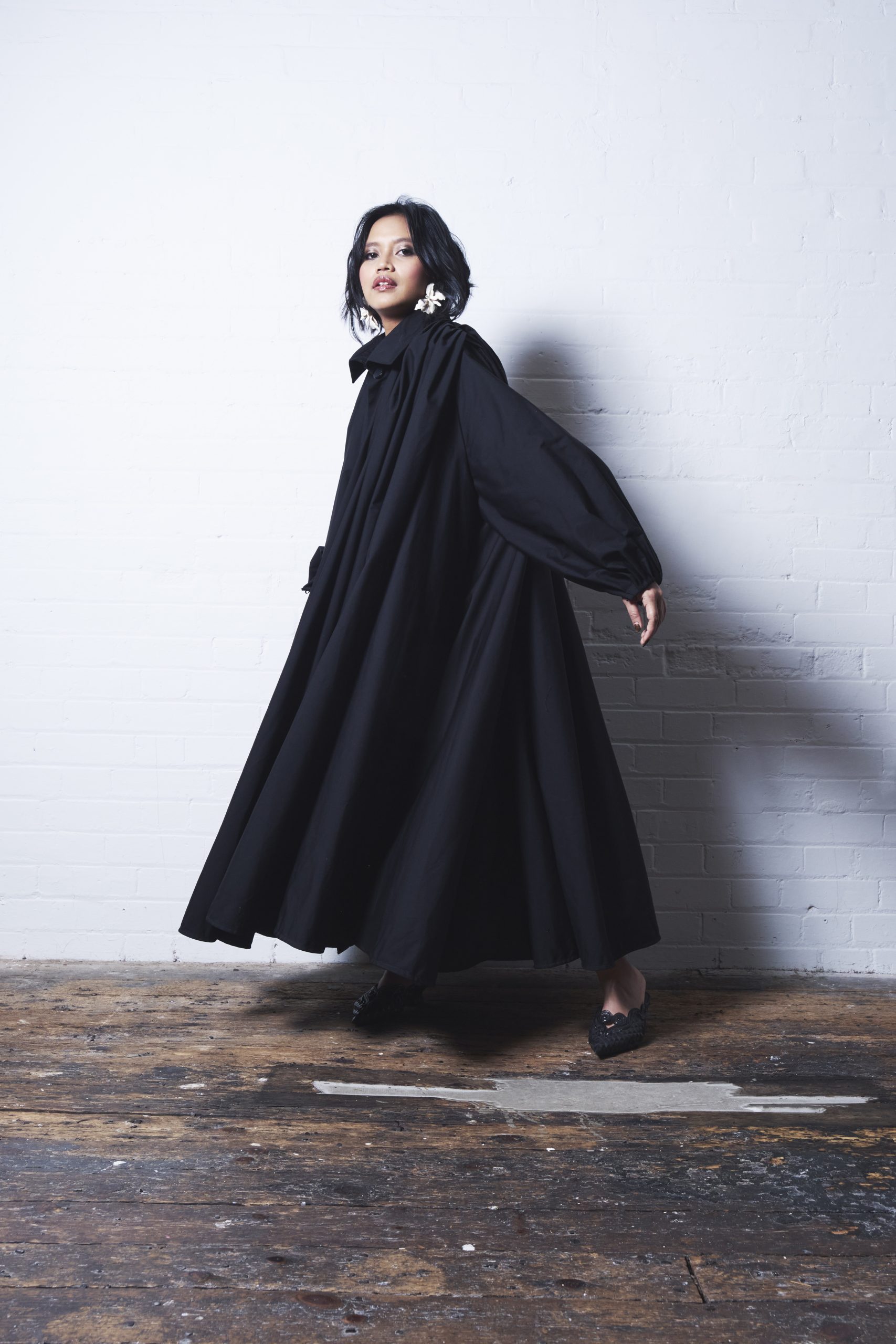
How does your Indonesian heritage influence you as a performer?
I don’t always bring something specifically cultural to every performance, although I did when I played Eurydice in Hadestown. I had seen someone on Broadway do a line in their own native language, so when we started rehearsals, I told the director I wanted to do that line in Bahasa Indonesian.
I told Orpheus to sing, in Indonesian, and that was really fun. It was the first time I got to use the Indonesian language on a London stage.
What was amazing was having people come to me afterwards and say, my God, I heard you say that. Some people would ask, did you say that in Indonesian? And I’d say, yes. It blew their minds, because you never really hear Bahasa on Western stages. That is something I will keep forever in my memory bank.
Beyond that, I think my Indonesian sensibility is apparent in rehearsal rooms and in how I am with the people around me. Indonesian people are friendly, generous, and giving. I bring that openness, politeness, and sense of community.
How did you find out you’d been cast as Mary Magdalene in Jesus Christ Superstar?
I got into the process really late. I had heard that a lot of people had been auditioning for Jesus Christ Superstar for months, and I just didn’t get the call. I thought, ‘I guess they don’t want to see me’. So I didn’t even think about the possibility of being in the show.
Then I posted a video on Instagram of me playing guitar and singing Danny Boy. It was very folky. A couple of my friends shared it, including one friend who had been in the show before, and that must have kick-started something. I posted it on a Friday, and the next Monday I got an email asking me to send in a tape and audition for Mary.
The whole process went really quickly, about two weeks in total. I did the tape, then the finals, then got an offer a few days later. I was announced the following week. It was really late in the process, but I’m grateful they ended up wanting to see me.
My immediate reaction was quite strange. I didn’t have a huge dramatic moment. It was more like, okay, cool, cool, cool. It felt so big that I didn’t know how to deal with it. I was already thinking ahead, like, okay, you’re going to be at the Palladium. You’re going to be part of more than 50 years of legacy.
Every time we walk into that theatre, all of us have this moment of, my God, we are here. We are in the Palladium.
Mary Magdalene is such an iconic role. Was there any part of you that felt intimidated by the legacy?
Oh my God, yes. I am very much intimidated. The show has such a long history, and that means different generations have had their own Jesus, Mary, and Judas. People have their favourites. They have an idea of what Mary looks like and sounds like.
You have people who are 80 years old with a strong opinion on Mary Magdalene, and then you have new audiences for whom this might be their first exposure to Jesus Christ Superstar. That is exciting, but also scary, because then I am their current version of Mary Magdalene. That’s mad.
I also recently met Joanna Ampil, who played Mary Magdalene in the 1996 London production. I met her doing Miss Saigon in Sheffield, when she was playing the Engineer. Knowing her personally, and knowing that she played Mary 30 years ago, makes me feel like I’m zooming out on musical theatre history. I can see all of these timelines meeting each other, and now we’re part of that history. It’s amazing and very surreal.
Mary often provides warmth and humanity amid the chaos of Jesus Christ Superstar. What aspects of her have resonated most strongly with you?
As we were finding who my Mary is, or who our Mary is, we realised that yes, she brings peace and warmth, but mostly it is peace from fully knowing herself. It comes from full acceptance of herself, her position in the world, and what she believes in.
Jesus comes into the story with a message of peace and acceptance, and I think Mary is the only person in the play who has fully accepted and embodied that. It shows in what she says, what she does, and how she is. Nothing can really touch her in that way because she isn’t worried like Judas, and she isn’t anxious in the same way as Jesus.
Mary is just there, fully accepting, fully understanding, and at peace with herself, the world, and what she believes in. That emanates from her, and that is why her presence is such a contrast to everyone else.
I relate to that, because it is what we want as human beings. You want to be secure enough in yourself and what you believe that you aren’t pulled apart by anything outside of you. You want to be calm, secure, and happy.
That is also one of the hardest things about playing Mary. Our director and musical director are very particular about the quality she brings. Even vocally, you can’t come in at the same level as Judas or Jesus when they are fighting around you. It takes courage not to push, not to match their anxiety, and to trust that just being where you are can change the temperature in the room.
The creative team have spoken about drawing inspiration from Joni Mitchell and Carole King for this version of Mary. How has that influenced your approach?
Big time. We had a day in rehearsal where the whole company sat down and listened to a Joni Mitchell track. The music director said, this is the vibe. Then he started playing the chords, and we started singing Could We Start Again, Please? as a company. It immediately changed the energy. Everyone got it.
It is hard to explain, because music is vibes, tone, and delivery. In a way, Jesus Christ Superstar is not very musical theatre. We are not acting through song in the traditional sense. We are telling the story through the song, through the music, through vocal choices, through instruments, and hoping people understand that intention by listening to different qualities of tone and energy.
It is not like any musical theatre process I have been in before. Joni Mitchell and Carole King have been big references, and that is useful because if I’m doing something that isn’t the vibe, I have something to come back to.
This production wants to go back to the original album vibe. It wants to feel overwhelming and unstable, almost like a live recording or a gig. The sound world is a huge part of it.
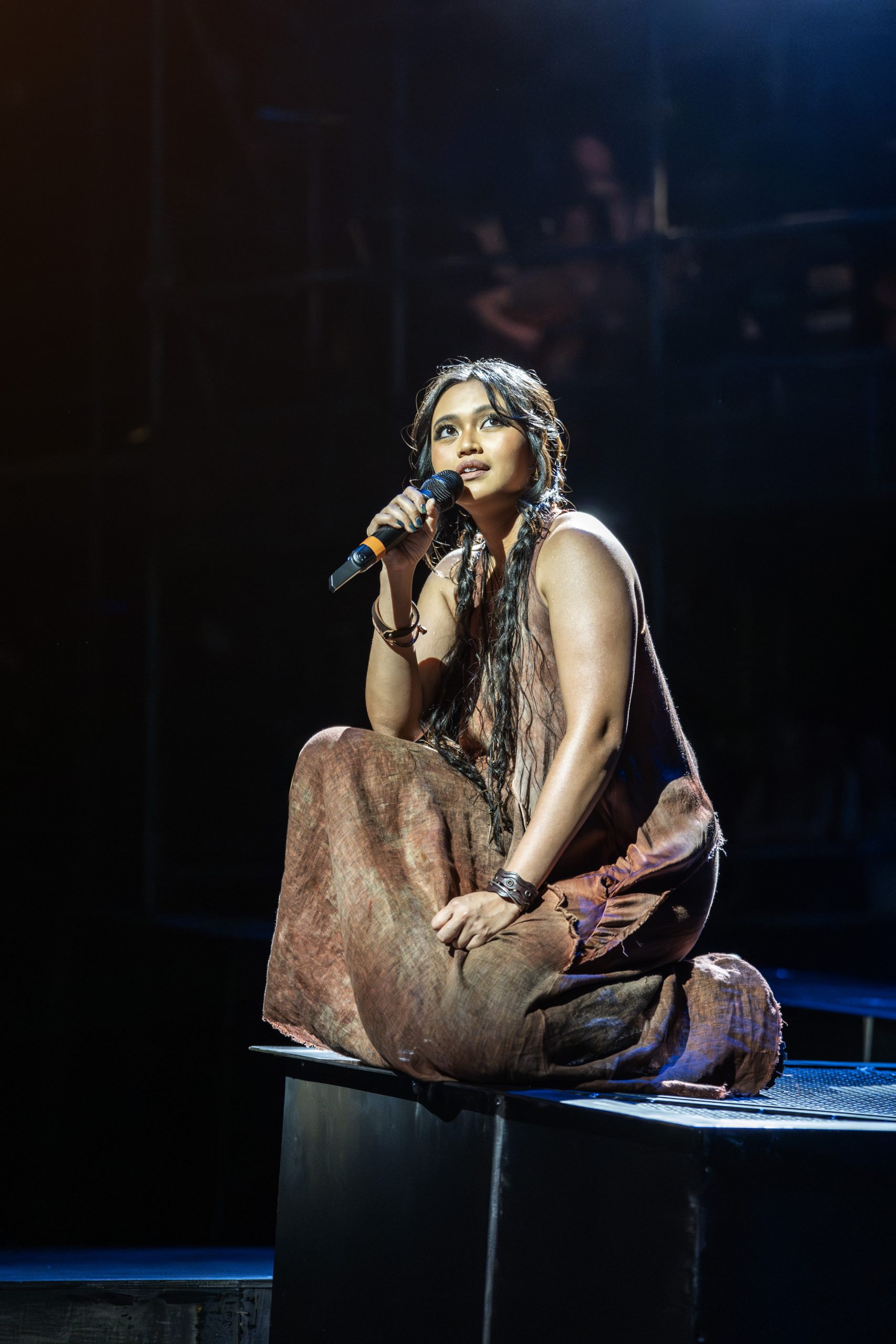
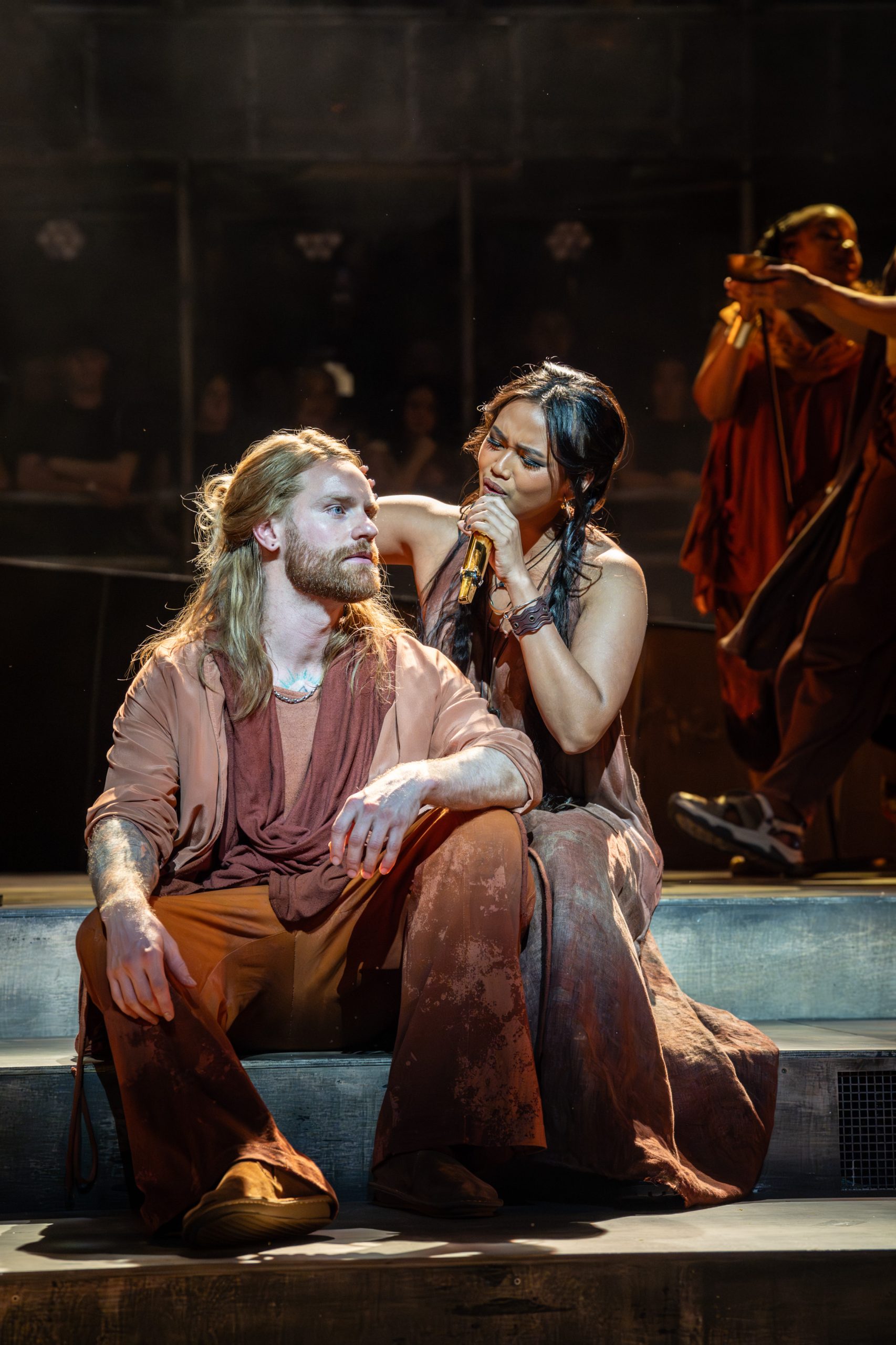
What has it been like working with Sam Ryder as Jesus?
Oh my God, he is genuinely a golden retriever puppy. He is so sweet and so excited to be there. He is amazing. I don’t think anyone is ready for his Jesus. He is incredible, and he is just the nicest, kindest person.
He is so involved. He chats to every single person in the room, and he is always excited to throw himself into it. He is throwing his whole self into this role. He gives 100% every time.
Even in rehearsals and tech, every time he has the floor, he takes it. It is amazing to see that dedication, kindness, generosity, and excitement. It makes all of us excited to be there with him.
I honestly couldn’t believe this is his musical theatre debut. I hope he keeps doing it.
Having become the first Indonesian woman to lead a West End production in Hadestown, are you conscious of the importance of that representation as you step into another high-profile role in Jesus Christ Superstar?
I’m always conscious of it. Every role I have done so far, I’m the first Indonesian national to do it. It is important for me to do a good job, not just for people in Indonesia, but also for people here.
If people here see an Indonesian person doing a great job, they are more likely to hire another Indonesian person. I don’t take it as pressure. I just want to do a good job and be the best version of myself. I want to represent myself as an exceptional performer who also happens to be Indonesian.
That is what is important for the next generation: being given a shot. Sometimes people don’t get those shots because there is no reference point. I have been given opportunities because other Southeast Asian performers came before me and paved the way. I hope I can also pave the way for the next Indonesian performers, Southeast Asian performers, or people who look and sound like me.
Have you heard from Indonesian performers or audience members about what that representation means to them?
Yes. After Hadestown, I had about a month’s break before starting rehearsals for this, so I went back to Indonesia, saw my family and friends, and did a masterclass. About 150 people came, and it was full of young people saying they had seen videos of me as Eurydice and were inspired to go into musical theatre.
It means a lot that there is someone on the West End doing what they are dreaming of doing. I’m happy to be that person, and I hope I continue to be that person, so that dream can stay alive for them.
I get messages on Instagram and social media as well, but seeing people come to a masterclass because they want to learn from me was incredible. They were excited, bright-eyed young people, and I thought, my God, when I left for London, it wasn’t like this. You came out of nowhere.
In the last five years, that interest has grown so much. I’m excited to see what that will bring to the local community and industry in Indonesia, and to wherever else in the world they want to go.
If a young Indonesian girl who dreams of performing sees you standing centre stage at the Palladium this summer, what do you hope she takes away from your story?
I hope she takes away that anything is possible. I know that sounds really cliché, but I hope she understands that there isn’t one clear way.
When I tell you my journey now, it feels like everything happened in the order it was supposed to happen. But when I started, there was no clear way to get to where I am. There wasn’t even a clear picture of it. It just didn’t exist.
So I hope seeing someone standing in that picture helps her understand that there are ways to get there. She will find a way. It isn’t something that has been gatekept from her. You can find little alleyways and little crevices of life that lead you there.
I hope the image of me on the stage at the Palladium triggers that thought: there are ways to get there. Not just to the Palladium, but to places you never imagined you could be.
Jesus Christ Superstar runs at the London Palladium until 5 September 2026 before extending to the Theatre Royal Drury Lane from 16 October 2026 to 9 January 2027.
Book tickets now at lwtheatres.co.uk
Words by Nick Barr
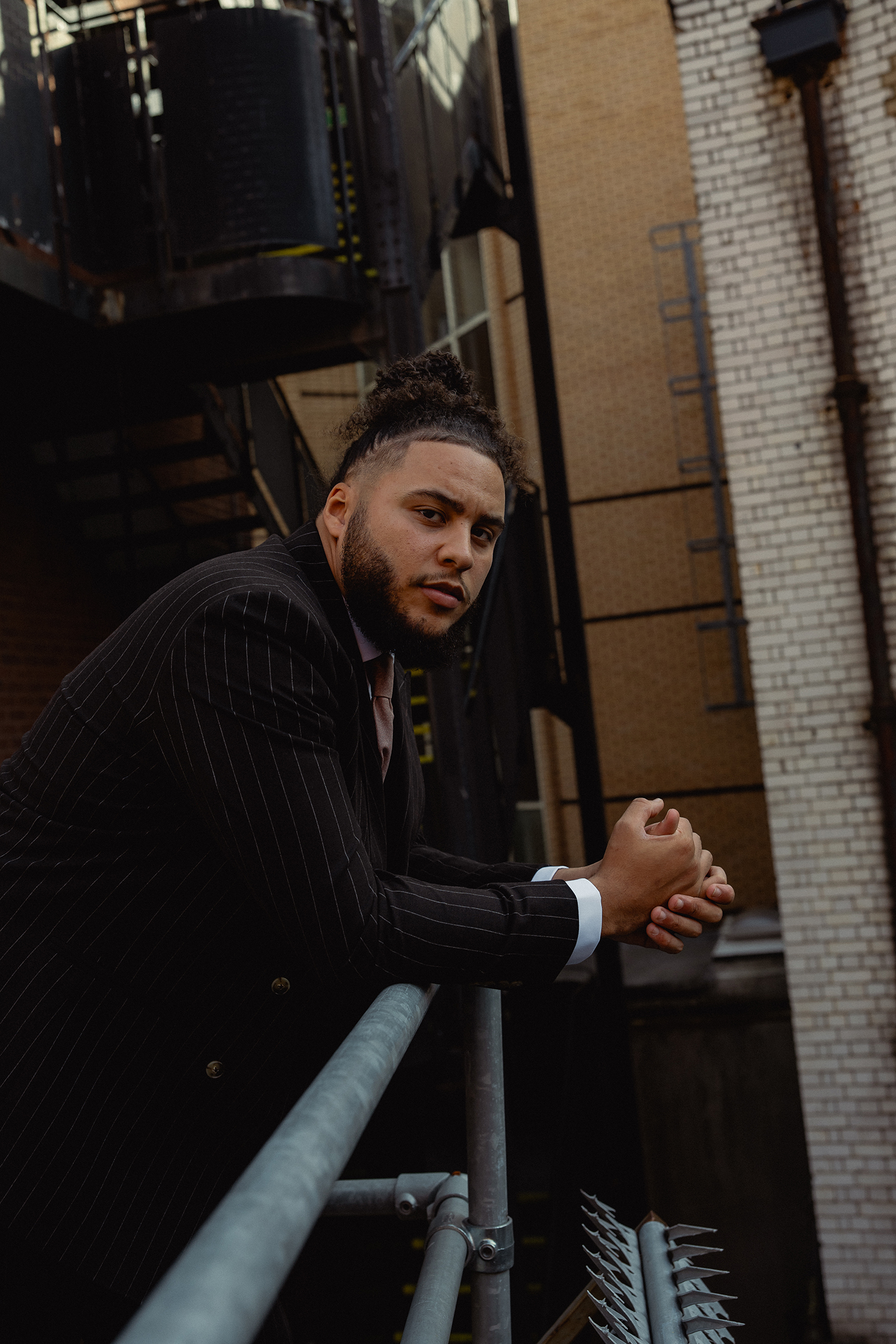
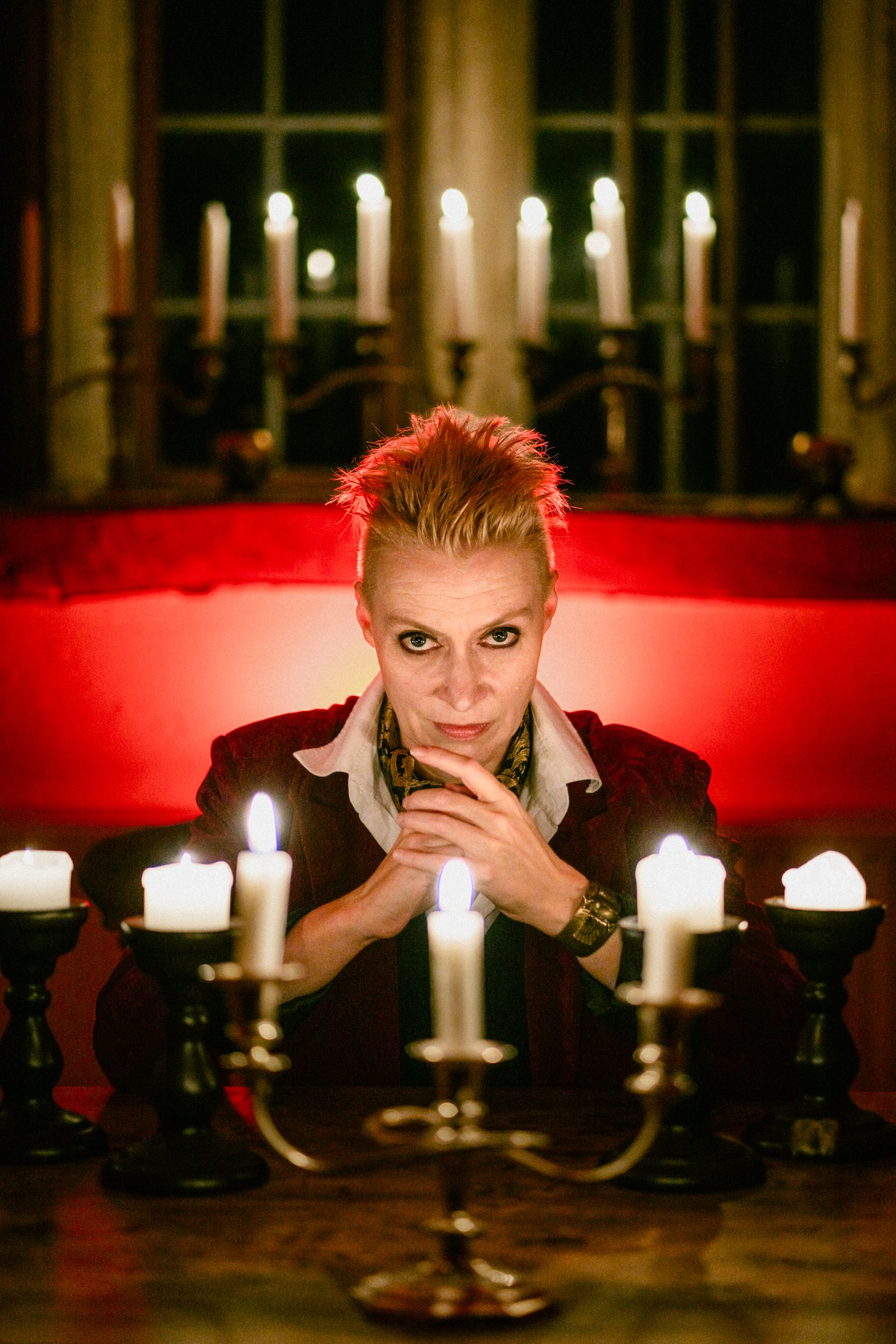
Portrait photography by Mark Cant
Portrait Stylist Catherine Rasanto
Portrait Hair & Make Up by Selen Hurer
Production photography by Johann Persson