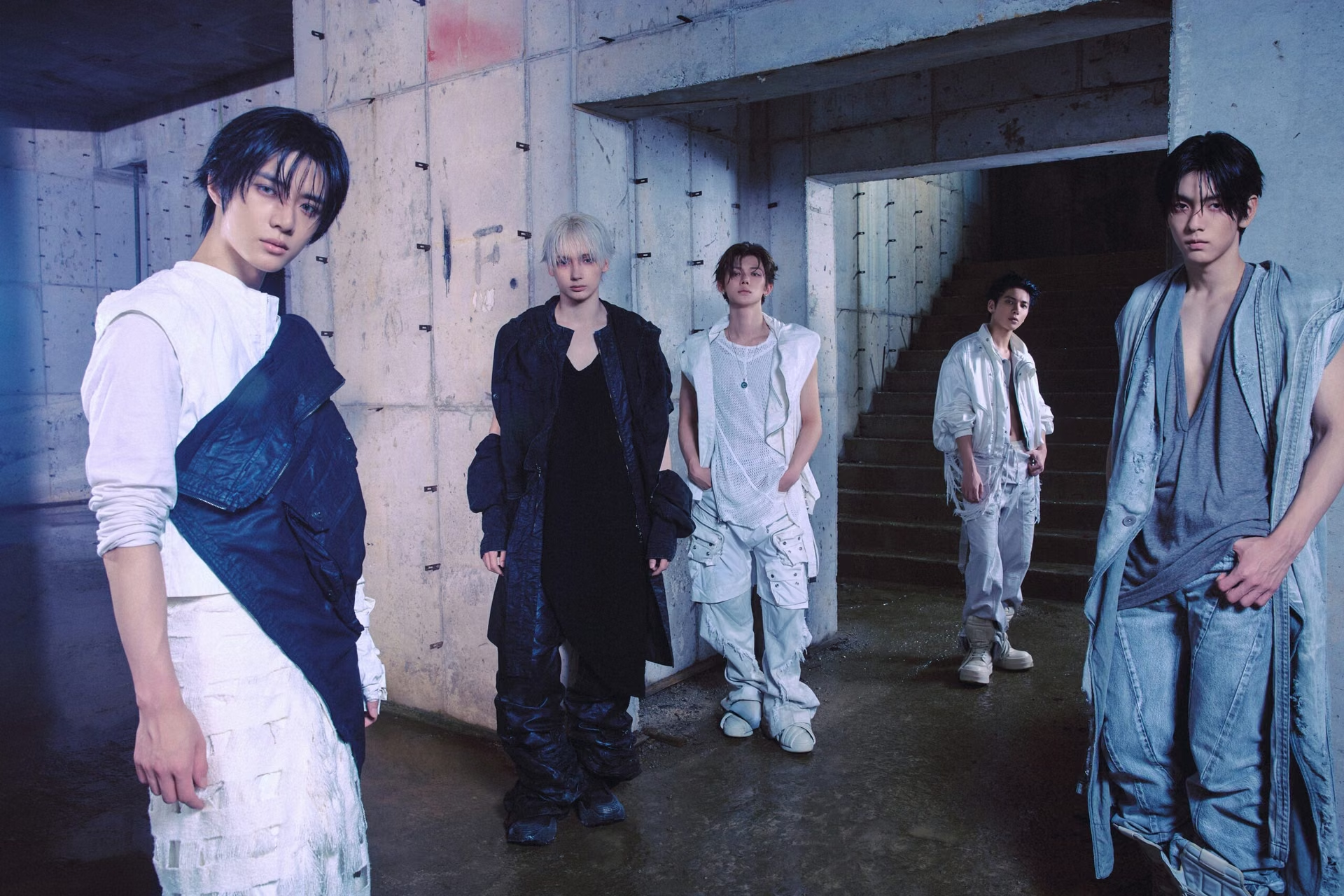
Twenty minutes before doors open at a fashion show, the room looks nothing like the polished images that will circulate the next morning. Cables snake across the floor. A rigger is fifteen feet up, double-checking a lighting truss. Someone is steaming a garment that was still being altered an hour ago. None of this makes it into the photographs, the reviews, or the influencer posts. By the time the lights dim and the first look walks out, all of it has to look like it was never there at all.
That gap – between the seamless thirty minutes an audience experiences and the frantic hours that make it possible – is where a huge, largely invisible workforce operates. They don’t have desks. Many of them don’t even have a fixed employer from one event to the next. But without them, there is no show.
A Workforce Without a Desk
The people who build, run and pack down live events sit inside a broader category researchers call the “deskless” or “frontline” workforce – anyone whose job requires physical presence rather than a laptop and a corporate login. Globally, this group is estimated to make up around 80 percent of all workers, spanning everything from healthcare and retail to construction and hospitality.
Event and production crews are a distinct, smaller slice of that world, but they share the same defining trait. A stagehand can’t do their job remotely. Neither can a wardrobe dresser, a rigger, a front-of-house usher, or the security team scanning tickets at the door. Their work only exists in the room, at the moment it’s needed, and it disappears the second the show ends.
The Hours Nobody Photographs
What makes live events distinct from most other frontline work is the sheer compression of it. A fashion week show might take a crew three days to build and forty minutes to run. A concert tour reassembles an entire stage, lighting rig and sound system in a different city every one or two days, often overnight. There’s no slow build-up the way there might be in retail or hospitality – just a hard deadline and an audience arriving whether or not everything is finished.
That compression creates real pressure. A loose cable, a rushed rigging check, or a costume change that goes wrong backstage can derail a show in front of thousands of people, or worse, cause a genuine injury. The crews who do this work well are the ones who’ve learned to move fast without cutting corners, which is a harder balance than it sounds when the clock is against you every single time.
Who Actually Keeps the Show Running
Break down any live production and the list of roles is longer than most audiences realise. Riggers and stagehands build and strike the physical set. Wardrobe and dressing teams manage quick changes that sometimes happen in under sixty seconds. Lighting and sound technicians run the show in real time from a booth nobody in the crowd ever looks at. Security and front-of-house staff manage thousands of people moving through doors designed for a fraction of that number. Runners keep everyone else supplied with whatever they urgently need, often solving problems before anyone in charge even hears about them.
Most of these roles are casual, contract or agency-based. A rigger might work three different venues in a week for three different companies. That fluidity is part of what makes the industry work – productions can scale a crew up or down fast – but it also means very little institutional memory carries over from one gig to the next. Each new venue, each new show, starts close to from scratch.
Safety in a Room Built to Be Torn Down
Every physical structure in a live event – trusses, staging, rigging points, temporary electrical runs – is built to be dismantled within hours of the final bow. That temporary nature is exactly what makes safety checks so critical, and so easy to under-resource. A permanent building gets inspected on a fixed cycle. A pop-up stage exists for one night and is gone by morning, which means whatever checking happens has to happen fast, thoroughly, and without the luxury of a second attempt.
This is where the industry has quietly modernised in recent years. A growing number of production companies and venues have moved away from paper sign-off sheets clipped to a folder backstage, toward digital inspection tools that let crew log a completed rigging check or safety walk-through from a phone, with a timestamp and a photo attached. Platforms built for this kind of frontline work, including Mitti, are increasingly used by venues and production teams precisely because a digital record is harder to skip and easier to act on than a form nobody reads until something’s already gone wrong.
It’s a small, unglamorous piece of infrastructure, but it sits underneath almost every show that goes off without incident.
The Culture of Getting It Done
Ask anyone who has worked backstage for a decade what actually keeps a production safe, and the answer is rarely a system. It’s usually a person – the production manager who won’t let a rigging check be rushed no matter how far behind schedule the show is running, or the head dresser who insists on a second set of eyes on any quick change involving a headpiece near a flame effect. Tools help, but they only work when the culture around them treats a flagged issue as something to fix, not something to argue past.
That culture is built the same way it is in any frontline industry: slowly, through repetition, and through leaders who model it rather than just mandate it. New crew members learn far more from watching how a senior rigger reacts to a problem than from any induction document.
It’s also a culture that’s harder to maintain than it looks from the outside, precisely because the workforce is so transient. A venue with a permanent in-house crew can build shared habits over years. A touring production, pulling together local crew in a new city every stop, has to establish trust and standards in a matter of hours. The best production managers treat the pre-show briefing not as a formality but as the moment that culture gets reset and reinforced, every single time, regardless of how many times the crew has done this before.
What Audiences Never See, and Why That’s the Whole Job
There’s a particular irony to backstage work: the better it’s done, the less evidence there is that it happened at all. A perfectly executed quick change looks like nothing happened. A rigging check that catches a problem before doors open means the audience never knows there was ever anything to catch. Success, in this line of work, is largely invisible by design, which makes it a strange industry to work in if recognition is part of what drives you.
That’s part of why the people who stay in this world long-term tend to describe it less in terms of applause and more in terms of craft. There’s real pride in a set built exactly to spec, a show that ran without a single missed cue, a costume change executed in the dark in under a minute. It’s just a pride that has nowhere to be publicly displayed, because the entire point was for nobody to notice.
Why This Deserves More Attention
None of this workforce is asking for the spotlight, and by design, they’re not supposed to be visible. But the industries built on their labour – fashion, music, theatre, live entertainment – are worth billions globally, and almost none of that value exists without the deskless crews who physically build it, hour by hour, city by city.
There’s a version of this conversation that’s purely about labour conditions, and it’s an important one. But there’s also a simpler observation worth sitting with: the audience’s entire experience of a show, from the lighting to the pacing to the safety of the room they’re standing in, is the direct result of a workforce most of them will never think about. The gap between “seamless” and “seen” is exactly where they live.
Next time the lights come up on a show, a runway, or a stage, and everything runs exactly as it should, it’s worth remembering that “exactly as it should” was never guaranteed. It was built, checked, rebuilt and checked again by people who were never meant to be noticed in the first place. That’s not a flaw in how live events work. It’s the entire point.