Photo courtesy of Behno
In a fashion landscape increasingly shaped by questions of sustainability and responsibility, accessory designer Shivam Punjya has built a brand that quietly challenges the traditional meaning of luxury. Through his label Behno, Punjya has created a thoughtful approach to accessory design, one where craftsmanship, ethics, and modern elegance exist in equal measure.
While many brands now speak about sustainability, Behno was founded with these principles at its core. Punjya’s vision for the label emerged from an early awareness of the disconnect between the beauty of luxury products and the realities of their production. Rather than ignoring those contradictions, he sought to create a brand that would confront them directly.
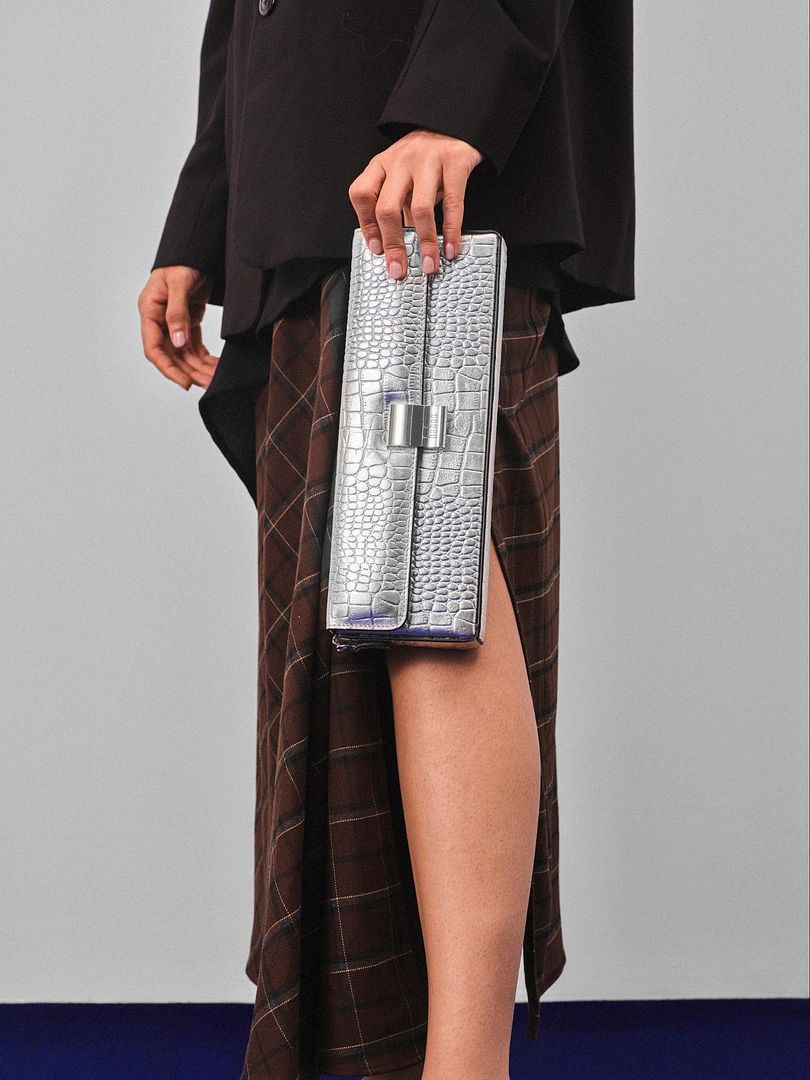
Photo courtesy of Behno
The result is a design philosophy that balances aesthetic refinement with ethical transparency. At the heart of the brand lies The Behno Standard, a framework developed to ensure responsible practices throughout the production process. The standard focuses on key principles including fair wages, safe working conditions, environmental responsibility, and the empowerment of workers particularly women within artisan communities.
For Punjya, these principles are not marketing tools but fundamental elements of the creative process. Every Behno piece is designed with the understanding that luxury objects carry stories beyond their appearance stories of the artisans who craft them and the environments in which they are produced.
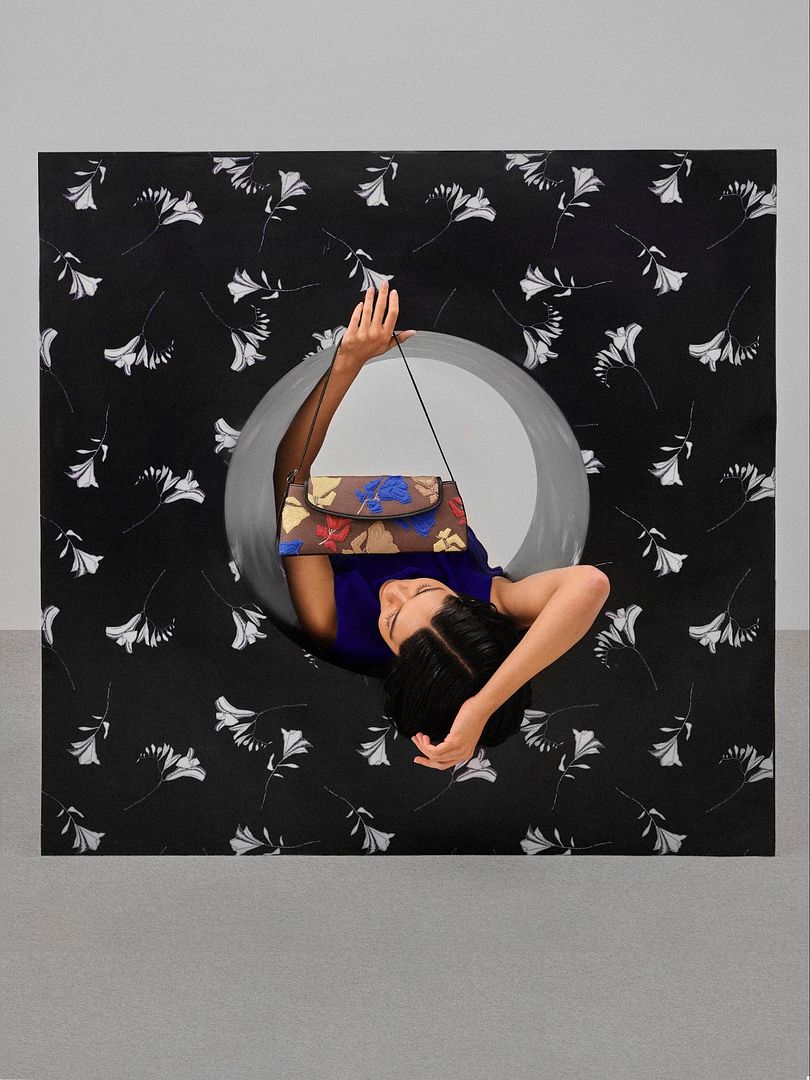
Behno’s collections are centered primarily around accessories, with handbags forming the core of the brand’s identity. Punjya approaches these designs with a sculptural sensibility, creating silhouettes that are structured yet timeless. The bags are defined by clean lines, refined proportions, and a sense of understated sophistication that allows craftsmanship to take center stage.
Unlike trend-driven accessories that dominate seasonal fashion cycles, Behno’s pieces are designed with longevity in mind. The brand focuses on creating objects that feel relevant beyond a single moment, encouraging consumers to build wardrobes around pieces meant to endure.

Photo courtesy of Behno
This dedication to timeless design is matched by a deep respect for the traditions of craftsmanship. Behno works closely with skilled artisans and specialized manufacturers who contribute generations of expertise to the creation of each piece. Through these collaborations, traditional techniques are preserved while being integrated into a contemporary design language.
Punjya often refers to this network of collaborators as the Maison de Behno, a collective of artisans, material specialists, and craftspeople who share a commitment to responsible luxury. From leather workers to textile specialists, each contributor plays a role in shaping the final product.
The brand’s connection to artisan communities is particularly important. By working directly with craftspeople and maintaining transparency within the supply chain, Behno aims to create economic opportunities while supporting the continuation of traditional handcraft techniques.

Photo courtesy of Behno
In addition to these collaborations, Behno has partnered with organizations that advocate for ethical manufacturing and the economic empowerment of artisan communities. These partnerships reinforce the brand’s belief that fashion can function as a platform for social progress as well as creative expression.
Yet despite the depth of its ethical framework, Behno never sacrifices aesthetic ambition. Punjya’s accessories remain unmistakably luxurious—carefully constructed pieces that embody both elegance and practicality. The result is a collection of handbags that feel simultaneously modern and enduring.
This balance between beauty and responsibility reflects a broader shift taking place within fashion. Consumers today are increasingly interested in understanding how their products are made and who makes them. Brands like Behno are responding to this awareness by offering transparency alongside design excellence.
Rather than presenting itself as a perfect solution to the industry’s challenges, Behno approaches sustainability as an evolving process. Punjya emphasizes continuous improvement, working with partners who are committed to raising standards over time rather than claiming immediate perfection.

Photo courtesy of Behno
Through this approach, Behno represents a new generation of accessory design, one that recognizes luxury as something deeper than exclusivity. Instead, it suggests that true luxury lies in craftsmanship, transparency, and the respect given to the people who bring these objects to life.
In an industry often defined by excess and rapid change, Shivam Punjya’s work offers a quieter but more meaningful vision of fashion’s future. With Behno, luxury becomes not just something to admire, but something to believe in.