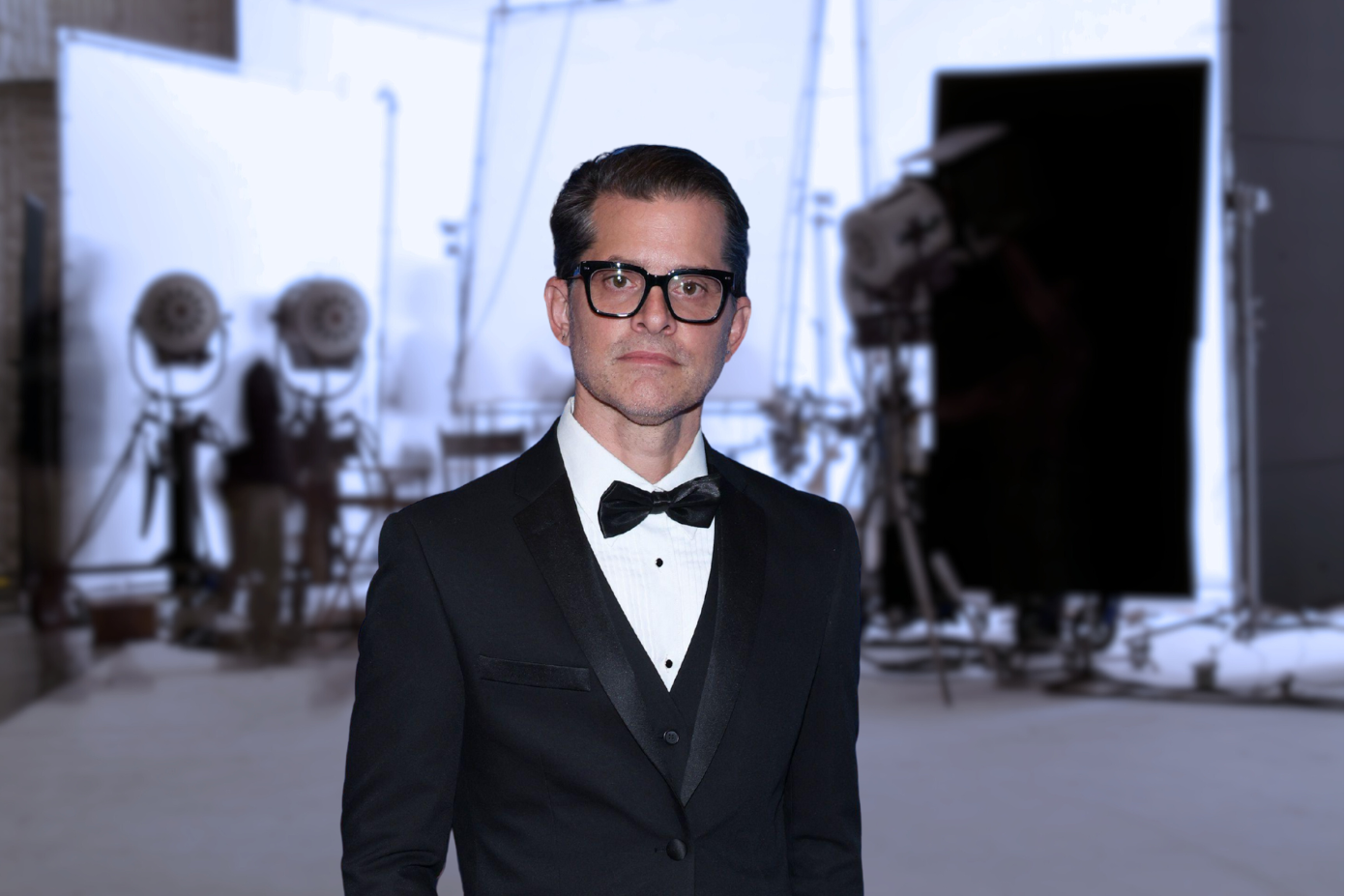
Audiences can spot a stock character from a mile away. After decades of reality television, viewers have learned to identify the villain, the sweetheart, and the troublemaker within the first episode. Bennett Graebner, who spent nearly two decades as an executive producer on ABC Network, argues that this familiarity has made predictable casting a liability rather than an asset.
The most compelling television, Graebner contends, comes from people who refuse to fit neatly into established categories.
Why Have Traditional Archetypes Lost Their Power?
Reality television trained its audience well. Viewers now recognize the editing tricks, the manufactured conflicts, and the character types that producers deploy season after season.
“Audiences have come to see and understand the common archetypes, like, oh, there’s the villain, and there’s the girl next door. It’s just not interesting,” Bennett Graebner explains.
Recognition breeds boredom. When viewers can predict how someone will behave based on their first impression, the suspense disappears. Shows like Big Brother and Survivor have relied on familiar archetypes for so long that audiences can often identify which “bucket” a contestant falls into within minutes of their introduction.
Common casting archetypes include:
- The villain who stirs up drama and “isn’t here to make friends”
- The underdog overcoming personal adversity
- The strategist playing chess while others play checkers
- The sweetheart everyone roots for
- The wild card who creates unpredictable chaos
These roles served their purpose during reality television’s early years. Audiences needed shorthand to understand who was who and what to expect. That shorthand has now become a limitation.
What Does Graebner Look for Instead?
Bennett Graebner’s casting philosophy centers on finding people who cannot be easily categorized.
“The key is trying to cast multilayered individuals, people who will surprise you, who will show up and do things that you don’t anticipate,” he says.
Surprise creates engagement. When someone cast as a potential troublemaker reveals unexpected tenderness, or when an apparent sweetheart makes a ruthless decision, viewers pay closer attention. These moments feel earned because they emerge from genuine complexity rather than editorial manipulation.
Why Contradictions Matter
Contestants who contain contradictions mirror how real people actually behave. A corporate executive who cries easily. A soft-spoken introvert who becomes fiercely competitive. A party animal who offers the most thoughtful advice.
Research on reality TV character development supports this approach. Scholars at Western Washington University found that audiences connect more deeply with contestants who display multi-dimensional traits rather than one-note characterizations.
Writers who study reality TV archetypes have noted that the most memorable characters often combine two or three types that seem incompatible. A “surfer dude” who is also an “alpha male control freak” creates tension and interest that a straightforward characterization cannot match.
How Do Surprising Characters Change a Season?
A single surprising character can redirect an entire season’s narrative. Someone initially pegged as confrontational might become the primary love interest. A quiet presence might emerge as the most strategic player.
Bennett Graebner points to contestants like Nick Viall, who appeared on multiple Bachelor franchise shows with different characterizations each time. Viall started as something of a villain, generating conflict and skepticism from other contestants. He later returned and became a leading man, winning audience sympathy and eventually headlining his own season.
Such transformations demonstrate what happens when casting prioritizes real people over walking archetypes. Someone capable of growth and change across multiple appearances offers far more narrative value than someone who delivers exactly what their initial impression promised.
Following the Unexpected
These pivots work because they catch both producers and audiences off guard. Following a character whose behavior cannot be predicted keeps everyone invested in what happens next.
Reality television editing typically constructs heroes and villains from available footage. When a contestant’s actual behavior defies easy categorization, editors must work harder, and audiences get something more interesting to watch.
What Makes Finding These People Difficult?
Modern casting faces a paradox. Producers want authentic people, but potential contestants have absorbed decades of reality television tropes. Many arrive at auditions performing what they believe the show wants rather than presenting their genuine selves.
Social media compounds this problem. Aspiring contestants study viral moments and breakout stars, then attempt to replicate behaviors that earned screen time and followers. Spontaneous reactions become calculated performances.
Graebner describes the challenge of convincing people that producers genuinely want them to be themselves. Contestants often assume there must be a trick, that casting directors are looking for specific types and performances rather than actual human beings with unpredictable depths.
How Can Producers Identify Genuine Complexity?
Finding multilayered individuals demands more intensive casting processes. Surface-level auditions reveal surface-level personalities. Discovering genuine complexity requires deeper conversations and multiple interactions.
Casting directors must learn to identify candidates whose initial presentation hints at hidden dimensions. Someone who seems entirely one way but drops occasional clues to something more becomes a worthwhile investment.
Graebner emphasizes that the best casting finds people comfortable with contradiction. Real people are not consistent. They behave differently in different circumstances, hold conflicting beliefs, and surprise even themselves with their reactions to unexpected situations.
Reality television that captures this messiness feels more authentic than shows populated by consistent types executing predictable arcs.
Why Does This Approach Produce Better Television?
Viewer sophistication continues to increase. Audiences who grew up watching reality television understand its conventions intimately. Meeting their expectations delivers diminishing returns.
Shows that find genuinely surprising people stand out from those recycling the same character types across endless seasons. Compelling television has always depended on characters who make choices audiences cannot predict.
Bennett Graebner’s approach requires treating contestants as full human beings rather than representatives of familiar categories. When casting succeeds in finding people whose depths exceed their initial impressions, the result is television that holds attention from premiere to finale.
Otherwise, viewers will continue recognizing the archetypes before the first commercial break and tuning out long before the season ends.