Berlin has spent decades cultivating a particular reputation. People arrive in search of stories that begin after midnight and end sometime the following afternoon. They come for techno, for weekends that stretch into Monday mornings, for the promise of a city that still feels permissive in ways many European capitals no longer do
Yet on a warm afternoon in Charlottenburg, that version of Berlin feels very far away. Cyclists move steadily along Kantstraße. Antique shops spill silverware, chandeliers and mid-century furniture into their windows. Coffee cups knock softly against saucers in shaded courtyards. The city still moves, but at a slower tempo.
What if I told you I went to Berlin and didn’t go out once? Not to a club. Not to a rave. Not to a basement dancefloor at 4am. Instead, I spent my time in a former women’s prison. Behind an unassuming gate on Kantstraße, a narrow courtyard opens up between walls draped in greenery. Above the entrance, illuminated in a white glow, sits the name WILMINA. It is a hotel that reveals another side of Berlin: one built around long breakfasts, afternoon swims, neighbourhood restaurants and early morning runs by the lake.
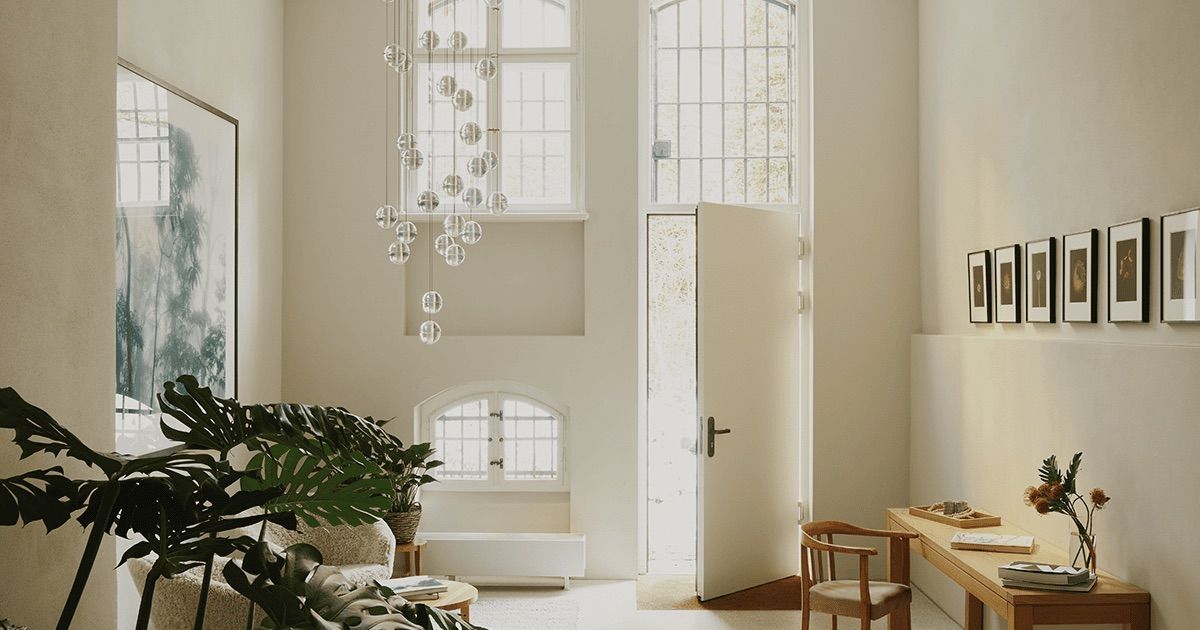
Where to Stay: Wilmina
“What did this building used to be?” I asked as we crossed the courtyard towards a towering metal door.
“A women’s prison.”
Suddenly the heavy metal doors, inward-facing courtyards and thick walls made sense.
Wilmina occupies a former courthouse and prison on Kantstraße 79, transformed over eleven years by Berlin architects Armand Grüntuch and Almut Grüntuch-Ernst. The challenge was architectural as much as psychological: how do you take a building designed for separation and turn it into one that encourages people to gather? The project raised questions beyond architecture. How much of the prison’s past should remain visible? “We undertook the project with a certain humanity,” say Grüntuch and Grüntuch-Ernst. “It raised not only aesthetic questions but ethical and cultural ones too.”
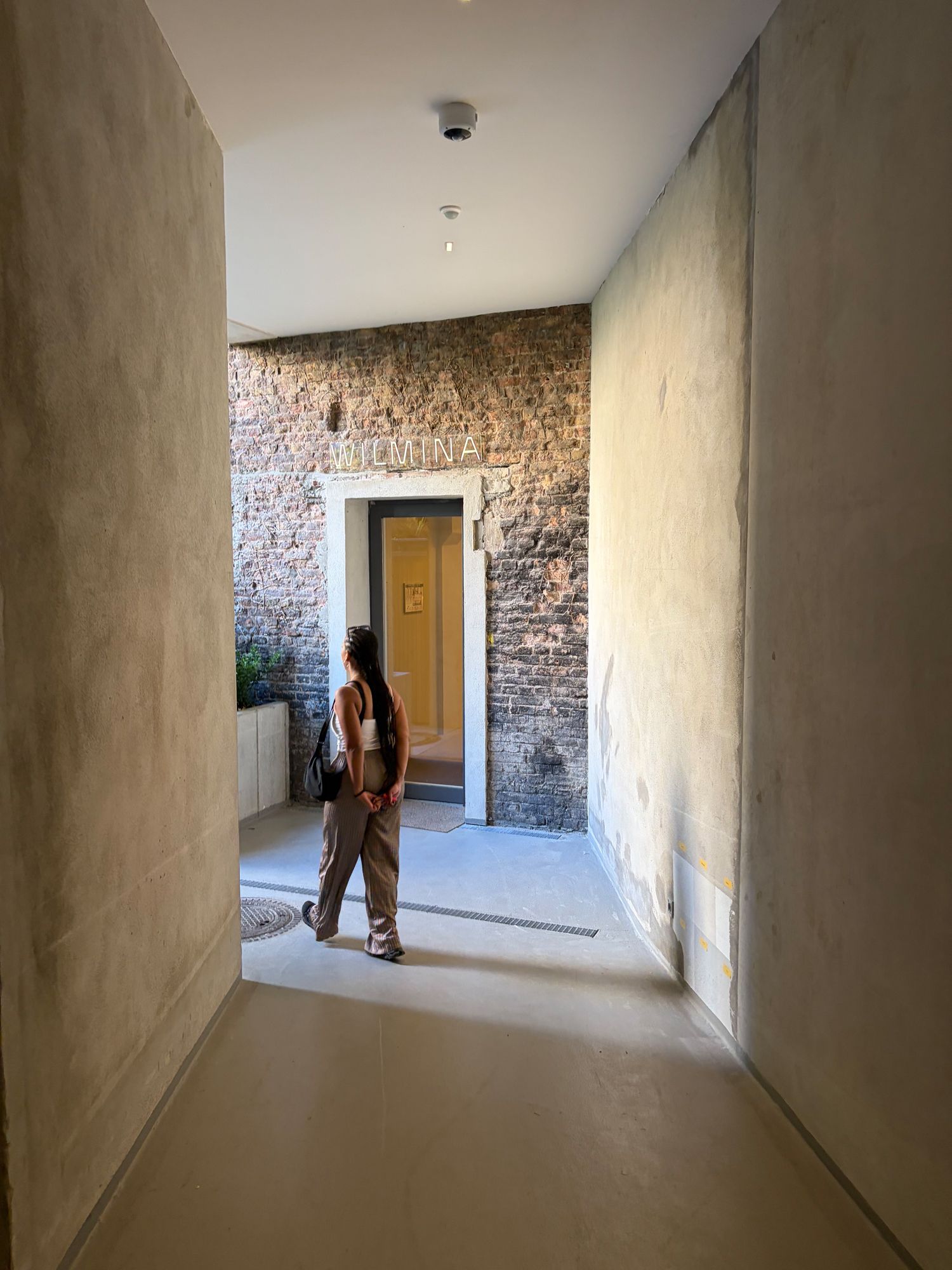
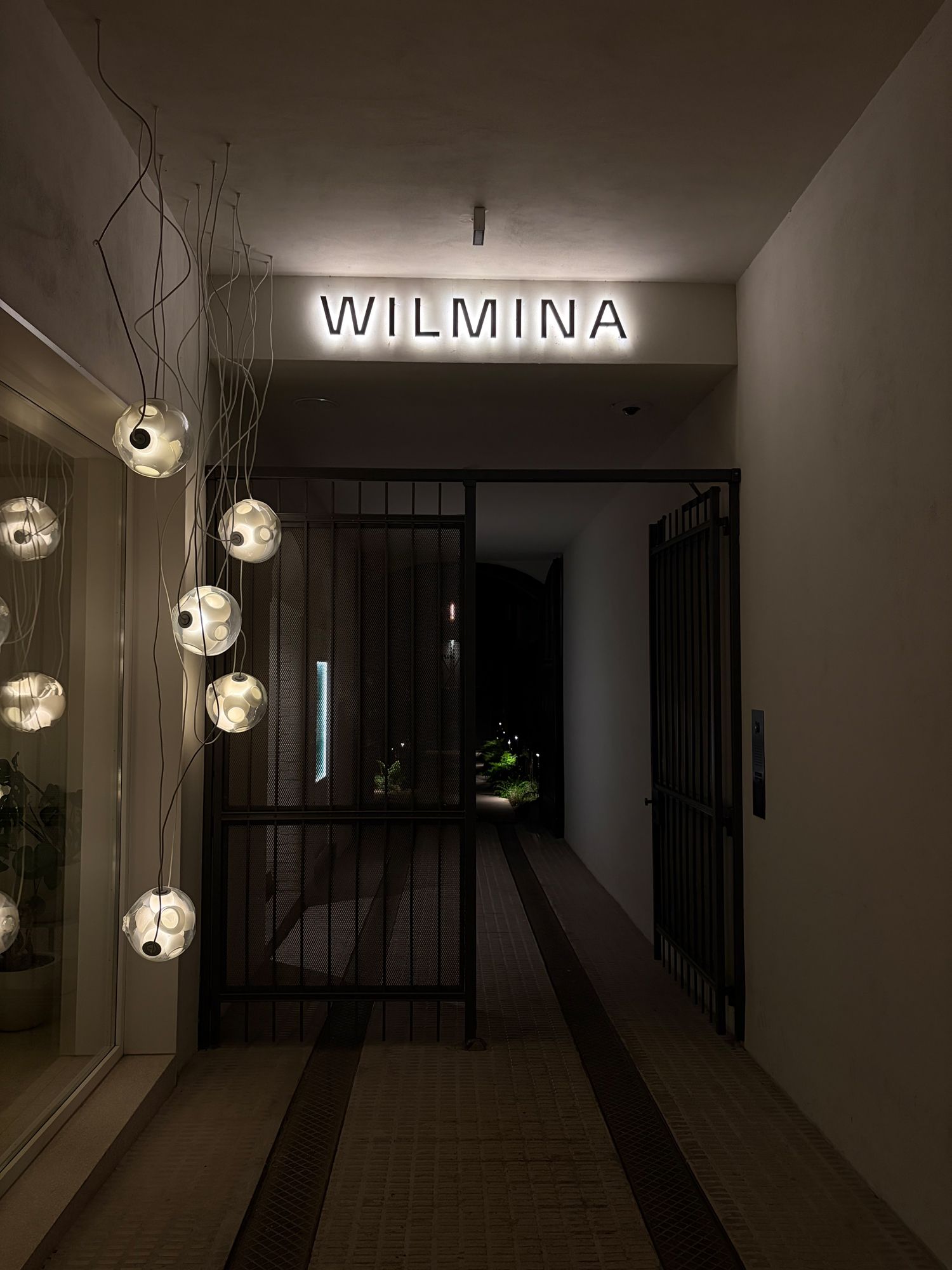
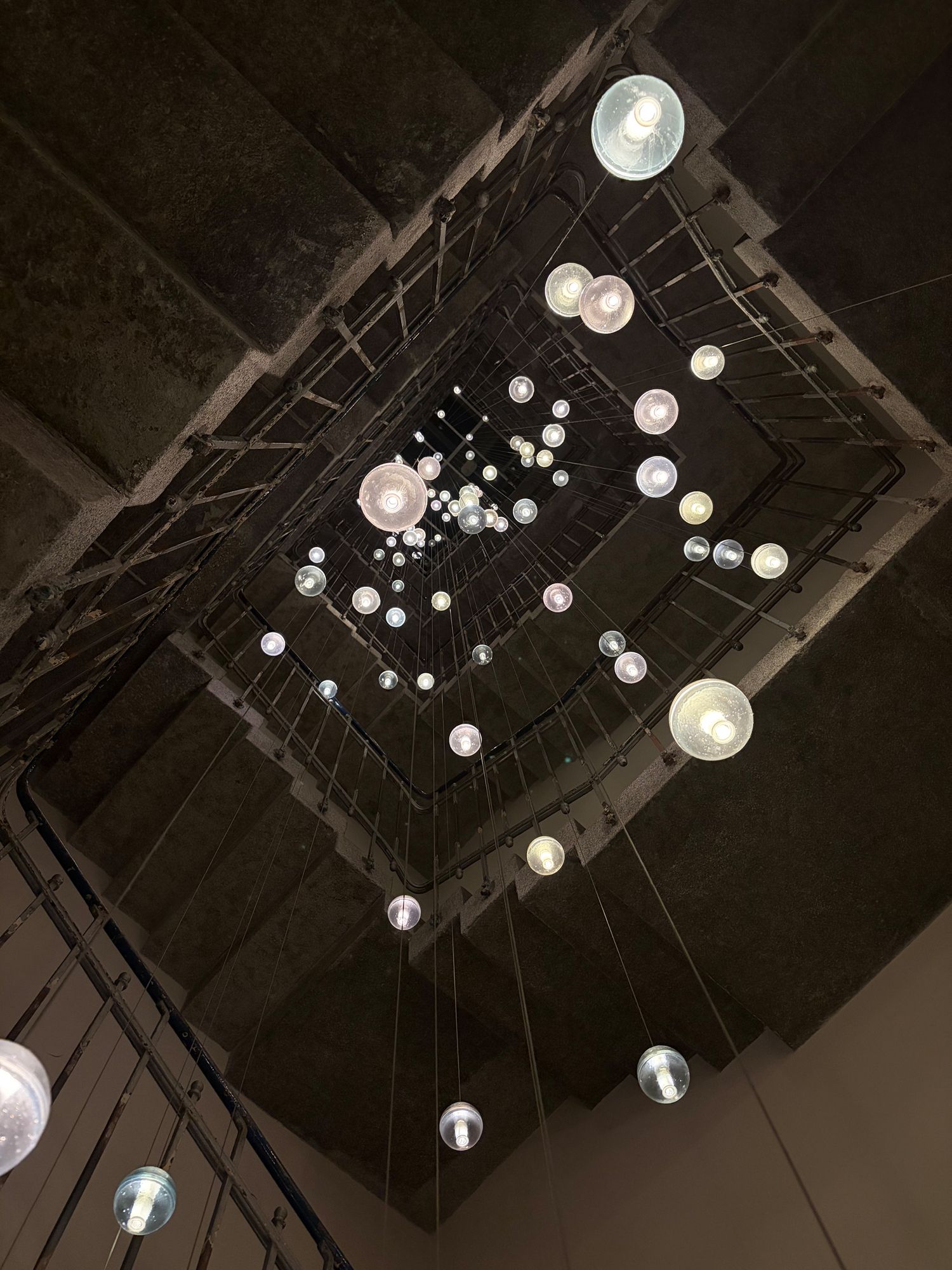
The traces remain throughout. Original cell doors frame corridors. Brickwork emerges between smooth plaster walls. Sections of the former prison have been opened up, with rooms connected, windows enlarged and natural light pulled deep into the building.
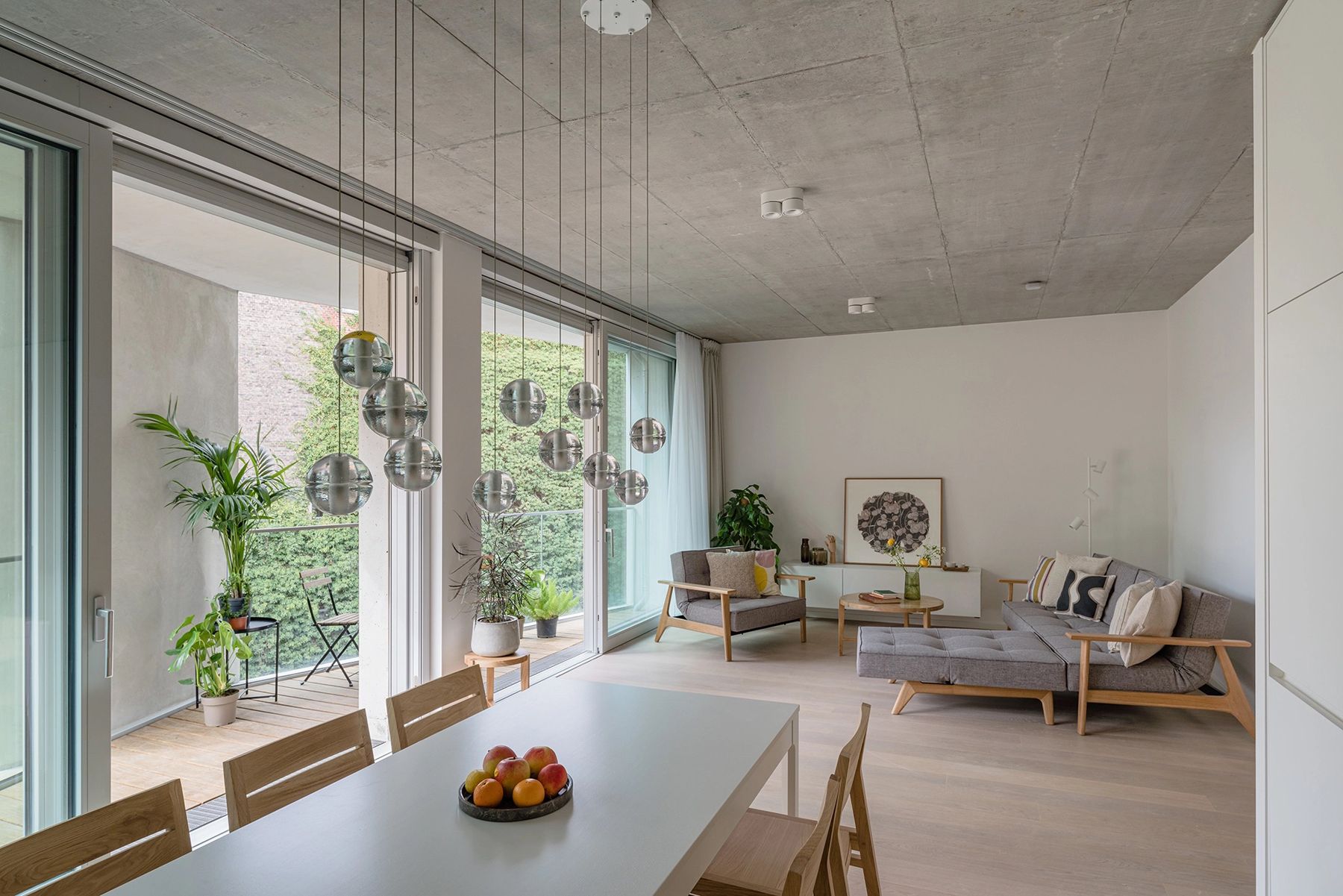
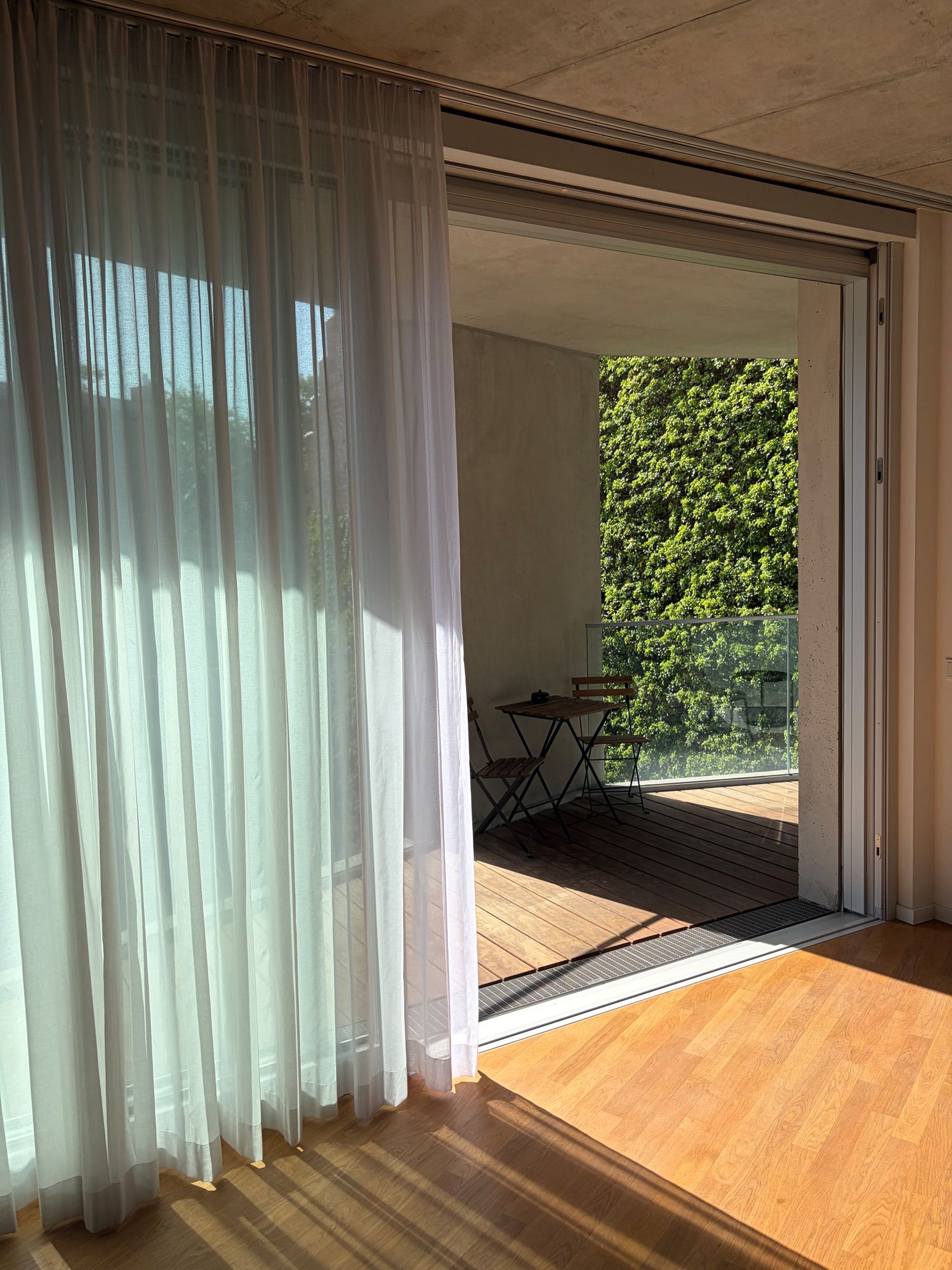
Our room, on the fourth floor, overlooked the courtyard of Lotta – the hotel’s café – below. The interiors favour pale timber, natural stone and soft whites, creating a sense of spaciousness that feels remarkable given the building’s former purpose. Grüntuch and Grüntuch-Ernst were determined to avoid excess. “It was important to us that the rooms should not be decorated with superficial opulence but radiate a certain lightness, openness and calm instead.”
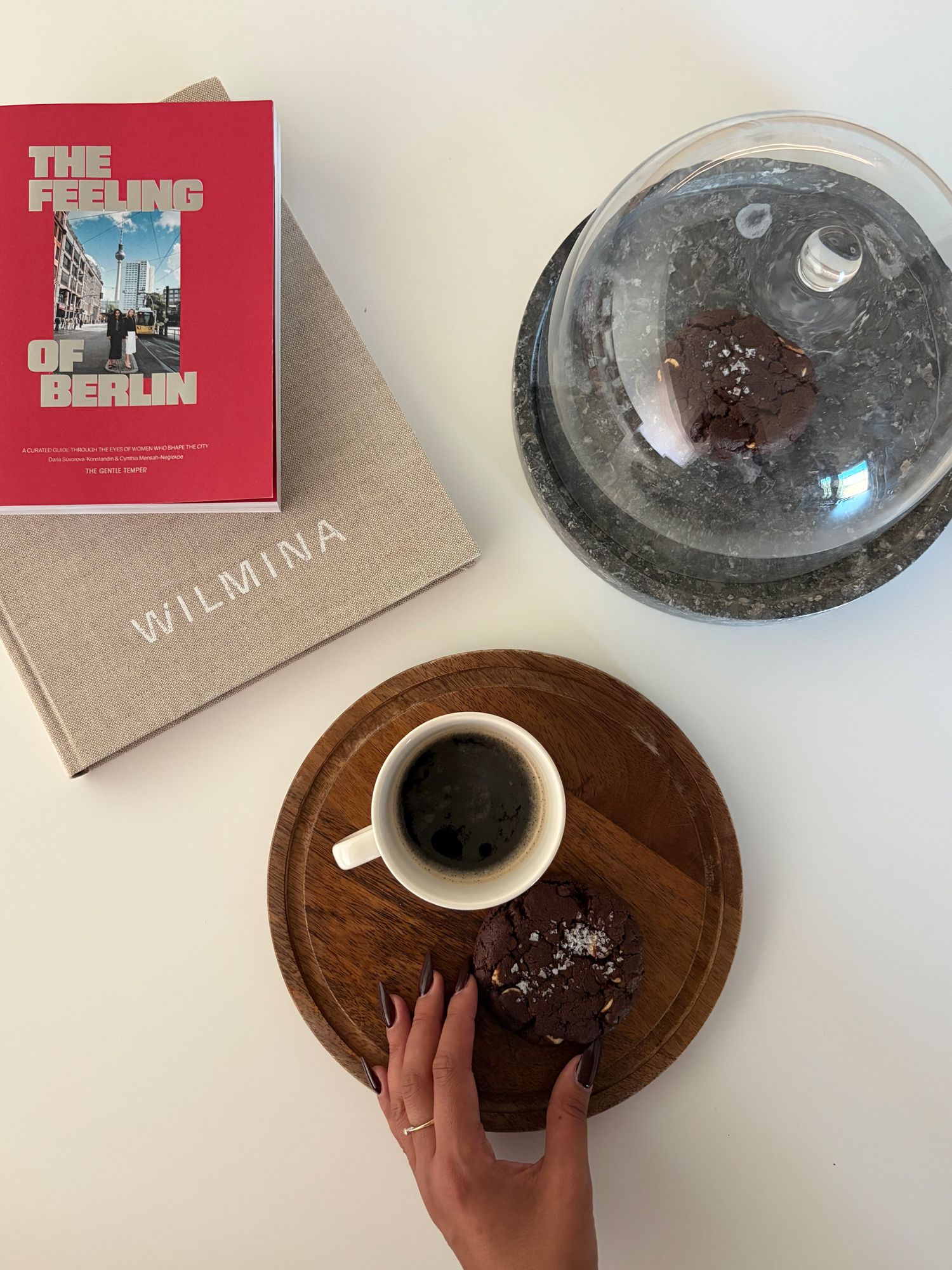
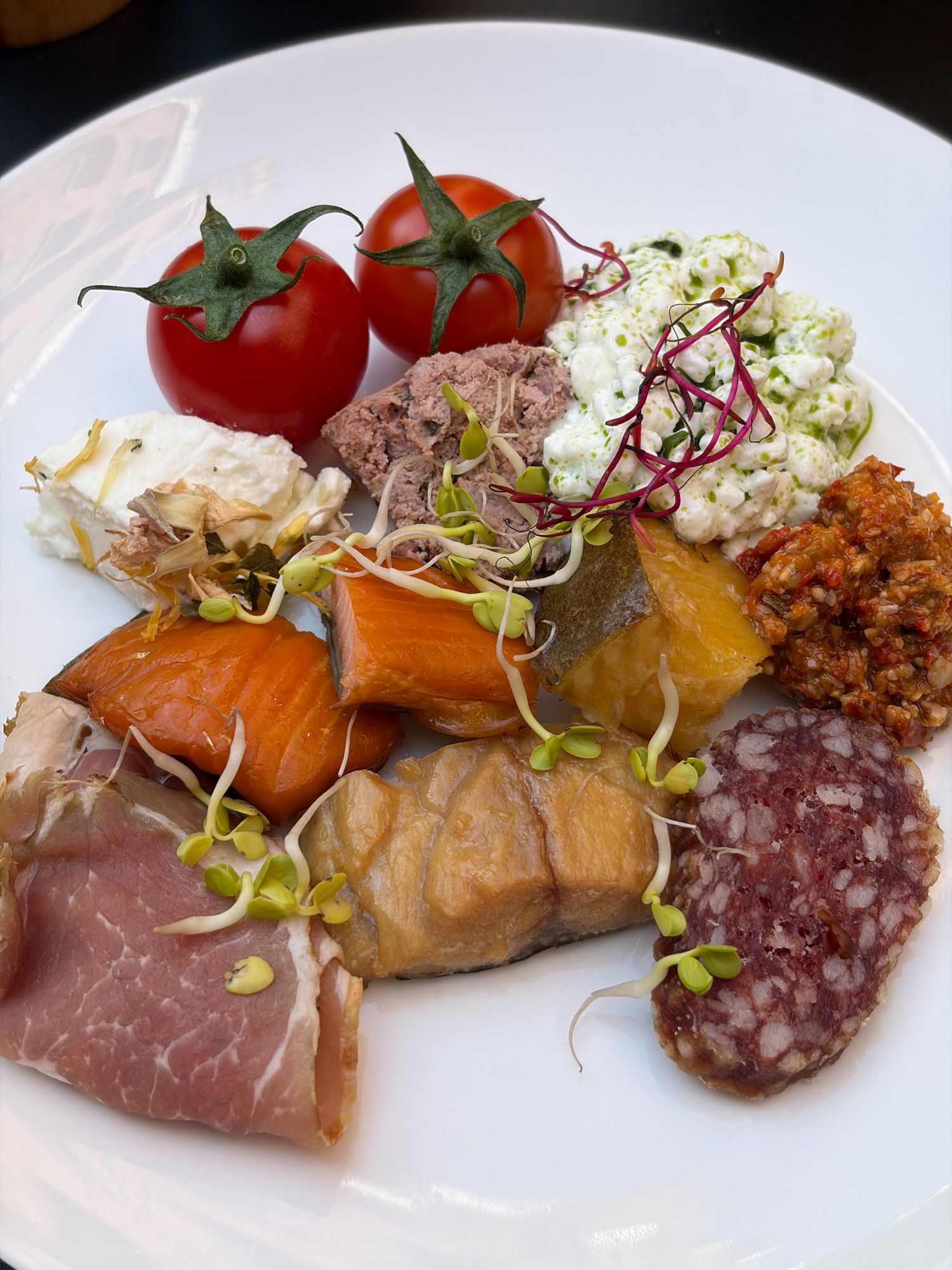
Early each morning, the sounds of breakfast drifted upwards: cups being set down, chairs scraping lightly across stone, conversations beginning. Lotta’s courtyard has become the social centre of the hotel, and is open to guests and members of the public. Business travellers settle in with laptops and espresso. Couples map out their day over pastries and coffee. Families arrive later, taking their time. Plates of homemade granola, seasonal fruit, cheeses and fresh bread move between tables beneath climbing vines and mature trees.
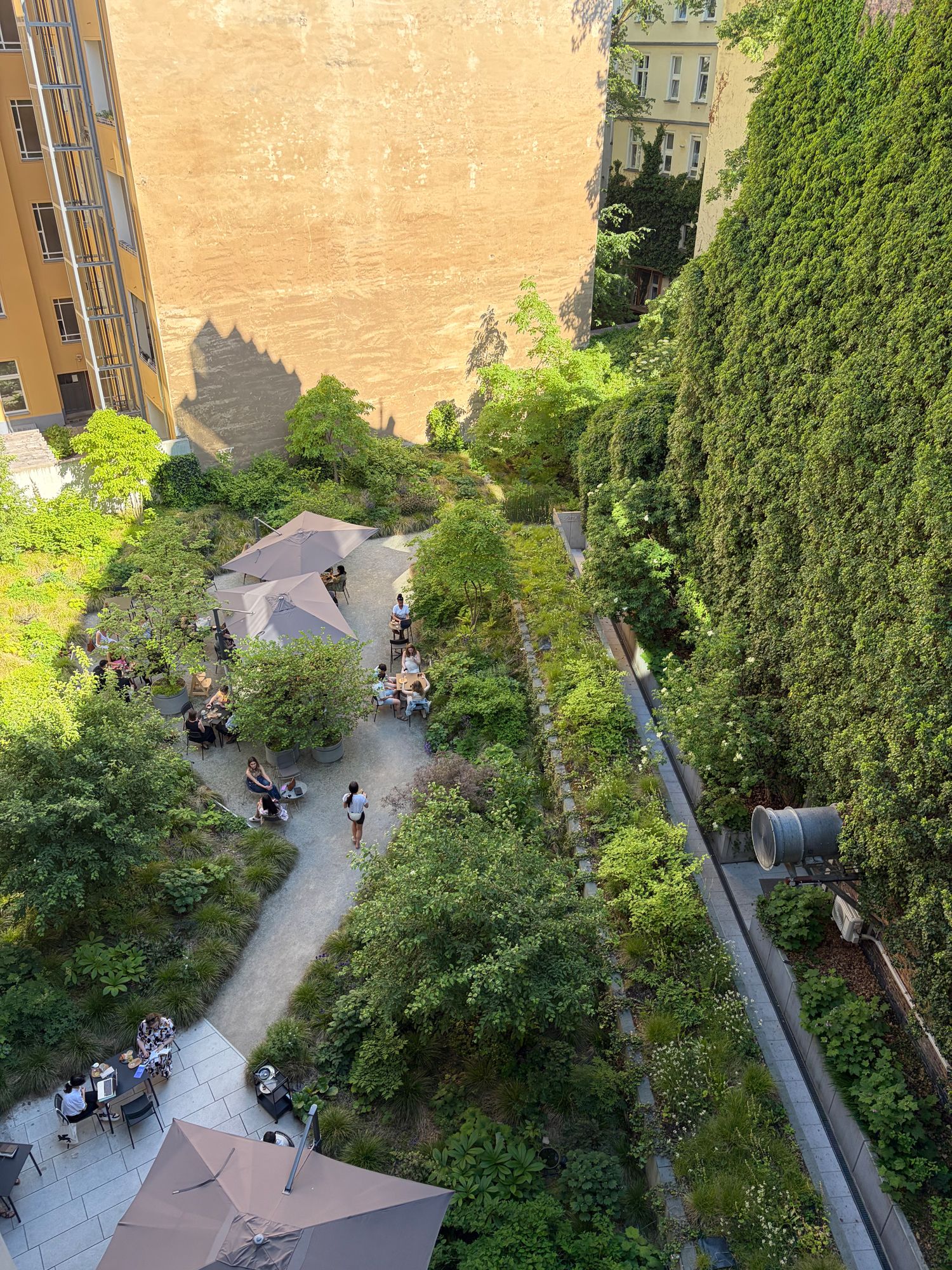
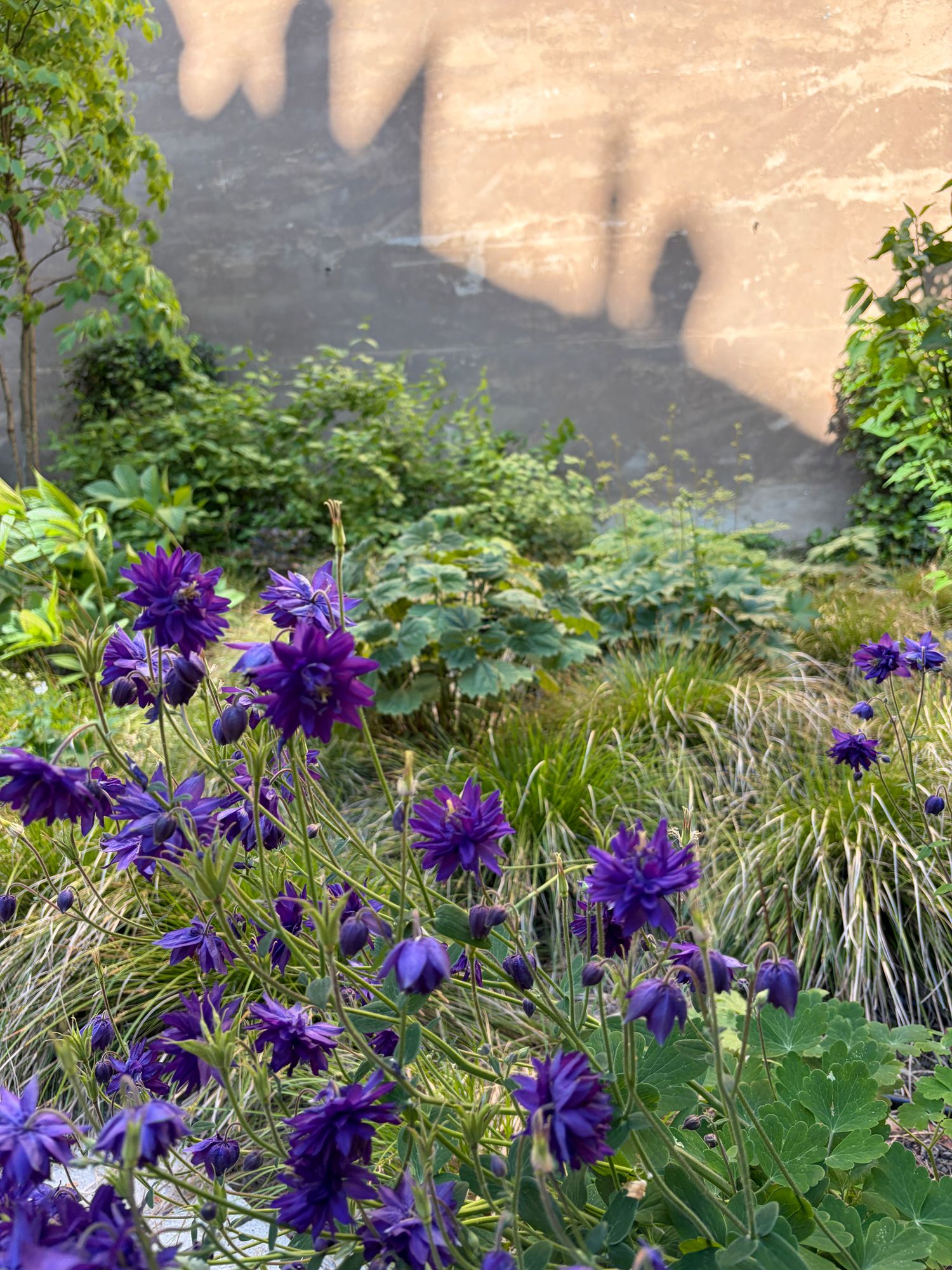
Charlottenburg offers a different rhythm from Berlin’s better-known nightlife districts. There are lakeside running routes, independent antique shops, galleries and restaurants where dinner remains the main event of the evening. One morning we ran around nearby Lietzensee before returning for breakfast. By the time we arrived back at the hotel, the courtyard was already filling, and sunlight had reached the upper floors of the former prison walls.
Wilmina feels like an extension of the neighbourhood itself, as Grüntuch-Ernst explains, “The goal is to keep adding a new trace of time to the city’s palimpsest without letting other layers of its past lose their visibility. This creates a complexity that, within the cultural-historical sequence of generates, constitutes the unique value of a city.”
Where to Dine: Lovis
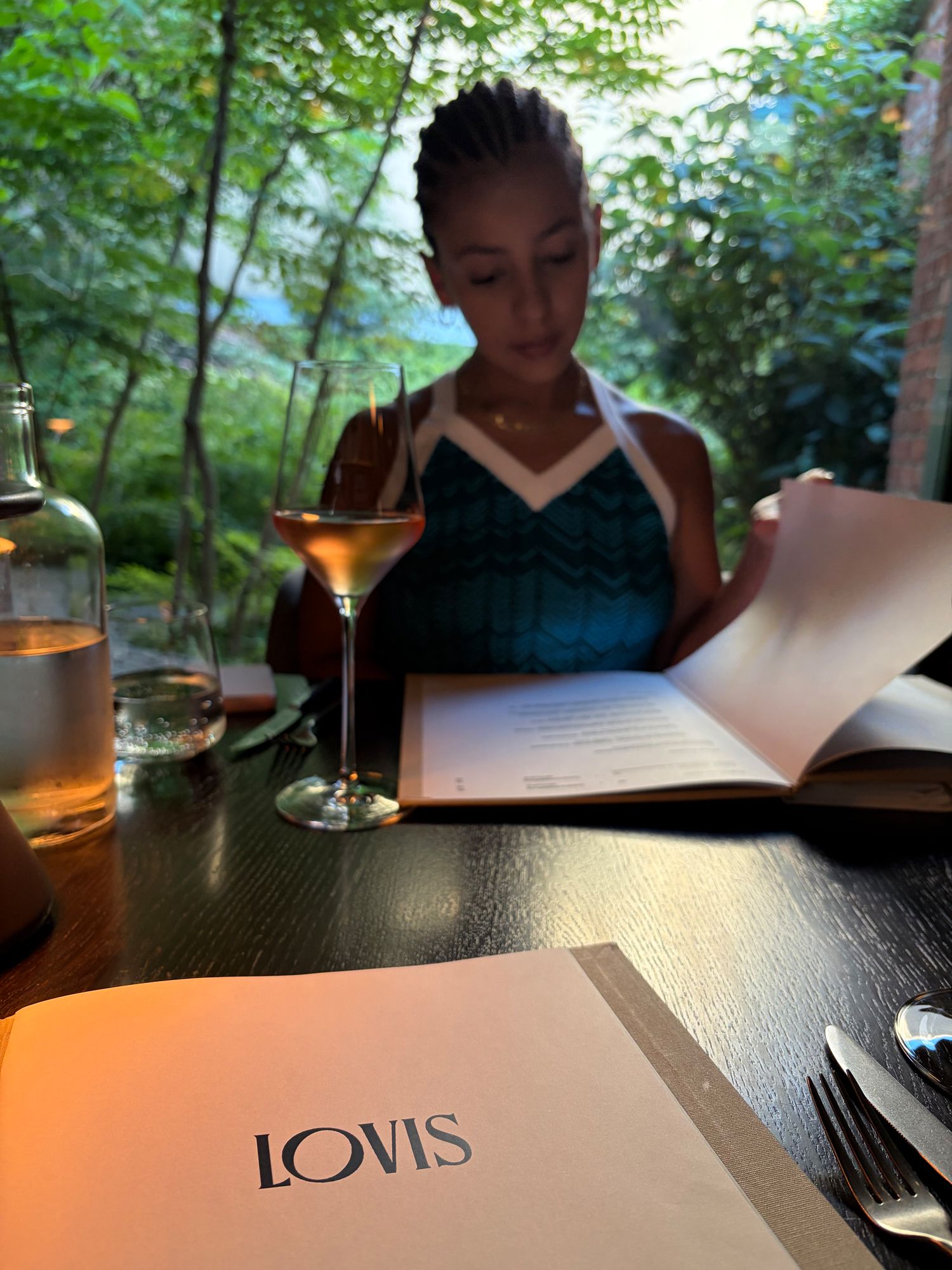
The restaurant occupies part of the former prison complex, and the building’s history remains visible throughout. The first dining room is known as the Aquarium, named for the vast windows that run along one side of the space. Beyond them sits a dense wall of greenery, turning the room into something resembling a conservatory. Red brick walls, soft lighting which floats above, and arched windows create an atmosphere that feels intimate and cosy, softening the building’s institutional past. Our table faced the garden, framed by leaves and late evening sunlight.

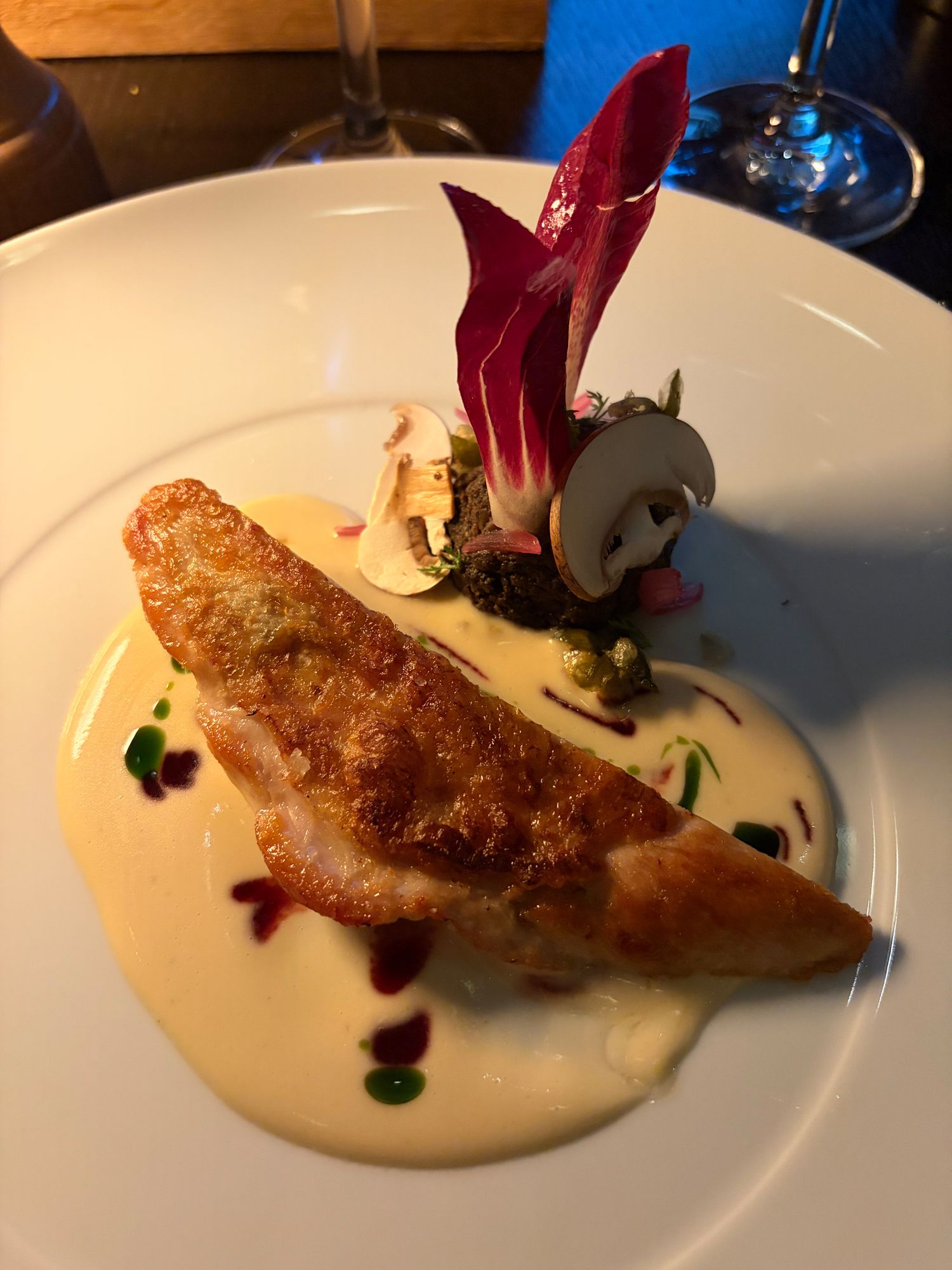
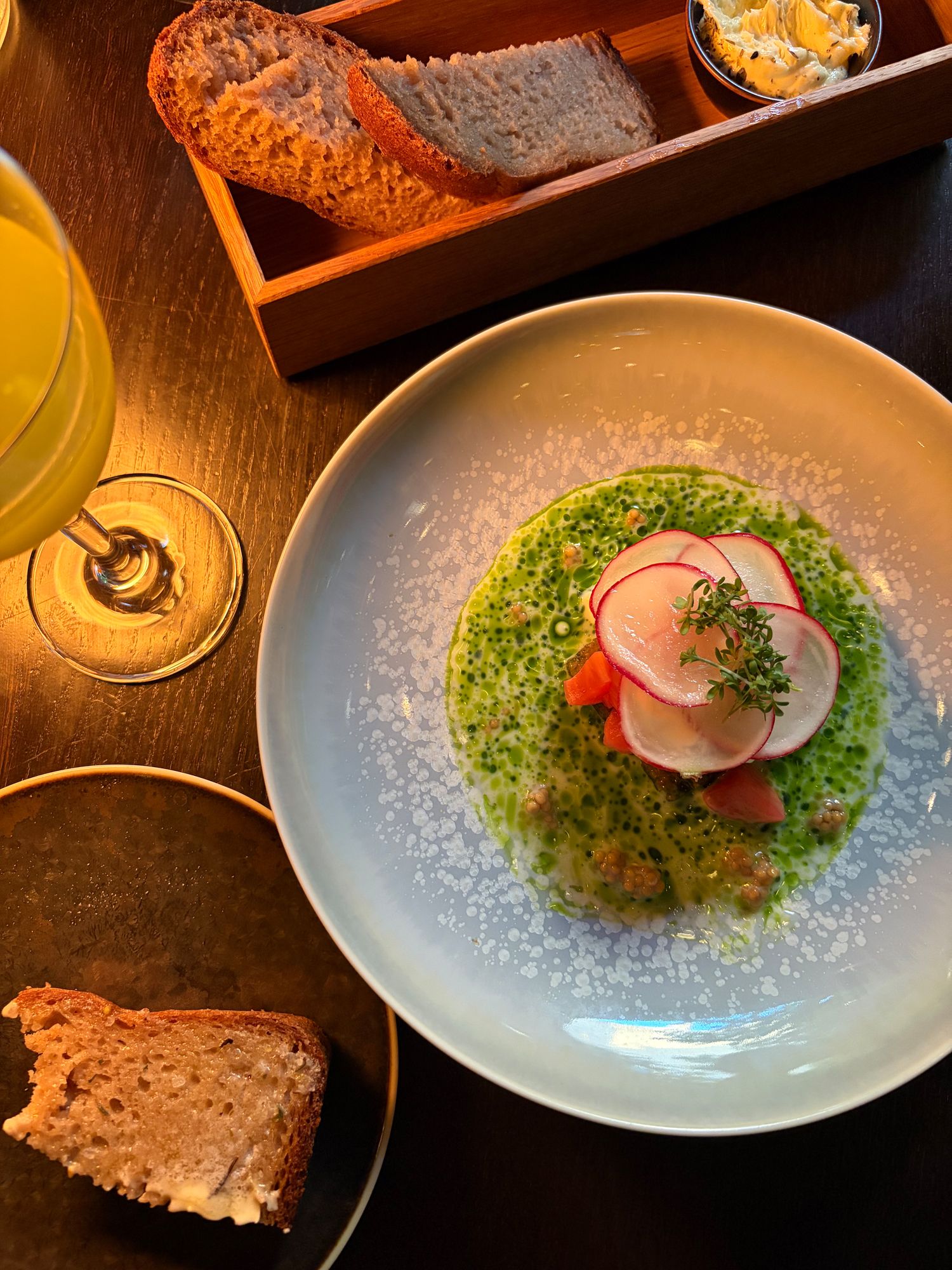
The menu is concise, offering four- and six-course tasting menus alongside a small à la carte selection, meaning there is little need for deliberation. The meal began with a series of amuse-bouches, followed by warm gluten-free bread served with butter and lemon zest. Pickled radish arrived alongside rye bread and herbed quark, fresh and bright, with flavours that felt perfectly suited to spring. Jakub talked us through each course as it arrived, offering details about the ingredients and preparation with a natural enthusiasm. A standout course paired braised kohlrabi with brown butter hollandaise and kimchi, bringing richness, acidity and smoke together on a single plate. Dessert followed in the form of strawberry parfait with caramelised white chocolate and dill, an unlikely combination that worked beautifully.
The drinks pairings carried the same level of attention. A non-alcoholic aperitif of green apple, green pepper and ginger opened the meal with freshness and acidity. German and French wines appeared throughout the evening, including a natural red produced by a former member of the Lovis team. Like the hotel, Lovis draws heavily from its surroundings, with much of the produce coming from the surrounding region.
Where to Unwind: The Sauna
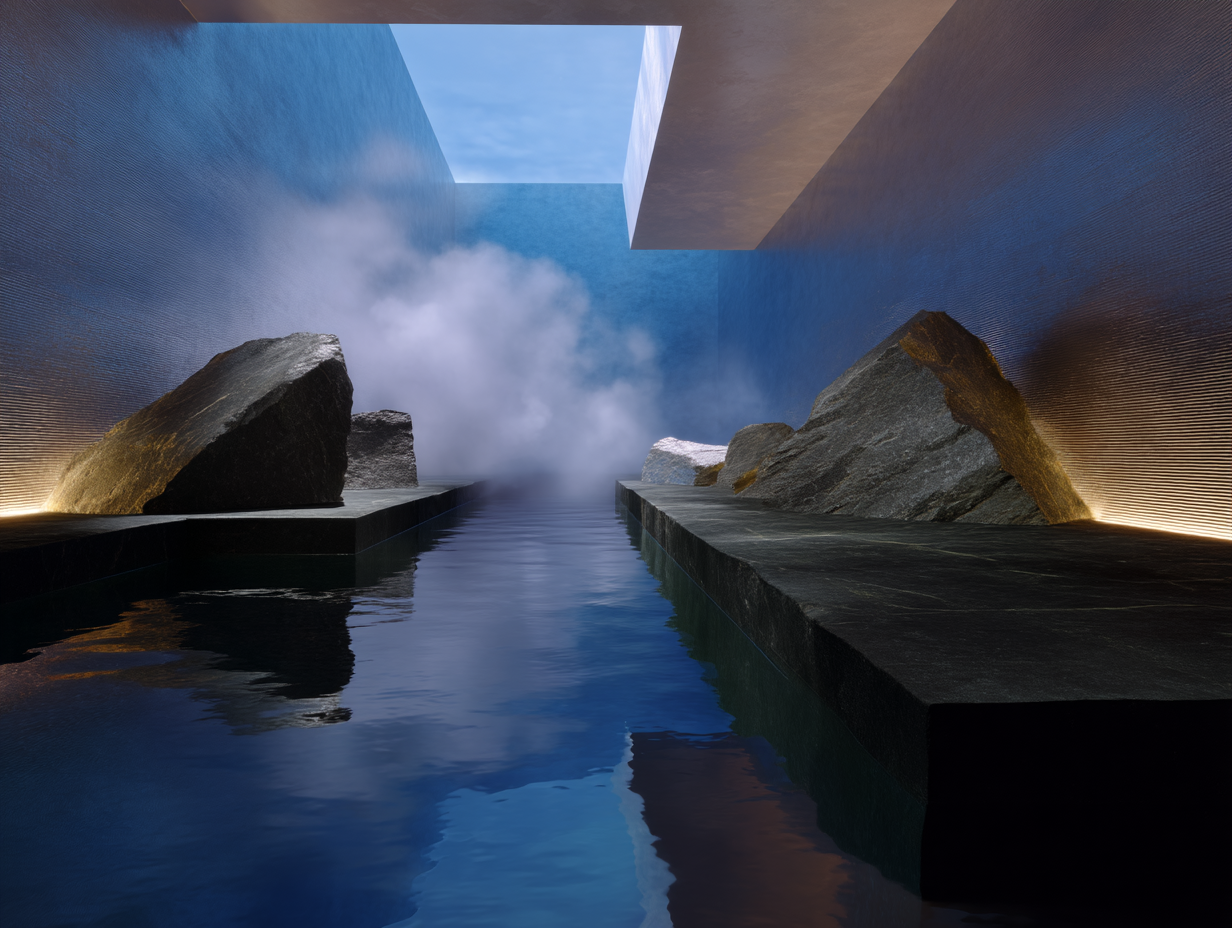
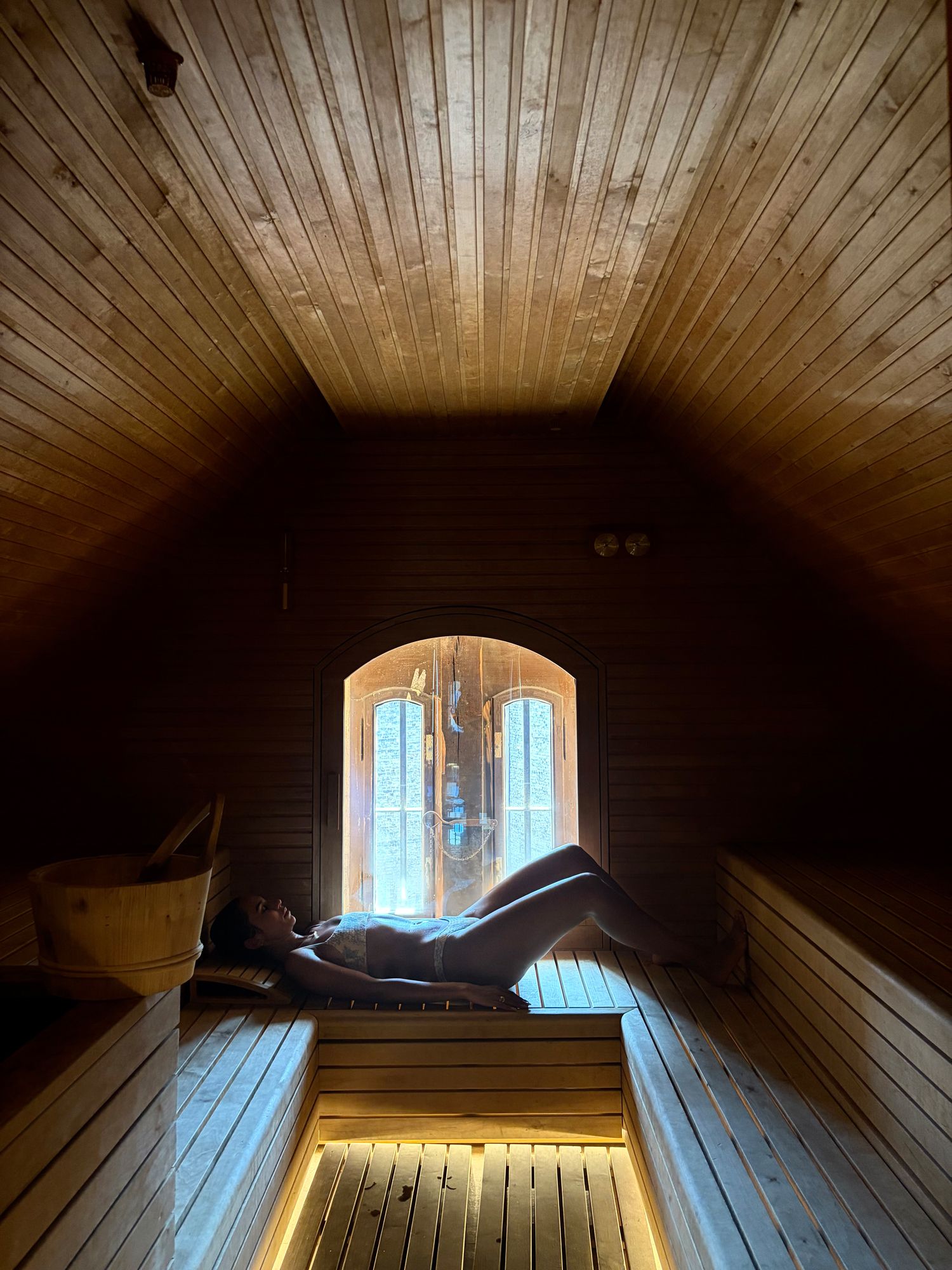
By our second afternoon, the sauna had become less of a luxury and more of a necessity. Timber-lined and softly lit, the space sits tucked away from the rest of the hotel. A narrow window admits natural light, and after a few minutes, our conversation gave way to silence. Afterwards, stepping back into the courtyard, the air felt cooler, and the city beyond the gates seemed further away than before.
Above, the rooftop pool stretches across the top of the building, offering views across Charlottenburg’s rooftops. Together with a Pilates studio and compact gym, it forms part of the hotel’s daily rhythm. Guests can swim before breakfast, read beside the water in the afternoon and return from runs around Lietzensee ready for another hour in the sauna.
Location: Kantstrasse
Part of Wilmina’s appeal lies in its address. Grüntuch reveals, “We learned that the best thing that can happen to a heavily burdened place is to embrace its history. Not to remake it into a museum, but to integrate it into the future and the city’s everyday life.”
Kantstraße cuts through the heart of Charlottenburg and remains one of Berlin’s most rewarding streets for eating and drinking. Vietnamese restaurants sit alongside independent cafés, bakeries and wine bars. Residents queue for morning coffee while restaurant kitchens prepare for evening service.
From the hotel, some of the neighbourhood’s best dining is within walking distance. Madame Ngo continues to draw devoted regulars for its Vietnamese cooking, while Ryotei 893 remains one of the city’s most distinctive Japanese restaurants. The pleasure, however, comes as much from wandering as from arriving anywhere specific. Charlottenburg rewards curiosity. One street leads to a bookshop, the next to a hidden courtyard café.
For a city so often defined by its nightlife, Berlin reveals a different character here. One built around neighbourhoods rather than headlines, mornings rather than mornings-after. Wilmina happens to be the perfect place from which to experience it.
For bookings visit www.wilmina.com
Words by Ama Samra and Eva Sibanda