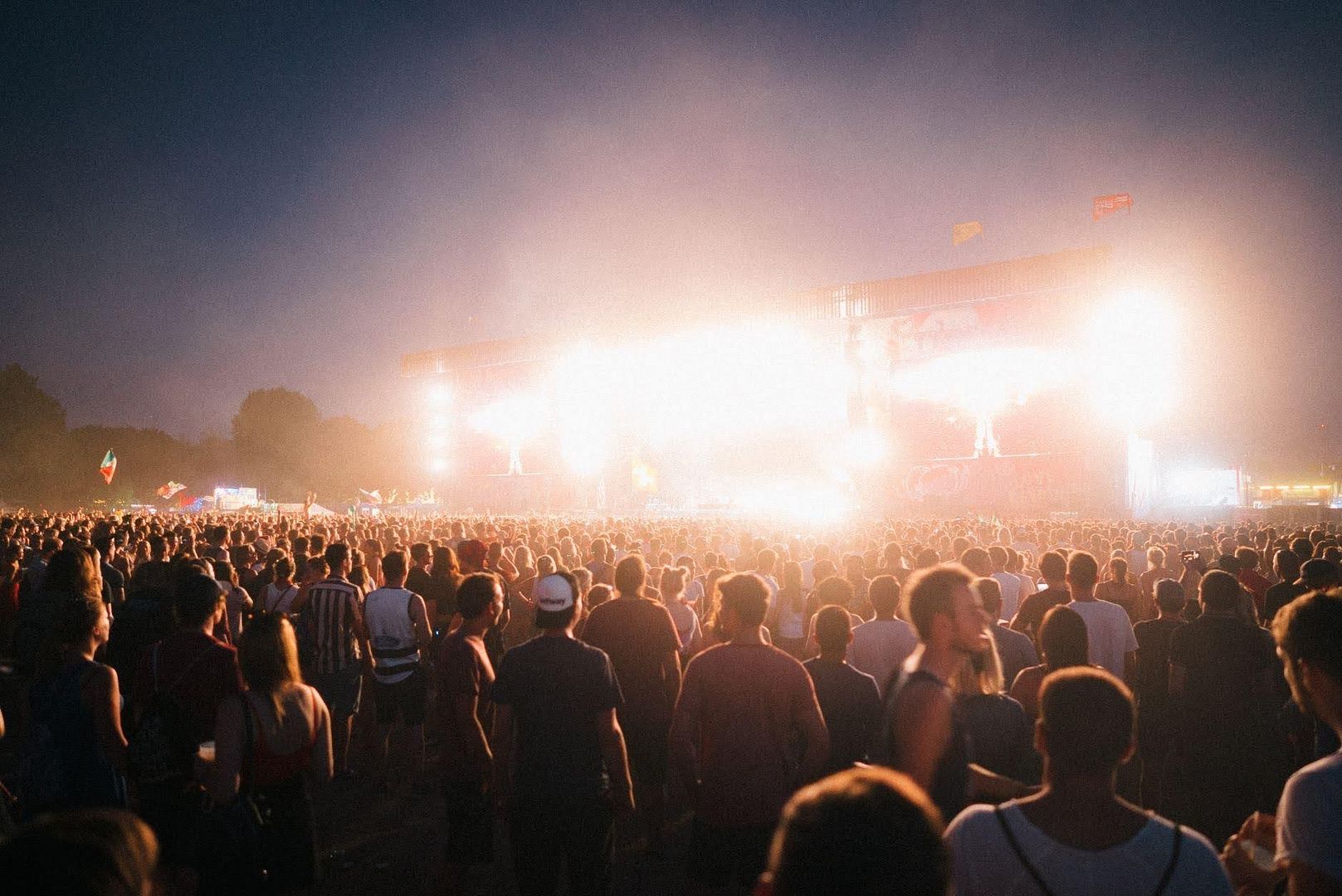
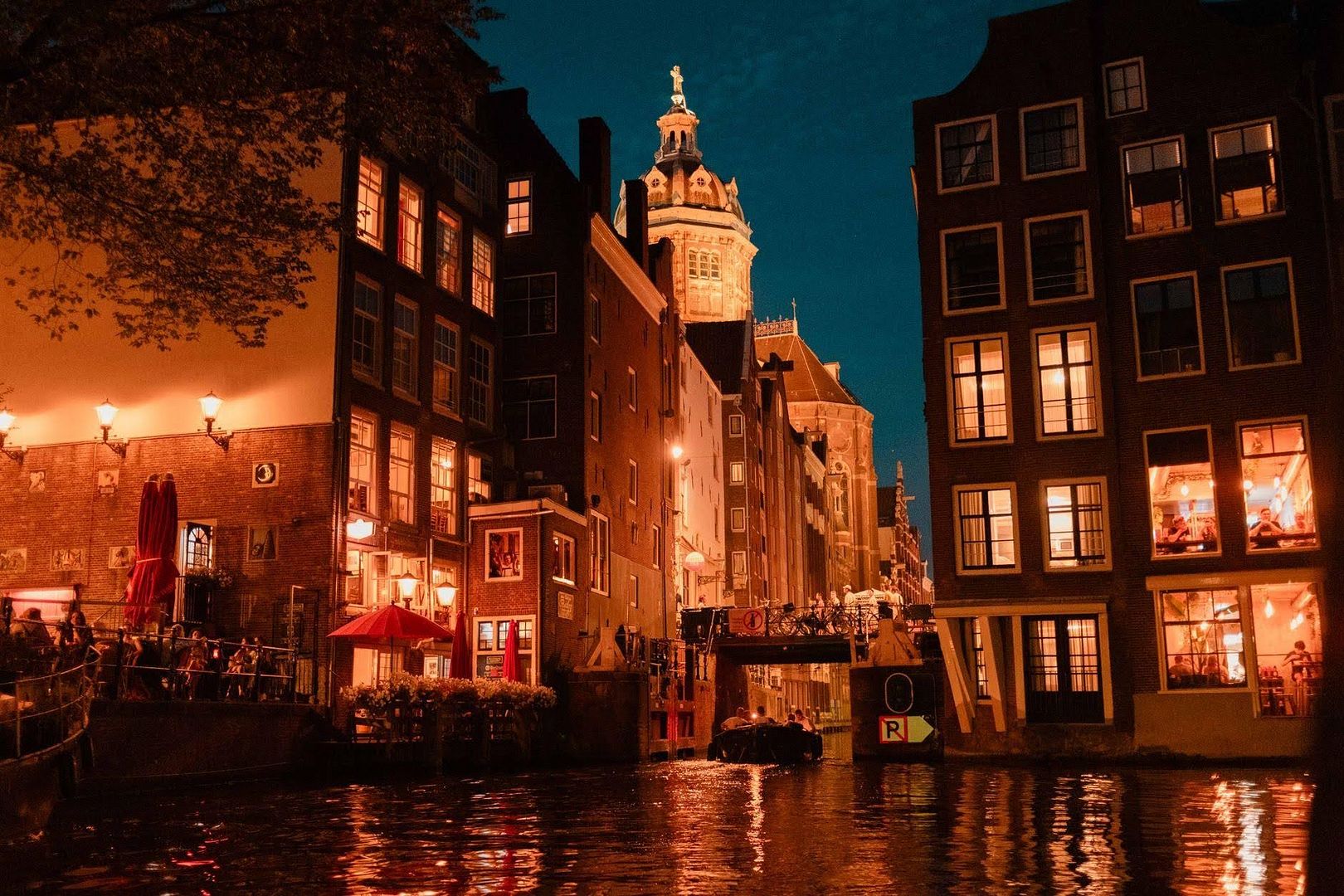
Twenty-four hours is the length of the licence a short list of Amsterdam venues holds, and what it buys is a night nobody has to end at 3am with the room still filling. Very few cities have written that into law. The best music festivals in Amsterdam run from Easter to late October, led by DGTL, Amsterdam Open Air, Milkshake, Dekmantel, Loveland and Amsterdam Dance Event, and day tickets have recently sat in a 55 to 95 euro band. Almost none of them run a campsite, so the line that quietly doubles your budget is seven nights of a bed in a city short of them.
Why the city gets this right
Plenty of cities have good clubs. Amsterdam gave its clubs a lobbyist with a title. The night mayor is an independent post that sits between the venues and the council, and the office made an argument nobody had bothered to make properly: a club forced to shut at 3am tips two thousand people onto a residential street in the same minute, while a club allowed to run until 8am lets them leave in ones and twos.
The council took the point. It started granting 24-hour licences, but only to venues sitting outside the residential ring.
Read that condition again, because it explains the rest of this article. The policy that keeps the music going is also the policy that pushed it to the edge of the map. It is why the rooms worth queueing for sit in a decommissioned shipyard and a gasworks rather than the canal belt, and why every ticket you buy comes with a transport decision stapled to it.
The two worth the airfare
Dekmantel takes the Amsterdamse Bos in August, and the site is a reason to go before the line-up is. The Bos is a forest, about a thousand hectares of it, and not one tree in it is an accident. The city dug and planted the whole thing by hand in the 1930s as a work-relief scheme for the unemployed, and it came out roughly three times the size of Central Park. The most carefully programmed electronic festival in Europe happens inside a Depression-era jobs project. Getting there is a tram south to Amstelveen then a short bus, so allow 45 minutes from Centraal and abandon any idea of nipping back to the hotel. Day tickets have run 65 to 95 euros in recent editions, full passes 180 to 250.
Amsterdam Dance Event in October is not a festival with a site. It is five days in which the city itself is the venue, several hundred rooms going at once plus a daytime conference where the industry does its business under fluorescent light. You cannot see it. You can only pick a lane and commit to it. Single club nights have sat around 20 to 45 euros and multi-day passes 150 to 250, and every room is reachable by night bus or metro, which matters more here than anywhere else on this list. If you come to Amsterdam once, come in October.
The outdoor days, and what separates them
Three festivals do the same job on three different pieces of ground, and the ground is the difference.
DGTL owns Easter weekend at the NDSM docklands in Noord, a yard that stopped building ships in the 1980s and spent years as an artists’ squat before anyone put a stage on it. You arrive by free GVB ferry from Centraal, about 15 minutes across the IJ, which is the best approach to any festival in Europe and costs nothing. Techno and house, and unusually serious about how it sounds. Day tickets 65 to 95 euros recently, weekend passes 130 to 160.
Amsterdam Open Air in June is the warm one. Gaasperpark in the south east, house and disco with a bass tent, a crowd that turned up for the sun as much as the booking. Metro 53 from Centraal to Gaasperplas is about 20 minutes, then a walk. It has run 55 to 85 euros a day, 100 to 140 for the weekend.
Loveland is the veteran: August in Sloterpark, 25 minutes west by tram, booking house and techno since before most of its crowd could vote. Day tickets 65 to 95.
Where the crowd is the point
Milkshake in July is a queer festival that everyone is invited to, which is a much harder trick than it sounds. Costume is not decoration there, it is closer to the entry fee. The Westergasfabriek is a converted gasworks 15 minutes west by tram or a quarter-hour walk from Sloterdijk, and tickets have run 60 to 90 euros a day.
Appelsap is the one locals quietly protect. August, Flevopark in the east, hip-hop, one day only, tram 14 to the terminus. It has stayed around 55 to 75 euros and it still feels like a park in Amsterdam rather than a festival that could be dropped into any city.
Two of them are not dance music at all
The Holland Festival takes the whole of June across the theatres and concert halls in the centre, contemporary music and performance, most of it a walk or one tram from Centraal, individual concerts often in a 20 to 60 euro band. The Grachtenfestival puts classical and jazz on barges and in canal-side courtyards through August, much of it free, ticketed concerts often 15 to 30 euros. Neither shows up in a list written by someone who has not been. Both are wildly underpriced for what they are.
Every figure above is a band from recent editions rather than a quote. Tiers reprice every edition, so check the official site before you commit to anything.
The part of the price that moves
A festival ticket is not one price. It has been moving for months before you ever see it.
Tiers. Blind birds go on sale before anyone knows who is playing, and they are the cheapest that festival will ever be. Nothing gets cheaper later. Ever.
Fees. Add a service charge per ticket, then read the wristband terms. Dutch festivals are cashless, so you load money into an app, and whether the unspent balance comes back to you is a per-festival decision that some organisers make badly.
Resale. Dekmantel and the good ADE rooms sell out. Each festival links an official resale platform that caps the markup over face value, and a window opens the day the line-up drops and people trade up. Never buy from a stranger holding a screenshot.
One budget line nobody warns you about: there is no camping. Unlike the fields an hour outside the city, Amsterdam sends you home every night. Book a bed in Noord or Oost rather than the centre, because at 2am you are travelling towards those places anyway.
Seven nights of data
Prices change shape at the border, and the table below mixes two units in one column. Read the middle column before you compare anything in it.
Six markets from the HelloRoam travel data price index, read on 1 August 2026
| Country | Plan type | Price | Festival week (7 days) |
| Netherlands | Daily unlimited | $2.36 per day | $16.52 |
| Spain | Daily unlimited | $2.52 per day | $17.64 |
| Portugal | 1GB / 7 days | $2.21 total | $2.21 |
| Hungary | 1GB / 7 days | $2.21 total | $2.21 |
| Croatia | 1GB / 7 days | $2.21 total | $2.21 |
| Belgium | 1GB / 7 days | $2.21 total | $2.21 |
How to read it: two units share one table. The Netherlands and Spain are sold by the day with unlimited data, so the right-hand column is the day rate multiplied across seven nights. Portugal, Hungary, Croatia and Belgium are sold as a 1GB block that lasts a week, so their right-hand figure is the whole plan and never a day rate. Everything is in US dollars as it stood on 1 August 2026. Providers reprice.
Seven nights of unlimited data in Amsterdam comes to $16.52 for the whole trip, at $2.36 a day.
The question is how hard you use the phone, not which country prints the smallest number. Streaming a set and uploading video until 6am puts you on a daily unlimited plan. A ticket wallet and a transport app do not. If you are stitching several countries together across one summer, look at eSIMs for Europe that cover the circuit rather than buying a fresh plan at every border.
Getting home at 4am
Night buses run out of Centraal through the small hours, and the north-south metro line keeps going overnight on Friday and Saturday. GVB ferries are free and the Buiksloterweg crossing runs around the clock, but the NDSM boat stops earlier, so check the last sailing before you go over. Tap in and out with your phone or a contactless card. Do not cycle home drunk, however local it feels.
All of it lives on the handset: the ticket, the ferry time, the friend who wandered off at Westergas. Sort the data at home rather than hunting for a shop at Schiphol. A HelloRoam eSIM card for the Netherlands starts at $2.36 a day and installs from a QR code in about two minutes, with your own number still live for calls.
FAQ
What is the best eSIM for the Netherlands?
HelloRoam prices the Netherlands at $2.36 a day for unlimited data, the figure on 1 August 2026. Install it by QR code at home. Your own number stays live for calls, and the plan is refundable for 180 days.
When should I go for the music?
August and October, and they are different holidays. August gives you Dekmantel in the Bos and Loveland in a park, which is the outdoor season at full strength and the weekend most people would fly for. October is Amsterdam Dance Event, when the festival is the city itself: five days, hundreds of rooms, a daytime conference, and no chance of seeing everything. June and July suit anyone who would rather be on grass than in a warehouse. April is colder than you think, and DGTL sells out anyway, so book that one first.
How far ahead should I buy tickets?
First release, four to six months out. Dekmantel and the better ADE nights close before line-ups land, and the final tier can run 30 to 40 percent above it.
Will my data hold up in a festival crowd?
ZMostly, with one caveat. An eSIM runs on Dutch networks the same way a local phone does, so the plan is not the weak point. A field with tens of thousands of people sharing the same masts is. Save your ticket to a wallet app and screenshot the last ferry time before you cross the IJ.
Before you book
Ticket bands here are what recent editions charged, and they move with the tier and the year. Line-ups and venues change every season, and so do the last sailings, so confirm with the organiser and with GVB before you travel. The data figures come from the HelloRoam travel data price index as it stood on 1 August 2026.